




Understanding Custom Clothing Manufacturer vs Private Label
In today’s apparel industry, the debate between custom clothing manufacturer vs private label is a topic every brand owner, designer, or sourcing manager faces. Choosing the right model can influence your product quality, brand identity, margins, and speed to market. This guide provides an honest, detailed comparison so you can decide which path best suits your fashion ambitions.
Defining Custom Clothing Manufacturing
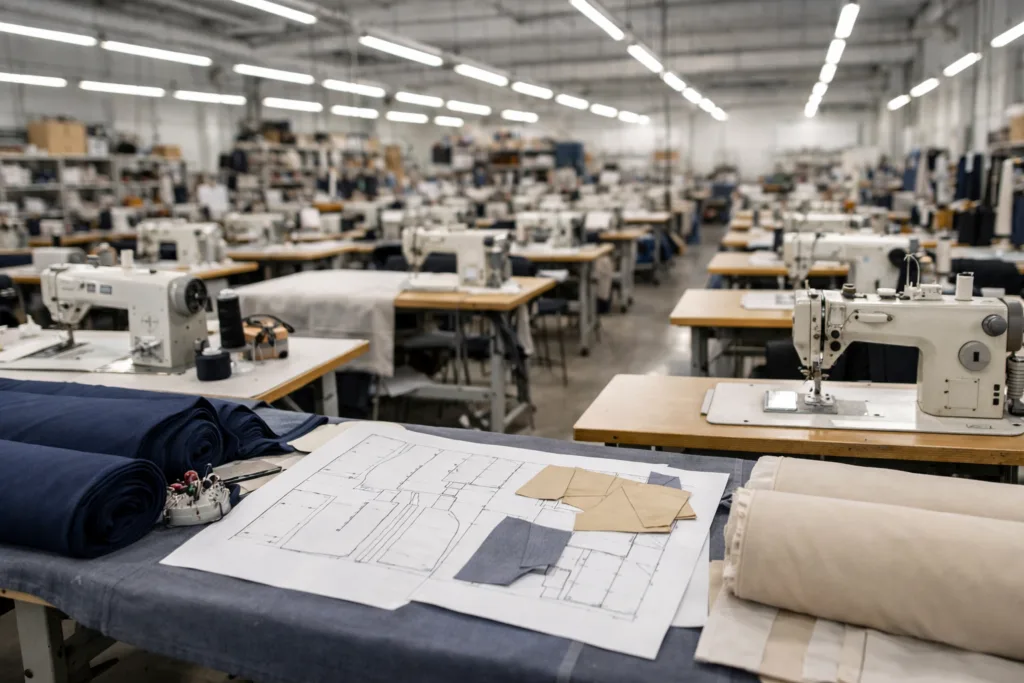
Custom clothing manufacturing describes the process where a factory produces garments to your unique specifications. This includes custom designs, fits, fabrics, trims, and branding. You control every detail, from pattern making to final packaging.
What Is Private Label Clothing?
Private label clothing, on the other hand, involves selecting pre-developed (often blank) garments and adding your brand’s tags or identifiers. The manufacturing side is less hands-on, enabling faster launches and easier scaling, but with more limitations on design and construction.
Why Compare: Custom vs Private Label Clothing
Understanding these two production models reveals the trade-offs in price, flexibility, minimum order quantity (MOQ), and brand distinctiveness. Apparel startups, established DTC brands, and retailers must carefully assess which approach aligns with their business goals, market positioning, and operational realities.
| Aspect | Custom Clothing Manufacturer | Private Label Clothing |
|---|---|---|
| Design Flexibility | Fully Customizable | Limited (base styles only) |
| MOQ | Higher | Lower |
| Speed to Market | Slower (development cycles) | Faster (stock styles) |
| Brand Identity | Unique — fits, trims, labels | Standardized — mainly tags |
| Pricing | Higher/unit; scalable with volume | Lower entry cost |
| Quality Control | Brand-dictated QC | Factory standard QC |
How Custom Clothing Manufacturing Works
The custom manufacturing process starts with design sketches or tech packs. You work closely with a manufacturer to select fabrics, create patterns, and refine fit samples. The process is iterative, requiring detailed sample approvals and ongoing communication. For additional insights, check out How to Choose a Smart Clothing Manufacturer for critical success steps.
Stages of Custom Production
- Design & Tech Pack Creation
- Fabric & Trim Sourcing
- Pattern Making & Sample Development
- Bulk Order Confirmation
- Production & Quality Control
- Packing & Shipping
Private Label Clothing — Fast Launch, Lower Investment
Private label simplifies the launch process by offering ready-made garments. You choose styles from the factory’s catalog, then add your branding through labels, tags, packaging, or other identifiers. This model tends to suit fast fashion, boutiques, and promotional brands. Learn practical must-dos in Your End-to-End Private Label Clothing Checklist.
What Can You Customize?
- Brand Labels & Tags
- Packaging
- Embroidery or Print Placement (sometimes)
Key Differences: Custom Clothing Manufacturer vs Private Label
Let’s break down the real-world implications of each model using concrete examples, realistic supplier insights, and buyer perspectives.
Design and Fit Control
Custom manufacturing allows full fit customization, critical for unique or signature pieces. Private label typically offers off-the-shelf fits that might not match your brand’s vision. Ninghow, a garment manufacturer, stresses the importance of early sample feedback for fit and tolerance accuracy, especially in high-volume orders.
Fabric and Material Sourcing
Custom manufacturers give you access to a wider material range, enabling performance-oriented fabric choices. Private label often restricts selection to what’s in stock or running. If you want specific jersey knit or moisture-wicking blends, custom is the way. Read deeper in T-Shirt Fabric Showdown: Comfort vs Durability Costs Explained.
Quality Assurance Levels
Custom clothing production puts quality assurance in your hands. You set testing protocols, QC reporting, and sample approval workflows. Private label relies mostly on factory standards, which could vary. Both models have risk, but custom allows deeper control and customization of QC checks.
Lead Time and Delivery: Which Model Wins?
Private label typically wins for speed — as stock styles are ready to decorate and ship. Custom manufacturing requires development lead time (sampling, adjustment, production). For seasonal drops or tight launches, private label is advantageous. However, custom manufacturing offers predictability and precision if advance planning is feasible.
MOQ (Minimum Order Quantity)
Most custom manufacturers set higher MOQs due to setup costs and batch runs. Private label models accept lower MOQs, making them perfect for startups or limited-edition releases.
Branding Impact: Building Identity vs Blending In
Custom clothing manufacturing helps you stand out. Your brand controls fit, fabric, trims, labeling, and packaging. Private label restricts branding to tags and packaging, so differentiation relies mostly on marketing. For niche or high-value markets, custom is preferred.
When Is Private Label the Smart Choice?
- Quick launch requirements
- Minimal investment risk
- Testing new markets
- Less emphasis on design uniqueness
When Is Custom Manufacturing Best?
- Focus on fit and quality
- Niche or technical products
- Strong brand identity goals
- Long-term scaling
Budgeting and Cost Realities
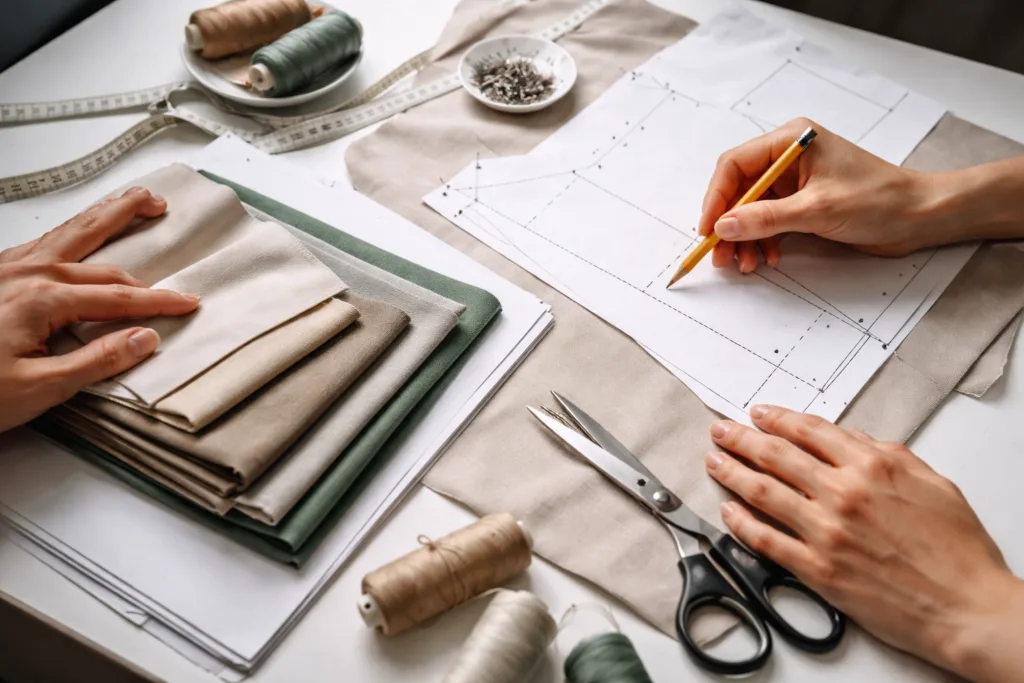
Custom manufacturing often means higher prices—development fees, sampling, tooling, and bulk production. Margins improve with volume scaling. Private label models are easier on cash flow but could limit margin as scale increases.
Hidden Costs
With custom, hidden costs include sampling, fabric sourcing, pattern revisions, and QC steps. Private label may carry hidden fees for extra branding or premium packaging.
Risk Management: Supplier and Workflow Challenges
Custom manufacturing risk lies in supplier coordination, pattern accuracy, and developmental feedback loops. Private label risk is mainly in stock availability and less QC control. Factories like Ninghow reduce risk through transparent sampling and proactive production updates. For tips on minimizing risk, see How to Launch a Safe Trial Order With Your Clothing Manufacturer.
Scaling Up: Which Model Grows Faster?
Private label offers fast scaling, perfect for trend-driven fashion or frequent drops. Custom manufacturing requires more planning but supports lasting differentiation and brand value. Most brands outgrow private label as they establish core products.
Seasonality and Trend Responsiveness
Private label clothing factories are quick to react to market trends, offering new styles that brands can instantly adopt. Custom manufacturing needs longer development cycles, but rewards brands with signature pieces and loyal customer retention.
Model Selection Checklist: Custom Clothing Manufacturer vs Private Label
- Are you prioritizing design uniqueness or speed?
- Do you require specialized fabrics or trims?
- What is your MOQ capability?
- Is brand differentiation essential to your market?
- How much control do you want over QC and production?
- Is your budget able to support sampling and development?
How Ninghow Supports Model Selection and Success
From experience, garment manufacturers like Ninghow clarify expectations early via fit samples, fabric swatches, and weekly production updates. This mitigates revision risk and ensures deadlines align with marketing requirements. Clear communication and technical transparency—especially for custom models—are essential for long-term success.
Custom Clothing Manufacturer vs Private Label: The Future Outlook
Both models are evolving. Private label factories are expanding customization options, often blending into semi-custom solutions. Custom manufacturing is leveraging digital tools to compress sample timelines and improve fit accuracy. Hybrid strategies are emerging, offering fast launches with gradual design uniqueness.
Private label clothing
Private label clothing remains an accessible route for rapid go-to-market, small batch testing, and low-risk entry. Though less flexible, it empowers boutique brands to punch above their weight without deep investments. Custom manufacturing remains the choice for quality, fit, and lasting brand value.
Conclusion: Making Your Choice
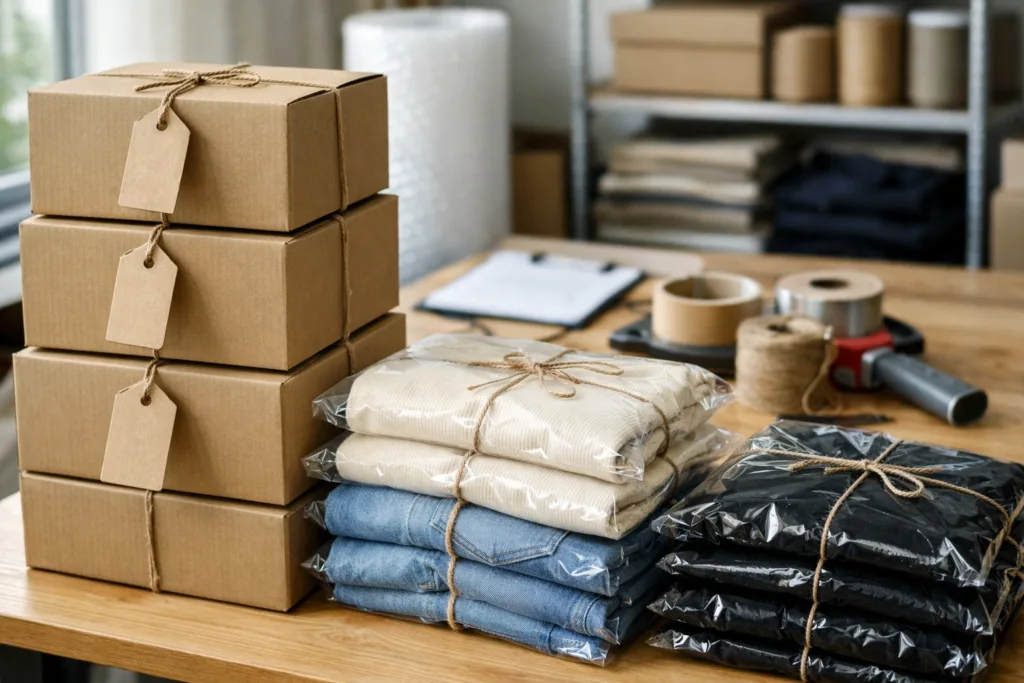
Choosing between custom clothing manufacturer vs private label isn’t simply a matter of price or speed; it’s about aligning your production model with brand goals, quality standards, and market realities. Both have their place—private label for kickstarting launches or seasonal trends, custom manufacturing for signature fits, standout fabrics, and long-term brand identity. Understanding your strategic needs, budget, and growth plans will steer you to the right solution in this evolving apparel landscape.
Frequently Asked Questions
What’s the main advantage of custom clothing manufacturing?
Custom clothing manufacturing offers full control over design, fit, fabric, trims, and branding, enabling unique products tailored to your brand vision.
How quickly can private label clothing be launched?
Private label clothing typically enables rapid launches within weeks since styles are pre-developed and only need branding customization.
Can I mix custom and private label models?
Many brands start with private label and migrate to custom clothing as they scale and want deeper differentiation. Hybrid strategies are increasingly common.
What are typical MOQs for custom manufacturing and private label?
Custom manufacturing usually requires higher MOQs—often 300–500 units—while private label models are happy with orders as low as 50–100 units per style.
How does quality control differ between the two models?
Custom manufacturing allows for brand-specific QC protocols and sample approval, while private label relies mainly on factory standards which may vary.
Which production model is better for building brand reputation?
Custom manufacturing is better for building lasting brand reputation due to product uniqueness and stronger quality control opportunities.
Related Reading
- A Deep Dive into Garment Factory Capabilities and QC Checkpoints
- How MOQs, Sampling, and Lead Times Impact Apparel Production
- Packaging Rules Every Apparel Brand Needs to Know for Compliance
- Secrets to Successful Seasonal Drop Planning and Split Shipments
- Ultimate Print & Embroidery Quality Guide for 2026
