




Introduction: Why Detail Matters in Private Label for Premium Brands (Detail Checklist)
High-end brands live and die by their details. In private label clothing manufacturing, the difference between premium and average comes down to the precision of fit, quality of trim, consistency in color, and the sharpness of every label and package delivered. This Private Label for Premium Brands (Detail Checklist) is your roadmap to mastering each point in your production flow—from sourcing to final shipment—and ensuring your garments meet elite standards at every turn.
What Is a Private Label Clothing Manufacturer?
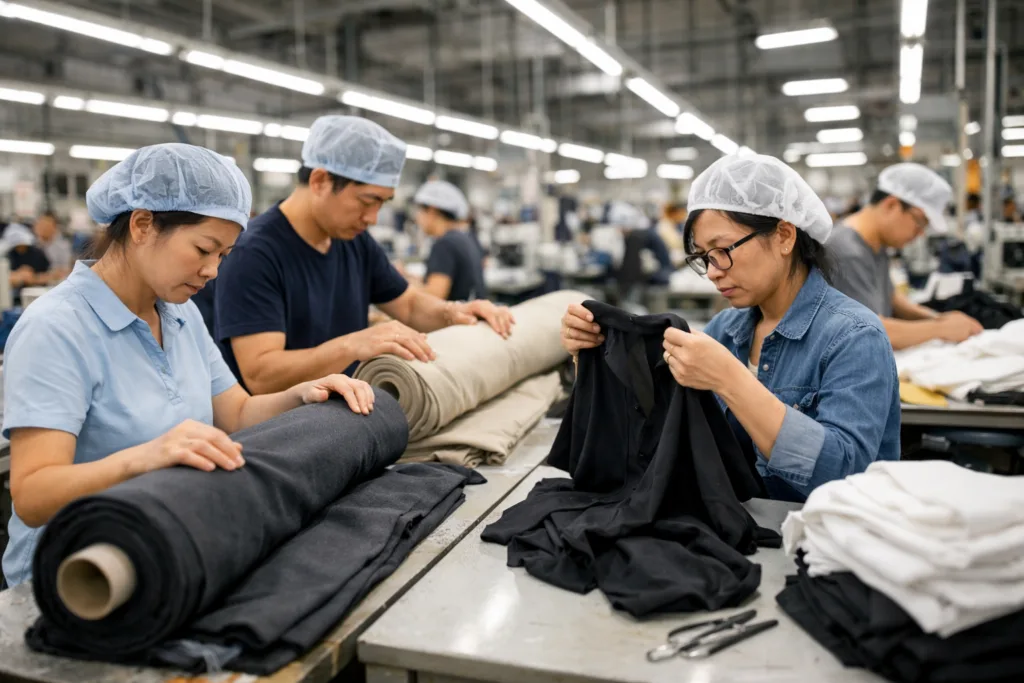
A private label clothing manufacturer is a specialized producer that manufactures garments for brands under their private labels. Instead of launching their own collections, these manufacturers bring a brand’s vision, specs, and quality standards to life—handling all technicalities behind the scenes while the brand fronts the market. This approach lets premium labels leverage expert factories, like those found in efficient hoodie manufacturing, to scale without compromising control over their name and quality.
The Premium Brand Mindset: Detail, Consistency, and Control
Delivering a truly premium garment is less about the headline and more about the sum of process details. Consistency, from labeling and packaging down to invisible stitching, is non-negotiable. A robust checklist managed at every stage offers two major advantages: it maintains brand equity and slashes costly errors.
Private Label for Premium Brands (Detail Checklist)
Successful premium private label programs rely on rigorous checklists built for both control and speed. Below is a comprehensive breakdown, covering each step from design intent to final shipment.
Fabric Sourcing: The Real Foundation
- Certifications: Request OEKO-TEX, GRS, or GOTS as needed (see guide to fabric certifications).
- Handfeel: Match fabric texture to brand expectations—some errors only show up when bulk arrives.
- Color Consistency: Set tight delta-E tolerances. Demand reliable lab dips reviewed in daylight.
- Performance Specs: Test for pilling, shrinkage, colorfastness, and strength during sourcing.
Pattern Making & Fit Development
- Size Specifications: Lock detailed size charts early.
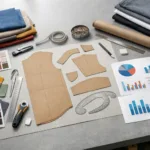
- Pattern Iteration: Use proto and fit samples for realistic adjustments. Don’t ignore the fit impact of seam allowances, fabric stretch, or wash shrinkage.
- Fit Approvals: Remember, major changes late in the process can delay everything—or leak inconsistency. Review tips at how to avoid costly fit revisions.
Trim & Accessories Control
- Trim Sheets: Document every trim: labels, zippers, snaps, buttons; include color references and placement details.
- Durability Testing: Zippers should survive repeated use and launders; use AQL sampling percentages for batch control.
- Label Detail: Garment labels define your brand—spec fiber content, care instructions, and ensure they pass regional regulations. Detailed guidance: labeling requirements.
Branding & Packaging Excellence
- Hangtags and Packaging: Include sample approvals for each. Consistency here leaves a lasting impression.
- Packaging Compliance: Adhere to destination rules: recycled content, warnings (like suffocation warnings), and barcodes. For a breakdown, explore packaging compliance rules.
- Final Presentation: Fold and pack garments uniformly—ensure unboxing experience fits the brand’s luxury positioning.
Pre-Production Sampling & Color Approval
- PPS (Pre-Production Samples): Use PPS as your gold standard for every production run. Check color, trim, labels, and construction against the signed-off sample.
- Lab Dip and Color Approval: Use daylight and controlled lightboxes. All color approvals must reference signed samples, not digital photos. More in color lab dip workflow.
Bulk Production: Process Controls that Matter
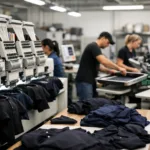
- Inline QC: Inspect during production, not just at final stage. Common issues: skipped stitches, puckering, mismatched labels.
- Final QC: 100% checks for appearance, measurement, packaging, labeling and functional details.
- Production Updates: Get weekly progress reports to catch and fix issues before bulk goods are completed (why prompt updates matter).
Product Testing and Material Compliance
- Test Reports: Check for REACH compliance, AZO-free dyes, and absence of heavy metals for both fabric and trims. Full responsible sourcing documentation must accompany each shipment; see REACH/AZO guide.
- Physical Testing: Fabric shrinkage, seam strength, fastener pull/torque, and colorfastness should be conducted on random samples per batch.
Consistency Checks: Size, Color & Trim Matching
- Spot-check sizes per size spec and tolerance (see full control strategy at garment measurement tolerance).
- Use approved trims for every production batch—no substitutions without written re-approval.
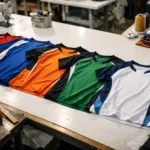
- Re-check color for batch-to-batch consistency; small batch variations can dent brand image.
Sustainable Practices for Premium Brands
- Track certified fabrics and sustainable finishes.
- Insist on transparency: full chain of custody, recycled/upcycled packaging, and traceable supply chain.
Shipping & Documentation: From Factory Floor to Retail Shelf
- Customs Documents: Prepare invoices, packing lists, and all relevant certificates for smooth customs clearance (essential document checklist).
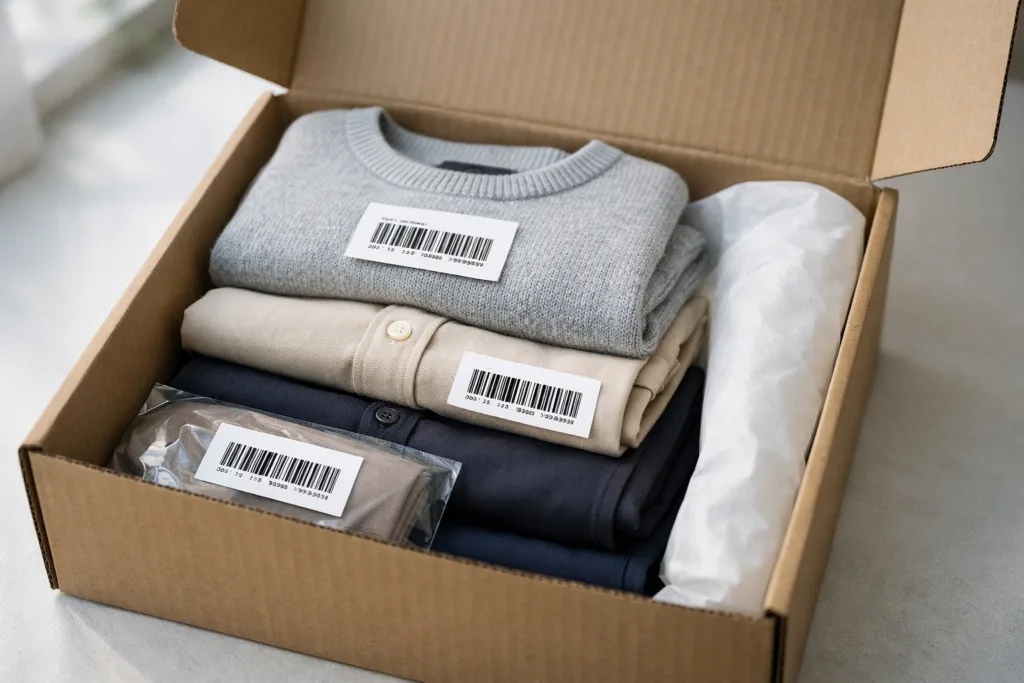
- Labeling for Logistics: Every carton/barcode must be accurate and easy to scan at the warehouse. Poor labeling causes shipment delays or losses.
- Incoterms: Make sure you and your supplier agree on clear terms; it affects cost and risk allocation.
The Special Role of Labels and Packaging in High-End
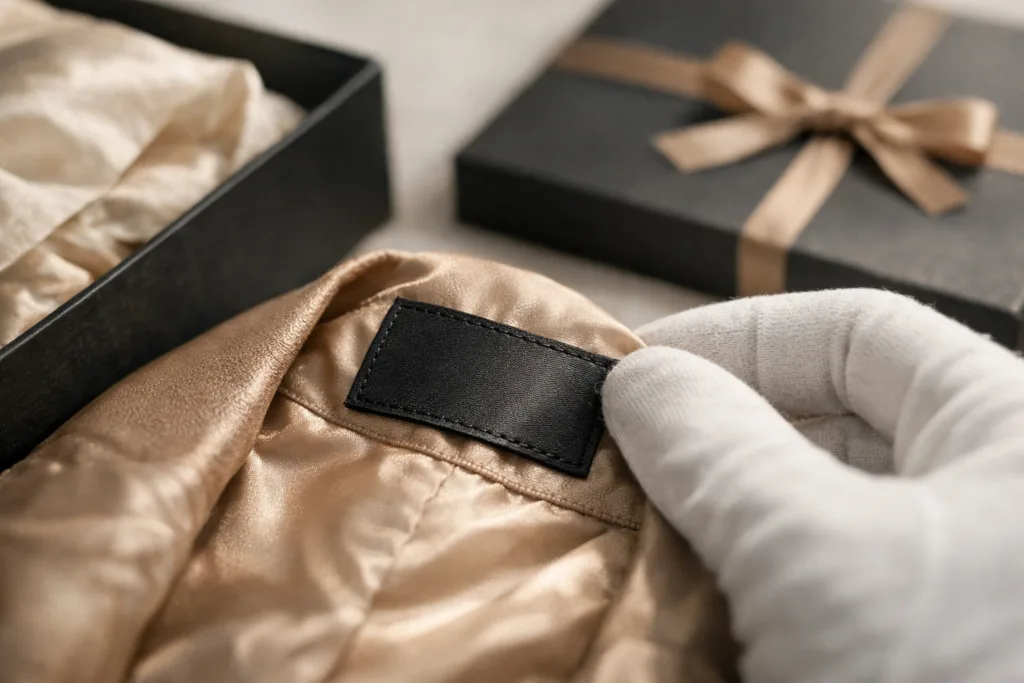
Labels and packaging are more than afterthoughts—they are essential carriers of brand prestige and legal identity. Labels should display clear, accurate fiber content, care instructions, country of origin, and brand elements in line with both compliance and marketing needs. Packaging, from folding to box design, sends a strong message about quality before the product is even touched. Consistent upgrades to these materials can be a real differentiator at scale.
Using Technology to Ensure Consistency and Traceability
Modern premium brands are turning to digital quality control and ERP platforms to reduce manual errors. Barcode tracking, QR code labeling, and batch traceability ensure every SKU can be tracked from source to shipment. This is especially critical for brands with sustainability stories, where proof of material source or eco-certification may be required by both retailers and end consumers.
Real-World Checkpoints: Practical Tips From the Production Floor
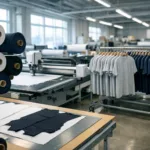
At Ninghow’s production floor, we’ve seen that the best defense against costly mistakes is a transparent, stage-gated process. For example, locking all trims and labels before fabric is cut prevents costly branding misprints, while running a one-piece flow for initial prototypes catches construction issues before they multiply. These are simple but powerful steps for premium private label runs.
Handling Sampling, Revisions, and Approvals
Don’t cut corners on sample approvals. From the very first prototype to pre-production (PPS) and shipment samples, each stage should be documented with photos, feedback, and sign-offs. Implementing digital sampling logs and ensuring clear feedback loops dramatically reduces cycle time and rework, supporting real consistency across SKUs and seasons.
Challenges Only Found in Premium Private Label
High-end brands face unique headaches—higher customer expectations, stricter retailer requirements, and zero room for appearance issues. Achieving uniform color across multiple orders, keeping packaging and labeling consistent with luxury branding, and managing low-MOQ yet high-detail runs all demand more than just standard SOPs. Here, a detail-driven checklist and factory discipline make the difference between success and order returns.
When to Update Your Private Label Checklist
Review and update your checklist with every new collection, major supplier change, or customer complaint. Trends like sustainable materials or new market regulations (such as recycled-content rules or new labeling mandates) must be reflected quickly. It’s best to conduct an annual (or even seasonal) audit with sample-based spot checks.
Summary: Private Label for Premium Brands (Detail Checklist)
Excelling in private label clothing manufacturing for premium brands is a rigorous test of detail adherence—every spec, label, and color dip matters. A detail checklist transforms chaos into confidence, keeps branding tight, and avoids cost overruns. For brands focused on delivering high-end quality every time, this checklist isn’t just a tool—it’s essential to survival, from first sampling through to the shelf.
Frequently Asked Questions
What’s the most common mistake in premium private label production?
Rushing the approval process for samples or trims often leads to avoidable, costly errors in bulk production.
How often should my detail checklist be updated?
Review and revise your checklist at least annually, or whenever key regulations, suppliers, or materials change.
Do I need third-party lab testing for compliance?
Yes, independent lab testing for key risks like azo dyes and heavy metals is recommended for premium and export markets.
Can I use my own packaging designs for private label?
Yes, but ensure your designs comply with local market regulations and logistics barcoding needs. Customized packaging adds value when executed correctly.
How do I prevent label and trim inconsistency?
Lock trims and labels during sample approval. For each order, check batch-to-batch consistency and document any changes in writing.
When should I run an on-site inspection?
It’s best to inspect during both inline production and before shipment. Critical for premium brands aiming to maintain reputation and compliance.
