



In the fast-paced world of fitness, wellness, and athleisure, the demand for high-quality private label activewear manufacturers is skyrocketing. From boutique yoga labels and CrossFit merch lines to large-scale active lifestyle brands, everyone is racing to capture the attention of a health-conscious, design-savvy audience.
But launching a private label activewear brand isn’t as simple as printing a logo on leggings. It requires strategic thinking, technical fabric knowledge, and deep alignment between brand identity, product function, and user expectation.
This guide walks you through the key considerations when building your own private label activewear line—focusing on the essentials: fit, fabric, functionality, and brand positioning.
Why Private Label Activewear Is a Hot Category
Consumer habits have shifted dramatically. Today’s customers wear activewear beyond the gym. It’s become a daily uniform for errands, travel, lounging, and socializing. That means:
- Higher expectations for comfort and design
- Demand for technical performance fabrics
- Emphasis on ethical sourcing and sustainability
- Opportunity for niche branding (e.g., yoga, MMA, running, streetwear athleisure)
If you’re building a line in this space, working with the right private label activewear manufacturer is essential to create high-performance, on-brand apparel at scale.
Key Categories in Private Label Activewear
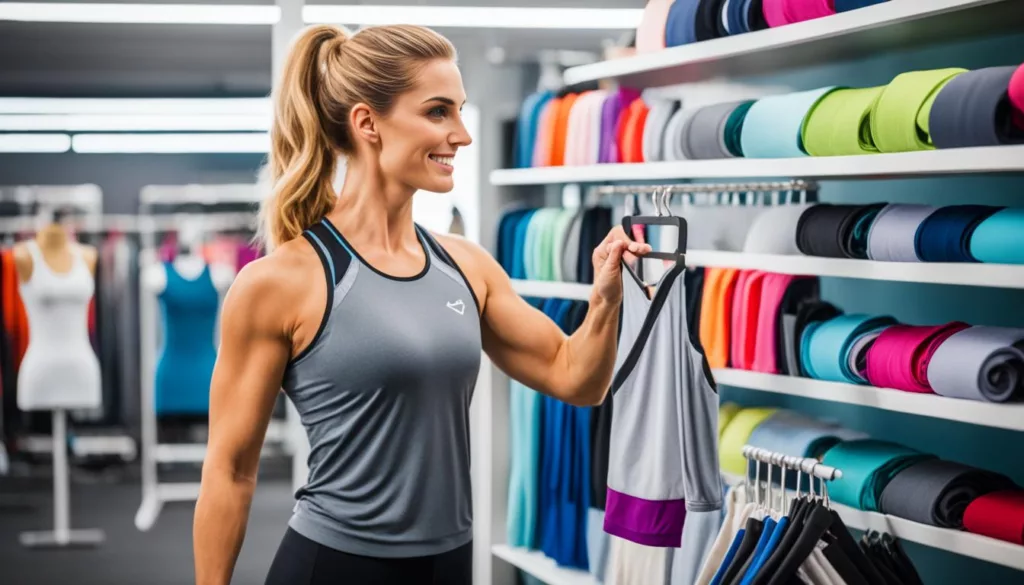
Before diving into technical details, consider which segments of the activewear market your brand will target. Each has different style, fit, and material needs.
Popular Categories:
- Yoga wear: Seamless leggings, sports bras, flowy tanks
- Gym/fitness wear: Compression tops, dry-fit shirts, joggers
- Running and outdoor gear: Windbreakers, reflective leggings, quick-dry shirts
- Athleisure lifestyle wear: Oversized hoodies, relaxed-fit pants, crop sets
- Men’s performance wear: Muscle tanks, base layers, shorts
Ninghow supports all of these product categories with fully customizable options.
The Importance of Fit and Pattern-Making in Activewear
Activewear must move with the body, retain shape, and support performance. That makes pattern-making one of the most critical components of success.
What to Consider:
- Ergonomic shaping: Contoured fits for movement
- 4-way stretch zones: For yoga, HIIT, or dynamic training
- Waistband engineering: High-rise with elastic or V-cut options
- Seam placement: Flatlock seams for anti-chafe comfort
- Inclusive sizing: XS–3XL or custom-fit grading
Your manufacturer should have experience in technical grading, athletic cuts, and test-fitting across body types.
Choosing the Right Fabrics for Your Brand
Activewear performance is directly tied to fabric choice. Different activities and climates demand specific characteristics.
Essential Activewear Fabrics:
- Nylon-Spandex Blends: Durable, stretchy, and shape-retaining (ideal for yoga)
- Polyester-Spandex Mixes: Lightweight, quick-drying, and more affordable (great for gym wear)
- Recycled Performance Fabrics: For eco-conscious branding
- Mesh or Laser-Cut Panels: For breathability and visual interest
- Brushed Interlock or Suede-Finish: For premium softness in lounge or athleisure styles
At Ninghow, we offer a wide selection of technical fabrics, including eco-friendly and OEKO-TEX certified options.
Branding & Customization Options
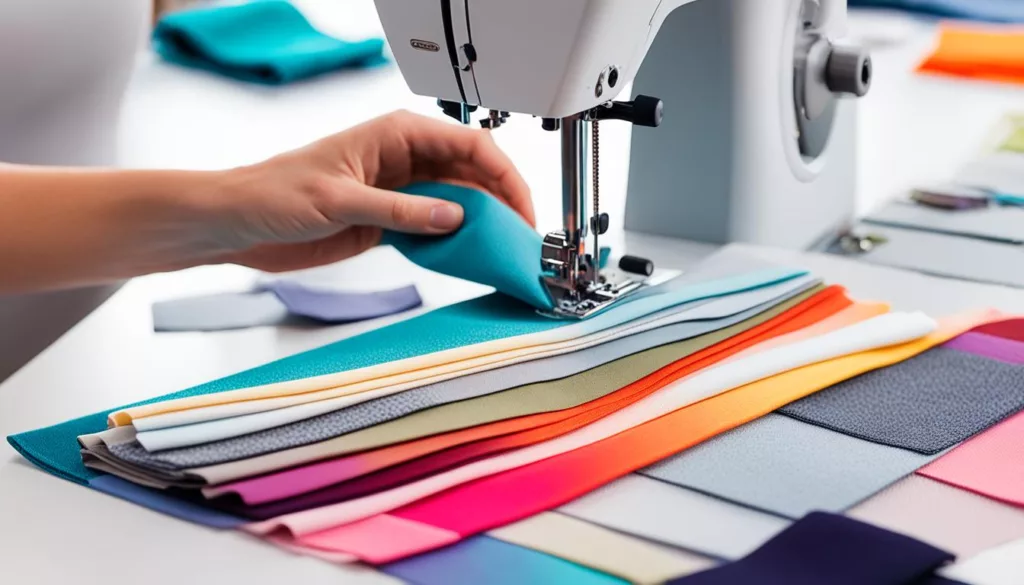
In the competitive activewear market, branding elements play a huge role in how your product is perceived. It’s not just about the logo—it’s the whole brand experience.
Customization Techniques:
- Heat transfer logos for sleek finishes
- Embroidery for premium branding on hoodies or joggers
- Woven hem labels and inner neck prints
- All-over sublimation for bold patterns or prints
- Custom packaging with tags, tissue wrap, and mailer bags
If you want your brand to stand out in the yoga studio or on Instagram, every visual detail counts.
Aligning Product With Brand Positioning
Your activewear collection should reflect your brand’s values, price point, and ideal customer lifestyle. Ask yourself:
- Is your brand performance-driven, style-first, or eco-conscious?
- Are you targeting fitness pros, urban youth, or wellness seekers?
- Will your products be sold online, via retailers, or through studios and events?
Your manufacturer should understand these answers and help shape product design accordingly.
For example:
- A yoga brand might prioritize soft, seamless designs with natural tones.
- A gym line may focus on muscle-support fits and bold colors.
- An eco-luxury brand might use organic/recycled fabrics with minimalist branding.
Low MOQ and Sampling Flexibility
One of the biggest concerns for startups and boutique brands is managing risk while testing new products. At Ninghow, we offer:
- Low minimum order quantities (100 pcs/style)
- Fast sample development (as fast as 7–10 days)
- Pattern and fit customization support
- Full private label production with fast turnaround
Whether you’re launching a capsule yoga line or an ongoing activewear program, we scale with you.
Common Mistakes to Avoid When Launching Private Label Activewear
- Skipping fabric testing – Always test for stretch, opacity, and wash durability.
- Choosing generic fits – Invest in a pattern that flatters your target audience.
- Overcomplicating the first drop – Start with 2–3 hero products.
- Neglecting branding elements – Hang tags, neck labels, and packaging matter.
- Working with non-specialized manufacturers – Activewear requires technical knowledge.
Final Thoughts: Your Success Starts With the Right Partner
Building a private label activewear brand is exciting—but it’s also technical. From seamless yoga sets to performance joggers, the details make the difference.
At Ninghow, we specialize in helping activewear startups, influencers, and scaling brands develop high-quality collections with speed, flexibility, and full customization.
Our in-house team supports everything from fabric sourcing to sample fitting to bulk manufacturing—so you can focus on growing your brand.
