


Introduction
Polyester fabric is one of the most widely used textiles in the world today. Known for its durability, affordability, and versatility, polyester is a synthetic fabric found in everything from clothing and home textiles to industrial and medical applications.
But why is polyester fabric so popular? Unlike natural fabrics such as cotton or wool, polyester resists wrinkles, holds color exceptionally well, and is highly durable. It is also lightweight, quick-drying, and available in many different textures and finishes, making it a preferred choice in various industries.
In this comprehensive guide, we’ll explore the different types of polyester fabric, their key properties, common uses, and how they compare to other fabrics.
What Is Polyester Fabric?
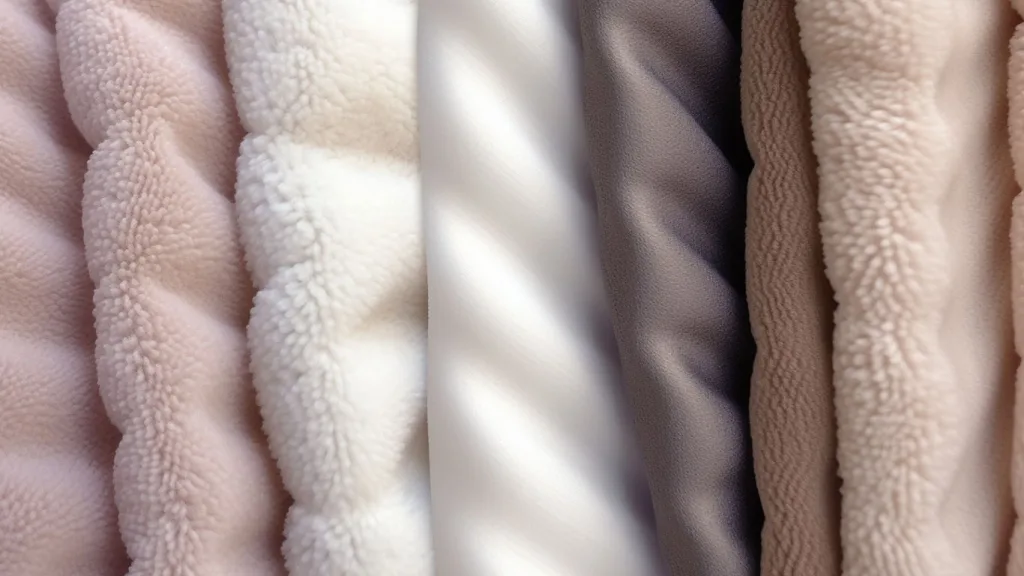
Polyester fabric is a synthetic textile made from polyethylene terephthalate (PET), a type of plastic derived from petroleum. Through a chemical process, polyester fibers are created, which are then spun into yarn and woven into fabric.
Polyester is known for being:
✔ Wrinkle-resistant
✔ Quick-drying
✔ Strong and durable
✔ Moisture-wicking
✔ Resistant to shrinking and stretching
These properties make it an ideal choice for clothing, home furnishings, sportswear, and more.
Types of Polyester Fabric
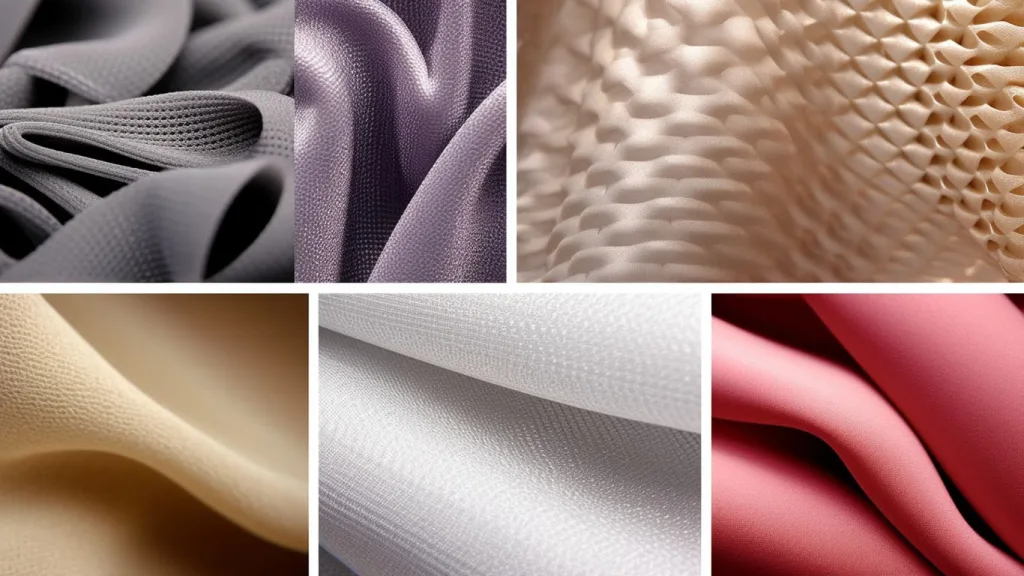
1. Pure Polyester Fabrics
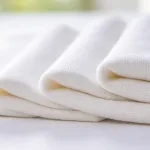
- Polyester Microfiber– Extremely soft and lightweight, commonly used in cleaning cloths, bedding, and athletic wear.
- Polyester Satin– Smooth and glossy with a luxurious feel, perfect for evening wear and high-end home textiles.
- Polyester Chiffon– A sheer, delicate fabric used in dresses, blouses, and scarves.
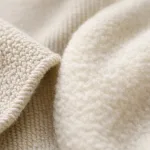
- Polyester Fleece– A warm and cozy fabric used in jackets, hoodies, and blankets.
2. Blended Polyester Fabrics
- Polyester-Cotton Blend (Polycotton)– Combines polyester’s durability with cotton’s softness, widely used in casual wear.
- Polyester-Spandex Blend– Adds elasticity, making it ideal for athletic and performance wear.
- Polyester-Wool Blend– Increases warmth and durability, used in suits, coats, and winter wear.
3. High-Performance Polyester Fabrics
- Moisture-Wicking Polyester– Specially engineered to keep sweat away from the skin, perfect for sportswear.
- Ripstop Polyester– A reinforced, tear-resistant fabric used in outdoor gear and military applications.
- Flame-Resistant Polyester– Treated to resist fire, often used in industrial and safety garments.
4. Recycled Polyester (rPET)
- Made from recycled plastic bottles, reducing environmental waste.
- Provides the same durability and moisture resistance as standard polyester.
- Used in eco-friendly fashion, sustainable bedding, and environmentally conscious textile applications.
Why Choose Polyester Fabric?

Durability & Strength
Polyester is resistant to tears, wrinkles, and shrinkage, making it one of the most long-lasting fabrics.
Quick-Drying & Moisture-Wicking
Unlike cotton, polyester does not absorb moisture, which helps it dry quickly and keeps the wearer comfortable.
Affordable & Widely Available
Polyester is more cost-effective compared to natural fabrics and is mass-produced worldwide.
Wrinkle-Resistant & Shape-Retaining
Polyester does not crease easily, making it perfect for travel-friendly clothing and home textiles.
Excellent Color Retention
Polyester holds dye well, ensuring vibrant colors that last longer than most natural fabrics.
Common Uses of Polyester Fabric

Fashion & Apparel
- Sportswear & Activewear:Moisture-wicking polyester keeps athletes dry and comfortable.
- Casual Wear & Office Wear:Polycotton blends are popular for shirts, dresses, and work attire.
- Outerwear & Jackets:Polyester fleece and insulated jackets provide warmth.
Home Textiles & Furnishings
- Bedding & Pillowcases:Polyester microfiber is soft, breathable, and wrinkle-resistant.
- Curtains & Upholstery:Durable and stain-resistant polyester fabrics are used in home décor.
- Carpets & Rugs:Synthetic polyester fibers offer affordability and resilience.
Industrial & Special Applications
- Tents & Outdoor Gear:Ripstop polyester is used for waterproof tents and backpacks.
- Automotive & Marine Textiles:Polyester is used in car seat covers and boat sails.
- Medical & Safety Applications:Flame-resistant polyester is used in protective clothing and hospital textiles.
How to Choose the Right Polyester Fabric?
- For Everyday Clothing:Polyester-cotton blends offer comfort and breathability.
- For Sportswear & Activewear:Choose moisture-wicking polyester with spandex for flexibility.
- For Home Textiles:Microfiber polyester is ideal for bedsheets and upholstery.
- For Industrial Use:Ripstop or flame-resistant polyester provides durability and protection.
Caring for Polyester Fabric
Washing Tips
- Machine wash in warm or cold water to maintain fabric integrity.
- Use mild detergent and avoid bleach to prevent fiber damage.
- Wash polyester separately from lint-producing fabrics like cotton towels.
Drying & Ironing
- Tumble dry on low heat or air dry to prevent shrinkage.
- Polyester is wrinkle-resistant, but if needed, iron on a low setting.
Storage Tips
- Store in a dry place to avoid static buildup.
- Avoid prolonged exposure to direct sunlight to prevent fabric weakening.
FAQs
What makes polyester fabric different from natural fabrics?
Polyester is synthetic, offering durability, moisture resistance, and wrinkle-free properties, unlike cotton or wool.
Is polyester fabric breathable?
Polyester itself is not very breathable, but moisture-wicking polyester fabrics improve airflow.
Does polyester shrink in the wash?
No, polyester is resistant to shrinking, unlike cotton and wool.
Is polyester fabric eco-friendly?
Traditional polyester is not biodegradable, but recycled polyester (rPET) offers a more sustainable alternative.
Which polyester fabric is best for activewear?
Moisture-wicking polyester with spandex provides flexibility and sweat resistance for sportswear.
Can polyester fabric be dyed?
Yes, polyester holds dye well, making it highly colorfast and resistant to fading.
Conclusion
Polyester fabric is a game-changer in the textile industry, offering affordability, strength, and versatility. Whether used in fashion, home decor, or industrial applications, polyester remains a go-to fabric due to its ease of maintenance, wrinkle resistance, and quick-drying properties.
With advancements in recycled polyester, the textile industry is moving toward more sustainable production methods, ensuring that polyester continues to be a relevant and eco-conscious choice for modern consumers.
Looking for high-quality polyester fabric?
Ninghow offers customized wholesale services for brands, businesses, teams, and events. Our main products include POLO shirts, T-shirts, hoodies, and shorts. Contact us today to explore our premium polyester fabric options!
