



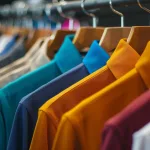




Polo Shirts vs. T-Shirts: Which Works Better for Your Brand?
In the realm of apparel marketing, choosing the right garment style for brand promotion can significantly impact your business’s visibility and consumer engagement. Polo shirts and T-shirts present unique benefits and challenges, depending on your target audience and intended use. Understanding the differences and advantages of each can help you decide which aligns best with your brand strategy.
The Basics: Polo Shirts and T-Shirts Explained
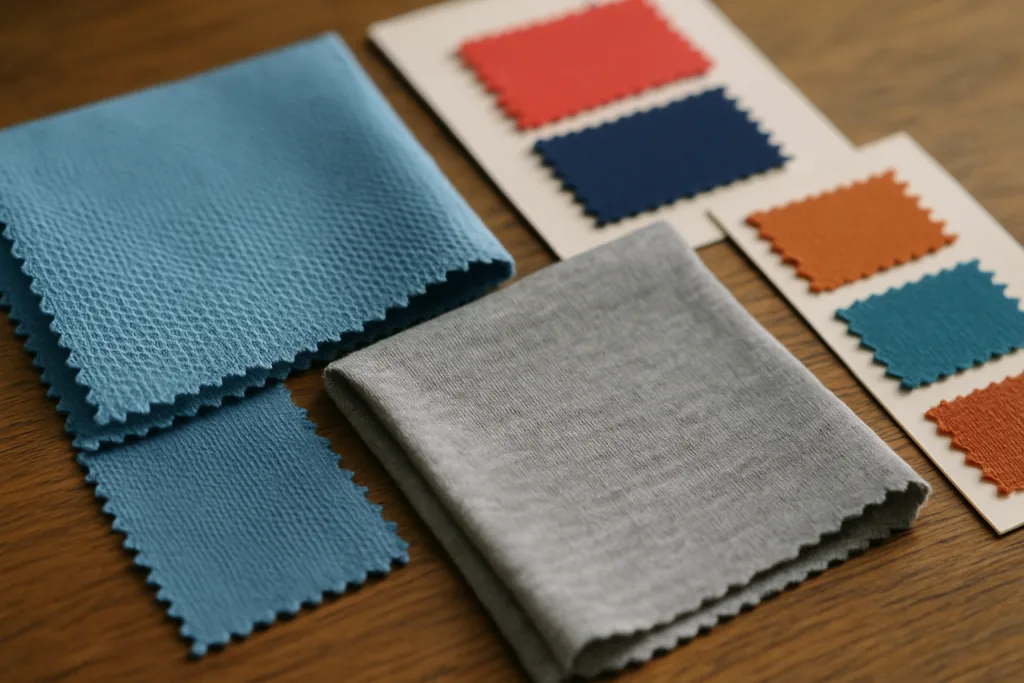
Polo shirts and T-shirts are staples in the apparel industry, each serving distinct purposes. Polo shirts are typically characterized by their knitted fabric, such as pique or interlock, a placket with buttons, and a ribbed collar. These elements create a semi-formal aesthetic perfect for business casual and sportswear contexts. On the other hand, T-shirts are known for their casual, unstructured design, usually featuring single jersey knit fabric and crew necklines, making them ideal for everyday wear.
Fabric and Construction: Technical Details
To understand how these garments can impact your brand, it’s crucial to explore their fabric and construction. Polo shirts often utilize combed cotton, elastane blends, or recycled polyester, with typical GSM (grams per square meter) ranging from 180 to 240. These choices offer strength, breathability, and durability, important for active and business settings. T-shirts, however, focus on comfort and printability, using lighter materials like ring-spun cotton, with GSM around 160 to 200, perfect for vibrant designs and relaxed wear.
Technical Comparison
| Fabric Type | Polo Shirts | T-Shirts |
|---|---|---|
| Knit Style | Pique, Interlock | Single Jersey |
| Fabric GSM | 180–240 gsm | 160–200 gsm |
| Typical Use | Business Casual, Sports | Casual, Promotional |
Branding and Promotion: Audience Impact
The choice between polo shirts and T-shirts for branding often hinges on your audience. Polo shirts convey professionalism and active lifestyles, appealing to corporate teams, golf apparel, or upscale event promotions. This garment can double as a uniform, creating a cohesive brand image aligned with sophistication and functionality. Conversely, T-shirts are popular for their versatility and budget-friendly production, favored by promotional campaigns, merchandise sales, and youth-oriented brands.
Branding Strategy Tips
- Consider Audience: Align your choice with the demographic you target. Corporate professionals may prefer polo shirts, while T-shirts appeal to a youthful, casual crowd.
- Evaluate Use Cases: Assess where and how your garments will be worn. Polo shirts suit events or uniform needs, whereas T-shirts work well for giveaways and mass promotions.
Branding Advantages: Polo Shirts vs. T-Shirts

Understanding the branding advantages requires examining context-specific benefits. Polo shirts offer durability and a polished look, enhancing perceptions of quality and elegance associated with your brand. In contrast, T-shirts provide a canvas for creative expression and bold statements, making a strong visual impact that is especially effective for brand recognition campaigns.
Expert Takeaway: Polo shirts deliver a refined brand message with consistency in events and team settings, while T-shirts offer flexibility and marketing reach in large-scale promotions.
Ninghow: Quality and Craftsmanship
As a renowned OEM/ODM clothing manufacturer, Ninghow excels in producing both polo shirts and T-shirts that meet diverse branding needs. With commitment to quality, sustainable practices, and precise fit, Ninghow ensures each garment enhances brand identity—whether it’s corporate sponsorship or a lifestyle range.
Deciding for Your Brand: Scenario-based Insight
Consider the scenarios below to best allocate the styles:
- Corporate Functions: Choose polo shirts for a professional look.
- Promotional Events: Opt for T-shirts to maximize visibility.
- Sports and Clubs: Polo shirts can showcase team solidarity.
- Merchandise Sales: T-shirts appeal to a broad consumer base.
Frequently Asked Questions
What differentiates polo shirts from T-shirts?
Polo shirts feature button plackets and ribbed collars, offering a semi-formal look, whereas T-shirts provide a casual and versatile style without structured elements.
How do fabric choices impact branding?
Fabric options affect durability, comfort, and print clarity, influencing garment suitability for branding efforts. Higher GSM fabrics used in polo shirts offer greater durability, while lighter ones in T-shirts support vibrant prints.
Are polo shirts more popular for corporate branding?
Yes, polo shirts are widely favored in corporate settings due to their professional appearance and ability to be styled as uniforms.
Can T-shirts be used for high-end market promotions?
While less common, T-shirts can target high-end markets if executed with luxurious fabric choices or unique designer collaborations.
What type of garment is preferred for promotional giveaways?
T-shirts are ideal for giveaways due to their cost-effectiveness and broad appeal, providing high brand exposure at events.
How does Ninghow contribute to the branding process?
Ninghow offers premium manufacturing with a focus on fit, quality, and sustainable practices, ensuring garments support brand goals effectively.
