





Introduction: Why Oversized vs Regular Fit T-Shirts Matter in Modern Trends
The ongoing debate about oversized vs regular fit t-shirts is more than just personal preference—it marks a growing shift in clothing design, comfort, and style. As streetwear and casual trends gain traction globally, the term “oversized t shirts” is echoing louder across fashion conversations. Understanding the real differences between these fits is not only crucial for trend-chasers and buyers but also for manufacturers and brand developers aiming for both visual appeal and quality. This guide walks through every layer—style, function, fabric, and market trends—to help you make informed decisions whether you’re sourcing, designing, or simply looking for the next wardrobe staple.
Table of Contents: Navigating the Oversized vs Regular Fit T-Shirts Debate
- Introduction
- Defining Oversized T-Shirts
- What Does Regular Fit Really Mean?
- The Origin and Evolution of Each Style
- Visual Differences: Cut, Silhouette, and Drape
- Who’s Wearing What? Modern Demographics
- Trend Drivers: From Streetwear to Runways
- Comfort and Movement Considerations
- Fabric Choice: Impact on Fit and Feel
- Manufacturing Challenges: How Factories Handle Fit Accuracy
- Size Chart Differences Explained
- Pattern Making: Oversized vs Regular Mechanics
- Ninghow Insights: Shop Floor stories on Fit Trends
- The Role of GSM and Weight in T-Shirt Fit
- Layering Potential: Styling Crossovers
- Production Flow: Sampling and QC Tips
- Stitching and Construction: Durability Factors
- Consumer FAQs: Common Questions About Oversized and Regular Fits
- Bulk Ordering Considerations for Brands
- Styling Guide: When to Choose Each Fit
- Gender Neutral Dressing: Unisex Trends
- Sustainability and Sizing: Eco-Fabric Insights
- Retail Data: What’s Selling Now?
- Conclusion & Key Takeaways
- Frequently Asked Questions
Defining Oversized T-Shirts
Oversized t-shirts are intentionally designed to provide more volume through the body, sleeves, and shoulders. Unlike simply buying a larger size, true oversized cuts feature modified patterns that create a boxy silhouette, dropped shoulders, and longer sleeve lengths. The styling goal is relaxed, sometimes dramatic, always comfortable. This approach makes oversized t shirts a staple of streetwear and modern casual brands.
| Feature | Oversized Fit | Regular Fit |
|---|---|---|
| Shoulder | Dropped, wide | Classic, sits at shoulder |
| Sleeve Length | Longer, almost elbow | Mid upper arm |
| Body Width | Loose, boxy | Slim to standard |
| Hem Length | Varies, often longer | Standard hip-length |
For deeper fabric insights behind comfort and durability, see T-Shirt Fabric Showdown: Comfort vs Durability Costs Explained.
What Does Regular Fit Really Mean?
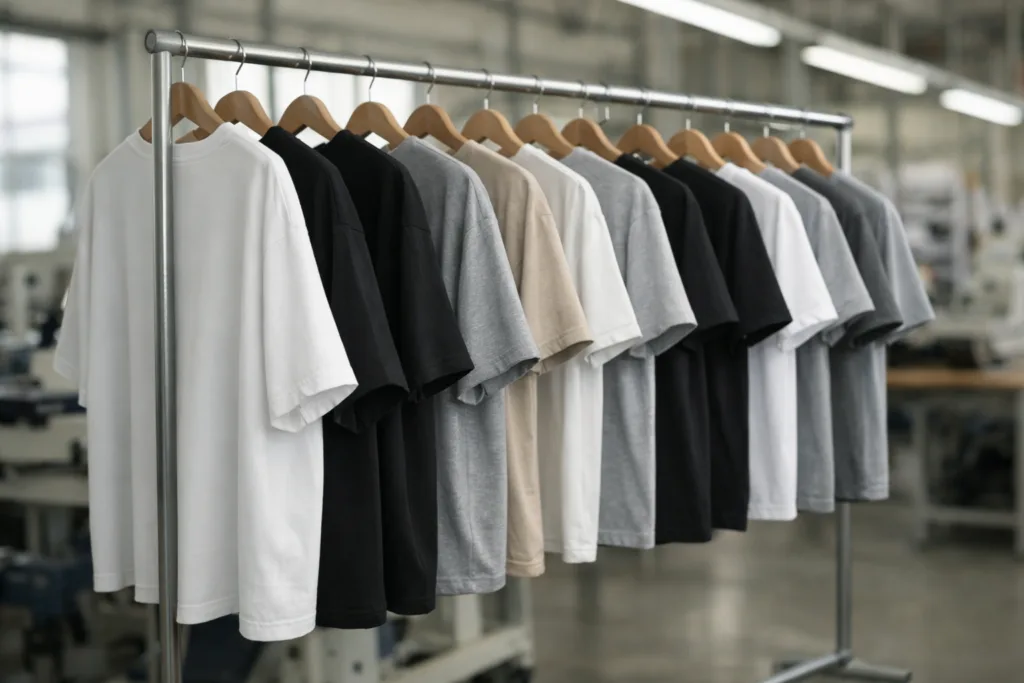
Regular fit t-shirts adopt a tried-and-true silhouette that remains neutral, universally recognized, and easy to layer. The cut typically sits neatly on the shoulders, hugs (but doesn’t squeeze) the torso, and tapers slightly at the hip. It’s practical for daily wear, classic occasions, and is favored in premium retail collections.
The Origin and Evolution of Each Style
Oversized fits surged with youth-driven streetwear, influenced by the ‘90s hip-hop scene and Asian fashion. Regular fits date back to military basics and classic American sportswear. Each style experienced cycles of popularity as global trends shifted.
Visual Differences: Cut, Silhouette, and Drape
The main visual difference is the “boxiness” of oversized t shirts. Regular fit is more streamlined. Oversized provides drape and volume, often emphasizing movement. Brands now use graphics and prints to further distinguish the silhouette.
Who’s Wearing What? Modern Demographics
Oversized t shirts skew younger but are gaining popularity across age ranges thanks to unisex options and easier styling. Regular fits support more formal, professional, or athletic settings. Modern brands offer both to appeal to multiple audiences.
Trend Drivers: From Streetwear to Runways
The oversized t shirt has become a centerpiece for streetwear designers, luxury collaborations, and influencers. Regular fit t-shirts hold their place in corporate apparel and classic retail. Both are now seen together in brand collections, blending traditional and modern aesthetics.
For a closer look at how fabric choice shapes trend appeal, read Jersey Knit Fabric: The Unsung Hero of Comfortable, Quality T-Shirts.
Comfort and Movement Considerations
Comfort is where oversized t shirts shine. The roominess allows for greater ease of movement and breathability. Regular fits, though less generous, are engineered for neatness and layering potential, making them ideal when more structure is required.
Fabric Choice: Impact on Fit and Feel
Fabric plays a crucial role in how a t-shirt sits on the body. Oversized fits often select heavier GSM cotton or blends that maintain structure, while regular fits utilize lighter, more flexible knits for sleekness. Ninghow frequently recommends jersey knits for oversized styles to avoid excessive drooping and maintain clean lines during mass production.
Manufacturing Challenges: How Factories Handle Fit Accuracy
Production accuracy is tougher with oversized t shirts due to wider tolerance and customer expectations. Factories like Ninghow focus on detailed pattern grading, QC checkpoints, and testing to ensure consistency between batches. Regular fit patterns, with their standardized shape, are easier but still require strict process control to prevent shrinkage and seam twisting.
Size Chart Differences Explained
Oversized t shirts typically use broader size increments and less strict measurements, while regular fits require precise specs. Brands must clarify their sizing guides and often provide both garment and body measurements to avoid customer confusion.
Pattern Making: Oversized vs Regular Mechanics
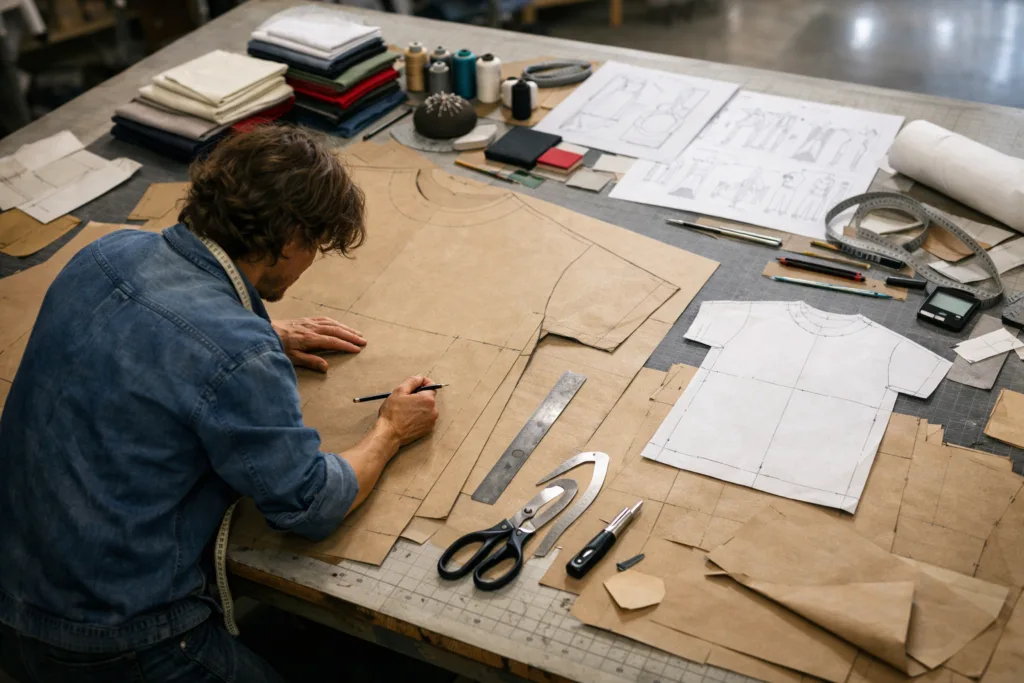
Pattern makers adjust oversized t shirts by extending body width, adjusting sleeve drop, and tweaking neck rib proportions. Regular fit patterns concentrate on symmetry and contour. Both require special attention during tech pack development for custom projects.
Pattern fit issues often lead to costly rework. See How to Avoid Costly Garment Pattern and Fit Revisions in Apparel Production for practical solutions.
Ninghow Insights: Shop Floor Stories on Fit Trends
From the Ninghow manufacturing floor, fit accuracy is a persistent issue—especially for new brands testing oversized t shirt silhouettes. It’s common to see clients request extra samples, change their minds on sleeve length, or adjust after live trials. Best practice: invest early in clear size spec sheets and require pre-production prototype approval for each fit type.
The Role of GSM and Weight in T-Shirt Fit
GSM (grams per square meter) indicates fabric weight. Oversized t shirts often use 200–280 GSM for structure, regular fit t shirts range between 140–180 GSM for flow. Weight impacts drape, resilience, and even shrinkage risk.
Layering Potential: Styling Crossovers
Oversized t-shirts layer easily over tanks, long sleeves, or under jackets. Regular fit t-shirts are suited for base layers under hoodies, blazers, or vests. This flexibility drives their adoption in multi-piece outfit planning.
Production Flow: Sampling and QC Tips
Efficient sampling is essential for fit verification. Ninghow recommends using digital fitting tools and iterative prototypes. For both oversized and regular fits, consistent quality checks at every stage—cutting, stitching, pressing—are necessary to avoid size drift and inconsistency.
Stitching and Construction: Durability Factors
Oversized t shirts need strong shoulder and side seam stitching; heavier fabric demands reinforced construction. Regular fits prioritize neat seams and minimal bulk. Quality factories deploy automated seam strength tests and visual inspections to catch issues early.
Consumer FAQs: Common Questions About Oversized and Regular Fits
Buyers are often confused about sizing, shrinkage, styling, and compatible layering options. Brands are wise to clarify their fit definitions and care instructions.
Bulk Ordering Considerations for Brands
Ordering both fits for retail requires careful planning. Oversized t shirts may have higher average fabric costs. Proper mix ratios prevent overstock or missed sales.
Styling Guide: When to Choose Each Fit
Use oversized t shirts for trend-driven, comfort-first messages or unisex collections. Regular fits work for timeless, office-ready, or athletic lines. Smart brands combine both in seasonal drops.
Gender Neutral Dressing: Unisex Trends
Oversized t shirts drive unisex dressing, making them ideal for modern retail. Regular fits are becoming gender-neutral as well, with modified cuts and branding.
Sustainability and Sizing: Eco-Fabric Insights
Sustainable fabrics for oversized t-shirts must balance comfort, structure, and minimal environmental impact. Organic cotton, recycled blends, and OEKO-TEX certified knits are popular. Size consistency is key to reducing returns and waste.
Retail Data: What’s Selling Now?
Market data shows oversized t shirts fueling growth in streetwear and youth collections. Regular fits lead in classic and corporate sales. Both fits trending upward globally, influenced by social media and influencer “fit check” culture.
Oversized vs Regular Fit T-Shirts
Choosing between oversized vs regular fit t-shirts depends on your needs—trend-driven styling, comfort, layering options, and manufacturing realities. Smart brands are blending both in their collections, using fabric innovation and pattern accuracy to deliver reliable, stylish options for every season.
Conclusion & Key Takeaways

Oversized vs regular fit t-shirts are not just about size—they’re about condition, fabric, function, and ongoing trend direction. Oversized t shirts bring comfort, edge, and flexibility, while regular fits keep things classic, professional, and adaptable. Both require careful attention during manufacturing for consistent quality and sizing. Whether you’re shopping, designing, or sourcing, understanding the nuances across fit types gives you a sharper edge in today’s apparel landscape.
Frequently Asked Questions
Can I make a regular fit t-shirt oversized by sizing up?
No, true oversized t-shirts have specific patterns that create wider silhouettes and dropped shoulders. Sizing up a regular fit will not deliver the same look or comfort.
Do oversized t-shirts shrink more than regular fit?
Shrinkage depends mainly on fabric type and finishing, not on the fit. High-quality oversized and regular fit t-shirts from reputable manufacturers typically use pre-shrunk materials.
What is the best fabric for oversized t-shirts?
Heavier GSM cotton and jersey knits are ideal for oversized t-shirts, providing structure without excessive weight. The right knit helps avoid drooping and maintains a clean silhouette.
How can manufacturers ensure consistent sizing for oversized fits?
By using precise pattern grading, clear size spec sheets, and iterative sampling, manufacturers reduce inconsistencies. Regular QC checks during production also help prevent size drift.
Are oversized t-shirts suitable for all body types?
Yes, oversized t-shirts are designed to be inclusive and comfortable across a wide range of body types. They offer extra volume for relaxed styling and easy layering.
Can regular fit t-shirts be worn in trend-driven outfits?
Absolutely. Regular fit t-shirts remain versatile for layering and styling within both classic and trendy ensembles. They’re timeless and adaptable for diverse occasions.
Related Reading
- Complete Fabric Comparison: Cotton, Slub & Jersey Explained
- The Premium Private Label Clothing Manufacturer’s 29-Step Quality Checklist
- Labeling Secrets: Master Essential Garment Regulations
- Choosing Air vs Sea Shipping: Cost, Speed & Strategy Guide
- Sustainable Fabrics 101: Your Practical Guide to Smarter Apparel Sourcing
