


1. Introduction: Why MOQ & Lead Time Matter in Sustainable Fashion
For B2B buyers, understanding MOQ (Minimum Order Quantity) and lead times is essential—especially in the realm of organic cotton clothing production. These two elements affect cost, efficiency, scalability, and most importantly, how quickly and responsibly your brand can respond to market demands.
In this guide, we break down what MOQ and lead times mean in the sustainable apparel industry, why they matter, and how you can work strategically with your supplier to optimize both.
2. What is MOQ in Organic Cotton Clothing?
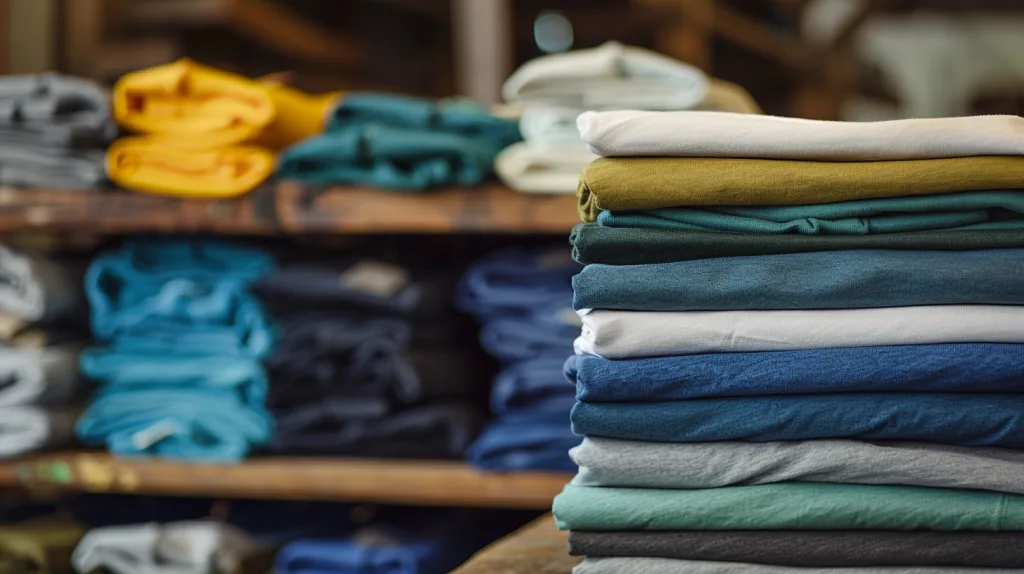
MOQ stands for Minimum Order Quantity—the smallest number of units a manufacturer is willing to produce in one order. In organic cotton clothing, MOQ is often set to:
- Offset higher fabric costs
- Meet supplier efficiency thresholds
- Ensure profitability in small-batch production
For example, some factories may set a MOQ of 300–500 pieces per style, while others like Ninghow offer no-MOQ options to support smaller or growing brands.
3. Types of MOQ: Fabric MOQ vs. Style MOQ
There are typically two categories of MOQ in sustainable clothing production:
- Fabric MOQ: The smallest quantity a mill will weave or dye a custom organic fabric. Usually ranges from 500–1,000 meters.
- Style MOQ: The number of units per design, size, and color you need to meet. This could be as low as 100 units for common fabrics or 300 units for custom-dyed items.
Knowing the difference helps in negotiation and planning.
4. Factors Affecting MOQ for Sustainable Apparel
Several key factors influence MOQ levels:
- Fabric Availability: Custom-dyed or rare weaves have higher MOQs.
- Factory Capacity: Larger factories may not accept small orders.
- Trims and Accessories: Custom zippers, buttons, or labels often have bulk MOQ requirements.
- Certifications: GOTS-certified organic materials sometimes require full-batch processing.
- Sewing Complexity: The more technical the garment, the higher the production threshold.
5. How to Lower MOQ Without Sacrificing Quality
Reducing MOQ is possible—if you strategize:
- Use stock organic fabrics rather than custom-dyed options
- Consolidate styles using the same fabric and trims
- Partner with low-MOQ factories like Ninghow
- Accept partial deliveries or use pre-order models
These strategies help maintain quality while keeping inventory risk low.
6. What Is Lead Time in Organic Cotton Manufacturing?
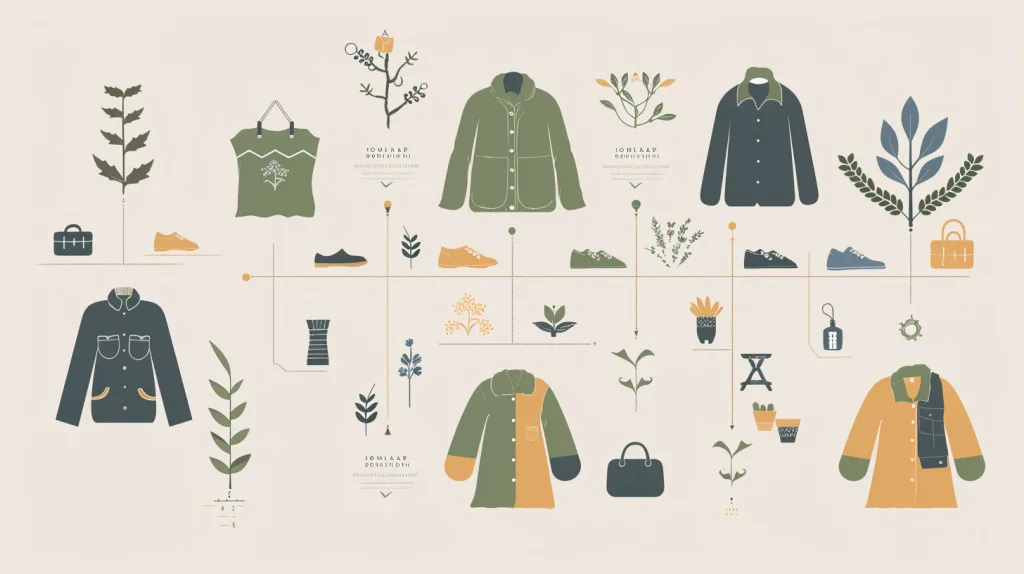
Lead time refers to the period from order placement to delivery. For organic cotton apparel, lead times vary depending on production scale and customization.
Typical lead time stages:
- Sampling: 7–14 days
- Bulk Fabric Procurement: 2–4 weeks
- Cutting & Sewing: 2–6 weeks
- Finishing & Quality Control: 1 week
- Shipping & Logistics: 1–3 weeks (depending on location)
Total: 6–12 weeks for standard orders.
7. Key Stages in the Lead Time Timeline
Let’s look deeper into each stage:
- Tech Pack Submission: Your designs and specifications are finalized.
- Sample Approval: Physical samples are made and reviewed.
- Material Booking: Fabrics and trims are secured.
- Production Begins: Cutting, stitching, and assembling.
- Quality Checks: Measurements, labeling, and compliance audits.
- Packing and Dispatch: Ready for export.
8. Factors Influencing Lead Times in Organic Cotton
What can delay production?
- Raw material shortages (especially custom fabrics)
- Holidays or factory overloads
- Shipping disruptions (port congestion, customs delay)
- Certifications and audits (GOTS, OEKO-TEX)
Proactive planning and transparency with your supplier can prevent most delays.
9. How to Shorten Your Lead Time
Here’s how to work faster and smarter:
- Finalize your tech pack early
- Use readily available organic fabrics
- Confirm trims and accessories upfront
- Maintain good communication with your supplier
- Choose air freight for urgent shipments (costlier but faster)
A reliable partner like Ninghow can pre-book capacity to minimize delays.
10. Balancing MOQ and Lead Time: What Buyers Need to Know
Often, lower MOQ comes with longer lead times, while large orders are prioritized for faster production. Striking the right balance means:
- Aligning order size with seasonal demand
- Using flexible production windows
- Avoiding over-customization unless needed
Ask for production forecasts and rolling timelines to plan smartly.
11. How to Manage Production Schedules with Your Supplier

Here’s a step-by-step guide for B2B buyers:
- Set a seasonal calendar: Align production with marketing cycles.
- Pre-book materials: Especially if using custom-dyed fabric.
- Lock production slots: Ask your factory to reserve capacity.
- Build in buffer weeks: Account for delays in shipping or inspection.
- Use software or shared sheets: Collaborate in real-time.
Consistent communication ensures both MOQ and lead time expectations are met.
12. Common Mistakes in MOQ and Lead Time Negotiations
Avoid these pitfalls:
- Ignoring sample approval times
- Requesting fabric that’s not in stock
- Placing late orders before peak seasons
- Not asking about hidden MOQs (like dye lot minimums)
Clarity and planning are your best tools.
13. Case Study: How Ninghow Helps Brands Scale with No MOQ
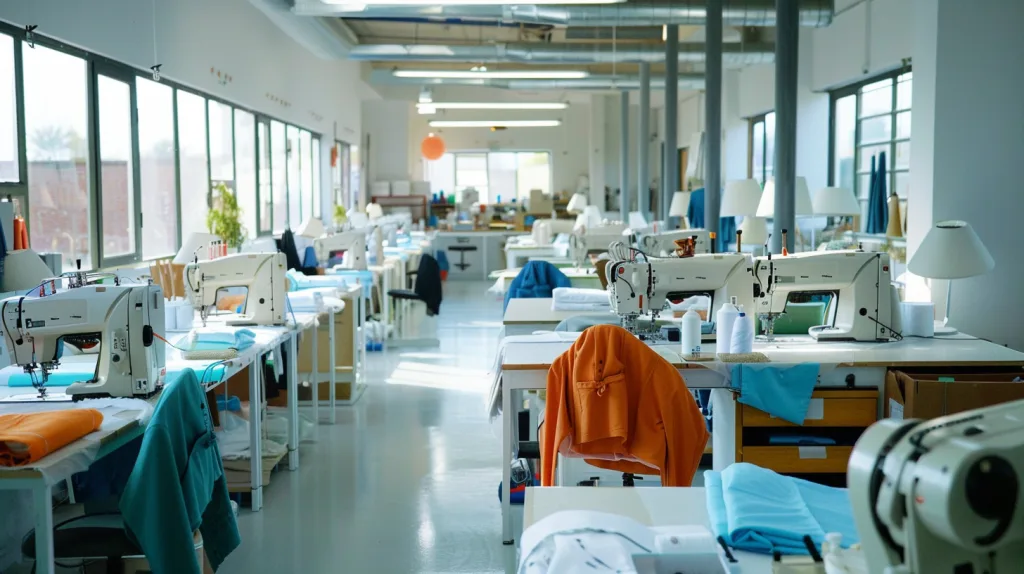
At Ninghow, we specialize in no-MOQ production for organic cotton apparel. Whether you’re launching with 50 units or scaling up to 5,000, we:
- Offer stock fabrics to eliminate fabric MOQs
- Maintain short lead times through dedicated production lines
- Support rapid prototyping and sampling
- Provide flexible shipping options for small batches
This empowers small brands to grow without inventory risk.
14. Recommended Practices for New Fashion Startups
If you’re new to sustainable fashion:
- Start with 1–2 styles using stock fabric
- Partner with low-MOQ manufacturers
- Test the market with pre-orders or small drops
- Focus on simple construction for quicker turnarounds
- Choose a supplier that offers transparency and consultation
This lowers your upfront investment and accelerates your learning curve.
15. Final Checklist for B2B Organic Cotton Orders
Before you place your next order:
- Finalize your tech pack (measurements, trims, labels, stitching details)
- Confirm MOQ with supplier for each style, color, and size
- Select stock or custom organic fabric and verify availability
- Approve pre-production samples (PPS) and document all changes
- Review production timeline with lead time stages clearly mapped
- Book logistics and plan for shipping buffer time
- Verify all certifications if needed (GOTS, OEKO-TEX, etc.)
- Align payment terms and production start date
Use this checklist to streamline your next production round and minimize costly delays.
📌 FAQ: Common Questions About MOQ and Lead Times in Organic Cotton Production
Q1: What is the typical MOQ for organic cotton clothing?
Most manufacturers set the MOQ between 300–500 units per style. However, suppliers like Ninghow offer no-MOQ production, ideal for startups or small batch testing.
Q2: Why is MOQ higher for organic cotton than regular cotton?
Organic fabrics often require special sourcing and certified processes, which increase fabric and production costs. Mills may also impose higher MOQs for custom dyeing.
Q3: How long is the average lead time for organic cotton apparel?
Standard lead times range from 6 to 12 weeks, depending on fabric availability, complexity, and shipping method.
Q4: Can I reduce lead times if I use stock fabrics?
Yes. Using ready-to-use organic fabrics can reduce your lead time by 2–4 weeks, especially if sampling and approvals are completed early.
Q5: What are the risks of placing small orders with tight deadlines?
You may face limited fabric options, longer production queues, and less priority from the factory—especially during peak seasons.
Q6: How can I build a long-term relationship with an organic cotton supplier?
Maintain clear communication, plan orders in advance, and stay flexible with lead times. Regular collaboration fosters trust and better scheduling.
