

Introduction: Why Performance Matters in Moisture-Wicking Golf Polos for Teams and Brands
When teams, clubs, or brand managers start sourcing moisture-wicking golf polos for their organizations, the stakes are high. You’re not just choosing a shirt—you’re selecting a product that must perform under pressure, project a unified look, and stand up to heavy use. The right golf polo affects comfort, confidence, and even brand reputation. But with so many suppliers touting “performance” and “breathability,” how do you look past the marketing and judge what truly matters for bulk orders?
For a more focused look at production capabilities, see exploring reliable manufacturers for moisture-wicking polos. This resource provides manufacturing criteria and category knowledge tailored for teams and brands evaluating next steps in apparel sourcing.
Understanding the Core Attributes of Moisture-Wicking Golf Polos
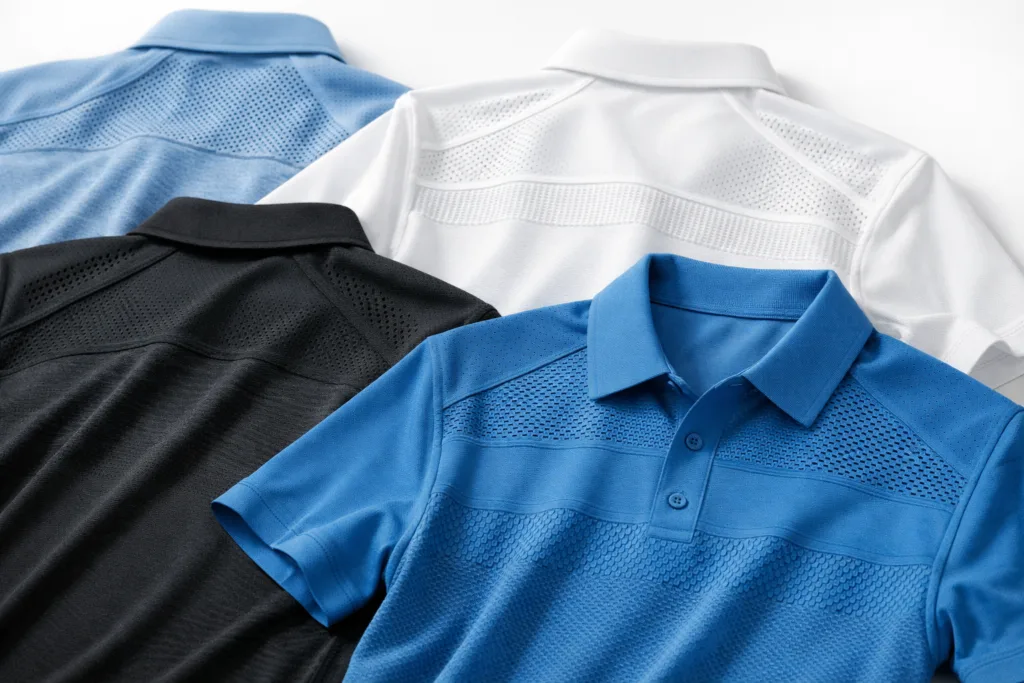
A performance golf polo should do more than look good—it needs to manage sweat, endure repeated washes, and display your team’s colors proudly. Here’s what every buyer needs to check before placing that bulk order.
Fabric Structure: The Foundation of Performance
The first layer of judgment starts with fabric structure. Good moisture-wicking golf polos use technical knit constructions, like micro-piqué or mesh-backed interlocks, designed to pull sweat off the skin. The best-performing fabrics use multi-filament synthetic fibers—think high-grade polyester, poly blends, or “cool” proprietary yarns. When reviewing supplier samples, stretch the fabric gently: it should recover well, feel light, and not sag. Poorly structured polos often cling or lose shape after laundering, signaling weak fiber or subpar knitting techniques.
Breathability and Airflow: Beyond the Hype
It’s not enough for a shirt to wick moisture; it must also allow air circulation. Look for open-knit patterns, micro-mesh panels, or laser-cut ventilation zones. Brands like Ninghow regularly test mesh positioning during development: pattern placement can dramatically influence airflow, especially across the upper back and underarms—critical areas for athletes and on-course comfort. Request fabric breathability data (e.g., measured in CFM—cubic feet per minute) and verify in-person by feeling for airflow against your skin. Reliable manufacturers will have both lab specs and user trial feedback.
Quick-Dry Performance: Testing Beyond Marketing Claims
Quick-dry capability is directly tied to both fiber composition and finishing. True performance polos dry within minutes after a moderate sweat—not hours. Quality control teams at top suppliers will time moisture evaporation rates and simulate repeated wash-dry cycles before approving a polo for bulk runs. Confirm with your manufacturer if bulk samples are washed and dried under controlled tests; request results if available. Poor quick-dry properties often reveal themselves post-shipping, so due diligence up-front is worthwhile.
Fit Consistency: Sizing for Teams, Uniformity for Brands
Team apparel demands uniform sizing; minor inconsistencies undermine a professional look and cause complaints. Ask about size grading tolerance (the allowed deviation in chest, length, sleeve), and whether the supplier controls shrinkage through pre-shrinking or post-production steaming. A manufacturer like Ninghow will often run pilot-size sets and provide fit photos or mannequins for approval. This reduces surprises when bulk goods arrive and improves team satisfaction across all body types.
Color Consistency: Staying True to Brand Identity
Bulk sportswear orders live or die by color stability. Color must stay vibrant wash after wash, and—most crucial—must match the original “approved lab dip” and logo standards across every size. Buyers should always request AATCC/ISO-approved color fastness test results and examine large, bulk-dyed lots of fabric for shade consistency. For team branding, even slight shade differences across sizes risk a mismatched look on game day photos. Flag this early with your supplier and insist on real samples from production rolls, not showroom swatches.
Print and Embroidery Compatibility: Logo Longevity
The best golf polo fabrics are specifically engineered for print and embroidery work. Not all synthetics take well to inks or thread—some snag, bleed, or pill. Check with your supplier how their polos behave with both screen/digital printing and embroidery. Ask to see finished logos under stretch and after repeated laundering. For teams and brands, logo sharpness over time equals brand value. Manufacturers may suggest backing material or choose specific thread weights for stability—don’t overlook these details.
Bulk Order Consistency: Avoiding Run-to-Run Surprises
One-off samples may look perfect, but consistency across thousands of shirts is a true production test. Request info about batch controls: are rolls color-matched by lot? Are panels cut from the same direction (to avoid shading)? Reputable manufacturers maintain logs tracing every batch’s yarn lot, dye date, and cut order. During audits, it’s common for factories to line up size sets side-by-side before packing—to verify uniformity in color, fit, stitching, and logo placement. As one Ninghow production manager notes, “We’ve seen how skipping this step quickly leads to costly mismatches.”
Moisture-Wicking Golf Polos for Teams and Brands: What Buyers Should Check Before Ordering
This section distills the most essential checkpoints for brands, events, and club managers evaluating moisture-wicking golf polos at scale:
- Fabric Analysis: Inspect knit type, fiber content, and weight for athletic performance and touch.
- Lab Testing: Insist on verified moisture-wicking, breathability, and colorfastness scores from independent labs.
- Logo Techniques: Test your chosen decoration (print, embroidery) for sharpness after wash cycles.
- Size Calibration: Approve real-size runs, laid out side-by-side for pattern accuracy.
- B2B Production Samples: Demand production samples from actual bulk lots, not only showroom pieces.
- Bulk Roll Audits: Investigate the supplier’s process for checking color, cut, and trim consistency in real time.
These steps, while demanding upfront, prevent frustration and added costs after delivery.
Case Study: Typical Testing Protocols at Leading Golf Polo Factories
Consider how a seasoned manufacturer, like Ninghow, runs baseline batch controls for performance polos:
- Pre-Production Sampling: Trial fabric and fit sets shipped for client sign-off.
- In-Line Inspections: Randomly sampled panels checked for shade and measurement consistency before assembly.
- Final QC Rounds: Finished polos reviewed for print/embroidery stretch, color uniformity, and correct trim attachment.
This workflow guards brand reputation—and reduces rework costs—by catching issues before shipment.
Common Pitfalls When Sourcing Performance Golf Shirts
Based on buyer and factory feedback, the following sourcing mistakes are most common:
- Choosing based on hand-feel only—ignoring sports-specific performance metrics.
- Failing to test bulk samples under realistic laundering or wear conditions.
- Assuming color accuracy between showroom swatches and mass production units.
- Overlooking logo compatibility—not all polys accept every type of print or thread equally.
- Skipping the verification of sizing tolerances in actual bulk production.
Key Buying Tips from a Manufacturer’s Perspective
Buyers gain an edge when they approach orders with a factory mindset:
- Request full test reports—especially for moisture management and colorfastness.
- Validate production samples under artificial sweat and repeated washing/ironing cycles.
- Confirm that your logo technique is pre-approved, and not just technically possible.
- Set agreement for bulk order audits: be clear on tolerances for shade, size, and trims.
- Discuss packaging options upfront for bulk logistics and brand presentation.
How to Work with Manufacturers for Smarter Golf Polo Orders
Proactive communication streamlines results. Send tech packs, logo files, and color references early. Request pre-production proofing of both blank shirts and decorated samples. Be direct about your event or team timeline, factoring in time for revisions, shipping, and customs (if overseas). Clear documentation now prevents delays and disputes later.
Red Flags in Bulk Performance Polo Orders—and How to Avoid Them
Some warning signs during supplier review include:
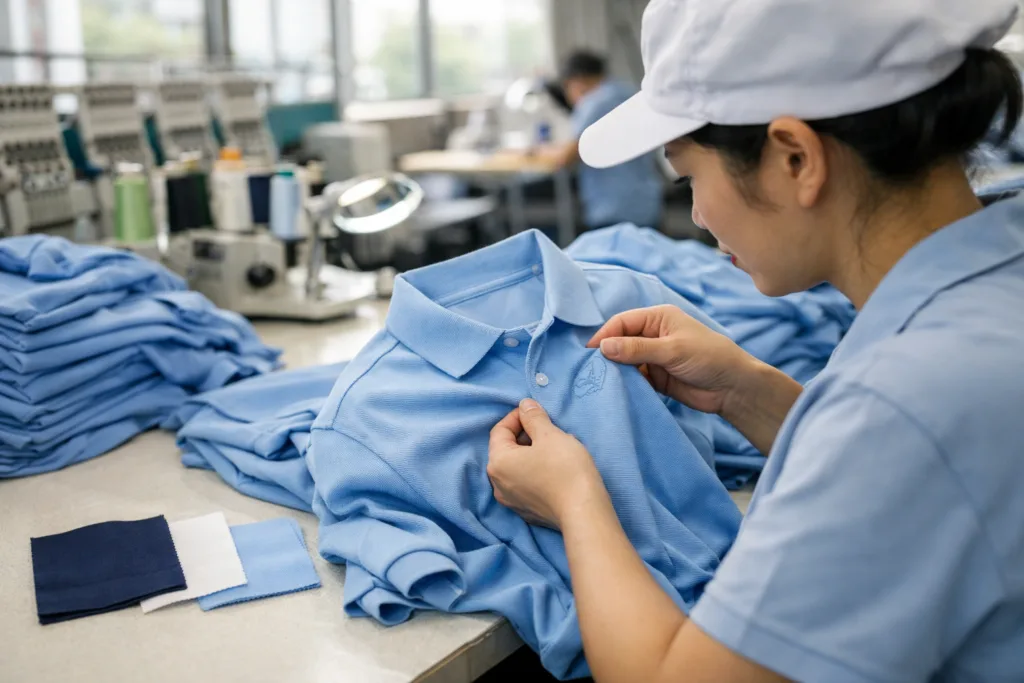
- Unwillingness to share internal QC data or size tolerance specs.
- Lack of on-site photos/videos showing actual golf polo bulk production.
- Too-broad product range without focused expertise in sports apparel.
- Vague answers about logo durability, shade consistency, or fabric brands used.
Sticking with specialized suppliers minimizes these risks. It’s also wise to check references or review prior large project outcomes.
Industry Trends: Sustainability and Recycled Fabrics in Performance Polos
Today’s teams and brands increasingly ask about recycled polyester, eco-dyes, and water-saving knitting processes. Modern factories will note what percentage of their production uses Oeko-Tex or GRS (Global Recycled Standard) certified materials. While sustainability features are steadily improving, always check that function (wicking, color, print) is not sacrificed for a green label. Thorough lab testing and real-life athlete trials remain standard practice for any new sustainable line.
Integrating Your Golf Polos with Overall Team Apparel
For those building a wider kit—shirts, shorts, outerwear—ensure your golf polos align in both construction and shade. Many manufacturers can produce full looks using base-dyed fabrics from the same batch, which supports consistency. Bulk buyers should coordinate all items in the initial tech pack and request cross-matching of garments during final QC. Consistency across product lines communicates professionalism for clubs, brands, and corporate teams alike.
Budget Planning: Factoring in All True Costs
When running calculations, include hidden costs such as: logo setup fees, roll-to-roll color matching, custom trims, packaging, duties, and shipping. Ask for detailed quotes breaking out each component. In B2B projects, a slightly higher per-unit price for robust QA and color management often reduces overall expense by eliminating rejects or costly after-shipment fixes.
Why Communication and Clear Specs Make or Break Apparel Orders
The more detail provided on initial specs, the smoother your order will go. Leading factories appreciate receiving color PMS codes, logo placements, minimum lab requirements, target measurements, and references to past best/worst experiences. This clear documentation keeps all parties aligned. Regular progress updates—photos, batch swatches, production videos—are hallmarks of a responsive, experienced producer.
Sample Approval: Don’t Rush This Step
No matter the size of your order, approve both blank samples and decorated prototypes. Layer fit checks (chest, sleeve, hem) with immediate wear tests for drying and comfort. It’s better to spend extra days on sampling now than deal with 500+ misaligned polos on delivery day. Approving only showroom or display pieces can hide inconsistencies in real, bulk fabric runs.
Working with Overseas Polo Manufacturers: What to Know
For teams and brands ordering from abroad, ask about language clarity, compliance with international labeling/laws, and shipping lead times. Reliable exporters will manage customs paperwork and share anticipated port delays. Set milestones for photo-based pre-shipment checks and random final inspections by your local agent, if available. Consistent, predictable lead times matter as much as price when prepping for seasonal events or launches.
Final Inspection and Delivery: Wrapping Up With Confidence
Pre-shipment inspection should cover color, decoration, size sets, labels, and packaging. Many professional buyers require a randomly sampled portion of goods for final approval. Insist on packed and un-packed sample views—this often catches stray defects or poor folding/presentation. If in doubt, video calls with factory QC teams offer firsthand validation before the goods leave the warehouse.
Comparison Table: Performance Factors in Moisture-Wicking Golf Polos
| Factor | Why It Matters | How to Check |
|---|---|---|
| Moisture Wicking | Keeps wearer dry on course | Lab test, actual sweat trial |
| Breathability | Prevents overheating | Yarn structure, mesh zones |
| Quick Dry | Allows fast reuse | Wash & wear time measurement |
| Color Consistency | Protects brand image | Bulk shade rolls, fastness test |
| Logo Adaptation | Ensures long-term identity | Logo stretch/wash tests |
| Fit Uniformity | Keeps teams looking sharp | Side-by-side size run check |
| Bulk Consistency | Avoids shipment surprises | Random batch audit before ship |
Internal Standards, Certifications, and Testing to Request
For professional assurance, request documentation for:
- AATCC 197/ASTM E96: Wicking/breathability
- ISO 105-C06: Colorfastness (washing, light, sweat)
- Oeko-Tex/GRS: Eco/safety certifications
- Relevant logo printing/embroidery process reports
Suppliers who can readily deliver these documents often demonstrate mature QC and process discipline—a key buy signal.
Extra Resources for Team and Brand Decision-Makers
For more on the commercial side of selection, see what brands look for in golf apparel and design secrets for custom team polo shirts. Each resource gives deeper insight into style choices, branding, and bulk coordination—useful before your next major apparel order.
Conclusion: Smart Sourcing Secures Team & Brand Confidence
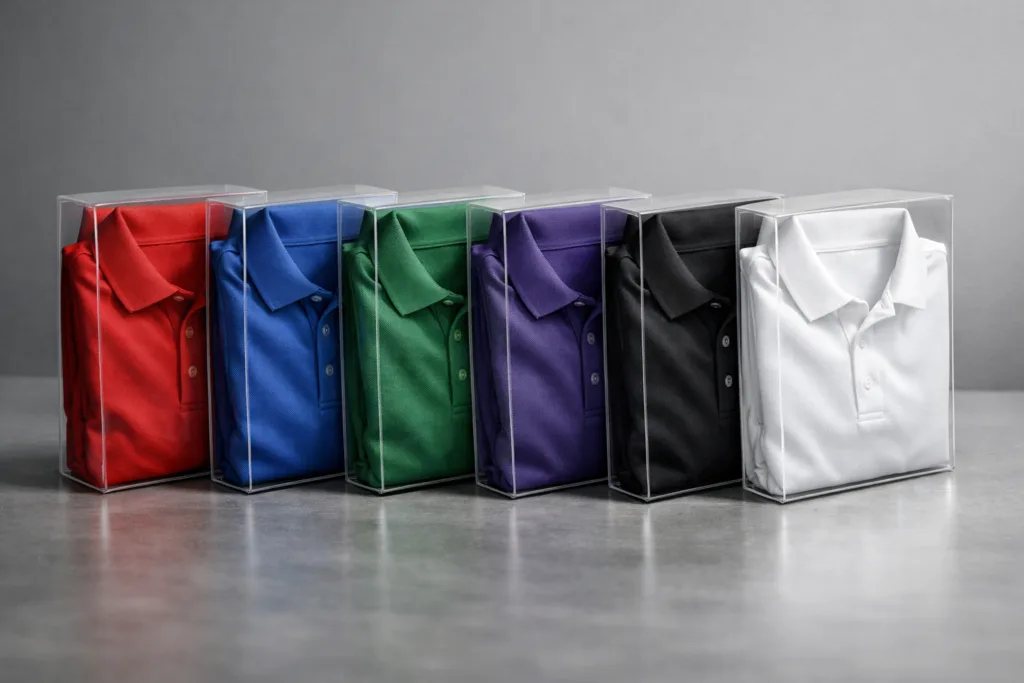
The right moisture-wicking golf polos deliver not just comfort and sharp looks—they reflect on your team or brand long after the first game. When you judge options by fabric performance, consistent color, fit, and logo longevity, you reduce surprises and boost satisfaction. Working closely with experienced factory partners, prioritizing real bulk samples, and documenting every requirement upfront are the keys to finishing each order strong. With quality checks and open dialogue, you build apparel programs that win on and off the golf course for years to come.
Frequently Asked Questions
What fabric is best for moisture-wicking golf polos?
Performance-oriented polyester blends, especially with micro-piqué or mesh knits, offer top moisture wicking and quick drying ideal for golf polos.
How can I confirm color consistency in a bulk order?
Request large-scale lab dips and production samples, and verify colorfastness tests on actual fabric rolls before bulk production starts.
Is it important to test logos on actual shirt fabric?
Absolutely. Always test print and embroidery techniques on the real bulk fabric to ensure stability, stretch resistance, and sharpness over repeated washes.
What certifications should bulk golf polo manufacturers have?
Look for suppliers able to provide AATCC/ASTM moisture, colorfastness test reports, and, where relevant, Oeko-Tex or GRS certifications for safety and sustainability.
How do I ensure sizes are consistent for team orders?
Request physical fit samples from bulk production, and review side-by-side size sets for key dimensions like chest, body length, and sleeve.
What is the most common sourcing mistake with performance golf polos?
The most frequent error is skipping real-world testing on production samples, especially for color, wicking, and logo durability.
