


Introduction: Why Low MOQ Clothing Manufacturing Matters for Startups
Launching a fashion brand or apparel line is no longer reserved for big budgets. Thanks to low MOQ clothing manufacturer options, startups and small businesses can produce customized garments with minimal risk and investment. Whether you’re creating a new T-shirt collection or testing a swimwear design, understanding low Minimum Order Quantity (MOQ) manufacturing is crucial. This article gives you a practical roadmap for choosing, collaborating, and thriving with low MOQ partners. We’ll break down key concepts, pros and cons, supplier strategies, and essential manufacturer truths for startup success.
What Does MOQ Mean in Clothing Production?
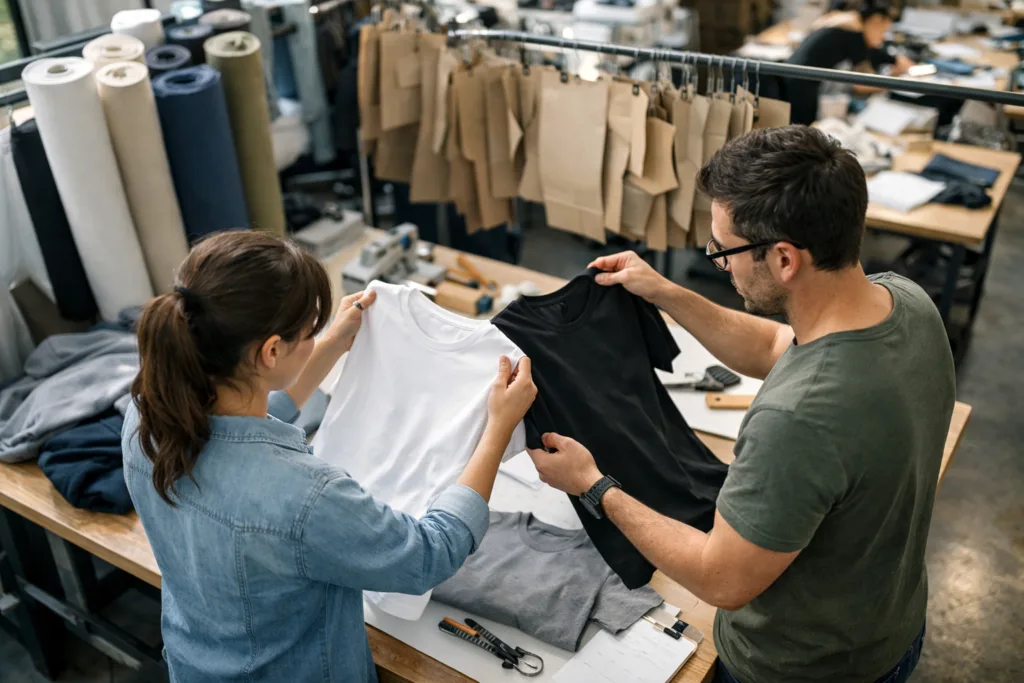
MOQ stands for Minimum Order Quantity—the smallest quantity of units a manufacturer will accept in a bulk order. For apparel startups, low MOQ solutions typically range from 50 to 300 pieces per style, allowing new brands to test markets without tying up major capital.
Why Startups Need Low MOQ Clothing Manufacturer Solutions
Startups operate with limited resources. Low MOQ manufacturing lets them experiment, refine fit, and gauge demand before scaling up. It also minimizes excess inventory and helps maintain healthy cash flow.
Differences Between Standard and Low MOQ Orders
- Standard MOQs: 1,000–5,000 units/style; often required by large factories.
- Low MOQs: 50–300 units/style; favored by flexible, startup-friendly factories.
How Low MOQ Clothing Manufacturing Works
Low MOQ production adapts traditional manufacturing methods for smaller, custom runs. Factories optimize fabric usage, streamline workflow, and often use semi-automated setups to meet startup needs. Many manufacturers now offer digital tech packs, virtual sampling, and rapid prototyping to reduce costs and lead times.
Key Steps in Low MOQ Clothing Manufacturing Explained
- Design finalization and sample approval
- Material sourcing (either stock or custom)
- Pattern-making and grading — learn more about fabric types and fits in exact scoop hem vs straight hem T-Shirt guide
- Bulk production with optimized workflow
- Quality checks, packing, and shipping
Benefits of Low MOQ Clothing Manufacturing for Startups
Low MOQ options offer huge advantages to new brands:
- Lower risk: Fewer unsold units, less capital exposure
- Fast market testing: Quick feedback and product iteration
- Flexible customization: Change styles, colors, or trims easily
- Affordable sampling: Try new ideas without committing to big production
Case Study: Startup Launch Success Using Low MOQ Clothing Manufacturer
A small swimwear brand needed just 120 units to test fit, fabric, and colors. Using low MOQ manufacturing, it adjusted design after customer feedback, avoided unsold inventory, and scaled up orders as demand grew. Learn to optimize fit and quality even further with this step-by-step swimwear launch guide.
Challenges: What Startups Should Know About Low MOQ Manufacturing
It’s not always easy. Low MOQ runs can mean:
- Higher per-unit cost: Smaller runs increase material and labor overhead
- Limited fabric options: Factories may only offer stock fabrics or colors
- More manual oversight: Sampling, approvals, and QC require attention
Common Setup Mistakes—and How to Avoid Them
- Inconsistent tech packs
- Imprecise fit requirements
- Ignoring sample feedback
- Skipping production QC
Mitigate risks by following manufacturer best practices. Monitor production at key checkpoints, and always review sample and bulk QC reports—see how quality control reporting templates can help prevent surprises.
Types of Low MOQ Clothing Manufacturer Options
There are several approaches:
- OEM (Original Equipment Manufacturing): Custom design for your brand
- Private Label: Factory designs with your label attached
- Ready-Made Garments (Stock Styles): Pick from pre-designed styles
Which Option is Best for You?
OEM suits brands wanting full customization, while private label and stock styles are quicker and less risky. Compare pros and cons with the mode comparison guide for custom vs private label.
How Factories Achieve Low MOQ Production
Garment factories optimize pattern templates, batch fabric cutting, and line balancing. They also integrate digital sample workflows and stock fabric programs to support small runs. Ninghow, for example, shares that accurate fit specs and clear tech packs dramatically reduce sampling times and minimize costly errors.
Typical Low MOQ Ranges by Category
| Category | MOQ (Units) | Notes |
|---|---|---|
| T-Shirts | 100–300 | Stock fabric preferred |
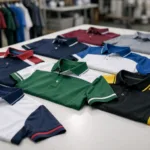
| Polos | 120–250 | Collar trim may limit options |
| Hoodies | 80–200 | Heavy fabric, fewer color choices |
| Swimwear | 50–150 | Stretch fabric impacts fit |
Process Overview: From Sampling to Bulk Production
Step 1: Finalize Design & Tech Pack
A clear tech pack lets manufacturers quote and plan efficiently. Precise measurement charts, fabric details, and trim requirements avoid costly miscommunications.
Step 2: Sampling & Fit Adjustments
Startups should always approve samples before bulk orders. Trial orders let you test factory quality and process reliability. Explore a full sampling workflow in this safe trial order process guide.
Step 3: Bulk Production Flow
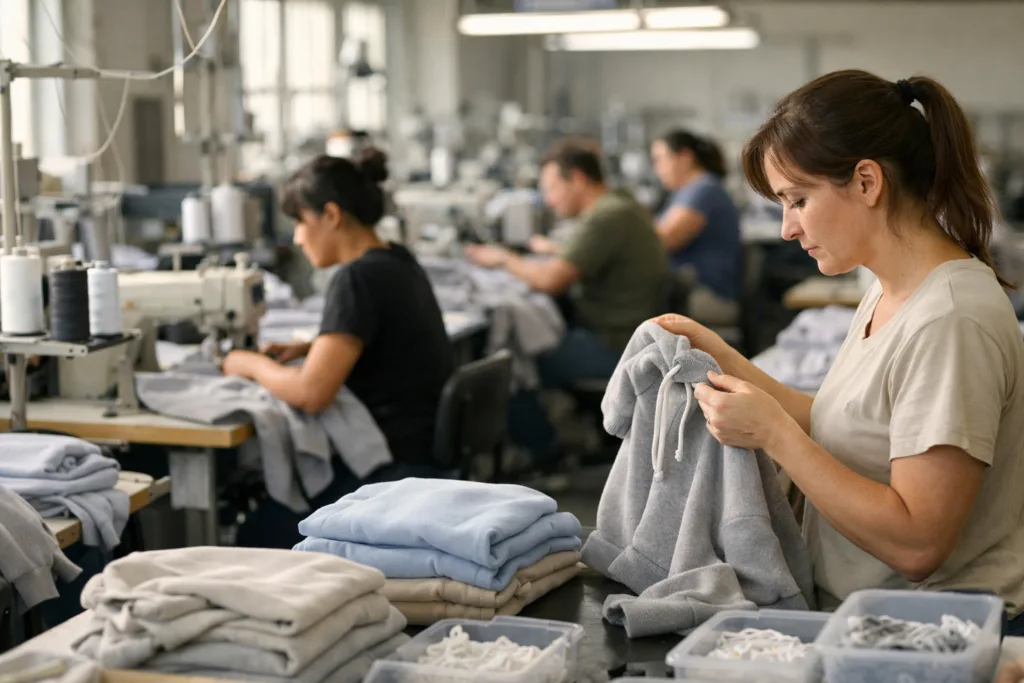
Once samples are signed off, production starts. Smaller runs move faster but may require more oversight. Periodic QC checks, clear labeling, and structured packing schemes ensure consistent quality.
Cost Structure in Low MOQ Clothing Manufacturing
Lower quantities tend to increase costs per item, as bulk efficiencies are less achievable. Material sourcing, labor, and setup fees may not be as spread out. Always compare unit costs vs projected sales—and consider flexible pricing if testing new designs.
How to Estimate Total Production Costs
- Material (fabric, trim, labels) per unit
- Sampling and pattern fees
- Labor (cutting, sewing, finishing)
- Packaging costs
- Shipping and customs
Lead Times: What to Expect with Low MOQ Orders
Low MOQ runs are generally faster but can face delays from fabric sourcing, sample revisions, or complex trims. A practical startup should expect:
- Sampling: 2–4 weeks
- Bulk production: 3–6 weeks
- Shipping: 1–3 weeks
Quality Control Strategies for Low MOQ Production
Quality assurance is crucial, especially with small runs where errors can be costly. Always verify sizing specs, construction, and print/embroidery details. Ninghow recommends a staged QC schedule—sample check, in-line inspection, final QC, and packaging audit.
Fabric Selection for Low MOQ Clothing Manufacturer Orders
Startups are usually offered stock materials. Custom fabrics and colors can raise MOQs. T-shirt and swimwear brands should prioritize material that offers consistent handfeel and performance. Learn about jersey knit and other options in this jersey knit fabric guide.
Labeling, Packing, and Compliance
Accurate label details, care tags, and packaging compliance are mandatory. Garments must meet regional requirements for fiber content, care, and import standards. Clear labeling prevents customs delays.
Shipping and Logistics for Low MOQ Orders
Startups often prefer express shipping for speed, although unit cost may be higher. Sea freight is more cost-effective if timelines allow. Match your delivery choices to product type and market demand.
How to Find Reliable Low MOQ Clothing Manufacturer Partners
Good factories are transparent with MOQ, lead times, and communication. Ask for references and recent production samples. Check social compliance documents and on-time delivery record, as outlined in sourcing guides.
Red Flags in Low MOQ Manufacturing: What to Avoid
Watch out for unclear pricing, vague QC procedures, and lack of transparency on material sourcing. Avoid manufacturers who hesitate to share sample schedules or refuse trial orders.
Low MOQ Clothing Manufacturing Explained: Key Takeaways for Startups
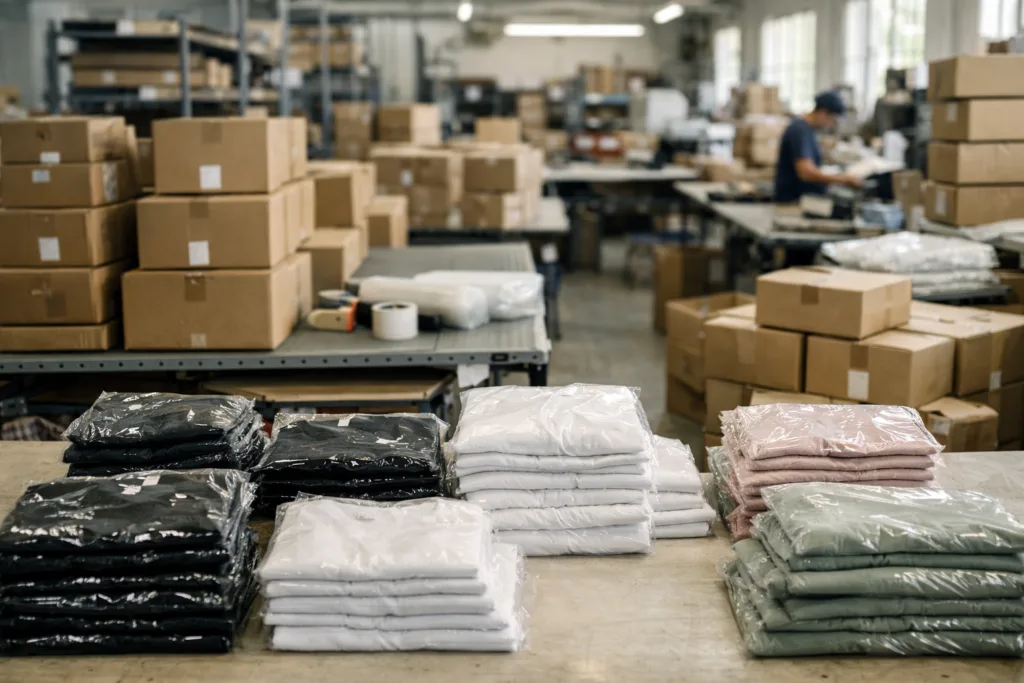
Low MOQ manufacturing empowers startups to launch, iterate, and grow with manageable risk. By embracing flexible production, careful sampling, and strong factory relationships, new brands can turn great ideas into sellable products without overcommitting resources. Always track fit, fabric quality, and QC, and use insights from each batch to fine-tune future orders. With clear communication and strategic planning, startups can compete and scale intelligently.
Frequently Asked Questions
What does “low MOQ” actually mean for apparel startups?
Low MOQ refers to minimum orders ranging from 50 to 300 units per style—ideal for testing the market or launching new designs without risking large investments.
Are per-unit costs higher with low MOQ clothing manufacturer orders?
Yes, smaller runs often mean higher per-unit cost due to reduced economies of scale. However, it’s balanced by lower upfront risk and less unsold inventory.
Can I choose any fabric and color with low MOQ?
Most factories limit low MOQ projects to stock fabrics and colors. Custom materials or unusual colors often require higher MOQs due to sourcing limitations.
How long does low MOQ apparel manufacturing take?
Sampling is 2–4 weeks; bulk production typically takes 3–6 weeks, and shipping adds 1–3 weeks depending on mode. Rapid communication helps speed up this process.
What should I check during quality control for low MOQ orders?
Review fit, stitching, fabric consistency, print/embroidery execution, labeling, and pack contents. Insist on clear QC reports and in-line inspections to minimize surprises.
How do I find a reliable low MOQ clothing manufacturer for startups?
Look for transparent MOQs, clear tech packs, reference samples, proven QC procedures, and open communication. Trial orders and production updates are also good indicators of reliability.
Related Reading
- Custom Clothing vs Private Label: Startup Strategy Essentials
- 25 Steps to Smart Factory Sourcing for New Apparel Brands
- Clear Answers on MOQ, Sampling, and Lead Times for Small Orders
- Unlock Factory Machinery and QC for Smarter Startup Orders
- How to Reduce Returns: Patterns, Packing, and Quality Control for New Brands