





Introduction: Jersey Knit Fabric—A Comfortable Revolution in T-Shirts
Jersey knit fabric: why it’s perfect for t-shirts isn’t just a trend—it’s an evolution in comfort and quality. If you’ve ever reached for your favorite tee and wondered why it feels so easy to wear, chances are, the answer is jersey knit. So, what gives this fabric its signature softness, flexibility, and widespread appeal in apparel manufacturing? Let’s unpack the structural advantages that make jersey knit the backbone of T-shirt comfort and style.
What Is Jersey Knit Fabric? Origins, Fiber Content, and Evolution
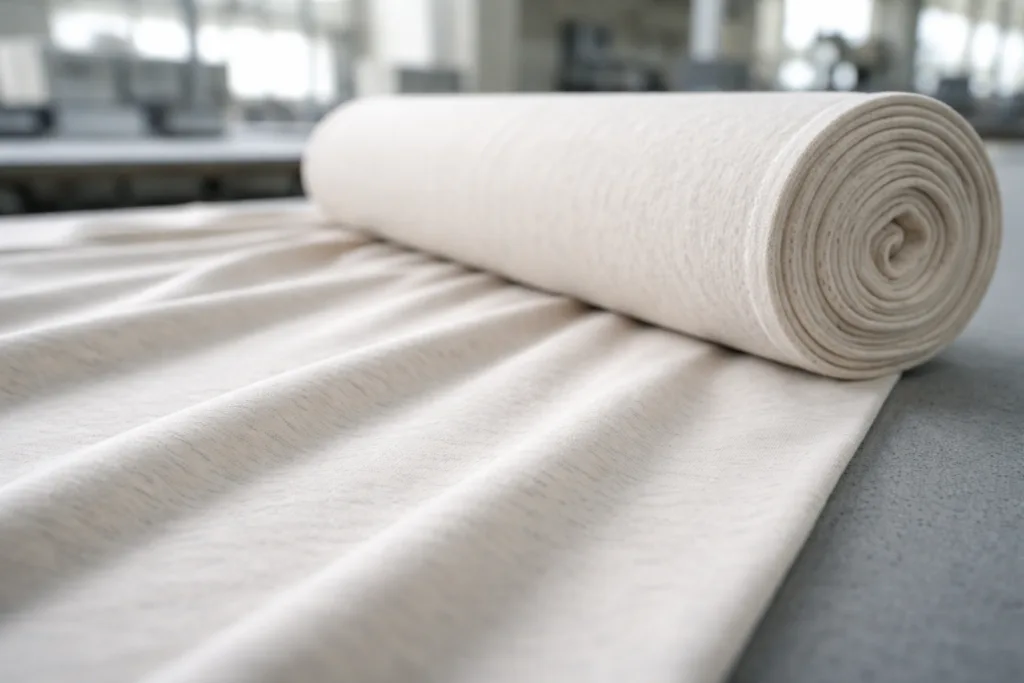
Jersey knit is a single-knit fabric originally crafted from wool on the Channel Island of Jersey. Today, it typically uses cotton, polyester, or blends. Its construction differs from woven fabrics: instead of crisscrossing threads, jersey knits involve a series of interlocking loops. This structure creates fabric with inherent stretch and softness, setting it apart from rigid weaves. The modern evolution has made it the go-to for casual and premium t-shirts alike. To compare with other common t-shirt fabrics, you might find A Manufacturer’s Guide: Comparing Cotton, Slub & Jersey for T-Shirts a helpful reference.
The Science Behind the Structure: Why Jersey Knit Feels So Good
The secret behind jersey knit lies in its looped construction. Unlike woven fabrics, which create stiff, flat surfaces, the single-knit technique forms horizontal rows of loops on one side and vertical ribs on the other. This grants a subtle elasticity, born from the natural give of the loops and the type of fibers used. Whether 100% cotton or a blend, the structural flexibility of jersey knit offers unmatched mobility, making it ideal for everyday wear.
Comparing Jersey Knit to Woven and Other Knit Fabrics
Jersey knit stands out for its unique properties. Compared with woven fabrics, jersey knit feels softer and more flexible. Even among knits, jersey has its own charm. For example, french terry and fleece offer greater thickness and insulation, while jersey remains lightweight and breathable—two must-have qualities for t-shirts.
| Characteristic | Jersey Knit | Woven Cotton | Fleece | French Terry |
|---|---|---|---|---|
| Texture | Soft, smooth | Crisp, flat | Brushed, plush | Looped, dense |
| Stretch | Moderate, crosswise | Minimal | Some, varies | Moderate |
| Breathability | High | High | Low-Moderate | Moderate |
| Weight | Light-Mid | Light-Mid | Mid-Heavy | Midweight |
Core Advantages of Jersey Knit Structure for T-Shirts
Natural Stretch and Recovery
The structure of jersey knit allows it to expand and return to its shape. This makes t-shirts more forgiving and less likely to bag out compared to rigid materials. The minute loops move with the body, improving fit and comfort.
Soft Handfeel—The Signature “Tee” Touch
Thanks to its single-knit process, jersey feels smooth on the outside and just as comfortable on the inward-facing side. This gentle touch is what makes jersey knits favored for next-to-skin garments.
Lightweight and Breathable
Jersey knit is known for allowing air to circulate. The loops and yarn configuration make it lighter and less dense, perfect for warm weather or layering.
Fabric Composition: Cotton, Blends, and the Power of Fiber Choice
Jersey knit is versatile—its performance can be dialed up or down depending on fiber selection. 100% combed cotton jersey is popular for luxury tees: it’s light, soft, and breathable. Cotton-poly blends add durability and wrinkle resistance, while “tri-blend” options (cotton, polyester, rayon) step up drape and softness even further.
Jersey Knit Weight and GSM: Finding the Right Thickness for Tees
Manufacturers measure fabric weight in grams per square meter (GSM). Lighter jerseys (120–150 GSM) are favored for athletic or summer shirts, while midweight varieties (160–180 GSM) are standard for everyday tees. Heavier jersey (190 GSM+) provides a structured fit and extra durability. When planning your own brand’s collection, consult specific guidelines for how GSM affects the final product’s feel and drape.
The Role of Knit Density and Yarn Count
Knit density—loops per inch—shapes how see-through, strong, or soft a jersey feels. Finer yarns yield lighter, silkier knits; thicker yarns give more body. As a garment manufacturer, Ninghow often sees brands request specific yarn counts for custom projects to hit their perfect balance of softness and opacity.
Edge Curling and Stabilization
Because of its structural loops, jersey knit fabric naturally curls at the edges. This can complicate cutting and sewing, but with the right stabilization methods, such as stay-stitching or interfacing, manufacturers ensure clean finishes and consistent shapes in t-shirt production.
Printability and Surface for Decoration
Unlike rougher or textured fabrics, jersey provides a smooth, level surface for screen-printing and embroidery. Designs come out crisp and colors stay vibrant, which is useful in custom merchandise and branded apparel. For more about apparel decoration and quality control, see The 2026 Print & Embroidery Quality Guide.
Durability, Pilling, and Longevity
Quality jersey knit resists pilling and withstands repeated washes, especially when using ring-spun, combed cotton or superior blends. Small adjustments in yarn type or knitting parameters can boost lifespan, making jersey a reliable canvas for year-round t-shirts.
How Structure Shapes Fit: Drape, Cling, and Recovery
The fluidity of jersey means it molds gently to the body—offering a relaxed fit without pulling or feeling sloppy. This is why designers favor jerseys for both slim-profile and classic-cut tees.
Stretch & Recovery: Why Your Tee Moves With You
Jersey knit’s natural elasticity lets t-shirts accommodate movement without restricting or warping. This “bounce-back” property is why jersey remained the backbone fabric for both fashion and athletic wear across decades.
Why Jersey Knit Breathes Better (Moisture, Air Flow)
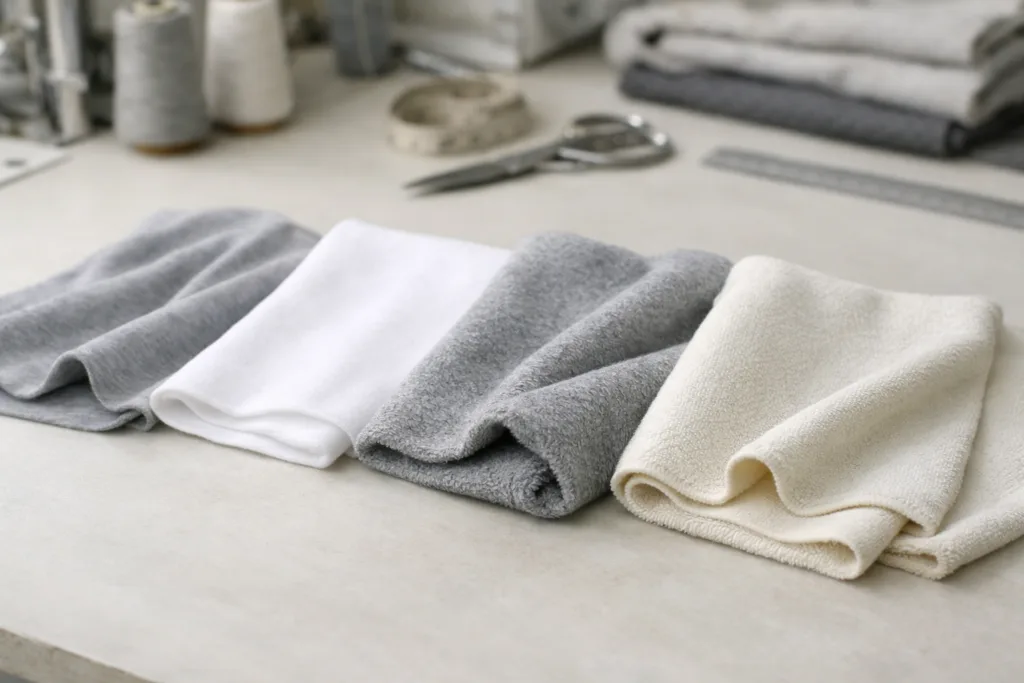
The open structure lets heat and moisture escape, so you stay cool during activity or in warm weather. Lightweight cotton jersey absorbs sweat, while poly blends wick moisture, adding to all-day comfort.
Shrinkage, Handling, and Care: Manufacturing Insights
Cotton-based jersey knit can shrink after washing—something manufacturers account for in patternmaking (usually allowing 3–5% shrinkage in their initial spec). Pre-shrinking treatments, garment washing, or blend choices limit unpredictable size changes. For production-focused best practices, factories like Ninghow test batches to confirm fabric stability before full-scale runs.
Jersey Knit’s Role in Sustainability
Eco-conscious jersey fabrics—like organic cotton or recycled blends—are now common. Jersey’s efficient knitting process reduces waste, and advancements in GOTS and OEKO-TEX certified supplies provide eco-friendly options. Learn more in A Practical Guide to Sustainable Fabrics for Apparel Buyers.
Jersey Knit for Fashion: From Everyday To Elevated
From classic basics to fashion-forward styles, jersey knit adapts to both everyday and premium label t-shirts. Features like garment washes, pigment dyes, and subtle slub textures add visual appeal while keeping the familiar comfort of jersey’s core structure.
Common Production Challenges and Solutions
Issues like edge curling, off-grain distortions, or uneven dye uptake can plague jersey manufacturing. Standard fixes include precision cutting, proper fabric resting before production, and quality trims that stabilize seams without stiffness. To reduce apparel returns based on quality flaws, solid QC routines are vital—see the industry tips in The Actionable Returns Reduction Playbook for Apparel Brands.
Pattern Making and Fit-Testing Jersey Tees
Unlike firm wovens, jersey knit responds differently to seams and tension. Skilled pattern-makers build in controlled negative ease, ensuring that tees fit well without overstretching or distortion after laundering. Extensive fit testing—often with real-wear trials—helps lock in consistent results batch after batch.
Jersey Knit Trims: Ribbing, Bindings, Necklines
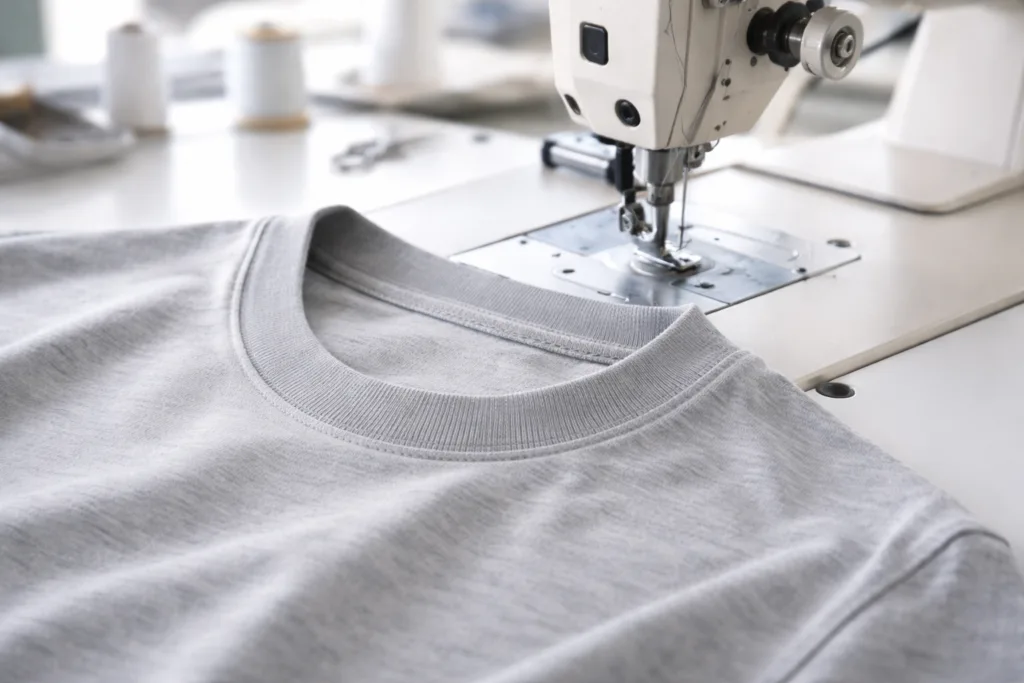
Details matter. Most t-shirts feature jersey or ribbed trims for necklines and sleeves. Matching the stretch and weight between body fabric and trim is essential; mismatches cause puckering or loose edges over time.
Colorfastness and Print Durability
Modern dyeing and finishing methods ensure jersey knits retain color despite frequent washing. High-quality dyes and controlled curing temperatures prevent fading, even on heavily-decorated tees. For more information on color control, visit Lab Dip Approval Simplified: 7 Steps to Reliable Color Control for Apparel Brands.
Quick Tips for Quality Control in Jersey Knit T-Shirts
- Always inspect fabric for evenness, loop structure, and smooth surface.
- Perform shrink and stretch tests before cutting.
- Finish edges promptly to prevent rolling.
- Check colorfastness, especially with multi-layer decorations.
Jersey Knit Fabric: Why It’s Perfect for T-Shirts
What makes jersey knit the winning choice? Its structural advantages—stretch, breathability, durability, and comfort—tie directly to how it’s made. Blend options and weights let you tailor performance from featherlight athletic wear to substantial streetwear. For t-shirts, there’s simply no substitute for the ease and style jersey provides.
Conclusion: The Future of T-Shirts Starts With Jersey Knit’s Structure
The structural advantages of jersey knit are why it remains the default for t-shirts—comfortable, resilient, and endlessly adjustable to trends in fit, color, and function. For those seeking consistent quality and wearable ease, its single-knit construction and fiber versatility deliver every time. Whether you’re a casual wearer or overseeing your own line’s production, understanding jersey’s core strengths is the key to making tees that last—and that people love to wear.
Frequently Asked Questions
What’s the main difference between jersey knit and woven fabric?
Jersey knit is made with interlocking loops, providing stretch and softness, while woven fabric uses crossing yarns, making it less stretchy and more structured.
Does jersey knit shrink after washing?
100% cotton jersey knits can shrink up to 3–5%. Pre-shrinking and fabric treatments help control this during manufacturing.
Is jersey knit good for screen printing and embroidery?
Yes, its smooth surface ensures clean prints and embroidery lines. Stabilizers may be used to keep designs sharp and avoid puckering.
What’s the ideal GSM for t-shirt jersey knit?
Most everyday t-shirts use 160–180 GSM. Lighter jerseys suit summer or athletic wear, while heavier knits offer a premium, structured feel.
Is jersey knit eco-friendly?
Eco-friendly options, like organic cotton or recycled blends, are widely available. Jersey’s efficient manufacturing helps minimize waste as well.
Why do some jersey knit t-shirts curl at the edges?
The natural loop structure causes curling. Manufacturers stabilize edges during cutting and sewing to ensure clean shapes in the final garment.
Related Reading
- How to Achieve a Modern, Non-Baggy Hoodie Fit
- Unlocking Garment Factory Capabilities: Machines and QC You Need to Know
- Step-by-Step: How Quality Golf Polos Are Manufactured
- The Essential 12-Step Guide to Apparel Labeling and Compliance
- Air, Sea, or Express? The 2024 Guide to Fast and Affordable Apparel Shipping
