

Introduction: Why Build a Matching Team Apparel Collection, Not Just One Garment?
Are you still ordering just one type of team shirt and calling it a day? In today’s competitive world of sports clubs, corporate teams, and event groups, standing out requires more than matching T-shirts. You need a cohesive team apparel collection—an integrated set of polos, T-shirts, hoodies, shorts, and jackets that form a unified visual story. Building a full team apparel collection, not just one garment, gives your group or brand flexibility, professionalism, and room to stand out both on and off the field. This guide reveals exactly how to upgrade from a single product to a diverse collection, boosting order value and giving you streamlined sourcing leverage.
The Power of a Coordinated Team Apparel Collection
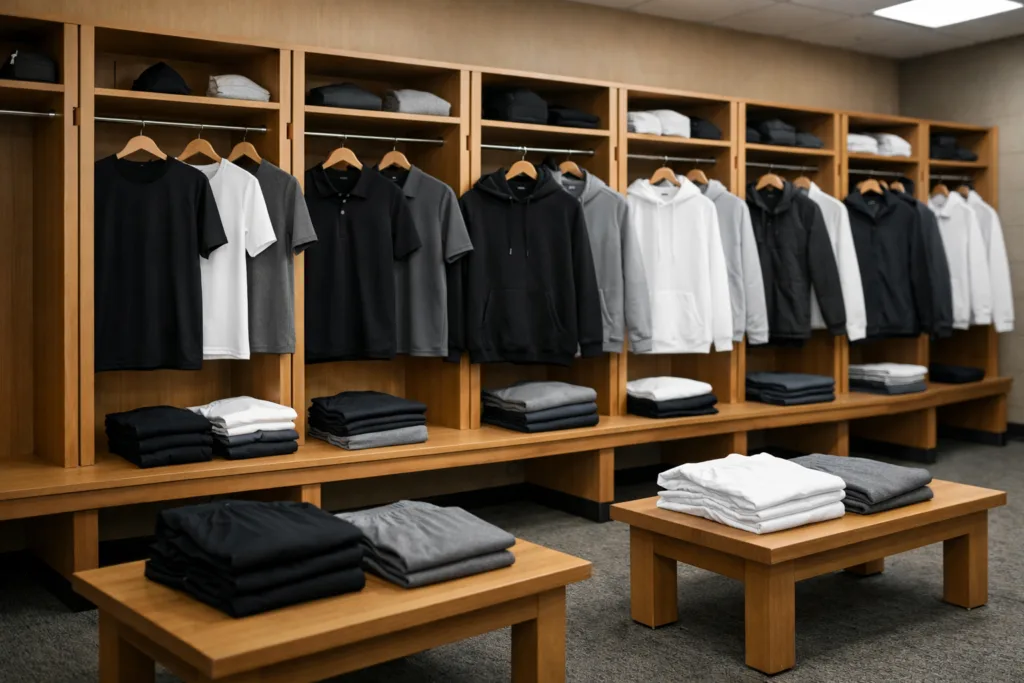
Imagine the impact: your entire group enters an event in matching jackets, quickly swaps to branded tees for games, then wears stylish polos for off-site dinner. Cohesive collections build recognition and morale like nothing else. They let teams mix and match for weather, event type, or mood, while reinforcing your group’s visual identity at every touchpoint. With the right supplier partner, you gain simplicity and bulk order advantages. (Discover the cost and flexibility differences between custom team clothing and ready-made teamwear.)
Assessing Team Needs: Who Will Wear Which Garments, When, and Why?
Begin by identifying your team’s real-world scenarios: Do you need lightweight clothes for practice and water-resistant jackets for travel? Will some members wear polos while others prefer performance tees? List your group’s activities and note their key requirements—such as wicking, branding, or sharpness for award nights. This understanding directly shapes your collection blueprint.
Choosing Core Garments: Beyond the Classic Team Tee
Think beyond the basic T-shirt. Today’s successful collections include:
- Polos: For ceremonies, client meetings, or off-field style
- Hoodies: For comfort, warmth, and team bonding outside matches
- Shorts: Sports, lounging, or unified summer looks
- Jackets: Wind protection, outdoor events, or travel cohesion
- Caps or hats: Sun safety and brand visibility
By combining these essentials, you cover every team setting and extend the value of your investment.
Fabric Selection for Each Garment Category
Each garment in your team apparel collection has unique fabric needs. For instance, polos might require breathability and a neat collar structure, while hoodies demand warmth and softness, and shorts need moisture management. (This deep-dive on fabric choices for team T-shirts explains what matters most by use case.) Don’t overlook sustainability options—recycled or eco-friendly fabrics enhance your brand’s story.
Design Continuity: Achieving Visual Harmony Across All Pieces
Match your entire collection visually. Stick to a consistent color palette, logo placement, and design lines. Make sure the collar, cuff, or print style echoes across T-shirts, polos, and hoodies. This creates a professional and memorable impression—no matter which item a team member wears.
Balancing Team Identity with Personalization
While continuity is key, don’t dismiss individual identity. Offer subtle personalization—like embroidered names or unique print placements—within your standardized design system.
Smart Sizing: Planning the Range for Every Body Type
Uniform sizing doesn’t mean one-size-fits-all. Gather real measurements, consider body type diversity, and include both men’s and women’s fits. For multi-garment orders, align fit standards so jackets, tees, and shorts feel “matched” when worn together. A guide to measuring garments for production will help avoid costly rework later on.
Sustainable Choices for Modern Team Collections
Eco-consciousness is no longer optional. Choose fabrics with verified certifications (like GRS or GOTS), low-impact dyes, or recycled trims when possible. This adds value to your collection narrative and wins support from today’s values-driven buyers.
When to Upgrade: Recognizing Signs for Expanding from Single Garment to Collections
If your team’s needs are outgrowing the humble tee—or if you’re fielding requests for polos and hoodies—it’s time to expand your offering. Noticing repeat orders or member requests for item variations? That’s a sign to plan a collection for cross-sales and long-term satisfaction.
The Value of Sourcing All Items from One Supplier
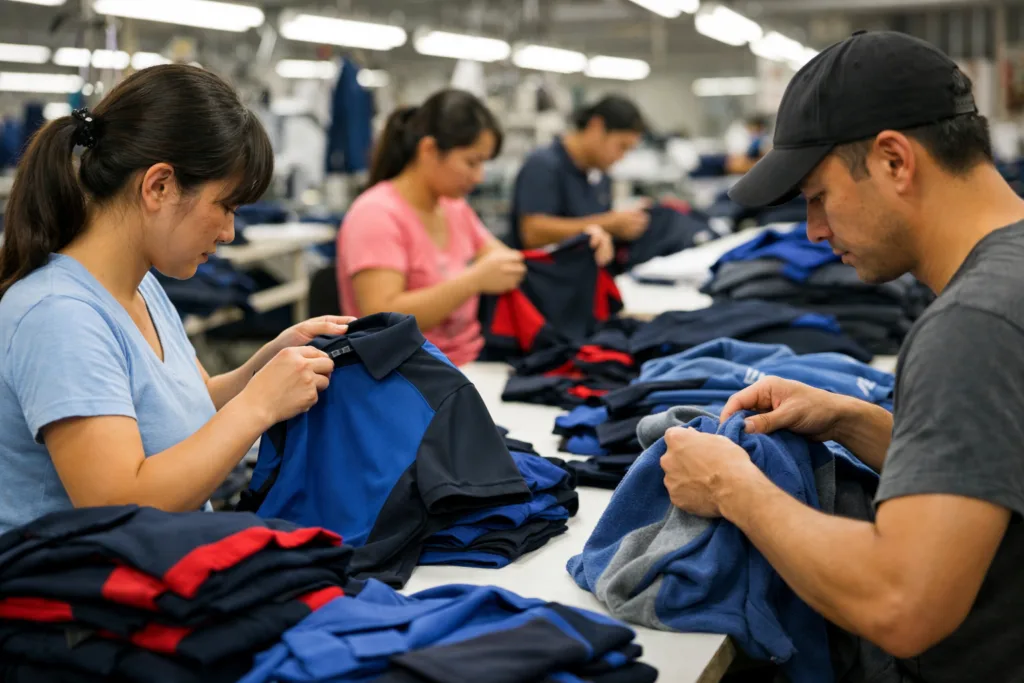
Ordering T-shirts from one factory, polos from another, and hoodies elsewhere almost always leads to mismatched colors, fit, and delivery surprises. When you consolidate all garments with a partner experienced in matching collections, everything aligns: Pantone shades, fabric feel, stitching details, and even the timing of arrival are consistent. This not only keeps your brand looking sharp, but cuts logistics headaches and reduces errors. As Ninghow notes from decades in the business, controlling the process end-to-end means your team apparel always shows up right—especially for tight event deadlines.
Sampling and Prototyping: Getting Collection Consistency Right
Don’t proceed to mass production without samples for every garment. Order full set samples to review color matching, logo scale, and stitching. Make sure all pieces look and feel like they belong together, and provide feedback until each is correct.
Streamlining Bulk Orders: Savings, Lead Times, and Quality Control
A single, coordinated production batch delivers serious efficiency. You’ll pay less per piece, unify QC standards, and gain predictable lead times. Stagger orders by season if needed, but prioritize joint runs for simplicity and savings.
Packing and Delivery: Keeping Collections Neat and Ready-to-Distribute
Specify whether you want each member’s set pre-packed (shirt, shorts, and hoodie in one bag) or sorted by item. A good supplier will match your plan and label everything clearly, minimizing distribution chaos and last-minute mistakes at events.
Brand Storytelling: Using Your Collection to Build Group Spirit
Teams remember the feeling of first receiving their complete kit. Use collection launches as a moment to unify, reward, and reinforce group identity. Capture launch photos and share your brand story online for visibility and pride.
Common Mistakes: How to Avoid Mismatched Collections
- Sourcing items from different factories without color alignment
- Ordering only one product and scrambling for add-ons later
- Skipping size standardization between product types
- Neglecting the need for versatile all-weather pieces
Avoiding these errors means a smoother sourcing experience and happy team members who look sharp each time.
The Role of OEM/Private Label Manufacturing in Custom Team Apparel
OEM (Original Equipment Manufacturer) and private label production allow teams and brands to design unique collections without handling any factory logistics. With direct factory partners, you control every detail from trims to care labels—your collection stays exclusive. But always check manufacturer credentials, as experience with coordinated production is a must for seamless results.
From Design to Doorstep: The Step-by-Step Process for Building Your Full Collection
- Initial consultation: Share your team’s vision and activity calendar
- Design collaboration: Align on colors, logo applications, and personalization
- Sampling: Receive and approve each item before production
- Bulk production: All pieces are made together, ensuring color and quality consistency
- QC inspection: Review samples, packing, and tags before shipment
- Delivery: Receive split or pre-packed sets, ready for team use
Budget Considerations: How to Maximize Value per Piece
Ordering collections in bulk usually means lower per-garment costs. Try starter sets (tee + polo + hoodie) for price breaks, then add shorts or jackets as the next step. Maintain open communication with your manufacturer to balance quality with overall budget.
Using Custom Collections to Boost Brand Loyalty and Member Retention
Members who receive shirts, hoodies, and caps as a set feel more invested. They look and feel like part of something bigger. That lasting emotional connection increases membership and brand loyalty long after the first order.
Upgrading Event Merch: Leveraging Collections for Merch Drops and Fundraising
Event organizers and schools can offer full-size apparel drops or give away tiered kits (basic for entry, premium for sponsors). The result: higher average order value, extra promotion, and greater participant excitement.
How to Build a Matching Team Apparel Collection, Not Just One Garment
So, how do you actually transition from a single product to a complete team apparel collection?
- Assess needs by calendar, activity, weather, and membership roles
- Listen for requests to add polos, jackets, or new colors
- Partner with a supplier who can handle consistent, multi-garment orders
- Insist on pre-production samples for the entire collection
- Communicate your preferred packing and distribution plan
Taking these steps will set your team or organization up for long-term visual impact and group success.
Conclusion: From Single Product to Unified Team Identity
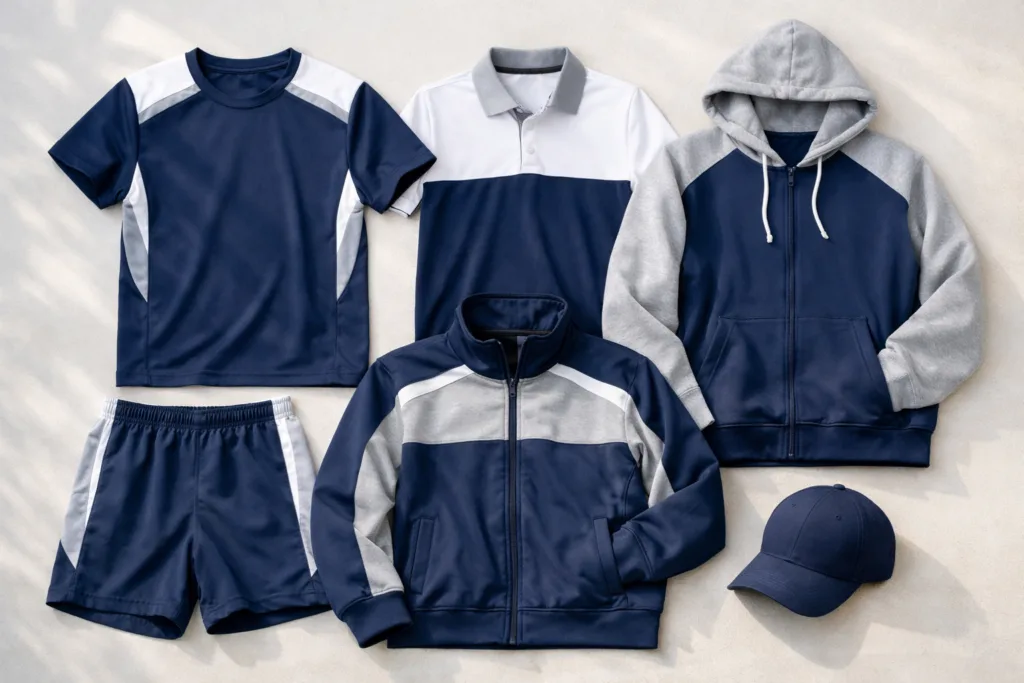
Building a matching team apparel collection is more than just a style upgrade—it’s an investment in unity, flexibility, and team pride. You increase satisfaction, reduce errors, and get more from your supplier partnership. By expanding your vision from a lone T-shirt to a suite of garments, your group is recognized anywhere, in any conditions. And with smart planning, you simplify distribution and ordering for seasons to come. Ready to elevate your team game?
Frequently Asked Questions
What garments should every team apparel collection include?
The essentials are usually T-shirts, polos, hoodies, shorts, and jackets—covering all weather and activity types to boost real-world versatility.
How do I ensure all garment colors and fabrics match perfectly?
Order from a single, experienced manufacturer and request pre-production samples for every item. Confirm Pantone/color references, then approve before mass production.
What’s the benefit of buying a full collection instead of just tees?
You create a unified team image and unlock discount pricing, easier logistics, and better supplier support for future orders.
How can I reduce mistakes when ordering complex collections?
Insist on coordinated design files, clear communication of sizing standards, and joint production runs to keep everything consistent and minimize errors.
Is it possible to add personalization to each garment in the set?
Yes—custom embroidery or print can be applied to multiple pieces. Just communicate personalization rules early in the design process for fast sampling.
How soon should I start planning my apparel collection for an annual event?
Ideally, begin 4–6 months in advance. This allows for sampling, tweaks, bulk production, and smooth delivery timelines before your group’s big event.
