


Introduction: Unveiling Team Clothing Manufacturing
From schools to sports clubs and corporate events, custom team clothing is an unmistakable badge of unity and brand power. But have you ever wondered how custom team clothing is made, from concept sketches to the final packed boxes ready for shipping? This article will walk you through every step of the custom apparel manufacturing process. We’ll cover needs assessment, sampling, fabric and trims selection, cutting, sewing, logo methods, quality assurance, and packaging—breaking down each stage in simple, practical terms. Whether you’re new to ordering bulk apparel or a seasoned sourcing pro, you’ll discover industry-insider tips and mistakes to avoid, ensuring your teamwear comes out looking, fitting, and feeling just right.
Confirming Your Needs: Setting the Foundation
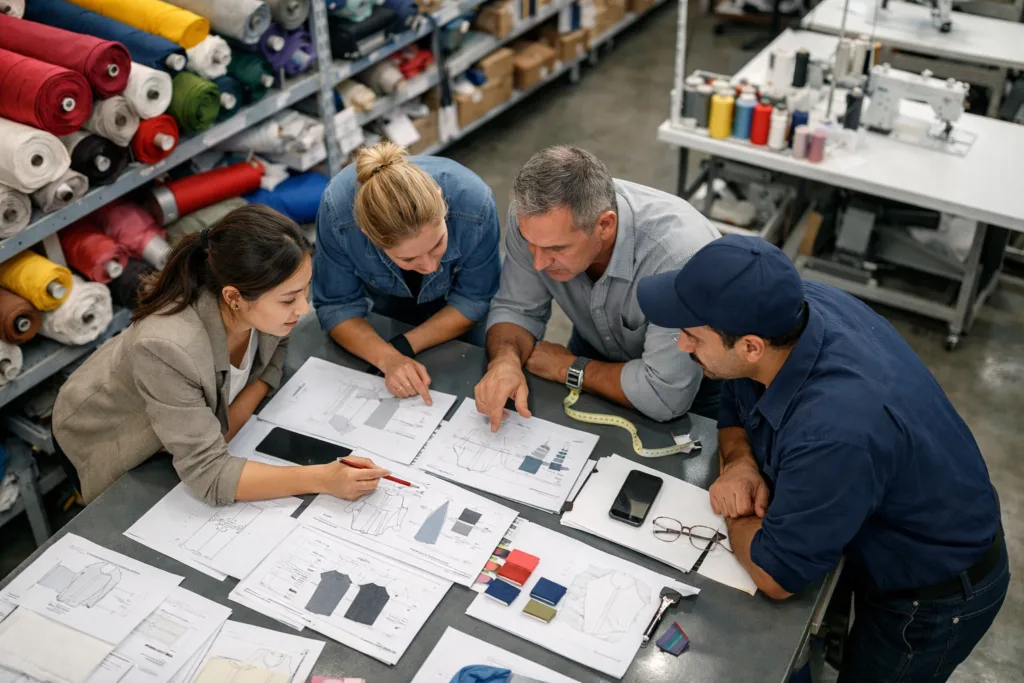
The journey starts with understanding your group’s unique vision and practical requirements. Are you outfitting athletes, staff, or volunteers? Will the clothing be worn indoors, outdoors, or across seasons? Factors like fit, size range, activity type, budget, and delivery deadlines all shape the manufacturing roadmap. Clear, detailed specifications give manufacturers everything they need to succeed. For more on balancing team unity and brand consistency, check out Maximize Team Unity: How Brands and Clubs Can Build a Matching Apparel Collection Beyond the Basic T-shirt.
Design Mockups and Tech Packs: Turning Ideas Into Reality
Professional manufacturing relies on clear communication. Designers draft visual mockups and technical packages (“tech packs”) detailing measurements, stitching types, placement of logos, care labels, and packaging specs. These documents keep production teams, pattern makers, and QC inspectors aligned—a blueprint for repeating your design with accuracy at scale.
Fabric and Trims Selection: The Backbone of Quality and Comfort
Choosing the right materials is crucial. Fabric dictates comfort, durability, movement, and breathability. Trims—such as buttons, zippers, tags, or ribbing—define both function and flair. Manufacturers like Ninghow often recommend high-performance blends for activewear, while classic cotton is ideal for casual shirts. Quality and sustainability claims must be verified, and for team clothing, consistency in color, texture, and feel is non-negotiable. Learn how fabric choices elevate custom team T-shirts in The Ultimate Guide: Fabric Choices That Elevate Custom Team T-Shirts.
Pattern Making: Shaping the Fit
Patterns convert tech pack measurements to physical templates. Skilled pattern makers focus on accurate grading across size ranges, adapting designs for different body types. Teams can request custom fits (slim, relaxed, athletic), and a trial sample helps spot fit issues before bulk production.
Sampling Stage: The Critical Test Run
Sampling sets the stage for bulk production. Manufacturers create physical garment samples that undergo thorough review—checking fit, stitching, color layering, logo placement, and wash performance. Corrections are applied before full production starts. Experienced factories like Ninghow treat sampling as an essential quality checkpoint, not just a sales step.
Bulk Material Sourcing: Securing Production Readiness
After sample approval, manufacturers source bulk quantities of materials and trims. Supply chain reliability ensures that all components arrive on time, with zero last-minute substitutions. Pro teams audit suppliers for consistent quality and compliance, especially for eco-friendly fabrics or branded parts.
Cutting Fabric: Precision and Efficiency
Fabric is spread and cut layer by layer using manual templates or automated machines, depending on order size and complexity. Mistakes in cutting directly affect fit and yield, so every batch undergoes physical and digital checks. Learn more about garment factory capabilities in Unlocking Garment Factory Capabilities: The Essential Machines and QC Checkpoints Explained.
Sewing: Bringing Pieces Together
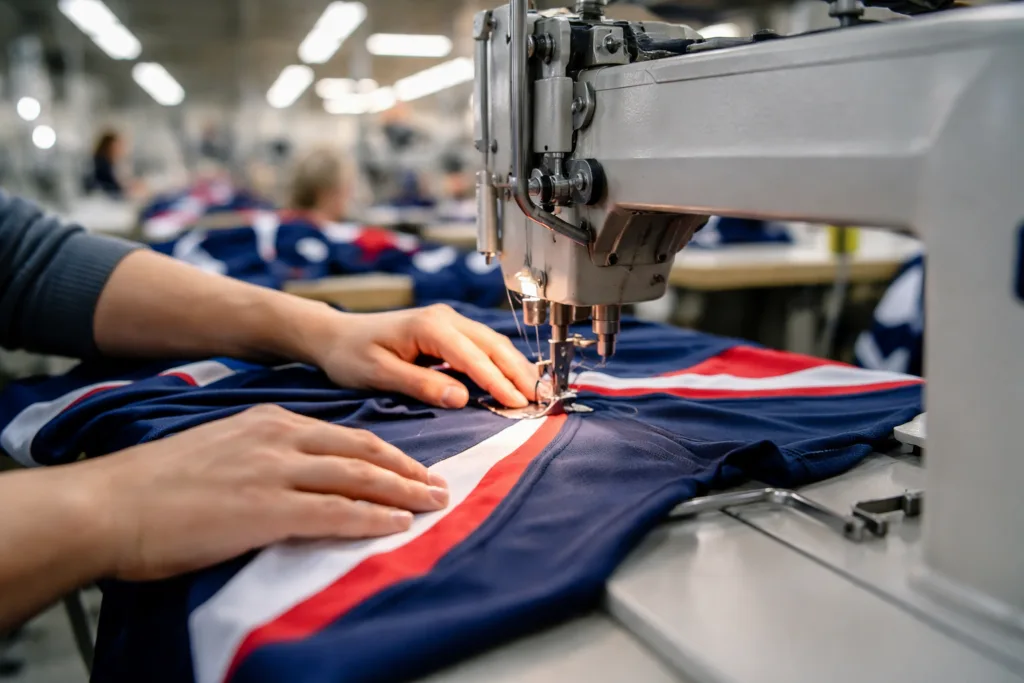
Expert sewers assemble the puzzle—joining panels, sleeves, collars, and trims. Quality factories build in checkpoints for stitch consistency, thread strength, and seam alignment to avoid rework and ensure your team gets clothing that lasts.
Logo Application: Customization Methods Explained
Logos showcase your team identity. Methods include embroidery (durable and classic), screen printing (bold and cost-effective), heat transfer (flexible for small batches), and sublimation (vivid colors for synthetic fabrics). Manufacturers guide clients on best choices for their fabric type and desired look.
Quality Control: Keeping Every Piece Up to Standard
Rigorous QC ensures every item matches size, color, logo placement, and material standards. Inspectors check for loose threads, stains, misshaped panels, or faulty zippers. Teams often perform random sample checks throughout production, not just at the end. Ninghow’s production leads emphasize that consistent QC prevents last-minute headaches and protects your brand’s reputation.
Packaging: Ready for Delivery
Final garments are folded, bagged, labeled, and packed according to team or brand requirements. Packaging must shield products during transit, meet label compliance, and sometimes include eco-friendly options. Pro teams also specify packing lists to match delivery schedules.
Bulk Production: Scaling Up With Control
With all procedures dialed in, factories ramp up production using streamlined process flows for cutting, sewing, finishing, and inspection. Batch control is key—teams monitor updates, resolve issues, and keep lead times tight. More about bulk order questions and planning can be found in Bulk Team Apparel Orders: 11 Key Questions Sourcing Pros Never Skip.
Sustainability and Compliance: Going Beyond Basics
Many teams and brands now demand eco-friendly materials and ethical manufacturing. Compliance with certifications (like OEKO-TEX, GRS, GOTS), proper labeling, and social audits is integrated into the production workflow. Transparency here offers peace of mind and meets client expectations.
Shipping and Logistics: Getting Team Clothing Where It Matters
Finished apparel is shipped according to agreed logistics—air, sea, or express. Each method influences cost, speed, and risk. Clear customs documents, accurate packing, and proactive updates prevent delays and ensure on-time arrival for events or launches.
How Custom Team Clothing Is Made: From Concept to Production
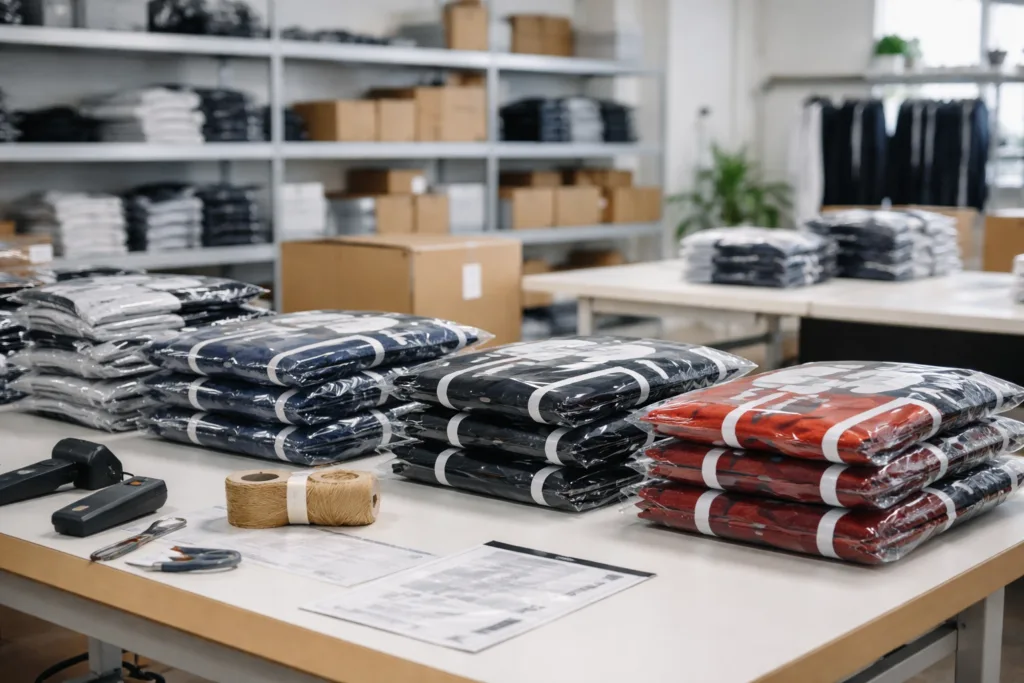
In summary, crafting custom team clothing blends creativity, communication, manufacturing know-how, and quality checks. Every step—from needs assessment to final packaging—is an opportunity to get details right and avoid costly mistakes. The goal isn’t just matching shirts or polos, but delivering pride, comfort, and brand confidence to everyone wearing them. With a reliable manufacturer, transparent process, and regular updates, your team will receive apparel tailored exactly as promised.
Frequently Asked Questions
What information do manufacturers need to start?
Manufacturers require clear specifications: garment type, sizes, fit, fabric choice, logo details, quantity, and deadline.
Why is sampling necessary before bulk production?
Sampling allows you to check fit, design, stitching, and logo placement, making corrections before committing resources to mass production.
What are the most common logo application methods?
Embroidery, screen printing, heat transfer, and sublimation. The right choice depends on fabric type and required durability.
How do factories ensure all garments meet quality standards?
Factories conduct ongoing inspections, sample checks, and supervise production teams to spot and fix errors quickly.
Does sustainable team clothing cost more?
Eco-friendly materials and ethical production can raise upfront costs, but improve brand image and reduce risks over time.
How can delays during manufacturing be prevented?
Clear communication, proactive updates, reliable suppliers, and detailed tech packs help keep production on schedule.
Related Reading
- Choosing Between Custom and Ready-Made Teamwear: 11 Game-Changing Differences
- Bulk Orders Decoded: 9 Critical Checks When Selecting a Team Clothing Manufacturer
- Smart Strategies for Low MOQ Team Clothing: 7 Ways to Save Without Sacrificing Quality
- 21 Sustainability Steps: The Practical Guide to Eco-Friendly Clothing Manufacturing
- 21 Essential Steps to Perfect Garment Measurement in Production—Avoid Rework Every Time
