


How Supplier Density Improves Quality Consistency
Quality consistency is often seen as a matter of precise sewing and sharp eyes on the production floor. But in the world of apparel manufacturing, the truth runs deeper. How Supplier Density Improves Quality Consistency isn’t just about stitch lines—it’s about the entire supply web that supports every order, from the fabric roll to the final packed box.
Why Quality Consistency Is More Than Just Sewing
Many brands assume that consistent quality simply means training workers to stitch perfectly every single time. While skilled operators are essential, true consistency depends on much more—down to the fibers, dyes, trims, and processes that flow through each production stage.
- Fabric quality can shift between batches, affecting feel and fit.
- Accessories (like zippers, labels, or drawcords) also need to match exactly for repeat orders.
- Finishing and packaging have to align with your brand’s quality standards every single time.
If even one link in the chain weakens, quality becomes guesswork—and brands face rework or recalls. That’s why supplier density matters far before the first stitch is sewn.
The Hidden Link: What Is Supplier Density?
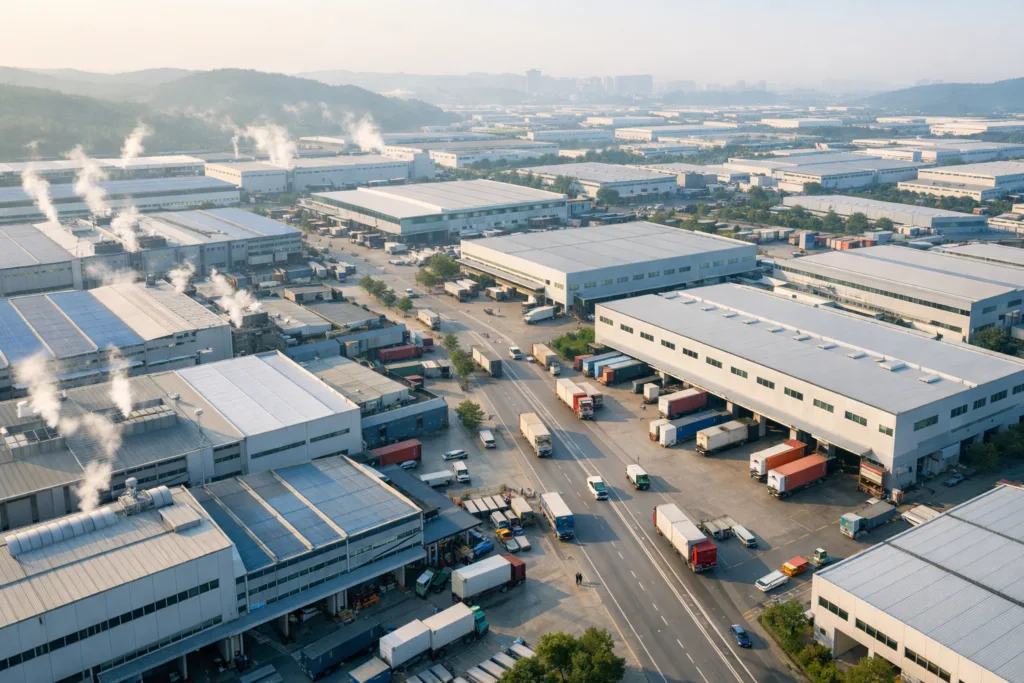
Supplier density refers to how many specialized fabric, trim, dye house, and accessory suppliers exist—and how close they are to each other and to manufacturing hubs. In a dense supply environment (like key cities in China), hundreds of industry partners are tightly clustered. Compare this to spread-out, remote production zones where each material change means long wait times or risky substitutions.
Why Dense Networks Are Consistency’s Secret Weapon
Dense supplier networks create a kind of ‘quality safety net.’ Everything from knitting mills to specialist dye houses often works in sync and can coordinate quickly if issues arise. This means faster troubleshooting and adaptation when things don’t go as planned.
- If a batch of moisture-wicking fabric shows color variation, the mill and dyer can jointly identify causes and correct them together—sometimes on the same day.
- Accessory vendors can quickly swap out defective trims with new, matching stock.
As pointed out in Unlocking Speed: How China’s Fabric and Trim Network Accelerates Apparel Development, such close cooperation isn’t always possible in less developed supply chains.
Fabric Consistency: Beyond the Loom
Fabric quality is rarely static. Small changes in yarn supplier, finishing chemicals, or dye recipes can create variation between lots. In a dense supplier ecosystem, mills have access to numerous backup sources for both raw materials and technical services. If one supplier falters, another can fill the gap, maintaining batch-to-batch consistency—and helping brands avoid unpleasant surprises.
Accessory and Trim Uniformity
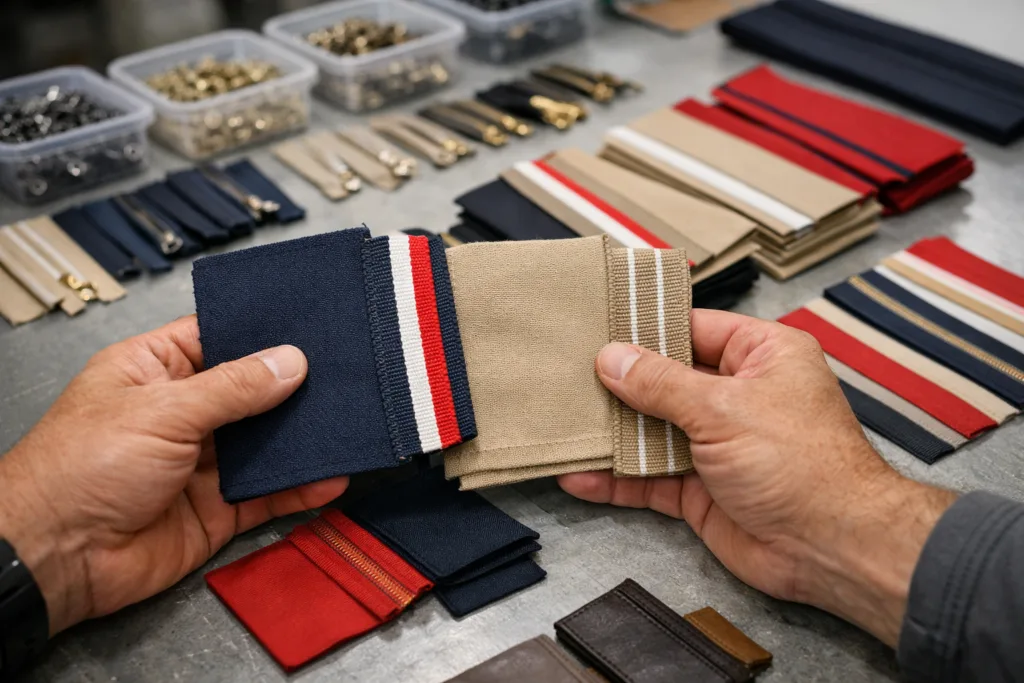
Have you ever noticed a repeat order where the collar thread seems a shade off from the previous batch? That’s accessory or trim inconsistency—a frequent brand complaint. High supplier density means accessory factories (like zip, label, or button makers) often work alongside apparel manufacturers, reducing lead times and errors from multi-day or multi-country shipments. Standardization improves simply because everyone is within reach.
Process Consistency: Fast Feedback Loops
When all major process suppliers are a phone call (or a short drive) away, issues can be rapidly identified and fixed. Teams can gather, review counter-examples, and implement corrections without long downtime. This is especially vital when adjusting processes mid-way for custom team clothing or special branding requirements.
How Supplier Density Powers Fast Repeat Orders
Brands know that repeat orders are rarely identical without effort. Densely connected supply chains have one major advantage: ready-to-repeat inputs and ready access to previous recipes.
- Materials from the first batch are often still available in the market.
- Partner mills and dye houses remember exact specs.
- Sampling, approvals, and first-offs are faster, saving weeks in the apparel supply chain compared to low-density zones.
Case Study: Repeat Orders in the China Apparel Supply Chain
In China, areas like the Pearl River Delta, Ningbo, and Suzhou have hundreds of fabric and accessory partners feeding established garment factories. Repeat orders often tap the same supply sources, so dozens—even hundreds—of repeat inputs (fabrics, trims, dyes) are possible within days. That’s why even small changes to fabric, label, or process flow can be rapidly adapted without affecting overall quality consistency.
Why Scattered Suppliers Risk Consistency
If your supply network is spread across distant cities or even countries, surprises multiply:
- Raw material substitutions can occur if the original vendor is busy or out of stock.
- Color, hand feel, and size grades can shift between batches—even for the same design specs.
- Logistics add to delays and make root-cause analysis harder when something goes wrong on the line.
That’s why brands prioritizing tight QC and predictable fit choose garment hubs with proven supplier density.
How Does Supplier Density Support Long-Term Projects?
Lasting projects and license deals require the ability to match every detail from initial prototypes through years of seasonal orders. Supplier density means that knowledge (including custom dye formulas, fit blocks, and branding elements) stays local, so transitions between old and new staff, or between batches, are smoother and less error-prone.
Supply Chain Resilience: Buffering Against Disruption
Dense supplier zones are more resilient when it comes to shocks (like sudden order surges or unplanned rework). If one partner hits a snag, another can take over quickly—protecting timelines and quality. As reinforced in Why China’s Apparel Supply Chain Is Still the Most Stable Choice in 2026, resilience is not about size, but proximity and depth.
Supplier Density and Apparel Quality Control in China
Quality control (QC) teams can only work with the inputs available. In dense supply zones, QC experts coordinate directly with suppliers to check sample batches, resolve minor color or fit issues rapidly, and push standards up for large and small brands alike.
According to insights from 7 Hard Truths: What Quality Control Buyers Need to Demand from a Team Clothing Manufacturer, brands that monitor not only sewing but also the source of every input enjoy far fewer shipment headaches.
The Ninghow Perspective: Factory-First Quality Consistency
From Ninghow’s factory perspective, repeated bulk orders often go smoothly because trusted, tightly-connected fabric and trim partners have decades-long relationships. Swapping a button, reprinting a label, or matching a dye lot isn’t just about technical ability—it’s about knowing who to call and getting hands-on fast. The denser and more mature the supplier network, the more likely projects are to hit both spec and deadline.
Fast Access to Samples and Counter-Samples
Supplier density doesn’t only help finished production. Early in the process, development samples and counter-samples are much faster to iterate. It’s easy to test three different types of performance knit or compare multiple trims side-by-side and get real feedback in days.
Reduced “Order Drift” Over Multiple Batches
“Order drift”—the gradual change in fit, color, or quality over months or years—is one of the toughest challenges for growing brands. Dense supplier environments ‘freeze’ standards better, minimizing drift and allowing for consistent branding across seasons and orders.
The Impact on Customization and Brand Identity
Brands seeking unique colors, special trims, or signature features face fewer minimum quantity or compatibility barriers in dense supply hubs. Customization stays both possible and repeatable, which is central to brand building in teamwear, streetwear, or event-focused apparel.
How Supplier Density Supports Sustainable Practices
Consistency isn’t just about repeat orders. It also reduces waste. When materials and trims are reliable and nearby, errors, overstock, and transport emissions drop—making sustainability easier to manage.
Comparing China, Vietnam, and India: Supply Chain Realities
While Vietnam and India have growing capabilities, only China offers true region-scale supplier density. Brands with advanced QC demands or need for fast restocks often find the risk of fabric or trim change higher in more spread-out networks, as detailed in China vs India for Apparel Manufacturing: 7 Critical Differences Affecting Brand Stability.
Cost Efficiency Versus Consistency: The Big Trade-Off
Low labor costs appeal to many brands but chasing pure price cuts can compromise quality consistency. Without dense supplier options, even the cheapest unit cost may turn expensive when adjustments, air freight for missing trims, or rework is needed. Brands benefit from a realistic cost–quality assessment that factors in supply chain density.
Quality Consistency and Supplier Density: The Essential Connection
True garment quality isn’t achieved by sewing machines alone. It’s the result of interconnected resources working in tight collaboration. Supplier density supports fast troubleshooting, reduces order drift, enables sustainable sourcing, and keeps brands on-spec—batch after batch.
How Supplier Density Improves Quality Consistency
From fabric selection to the final fold in a polybag, supplier density improves quality consistency at every turn. Without this web of closely-aligned partners, brands are exposed to risk, delay, and disappointment. For apparel companies looking to build a reputation for reliability—especially when working with overseas manufacturing—supplier density is a non-negotiable factor for both reliability and growth.
Practical Tips: How to Leverage Supplier Density
- Choose apparel manufacturers with visible supplier networks and strong local relationships.
- Document all inputs (fabric, trims, finishes) during development for easier repeats.
- Work with teams who can provide local counter-sampling and fast approvals.
- Ask about partnerships: factories closely tied to their suppliers usually adapt better to rush jobs and reorders.
Conclusion: Better Consistency Starts with Better Connections
Consistent quality isn’t magic—it’s the visible result of dense, organized supply networks working together every day. Supplier density ensures access to the right materials, fast problem-solving, and stable, predictable results, regardless of order size or frequency. When choosing your next apparel manufacturing partner, look beyond the sewing line: supplier density could be your brand’s strongest shield against inconsistency, drift, and costly delays.
Frequently Asked Questions
Does supplier density really affect fabric consistency?
Yes. In highly dense supplier regions, fabrics are sourced from established mills with backup suppliers and consistent inputs. This reduces risk of batch variation and helps maintain fit, color, and feel order after order.
Is supplier density unique to China, or can other countries match it?
China leads in supplier density, especially for garment components. Some Vietnamese and Indian hubs are improving but don’t yet match China’s scale, speed, or depth for most products, especially on complex or rush orders.
How does supplier density help with urgent reorders?
Dense supply networks enable fast access to the same materials, trims, and accessories used in past runs. This cuts lead times, minimizes quality drift, and gets repeat items back in production quickly compared to lower-density areas.
Can supplier density improve sustainable manufacturing?
Yes, because redundant sourcing and local access mean less waste, fewer substitutions, and less transportation—even for recycled inputs. Brands face fewer disruptions, and environmental impact drops as sourcing stabilizes.
What’s the risk of choosing a low-density supply region?
Low supplier density often means more substitutes, longer supply lines, and higher change risk between batches. Quality drifts, timelines stretch, and troubleshooting takes longer, raising long-term costs and QC challenges.
How can I tell if a supplier benefits from dense networks?
Ask for supplier lists, local supply chain maps, and counter-sampling speed. If a manufacturer can quickly provide material samples or matching past orders, chances are they’re benefiting from dense supplier connections.
Related Reading
- 7 Ways Port Access Impacts Apparel Timelines & Quality
- Simple On-Site Checks for Superior Fabric and Stitch Quality
- Inside Vertical Coordination: Seamless Fabric-to-Garment Transition Secrets
- How Brands Secure Stable Clothing Supply Chains for Future Launches
- 25 Smart Steps to Choosing a Reliable Clothing Manufacturer in China
