
Understanding the Importance of Samples in Custom Team Clothing Orders
Ordering custom team clothing is a major investment for any club, school, or business. When it’s time to buy in bulk, mistakes can be costly—not just in money, but in team unity, reputation, and timelines. This is why the sample stage is absolutely critical. “How samples help reduce risk in custom team clothing orders” isn’t just an industry buzz—it’s a tested process that ensures your vision becomes reality, without surprises or setbacks.
What is a Sample, and Why is It Essential?
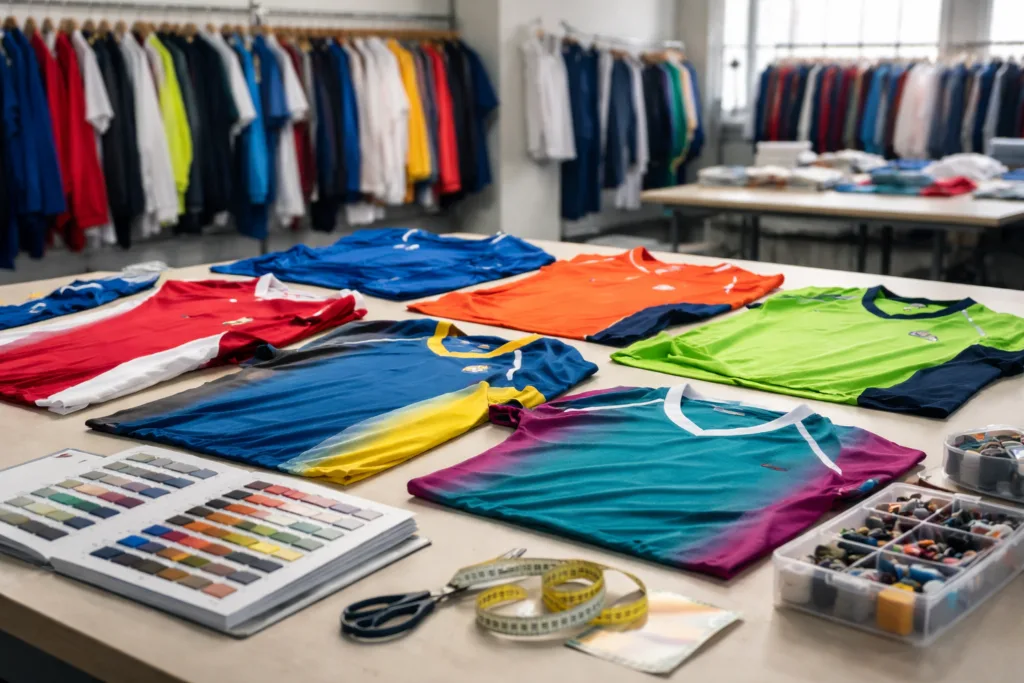
A sample is a physical prototype—a one-off version of your proposed team apparel. This single item isn’t just for admiring; it’s the ultimate test before production. It shows if your design, fit, color, and logo look and feel right. Think of the sample as your insurance policy. When you work with experienced suppliers, especially for team clothing for schools, the sample stage provides critical insight into quality and finish before you commit to large quantities.
How Samples Reduce Risk: Key Checks at the Sample Stage
Skipping the sample phase is one of the riskiest shortcuts any buyer can make. Here’s what you gain by insisting on samples:
- Pattern and Fit Validation: Is the sizing accurate for your team’s needs? A sample answers this before mass production begins.
- Color Accuracy Assessment: Team colors must be exact—not “close enough.” Lighting and fabric type can change how colors look, so the sample is your reality check.
- Logo and Design Verification: Size, placement, and sharpness of your logo should be perfect. Any tweaks happen here, not after 500 units are produced.
- Testing Fabric and Construction: The sample reveals whether the chosen material feels right and wears well—essential for athletic apparel or corporate events.
- Feasibility of Special Techniques: Unique requests (e.g., embroidery, reflective printing) are tested for practicality and consistency in bulk runs.
Step-by-Step: The Custom Team Clothing Sample Process
While every manufacturer will have its unique flow, the core process usually looks like this:
- Design Confirmation: All details are locked in—artwork, fabrics, trims, sizing specs.
- Sample Fabrication: Pattern makers create a prototype garment, often fully finished, for your review.
- Initial Review & Feedback: You receive the sample and check fit, logos, colors, and craftsmanship.
- Adjustments: Issues are noted and adjustments made. Sometimes this process repeats if critical fixes are needed.
- Final Approval: Only once you are satisfied does the project move to bulk production.
What Samples Can—and Cannot—Show
Samples are your safeguard, but even they have limits. Here’s what a sample reveals with confidence—and what to check in bulk orders:
| Sample Can Prove | Sample Cannot Prove |
|---|---|
| Design accuracy | Consistency across all bulk items |
| Color matching under natural/indoor light | Batch differences in fabric dye lots |
| Fit and size feel | Minor variances between individual garments |
| Logo look and placement | Timeline and operational delays |
| Material comfort and performance | Wearability over time (unless you request extended wear test samples) |
Sample Types: Fit, Pre-production, and Counter Samples Explained
Not all samples are alike. The most common include:
- Fit Samples: Focused on pattern work and garment measurements, these ensure the cut and silhouette are as expected.
- Pre-production Samples (PP Samples): Made when all fabric, trims, and prints are finalized—essentially, a dress rehearsal for the bulk run.
- Counter Samples: Replicas made by the manufacturer as proof they can match the original designer’s or brand’s intent.
Why Color Accuracy is Non-Negotiable
Your team’s identity rides on its colors. Lighting in a showroom and actual play environments can cause color perception to shift. That’s why it’s standard to check the sample in various light conditions—outdoors, gym, office—and request a Color Management Report if stakes are high. This is especially crucial if sourcing across countries with distinct dye standards, as discussed in guides about team apparel color selection.
Logos and Decoration Methods: Testing Techniques Before Production
Printing and embroidery can behave differently on diverse fabrics. A sample shows whether your logo cracks, peels, or distorts. Some brands realize only after sampling that a preferred effect—say, 3D embroidery—won’t work well on stretchy athletic fabric. Evaluating options early is a smart safeguard (see also this comparison of logo methods for team clothing).
Fit Testing: Avoiding Sizing Disasters in Bulk Orders
When entire teams need to look united, fit mistakes multiply. Is “Medium” truly a medium by Western measurements, or does it follow Asian sizing? The sample lets you spot such surprises. At Ninghow, our production leads encourage clients to fit-test samples on multiple body types, especially for school and club orders.
Verifying Construction Quality and Workmanship
Gaps in stitching, unevenly set zippers, or rough seams can undermine even the best design. That’s why both factory QC and your own team should review the sample’s build, testing not just for looks, but for function—do zippers pull smoothly? Is the pocket reinforced? This is where a hands-on inspection counts.
Confirming Fabric Performance and Comfort
On paper, “breathable mesh” might sound great. The true test is how it feels in action. The sample phase helps you check moisture-wicking, stretch, softness, and any unwanted transparency—vital for athletic or corporate wear. If you’re considering recycled or blended fabrics, ensure your sample’s hand-feel and technical specs align with expectations (learn more about fabric choices for custom team tees).
Special Techniques: Are Custom Requests Truly Feasible?
Some requests—such as waterproof taping, full-sublimation, high-visibility trims—may look simple on a design file, but sample testing will highlight technical challenges. It’s better to discover limitations before bulk production, so samples often serve as feasibility studies too.
How Sampling Prevents Expensive Mistakes
Bulk orders go wrong when patterns are inconsistent, trims are swapped, or production teams misinterpret instructions. Having a signed-off sample as the “golden reference” (what manufacturers call the benchmark) makes all later QC checks clear-cut and avoids arguments, remakes, and delays.
Lead Time Considerations: Balancing Speed and Accuracy
Yes, sampling adds time up front—typically 10–21 days per round, depending on the complexity and the supplier’s location. But it dramatically cuts surprises and rework later. Brands starting a new line or switching manufacturers should budget extra time for at least one round of sampling-and-corrections.
Common Pitfalls When Skipping the Sample Phase
- Incorrect size grades leading to unmatched outfits
- Logo distortion or color misalignment
- Unpleasant surprises in fabric thickness or stretch
- Poorly attached trims or buttons falling off
- Missed deadlines due to last-minute corrections
Savvy buyers know that rushing to production without proofing a sample is gambling with brand identity—and sometimes, with tight event timelines, even one error is too many.
The Role of Factory Expertise in the Sampling Process
A reliable manufacturer doesn’t just “sew it and ship it.” Factories with experience (like Ninghow) assign sample room specialists who see hundreds of tricky designs yearly. They often suggest adjustments for better wearability, colorfastness, or efficiency—practical insights that save headaches down the line without compromising your creative vision.
Samples as Communication Tools: Bridging Language and Cultural Gaps
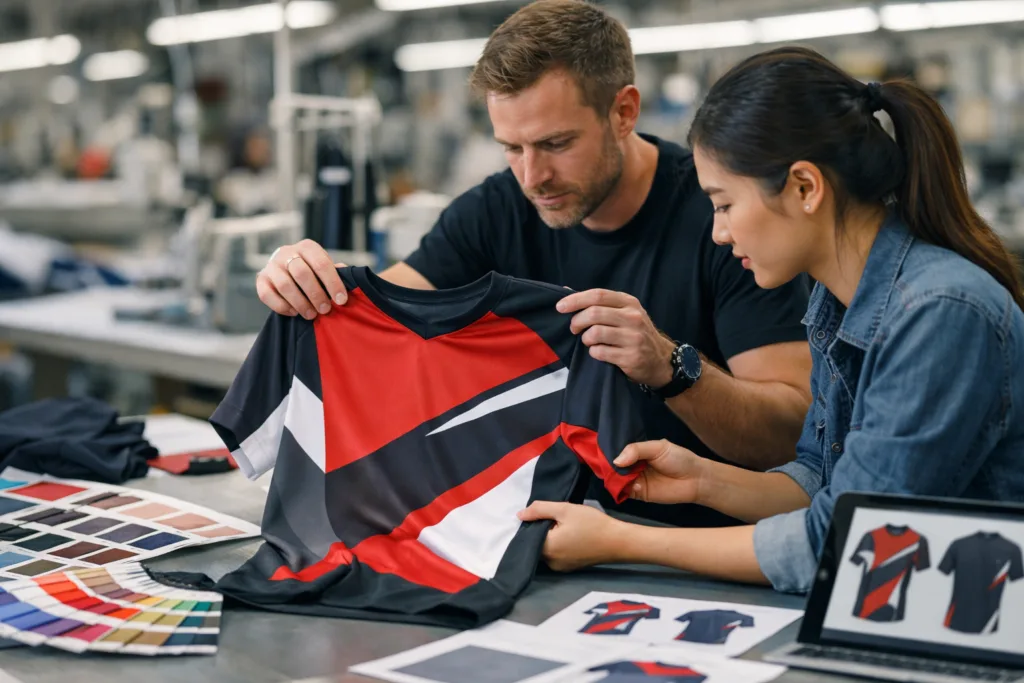
Clarity is vital, especially when sourcing overseas. A physical sample eliminates ambiguity from emails, PDFs, and translations. Everyone—designers, buyers, pattern-makers, sewing supervisors—agrees on the exact details to replicate. This aligns teams from opposite sides of the globe and builds trust.
When Multiple Samples are Needed: Complex Orders & Strict Requirements
Some orders—such as full team kits, or items with several colorways—require more than one sample. In these cases, budget for extra prototype rounds and clear feedback cycles, as color matching and fit between items (like shorts and polos) must align perfectly.
Digital Mockups vs. Physical Samples: What’s the Difference?
Design software can only go so far. A digital mockup shows artwork, but can’t guarantee the stitch quality, fabric drape, or how colors interact in person. Physical samples are what buyers, coaches, and athletes need to test—and what factories use to guide their teams.
How to Give Useful Sample Feedback for Bulk Success
- Be specific: Name what works and what needs improvement (e.g., “Logo size is perfect, but colors seem dull in daylight.”)
- Share photos: Mark the sample with notes or highlight issues for clarity.
- Use measurement charts to flag any sizing outliers.
- Send your signed-off sample back to the factory as the bulk benchmark if possible.
Clear, timely communication ensures your sampling leads to the results you want for bulk production.
The True Cost of Sampling—and Why It’s a Value, Not an Expense
Some buyers balk at sample costs. In truth, these fees protect your investment. Imagine paying for hundreds of jackets, only to discover incorrect embroidery or an uncomfortable fit. Sampling is a small, predictable cost for peace of mind and event-ready apparel.
Aligning Timelines: How Samples Fit Into Your Event or Launch Schedule
Smart planning factors in enough time for sampling and adjustments. If you’re on a tight schedule, communicate this clearly at the outset. Some factories, like Ninghow, can prioritize sampling for rush orders, but always weigh the risks of speed vs. perfection. Rushed samples raise the odds of missing key details—so build in a safety window wherever possible.
Choosing the Right Manufacturing Partner for Sampling Success
Selecting a manufacturer with a dependable sample team (not just a fast one) is essential. Vet your supplier’s sampling process, experience with your apparel style, and ability to communicate changes efficiently. This increases the odds that your bulk order will mirror the quality of your signed sample.
Packing and Delivery: Final QC Before Your Team Receives the Order
The final sample often sets the standard for packing, folding, labeling, and packaging design. Be sure to specify your preferences—detailed sample review should include these finishing touches. See our guides on custom labels and packaging for more ideas.
How Samples Help Reduce Risk in Custom Team Clothing Orders
Risk is a fact of life in custom apparel, but samples are your main line of defense. They allow you to check—and fix—fit, color, design, and construction issues before they turn into costly problems. The sample stage creates mutual trust, sets clear expectations, and makes large, high-stakes orders smoother and more predictable. Teams that skip the sampling process run a much higher risk of disappointment and added expense.
Conclusion
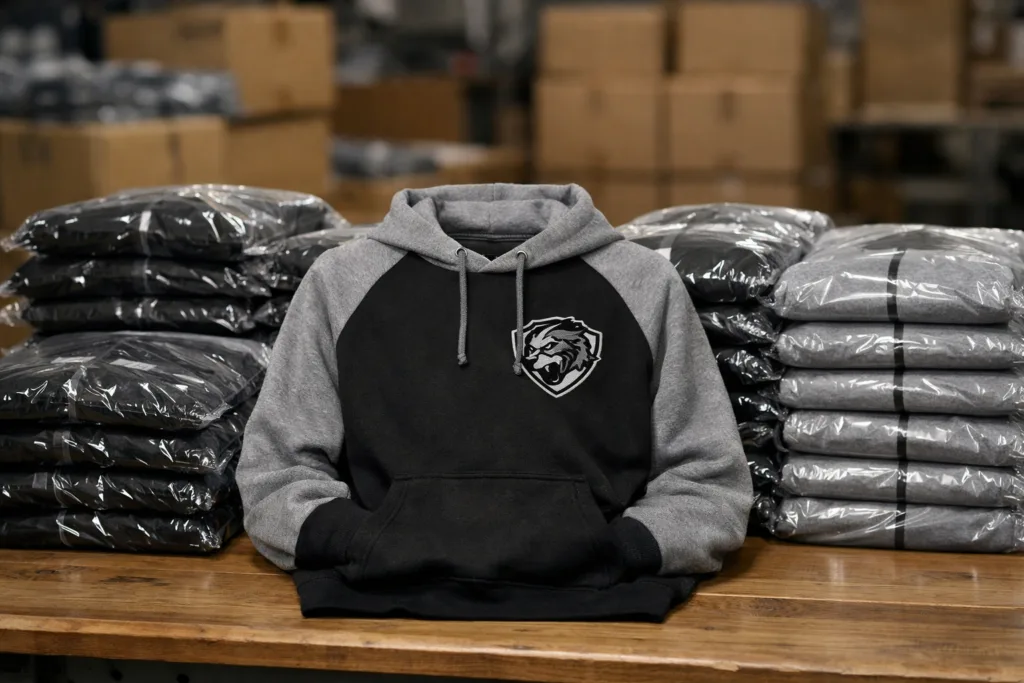
Sampling is the critical safeguard in custom team clothing orders. It prevents the most common (and expensive) bulk mistakes—fit errors, color mismatches, logo issues, and disappointing fabrics—by giving you and your manufacturer a clear, shared standard before production. Experienced brands and manufacturers know: never skip the sample. Make it a non-negotiable part of every order, and you’ll consistently achieve outstanding results that your team is proud to wear.
Frequently Asked Questions
What is the main purpose of sampling in custom teamwear?
Sampling allows you to confirm fit, color, logos, and garment quality before bulk production, minimizing mistakes and expensive corrections.
How many sample rounds are typical before bulk ordering?
Most brands complete 1–2 rounds of samples, though complex designs or strict branding guidelines may require more adjustments.
Can I skip the sample phase if I trust my supplier?
Even with trusted partners, skipping samples invites preventable mistakes. Every new design or fabric change should be sampled for best results.
Should samples be tested in different lighting conditions?
Yes, as colors and print effects can look different under daylight, indoor lighting, and on the field. This reduces color mismatch risk in large orders.
What does a signed sample mean in manufacturing?
A signed sample is the approved reference that all bulk items must match. It’s used by the factory for quality control and by buyers for final checks.
How do I give effective feedback on team apparel samples?
Be specific, use annotated photos, and communicate quickly. Provide both positive and negative points and, when possible, return marked-up samples to the factory.
Related Reading
- How to Overcome Common Teamwear Production Pitfalls
- 9 Must-Know Checks for Selecting Custom Teamwear Factories
- Step-by-Step Guide to Launching Your Private Label Team Clothing
- 11 Expert Questions to Ask Before Any Bulk Team Apparel Purchase
- Custom Teamwear Manufacturing Explained from Sketch to Shipment
