



Why Hoodie Fit Matters for Modern Style
Finding a hoodie that doesn’t look baggy is about more than just sizing down. The right hoodie fit can transform your look, add polish to your casual wardrobe, and even impact daily comfort. Gone are the days when an oversized, shapeless hoodie was your only option—quality brands and manufacturers now engineer precise patterns, measure shoulder seams, and adjust fabric weights to balance comfort and structure. This article reveals what goes into a hoodie that fits trim and sharp, without clinging too close or losing that laid-back vibe.
Understanding Hoodie Fit: Key Elements
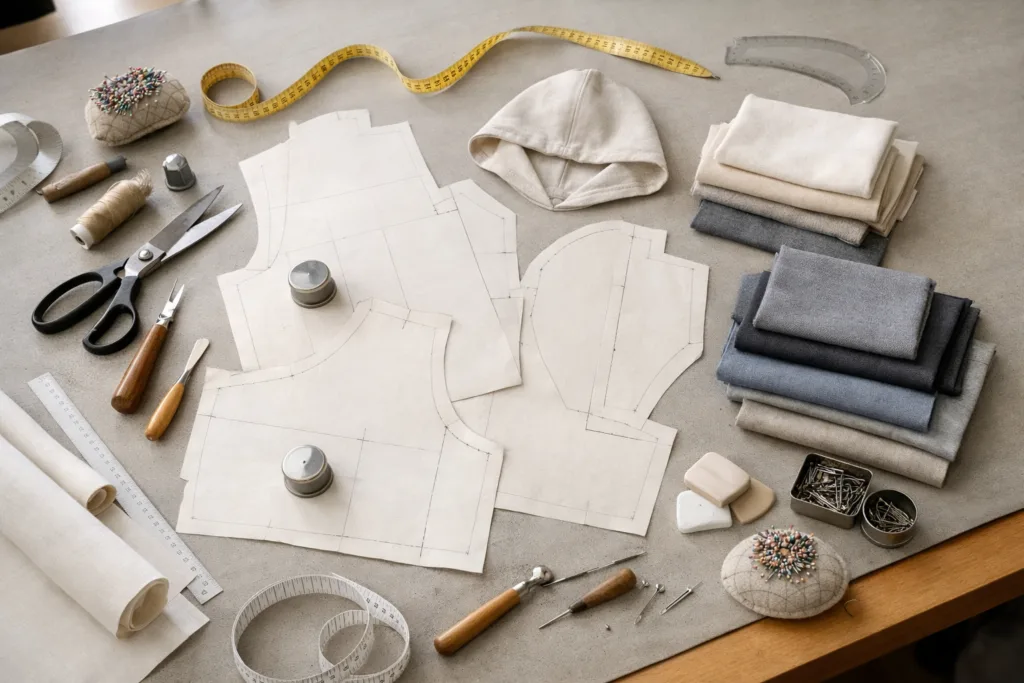
When searching for a hoodie that looks tailored rather than sloppy, focus on three core fit elements:
- Shoulder Seam Placement: The seam should land right at the edge of your shoulder, not droop over the upper arm.
- Sleeve Length: Sleeves should reach your wrist bump, without excessive bunching.
- Body Silhouette: The torso should skim your chest and waist, offering comfort without billowing.
Fabric Weights: French Terry vs Fleece
Fabric weight plays a major role in how structured a hoodie appears. French terry hoodies often offer a slim, smooth drape, while heavyweight fleeces can feel bulkier. Choosing the right fabric is as critical as the pattern itself when aiming for a fitted look.
How Pattern Design Influences Baggy vs. Trim Fit
The shape and cut of the hoodie, known as the pattern, determine how it sits on your frame. There are three main pattern shapes:
- Slim Fit: Tailored through the arm, chest, and waist. Clean, modern silhouette.
- Regular Fit: Slight ease all over. Not tight, but not loose.
- Oversized Fit: Extra volume in the body and sleeves—this is what creates the “baggy” effect.
Flat vs. Raglan Sleeve Construction
Raglan sleeves (where the sleeve extends in one piece to the collar) give a roomier shoulder, while a flat/regular sleeve is crisper and more fitted.
Body Proportions: Length, Width, and Hem Detailing
Hoodies that don’t look baggy are all about proportion:
- Length: Should ideally fall to mid-hip, not cover your entire seat.
- Width: Minimal excess fabric under the arms and along the body.
- Hem: Ribbed hems with just a bit of stretch keep the bottom neat and prevent flaring.
Waistband Fit: Key for Trimming Bulk
If the waistband is too loose, the hoodie hangs and looks formless. A snug but not tight ribbed band creates a tapered finish.
Balance Hood Size and Collar Shape
A massive hood or wide neckline can add unwanted volume up top. Look for hoodies with a moderate-sized hood that sits flat and a collar edge that sits close to the neck when zipped or buttoned.
Practical Example: Hoodie Fit Mistakes
- Shoulder seams sitting well past the natural shoulder—causing sleeve and body droop
- Hood dropping back too far, making the neck opening appear stretched
- Loose cuffs that create too much excess around the wrists
Choosing the Right Size: The Measurement Checklist
Always measure your chest, shoulder width, and sleeve length before buying. Every brand’s sizing chart differs, so rely on actual numbers, not just size tags. For bulk or teamwear orders, getting samples in multiple sizes for fitting trials can save tons of future returns and modifications.
Bulk Hoodie Orders: Factory Insights From Ninghow
From a manufacturer’s viewpoint, we’ve seen fit issues arise when the bulk order size range isn’t confirmed using real samples. It’s more efficient to iron out fit details at the sample stage than after production starts—a small pattern tweak can mean the difference between a clean fit and a boxy disaster.
How Hoodie Construction Techniques Affect Fit
Small details can alter how trim or bulky a hoodie appears. Look for:
- Slim side panels: Reduce torso width without losing stretch
- Set-in sleeves: Offer a neater upper arm profile
- Underarm gussets: Allow arm mobility without extra bulk
Top Stitching and Seam Placement
Double-needle stitching along major seams not only increases durability but can subtly reinforce structure, helping the hoodie maintain its shape after repeated wear and wash cycles.
Fabric Selection: Impact on Drape and Bulk
A lightweight French terry can offer a sleek profile, while a thick brushed fleece will always appear bigger—even with the slimmest cut. For those wanting a non-baggy hoodie, aim for midweight fabrics offering a balance between warmth and neatness. Learn more about GSM and durability in hoodie fabrics to pick the right weight for your needs.
Trend Watch: Tapered Hoodies in Modern Fashion
The trend has shifted to more tailored leisurewear—with brands offering hoodies featuring slimmed sleeves, subtle shaping at the waist, and flat hoods. These details cater to consumers looking for an athletic, versatile silhouette under jackets or over tees.
Hoodie That Doesn’t Look Baggy: Fit Guide
For a hoodie that sits slim and modern while remaining comfortable, use this checklist:
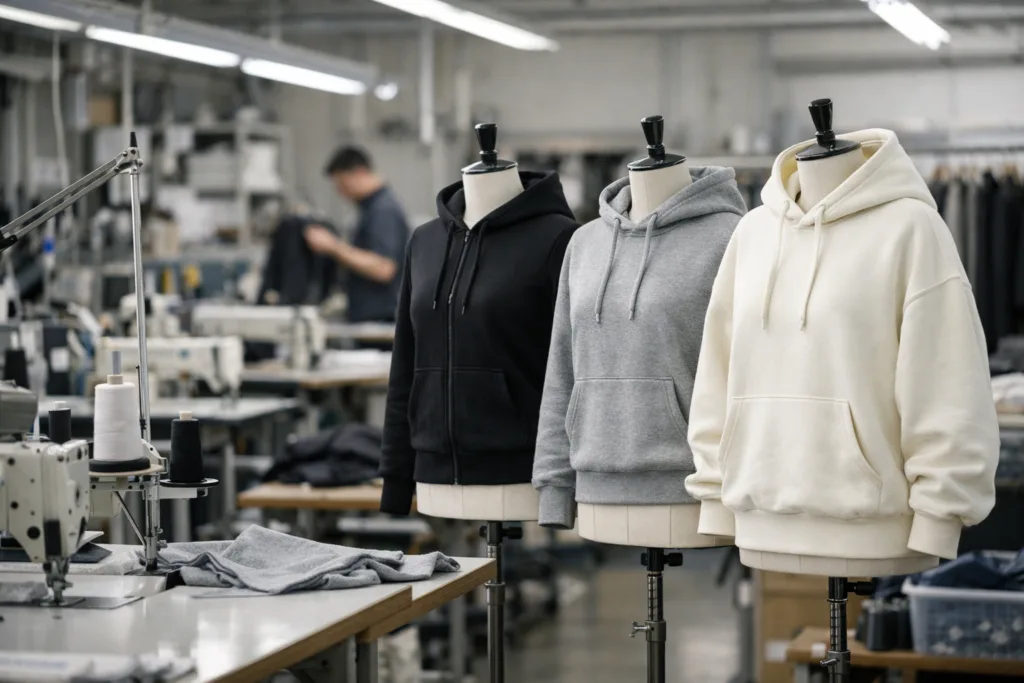
- Shoulder joins end at the actual shoulder edge
- Body tapers slightly towards the hem
- Sleeves are not wider than needed, ending at wrist bone
- Ribbed cuffs and waistband grip without squeezing
- Fabric is midweight—offering drape, not bulk
- Hood size sits close, not oversized
- Sizing confirmed with current measurements, not tags alone
Comparing Major Hoodie Fit Types Side-by-Side
| Fit Type | Shoulder Seam | Body Width | Hem Finish | Tone |
|---|---|---|---|---|
| Slim Fit | At shoulder edge | Narrow / tailored | Snug rib | Modern, sharp |
| Regular Fit | Slightly dropped | Moderate | Standard rib | Classic, easygoing |
| Oversized Fit | Down upper arm | Wide / loose | Loose rib or straight | Casual, trendy |
Sizing Up: What to Do if You’re Between Sizes
If your measurements fall between sizes, choose the lower size for a closer fit, especially if the fabric contains any stretch. Some manufacturers, including Ninghow, advise clarifying size specs directly on purchase orders to avoid pattern confusion.
Fit Tips for Custom and Private Label Brands
When launching your own hoodie line, prioritize your target customer’s preferences: youth-focused brands may want a slimmer, cropped fit, while adult or unisex markets might prefer a regular, slightly boxy silhouette. Share clear fit intent with your garment factory to ensure consistent results from tech pack through to bulk delivery. Check out our guide on private label manufacturing essentials for more.
Troubleshooting: Common Hoodie Fit Problems and Solutions
Problem: Hoodie looks baggy at the chest or waist.
Solution: Opt for a pattern with darted or shaped side seams, or size down if fabric allows stretch.
Problem: Excess fabric bunches along arms.
Solution: Choose slim sleeves and avoid dropped shoulders.
Problem: Waistband flares out.
Solution: Use a firmer rib or seek a pattern with a slightly tapered body.
Caring for a Fitted Hoodie to Avoid Stretching
Wash on cold with mild detergent, air dry flat, and avoid overloading your machine. Hot water or dryer heat can relax ribbing and seams, making the hoodie appear baggier over time. Store folded rather than hanging to keep shape crisp.
Success Factors: Manufacturing Challenges in Hoodie Fit
From our experience in apparel factories, consistency in pattern cutting, stitching, and quality checks is crucial. Even a small deviation during mass production can yield hoodies that hang loose or miss the intended fit. Specifying tight measurement tolerances and regular lot checks helps maintain consistency throughout your order.
When (and How) to Alter a Hoodie for Better Fit
Shortening sleeves, taking in the sides, or adjusting the waistband are all practical alterations for an off-the-rack hoodie that fits too loosely. For brands, updating base patterns and grading before placing bulk orders is more effective than relying on post-production alterations.
Conclusion: The Confidence of a Well-Fitted Hoodie
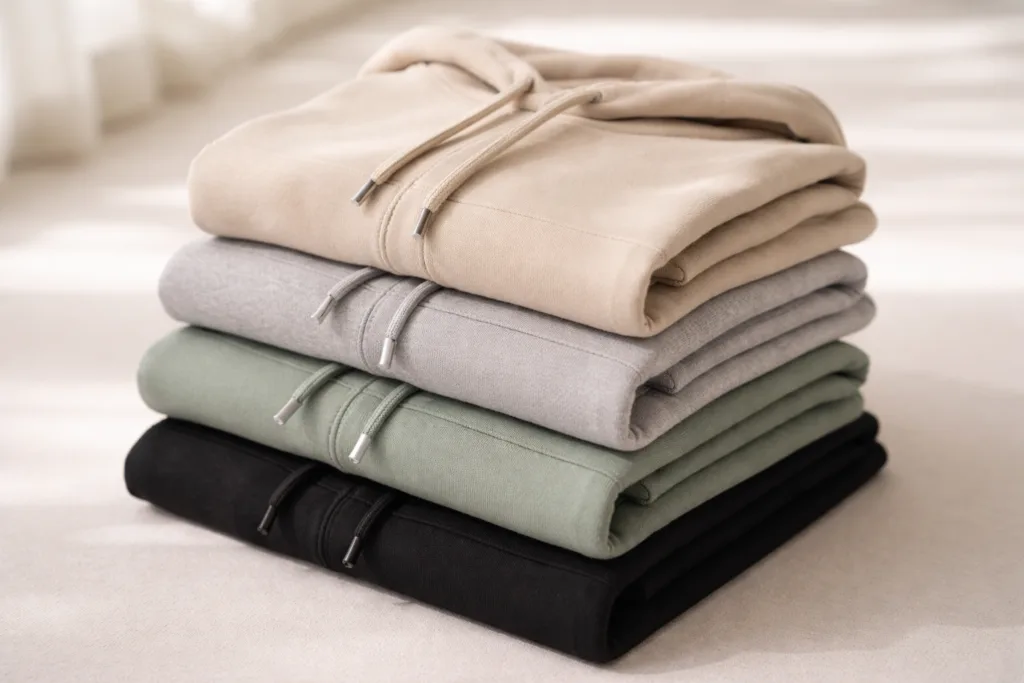
A hoodie that doesn’t look baggy brings polish, confidence, and utility to your wardrobe. By focusing on precise pattern design, mindful fabric selection, and authentic measurements, you can choose or create a hoodie that goes far beyond “just casual”—delivering professional or personal results that hit the mark every time.
Frequently Asked Questions
Can I shrink a hoodie that feels too baggy?
While washing on hotter temperatures may shrink some cotton hoodies slightly, this method is unpredictable and can cause unwanted warping. It’s best to adjust the fit by altering patterns or working with a tailor.
How should a well-fitted hoodie feel when wearing?
A good hoodie should feel comfortable and cosy but follow the lines of your body without squishing or billowing. You should be able to layer a thin tee underneath without feeling constricted.
Are heavier hoodies always bulkier?
Heavier fabrics often have more bulk, but pattern engineering and tailoring can offset some of this effect. A structured pattern in heavyweight terry can still look sharp if designed well.
Why do some hoodies flare at the bottom?
This typically happens when the hem ribbing is too loose, the pattern is too straight (not tapered), or after excessive wear has relaxed the fabric. Look for snug but stretchy ribbed hems.
How do I check if a hoodie fits before buying online?
Compare your body measurements to the provided size chart, focusing on chest width, shoulder breadth, and total length. When in doubt, ask for garment flat measurements or order a sample if possible.
Does altering sleeves affect the overall look of a hoodie?
Yes, adjusting sleeve length (especially if done at the cuff) needs to be carefully done to preserve the right arm silhouette and keep ribbing details intact. Skilled tailoring is important for subtle fit improvements.
