




The True Cost of Delays for Apparel Brands is a subject every apparel professional should understand in today’s fiercely competitive market. Missing season launches, disappointing retailers, and infuriating customers aren’t just rare mishaps—they’re surprisingly common threats lurking throughout the garment supply chain.
But what causes garment production delays in the first place—and what do these lags truly cost in lost sales, trust, and reputation? This guide explores the leading factors behind late shipments, how much money is truly at stake, and practical solutions apparel brands are using to fight back.
Understanding Garment Production Delays
Garment production delays describe any setback in the apparel manufacturing process that results in missed deadlines or late deliveries. These issues can originate upstream (fabric sourcing), midstream (production floor bottlenecks), or downstream (packaging and freight hiccups). Delays can decimate margins, increase air shipping costs, and even cause retailers to cancel entire seasons’ worth of orders.
Why Do Garment Production Delays Happen?
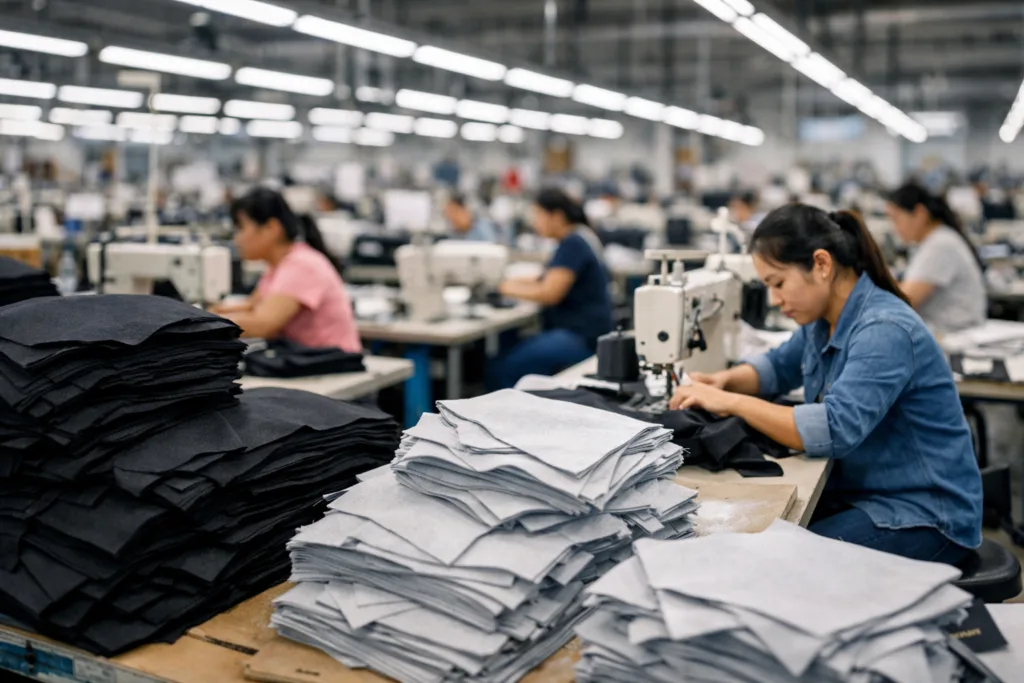
From firsthand experience, delays rarely have a single cause. Most are the result of ‘compound risk’—the snowball effect when raw material shortages, labor mismatches, design changes, and logistics hurdles overlap. The most common trigger points are:
- Raw Material Sourcing Issues: Late or inconsistent fabric trims arrival.
- Production Bottlenecks: Machine breakdowns, skill gaps, or overbooked lines.
- Last-minute Specification Changes: Buyers requesting tweaks after the sample is approved.
- Quality Control Failures: Rework cycles triggered by failed audits or inspections.
- Logistics & Freight Delays: Port congestion, customs holdups, or poor carrier selection.
The Financial Impact: What Delays Really Cost Brands
Apparel companies rarely publicize the full cost of delays, but behind closed boardroom doors, the pain is palpable:
- Missed Sales Windows: Late spring/summer arrivals sit unsold, deeply discounting margins.
- Air Freight Surges: Rushed shipments by air can cost up to 5 times more than sea freight—instantly eating away at profits.
- Retailer Penalties & Cancellations: Key accounts may demand discounts, late penalties, or even drop non-compliant suppliers.
- Erosion of Brand Trust: Chronic delays hurt retailer and consumer faith, causing long-term reputational damage.
- Operational Stress & Burnout: Staff scramble to fix crises, increasing turnover risks.
Key Touchpoints Where Delays Begin
Visibility is the mother of prevention. Brands that map their entire supply chain and project management workflow can spot weak points before they become crises. Critical delay points include:
- Design sample approval (are iterations too slow?)
- Raw material supplier lead time (are forecasts realistic?)
- Production line scheduling (is there enough slack?)
- Quality inspection frequency (are errors spotted early?)
- Freight and customs agency alignment
Insights from Apparel Industry Experts
According to top supply chain executives, proactive transparency and digital workflow management are essential tools for conquering delays. Platforms that allow real-time order tracking, integration with supplier ERPs, and automated alerts can turn critical hours into opportunities for quick action—not missed chances.
Role of Technology in Preventing Garment Production Delays
Cloud-based platforms, AI-powered demand forecasting, and IoT machine monitoring are leveling up the precision with which garment makers can plan and deliver. These solutions reduce error, foster collaboration, and let brands sidestep the messiest delay pitfalls. For example, factories that deploy IoT sensors on sewing equipment spot anomalies before a breakdown causes a production halt.
Managing Relationships with Key Suppliers
Supplier partnerships are at the heart of timely production. Brands that build multi-year trust, forecast well, and share incentives for on-time delivery face fewer surprises. Communication is king—routine check-ins, clear escalation processes, and joint risk mapping help everyone stay on track.
Case Study: How a Mid-sized Apparel Brand Overcame Delays
A well-known European contemporary fashion brand faced repeated cost-overruns due to late material shipments. By overhauling their production timeline and onboarding a second supplier, they cut average lead time by 18 days—while also negotiating rush order capacity for emergencies. This move protected $1.5 million in seasonal revenue that would have been lost without these changes. See more about building your own production timeline.
Seasonal Trends in Garment Production Delays
Seasonal factors matter—a lot. Chinese New Year, Ramadan, and other holidays can shut down entire regions for weeks, intensifying risk for spring and fall collections. Brands must forecast not just factory capacity, but also holiday calendars—building in 2–3 weeks of buffer for critical deadlines.
Impact of Order Size and Customization on Lead Times
Larger or highly customized orders almost always stretch production cycles. While economies of scale help, custom colorways or trims can bottleneck an otherwise fast-moving factory. Seasoned brands balance their bread-and-butter basics with new styles to keep production lines humming.
Rush Orders in Apparel: Worth the Risk?
Placing a rush order can solve urgent shortages but comes with real tradeoffs: higher prices, more QC errors, and a greater risk of late delivery if the factory isn’t well-prepared. Curious how it works in practice? Explore the rush orders in apparel.
How to Mitigate the Risk of Delays
- Vet all suppliers for reliability, not just price.
- Use backup suppliers or dual sourcing for critical items.
- Build buffer time for major orders.
- Invest in digital tools that provide real-time production data.
- Communicate early and often about specification changes.
Production Planning Tools that Make a Difference
Modern ERP and PLM (Product Lifecycle Management) systems give teams visibility into every phase—from design to delivery. Features like drag-and-drop scheduling, exception alerts, and document sharing help nip delays in the bud before they balloon out of control.
Global Supply Chain Volatility: Factor to Watch
Events like port strikes, pandemics, and container shortages can slip even the most disciplined manufacturers. Smart brands cultivate redundant supplier networks across multiple countries for added flexibility. This strategy comes at a modest cost but provides priceless agility when the unexpected hits.
Brand Reputation: The Hidden Victim of Delays
Missed deadlines aren’t just about hard costs—they sow disappointment in both retailers and consumers. Once trust is eroded, competitors step in to take shelf space, eating into market share that may never return.

Ninghow’s Approach to On-Time Delivery
At Ninghow, garment production delays are tackled pro-actively: dedicated project managers, precise order tracking, and on-site QC checks at each major stage. Strict timeline checkpoints and open supplier communication create space for flexibility—without last-minute panic. If you’re considering a reliable private label apparel manufacturer, it’s worth learning how factories like Ninghow approach real-world customization and production.
Cultural and Communication Barriers
Simple misunderstandings over tolerances, packaging details, or approval flow can stretch days into weeks. Experienced teams document everything, clarify with annotated tech packs, and build in time to triple-check the smallest assumptions.
The Role of Sampling and Approvals
Slow sample approvals or last-minute changes to fabrics and fits are among the most persistent root causes of delay. Brands that maintain clear, pre-agreed approval cycles and avoid indecision minimize these risks dramatically.
Sustainability Choices and Lead Times
Switching to more sustainable fabrics, packaging, or processes can temporarily add complexity and time—especially if new suppliers or certifications are required. The payoff: a stronger emotional connection with today’s eco-conscious consumer.
Overcoming Logistics and Shipping Disruptions
Freight is never under brand control, but working with expert logistics partners, leveraging air or multimodal shipping for urgent orders, and pre-clearing customs documentation goes a long way toward minimizing delay risks.
Quality Control and Re-Inspection Cycles
When mistakes slip past quality control, production comes to a screeching halt. Brands like Ninghow (brand mention) employ third-party inspections at key milestones to avoid last-minute surprises—a proven tactic for on-time success.
Price vs. Reliability: Should Brands Ever Choose the Cheapest Supplier?
Cutting costs by choosing the lowest bidder may drive initial profit—until the first major hiccup. Seasoned brands invest in reliability knowing that saving pennies up front can mean losing millions in lost revenue later. Don’t let penny-wise become pound-foolish.
The Importance of Post-Mortem Analysis for Continuous Improvement
After every season (or major shipment), best-in-class brands conduct a post-mortem review. What slipped? Which supplier overperformed? These unbiased debriefs turn each delay into an opportunity for process refinement and long-term gain.
How to Communicate with Clients and Retailers During a Delay
The best defense: transparent, early notice with a proposed solution. Most buyers appreciate quick notification and a gesture of goodwill—such as a small discount, air-freighting a partial shipment, or prioritized future allocation—over unwelcome surprises.
When to Switch Production Partners
If delays become chronic, brands must weigh recourse, including switching manufacturers. It’s not a decision to make lightly—explore all troubleshooting options first, but don’t let loyalty cost you future business. Learn more about when to address garment production delays with a new partner.
Garment Production Delays
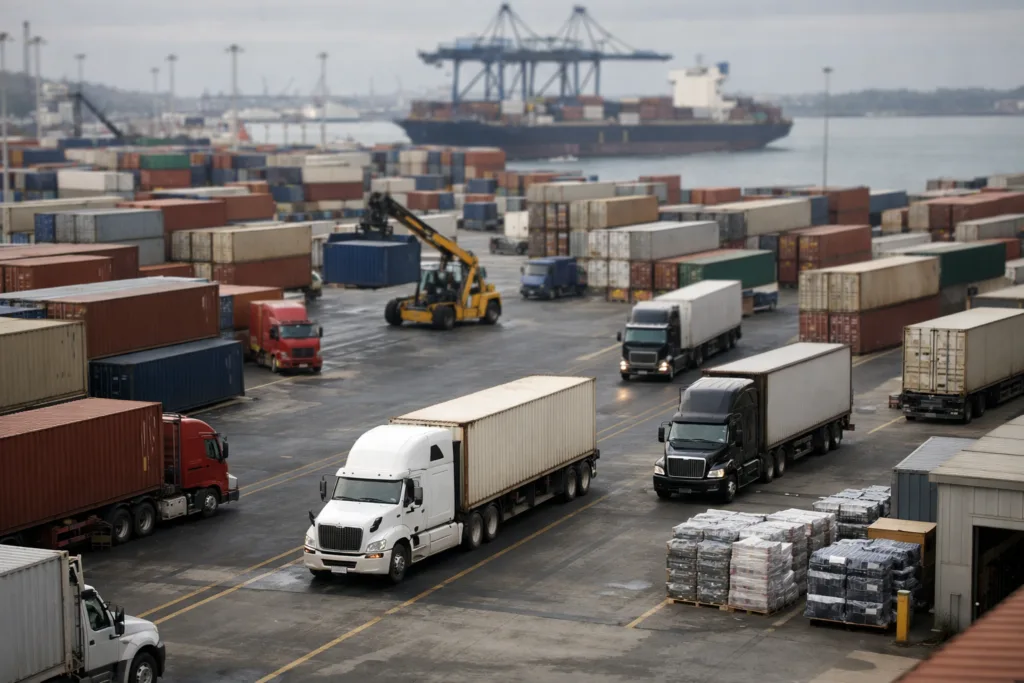
Garment production delays are costly, complicated, and common—but they’re also preventable. By investing in relationships, technology, and communication, apparel brands can shrink the ripple effects of missed deadlines and secure their position in a fast-moving, ever-rising industry.
Frequently Asked Questions
What is considered a garment production delay?
Any setback in the supply chain that causes apparel products to miss original delivery deadlines—whether due to late materials, factory issues, or logistics setbacks.
How much can delays cost apparel brands?
From missed sales seasons and air freight upgrades to lost retailer contracts, the financial impact ranges from thousands to millions of dollars depending on volume and timing.
Can technology help reduce production delays?
Yes. Digital production management tools, IoT factory sensors, and cloud-based communication make it possible to spot and address potential delays before they cause damage.
How can brands protect themselves from repeat delays?
Key tactics include using backup suppliers, regular supply chain audits, setting internal buffer deadlines, and fostering transparent relationships with factories.
Are rush orders always a good solution to delays?
No. Rush orders can help in emergencies but are costlier and pose higher risks of errors or incomplete shipments.
Is it worth switching suppliers if delays persist?
If all other solutions have failed and delays are ongoing, changing suppliers may be necessary to restore quality and timeline reliability.
