
Introduction: Understanding Garment Factory Capabilities
When planning apparel production, knowing a garment factory’s capabilities is crucial. This Factory Capability Overview (Machines + QC Workflow) lets buyers and brands see behind the curtain: sewing machines, specialized equipment, production lines, and, most importantly, Quality Control (QC) checkpoints. If you’re sourcing products or looking to scale, understanding these elements reveals not only a factory’s capacity but also its promise for consistent quality and timely delivery.
Core Factory Machines: The Industrial Backbone
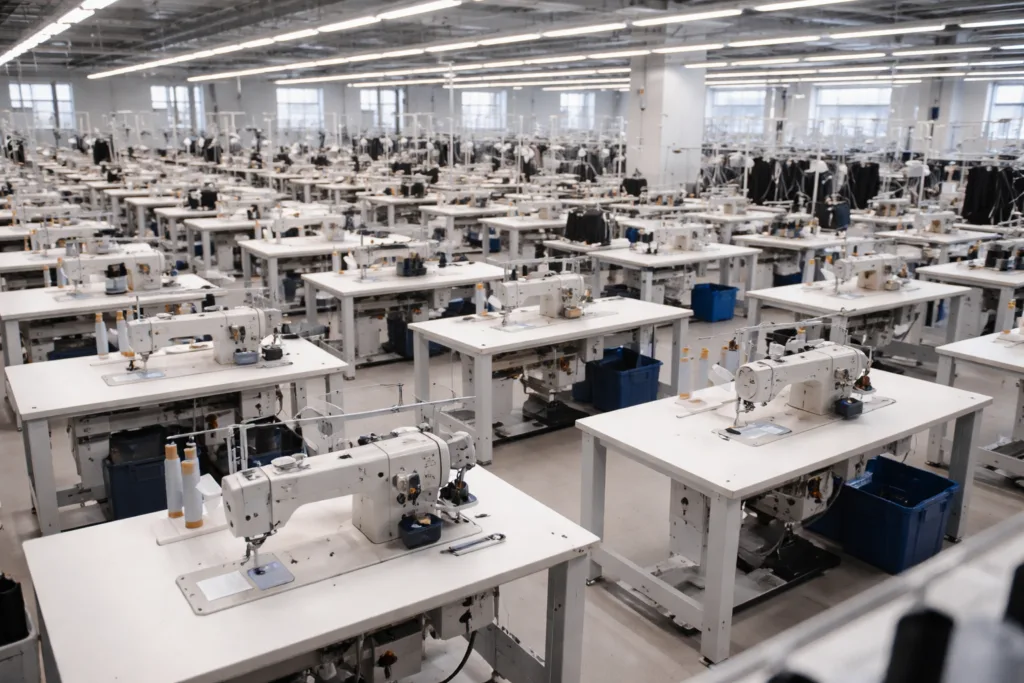
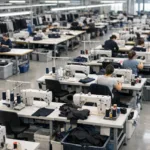
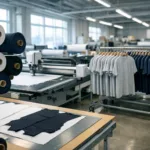
A garment factory’s capability starts with its machinery. A modern setup should include: high-speed lockstitch machines, overlock and flatlock for seam finishing, buttonholers, bartack, and computerized embroidery units. Specialized presses and fabric cutting tables further refine precision while automated spreaders speed up cut preparation. For detailed guidance on how factory machinery affects product quality and order limits, see Clothing Manufacturer MOQ, Sampling, Lead Time FAQ.
Lockstitch, Overlock, and Specialty Machines
Lockstitch is the classic for straight seams. Meanwhile, overlock and flatlock machines prevent fraying and enhance comfort for sportswear or casual items. Factories specializing in polos or hoodies often invest in advanced embroidery setups or large-format printers to support branding and decoration.
Automated Cutting and Spreading Systems
With auto-cutting machines, factories can cut fabric with precise repeatability; this ensures size specs are accurate and reduces waste. Spreading machines handle bulk fabrics efficiently, laying out rolls before cutting, which is key to keeping mass production smooth.
Pressing and Finishing Equipment
Quality pressing stations shape garments for final inspection. Steam presses and finishing irons remove creases, setting shape and presentation. Industrial washing and drying systems may be used for pre-heated fabrics or garment washing effects.
Production Line Organization: How Workflow Drives Outcomes
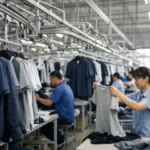
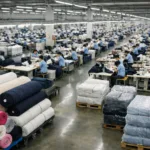
The layout and sequence of a garment factory’s production lines greatly influence both output volume and quality. Well-organized lines allow for process segmentation: each area specializes in specific steps, from assembly to finishing. Ninghow emphasizes clear workflow separation to prevent bottlenecks – ensuring pattern cutting, sewing, and finishing remain efficient and consistent.
Workstations and Lean Manufacturing
Modern factories use lean principles—workstations fitted for each garment style and process. This reduces idle time and allows operators to focus on their assigned tasks, improving both speed and skill retention.
Batch vs. Continuous Production Lines
Batch lines produce specific quantities, ideal for custom orders or complex items (jackets, multi-panel garments). Continuous lines optimize for bulk orders with minimal changeovers.
Assembly Flow Control
Supervisors oversee assembly flow, ensuring all parts come together without delays or mix-ups. Efficient flow avoids hidden errors and mismatches.
Capacity Metrics: Measuring Output and Limits
Factory output is calculated by daily and monthly production rates—often by garment type. Maximum output can be limited by machine count, skilled labor, complexity, or changeover demands (like switching styles). Understanding these metrics helps you forecast delivery timelines and schedule seasonal drops. For practical tips to plan for bulk apparel orders, read The Complete Playbook for Bulk Teamwear Orders.
Daily and Monthly Production Targets
Factories often define maximum daily pieces per machine, per line, and per style, adjusting for complexity. Monthly targets are set based on staff, working hours, and machine uptime.
SKU Variety and Style Switching
Factories handling high SKU counts need extra planning. Switching styles can cause downtime as machines are reset, patterns changed, and teams retrained.
Sample Room and Development Flow: Where Precision Begins
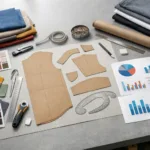
Before bulk production, a factory’s sample room tests concepts, checks fit, and approves trims. There, experienced pattern makers and sample sewers refine the spec sheets and build prototypes. Ninghow’s sampling workflow includes iterative reviews: measuring garment tolerance, adjusting fit, and confirming fabric performance—helping eliminate costly reworks later on.
Pattern Development and Fit Checks
Pattern makers use digital tools and manual methods to shape garment prototypes. Fit checks involve live models or mannequins, adjusting for movement, drape, and measurement accuracy.
Lab Dip and Color Approval Process
Color accuracy is ensured via lab dips. Fabrics are dyed in small batches, and colors are approved by both factory and brand before bulk dyeing begins.
Fabric and Trim Sourcing: Matching Quality With Capacity
A factory’s sourcing team ensures steady supply of approved fabrics, trims, and accessories. A good system can quickly substitute materials if stock issues arise without compromising the garment’s handfeel or performance. Learn more about matching sourcing strategy to production needs in Fabric & Trim Sourcing: 7 Secrets to Match Handfeel & Performance for Apparel Success.
Vendor Management and Compliance
Sourcing teams select vendors who meet compliance standards—such as OEKO-TEX, GRS, or GOTS certifications—ensuring materials are safe and fit for purpose.
Bulk Fabric Quality Checks
Upon arrival, fabrics are checked for shade, width, weight, flaws, and shrinkage. Only after passing these checks do they proceed to cutting.
QC Workflow Overview: Key Checkpoints You Should See
Quality Control (QC) is not just a final act; it’s woven throughout the process. QC checkpoints include incoming material inspection, pattern and sample approval, inline sewing audits, seam performance testing, and final garment reviews. Consistent QC means catching errors early and avoiding expensive fixes or batch recalls.
Material Inspection: Starting With Certified Inputs
Raw materials are inspected for color, weight, and compliance. Any deviations are flagged before production begins.
Inline QC: Real-Time Sewing and Construction Audits
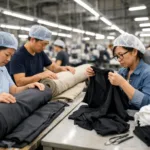
During sewing, dedicated QC staff audit seams, thread tension, and label accuracy. Inline QC prevents entire batches from needing rework. Comparison tables help teams track rejection rates and improvement areas.
Pre-Final and Final Inspections: Setting Quality Benchmarks
Garments undergo pre-final QC for sizing, embellishment accuracy, and construction. Final inspection covers overall appearance, measurement tolerances, and packaging compliance. For advanced QC reporting standards, see The Ultimate QC Reporting Template.
QC Nodes: Where You Should Expect Control Points
Critical QC nodes include: material receipt, sample approval, first-piece sewing, mid-line audit, finishing checks, and post-packing inspection. Brands should ask for detailed QC breakdowns at each node—especially in bulk manufacturing or when ordering new styles.
Key QC Tests: Seam Strength, Colorfastness, Measurement Consistency
Factories run seam strength tests (tensile pull), shrinkage and colorfastness for fabrics, measurement checks for fit, and AQL sampling for packed goods.
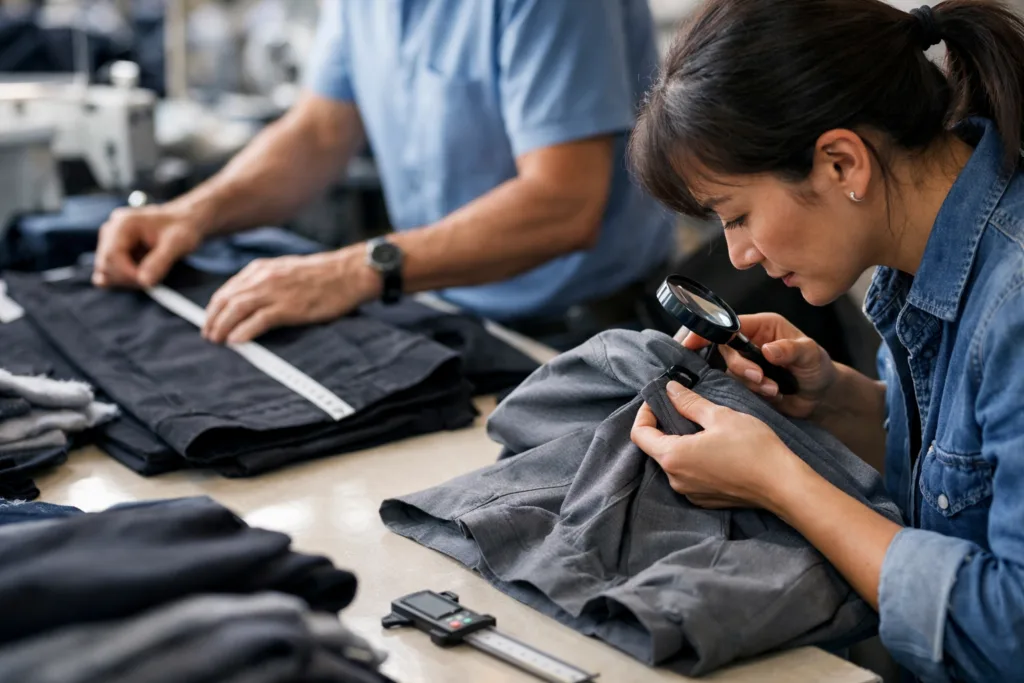
Tracking QC Documentation
QC teams keep records—usually digital—for each checkpoint, allowing traceability in case of audit or shipment issues.
Measurement and Tolerance: Controlling Fit and Quality Variability
Fit accuracy is guarded by strict measurement tolerance standards. Garments are checked against approved size spec sheets; tolerances (plus/minus in centimeters) determine acceptability. Too much deviation increases returns, while over-tight tolerances can cause delays.
Size Specification Documentation
Clear documentation prevents misinterpretation. Factories and brands clarify measurement points—shoulder, chest, length—and confirm acceptable tolerances.
Live Fitting and Sample Corrections
Live fitting is used to spot movement issues, and changes are made before bulk production. Periodic reviews and corrections keep the process tight.
Packaging and Logistics Workflow: Protecting Finished Garments
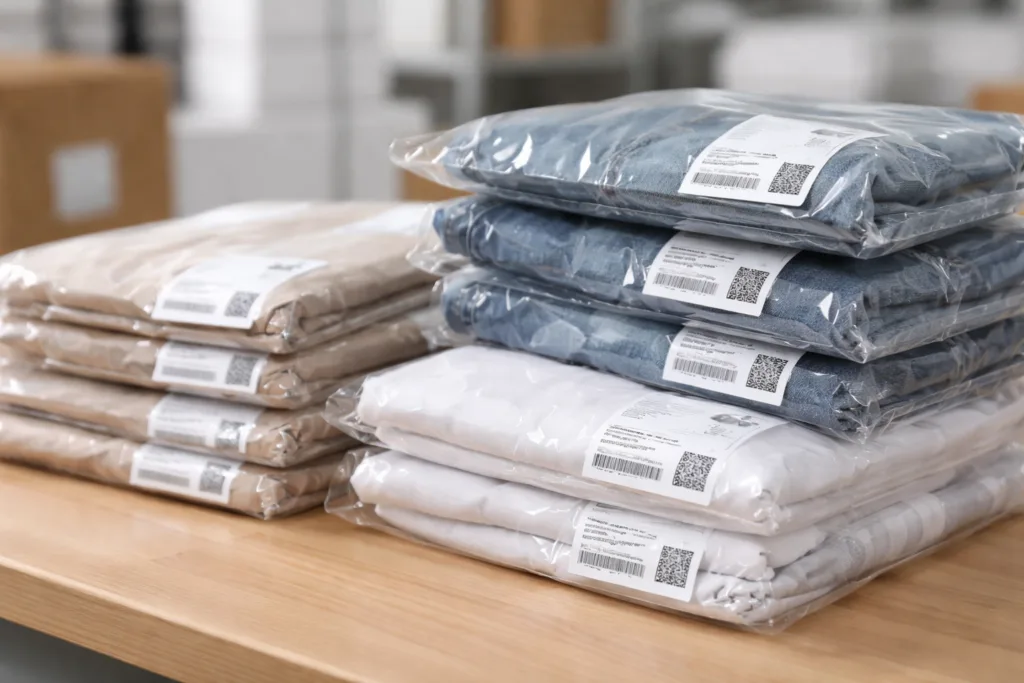
Packing is not just about boxes. Compliance with local and international standards matters. Factories check polybags, cartons, inserts, product labeling, and ensure correct packing lists. A well-done packing process prevents damages and keeps customs clearances efficient.
Packaging Compliance and Safety Checks
Rules manage packaging for sustainability, safety, and transit durability. Carton sizes, labeling placement, and barcodes all get checked before goods are shipped.
Logistics Coordination for On-Time Delivery
Logistics teams track shipment schedules, booking transportation that matches deadlines and avoids bottlenecks. Well-organized logistics can mean the difference between a smooth launch and market delays.
Social Compliance Nodes: Ethical Manufacturing Benchmarks
Social compliance audits focus on worker safety, fair wages, and environmentally friendly practices. Factories should have established procedures and documentation proving safe working conditions and transparent labor practices.
Certification Processes and Brand Requirements
Brands increasingly demand certifications—ISO, WRAP, or BSCI. Factories prepare documentation and facilities for scheduled and unannounced audits.
Order Communication and Progress: Keeping Buyers Informed
Progress updates are sent to buyers at each stage: fabric arrival, sample approval, cutting, sewing, inspection, packing, and shipment. Clear communication prevents unnecessary surprises and gives brands control over timelines.
Reporting Template Use for Consistency
Consistent reporting templates highlight milestones, delays, and QC test results. This transparency enables brands to make informed decisions, adjust launch dates, or handle pre-market marketing.
Sustainability in Factory Workflows: Green Practices Growing
More factories are adopting green practices—energy-efficient machines, recycled materials, water-saving dye houses, and robust waste management. Sustainability is being monitored not just by brands but also by regulators and buyers.
Traceability and Environmental Audits
Green claims must be proven. Environmental audits check raw material origins, water treatment records, and packaging reduction strategies.
Problem Solving: What Should Buyers Watch For?
Even a well-equipped factory can run into issues. Watch for inconsistent QC checkpoints, unclear sample approval workflows, or bottlenecks in style switching. Brands should regularly review QC documentation, check fit tolerance, and ask for batch production updates.
Common Factory Pitfalls and Solutions
Common problems include delayed sample feedback, unexpected fabric shortages, or measurement drift. Solutions involve tightening communication, using clear approval workflows, and setting realistic production timelines.
The Factory Capability Overview (Machines + QC Workflow)
The Factory Capability Overview summarizes: machine types, production line organization, QC nodes, capacity metrics, and specialty workflows. It’s a practical map for buyers and brands to match factory strengths with project requirements and guarantee reliable outcomes.
Comparing Factories: Capacity, Machines, and QC Workflow Table
| Aspect | Factory A | Factory B | Factory C |
|---|---|---|---|
| Machines | 120 lockstitch, 30 embroidery | 80 lockstitch, 20 embroidery | 60 lockstitch, 10 embroidery |
| Line Organization | Lean, high process separation | Batch, moderate flexibility | Continuous bulk-focused |
| QC Workflow | Inline QC, AQL, full documentation | Final QC only, basic reports | Inline + Final, minimal records |
| Capacity (pieces/month) | 300,000 | 180,000 | 120,000 |
| Specialty | Hoodies, embroidery | T-shirts, polos | Jackets, outerwear |
Experience Insights: What Ninghow Shares From the Shop Floor
At Ninghow, consistent garment quality relies on strict pattern-to-production checks and frequent QC touchpoints. Transitioning from sampling to bulk, they highlight the need to lock in fit tolerances early. Their practical advice: never underestimate the benefit of live size reviews, and always keep a real-time QC log to spot issues before they snowball.
Conclusion: Factory Capability Overview Takeaways for Apparel Buyers
A detailed Factory Capability Overview (Machines + QC Workflow) arms buyers with transparency—showing not only the machines and processes but also the QC nodes that protect product quality. By clarifying production flows, capacity limits, and checkpoint strategies, brands and factories can build mutual trust, reduce surprises, and deliver consistent results. Whether you’re placing your first order or scaling up, knowing what you should see, measure, and demand from a garment factory keeps your business on track for reliable production and quality outcomes.
Frequently Asked Questions
What machinery should a modern garment factory have?
A modern garment factory needs lockstitch, overlock, flatlock, and specialized machines, plus cutting and finishing equipment for product variety and efficiency.
How does QC workflow affect garment quality?
Multiple QC checkpoints—from material inspection to final review—catch errors early, quickly address deviations, and ensure garments meet both measurement and finishing standards.
What are critical QC nodes in clothing production?
QC nodes include material receipt, sample approval, sewing audits, finishing checks, and post-packing inspections. Each acts as a quality filter to protect brand reputation.
How do factories manage fit and measurement consistency?
Factories use approved size spec sheets, defined tolerances, live fitting, and periodic reviews to maintain sizing accuracy and prevent costly returns.
Which certifications are important for social and material compliance?
Key certifications include OEKO-TEX, GRS, GOTS, BSCI, and WRAP—showing material safety, ethical labor, and environmental responsibility.
How do buyers track production progress and quality?
Routine updates, standardized reporting templates, and access to QC documentation let buyers monitor milestones, spot issues early, and adjust if needed.
Related Reading
- 29 Most-Overlooked Factory Details You Need To Check
- The Full Golf Polo Production Guide: From Fabric Sourcing to QC
- Decoding Certifications: OEKO-TEX vs GRS vs GOTS for Garment Buyers
- Eliminate Repeat Errors: The Winning Garment Sample Approval Workflow
- Mastering Garment Size Spec: How To Maintain Measurement Tolerance
