


Wholesale beach shorts should be sourced only after the supplier confirms the product construction, fabric, size range, customization scope, order quantity, sample process, quality checks, delivery requirements, and quote validity. For a project-specific quotation, send Ninghow a written brief covering these points instead of relying on generic prices, assumed minimum order quantities, or unverified delivery promises. This approach applies whether you are evaluating wholesale board shorts, wholesale swim trunks, or bulk swim shorts for retail, private label, hospitality, or organizational use. For a related process overview, review beach shorts comfort, fit, and construction choices.
The first decision is not which supplier has the lowest apparent unit price. It is whether the supplier can answer the same specification and commercial questions in a form your team can approve. Product choices affect fabric consumption, construction time, packaging, fit risk, and the number of samples required. Buyers comparing a beach shorts manufacturer should therefore separate confirmed information from capabilities that still require written confirmation.
Wholesale Beach Shorts: What Buyers Should Confirm First
Before requesting a quote, define the intended use and the garment you want priced. A resort retailer may prioritize a consistent size run and repeatable color program, while a promotional order may prioritize artwork placement and delivery coordination. A private-label brand may also need labels, packaging, and a documented approval process. These requirements should be stated separately so the quotation does not combine optional features with the base garment.
Use the following inquiry structure to prepare a comparable response from Ninghow or another supplier:
| Buyer decision area | Information to define | Questions to ask Ninghow | Evidence or approval required |
|---|---|---|---|
| Product and quantity | Shorts type, target use, quantity by color and size | What current MOQ applies to this style and customization level? | Written quantity breakdown and quote scope |
| Construction | Length, waistband, closure, pockets, lining, trims | Which requested construction options can be produced for this project? | Technical specification, reference sample, or approved drawing |
| Materials and fit | Composition, fabric weight, stretch requirement, size range, measurements | Which fabric options, size charts, grading rules, and tolerances are available? | Current fabric documentation and approved measurement chart |
| Branding and packing | Artwork, labels, decoration, hangtags, folding, cartons, packaging | Which branding and packing elements are supported, and what restrictions apply? | Artwork proof, trim approval, and packing specification |
| Commercial terms | Destination, shipping basis, duties, payment terms, quote validity | Which delivery and payment terms can be quoted for this destination? | Current written quotation with assumptions and validity date |
Ask for missing information rather than filling gaps with industry assumptions. In particular, request confirmation of the current MOQ, sample charges, sample timing, bulk lead time, shipping basis, and payment conditions. These are project-specific commercial details and can change with quantity, fabric, decoration, destination, and production schedule.
Choose the Right Beach Shorts Product Specification
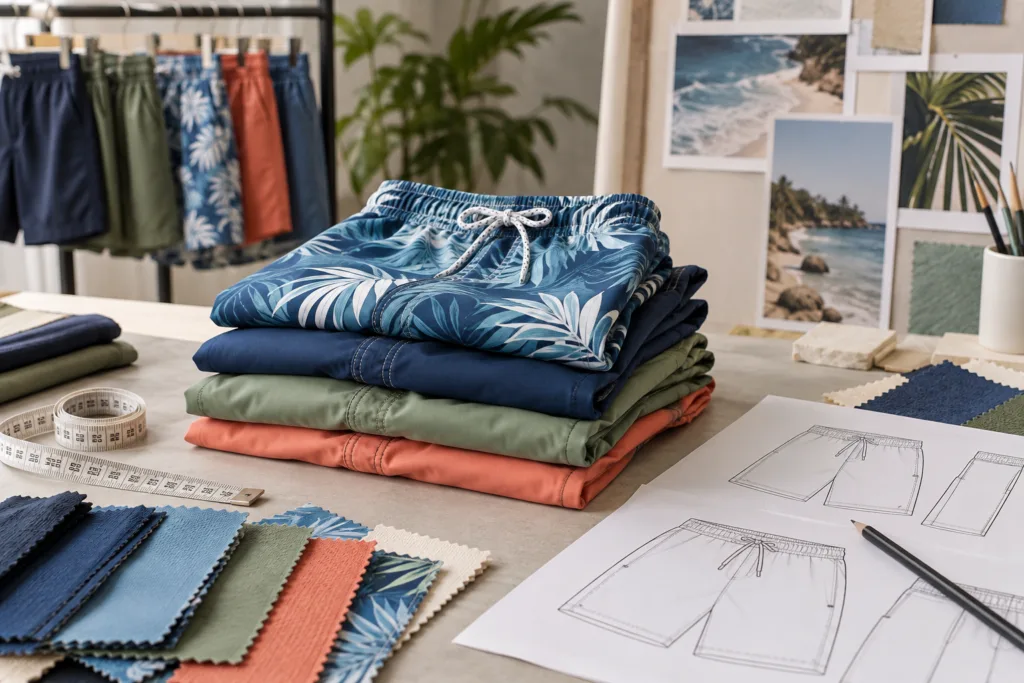
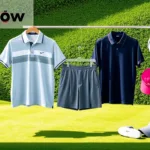
“Beach shorts” can describe several constructions. A board short may use a different closure, waistband, pocket arrangement, or lining approach from a swim trunk. A casual beach short may be designed for resort wear rather than extended water use. The name alone is not enough for a reliable quote, so provide a reference image, technical sketch, existing garment, or measurement sheet where possible.
Define the construction before comparing prices
Specify the intended outseam or length, rise, waistband construction, drawcord or other closure, pocket count and placement, hem finish, side vents, logo positions, and trim details. If a pocket must close securely, state the required closure rather than simply writing “pocket.” If the garment needs an internal liner, describe its coverage, attachment, and intended function. If it should be unlined, state that clearly and confirm how the finished garment will be presented and measured.
For a practical comparison of the comfort and construction implications, buyers can review beach shorts comfort, fit, and construction choices while keeping the final specification specific to their own customer and use case. Use this guidance to frame the decision, but approve the final requirements through a technical pack or sample.
Resolve lined and unlined requirements early
Lining changes the feel, coverage, sewing operations, material usage, and potentially the price. It can also affect how measurements are taken and how the product is packed. Do not assume that a supplier offers every lining construction or that a lining is suitable for every market. State whether the design is lined or unlined, identify the lining area, and ask Ninghow to confirm the available construction, fabric composition, and care information.
The guide to lined versus unlined beach shorts can help frame that decision. For a quote, however, the buyer should still provide a chosen option, a reference, or a clear request for alternatives. Pricing and feasibility should be compared only when the underlying construction is equivalent.
Separate style naming from confirmed capability
Use terms such as board shorts, swim trunks, and beach shorts as working product descriptions, then ask for confirmation of the exact style. Do not assume that a pictured color, pattern, size, trim, or design is continuously stocked or available. If you are developing a men’s range, include the target wearer, fit block, size range, and measurement chart; a related resource on men’s beach shorts manufacturing and custom sourcing can help organize those questions.
At this stage, a complete brief should identify the base garment, intended use, construction details, reference materials, required quantities, and unresolved alternatives. Once those fundamentals are fixed, material selection and size planning can be evaluated without confusing a design preference with a verified supplier capability.
Materials, Performance Requirements, and Size Planning
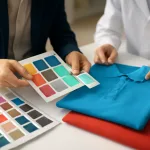
Fabric should be specified by documented composition and construction rather than by marketing language. Request the available composition, fabric weight, width where relevant, stretch direction or recovery requirement, color process, care instructions, and any current test or specification documents that apply to the proposed fabric. Do not describe a fabric as quick-drying, recycled, durable, premium, or performance-tested unless Ninghow provides supporting evidence for that exact material and use case.
Performance requirements should be measurable where possible. Instead of writing “comfortable and durable,” describe the intended activity, acceptable hand feel, required range of movement, exposure to water or sunlight, and any test method or acceptance criterion your organization uses. If no internal standard exists, ask Ninghow which documentation is available and record the answer as a quotation assumption rather than a promise.
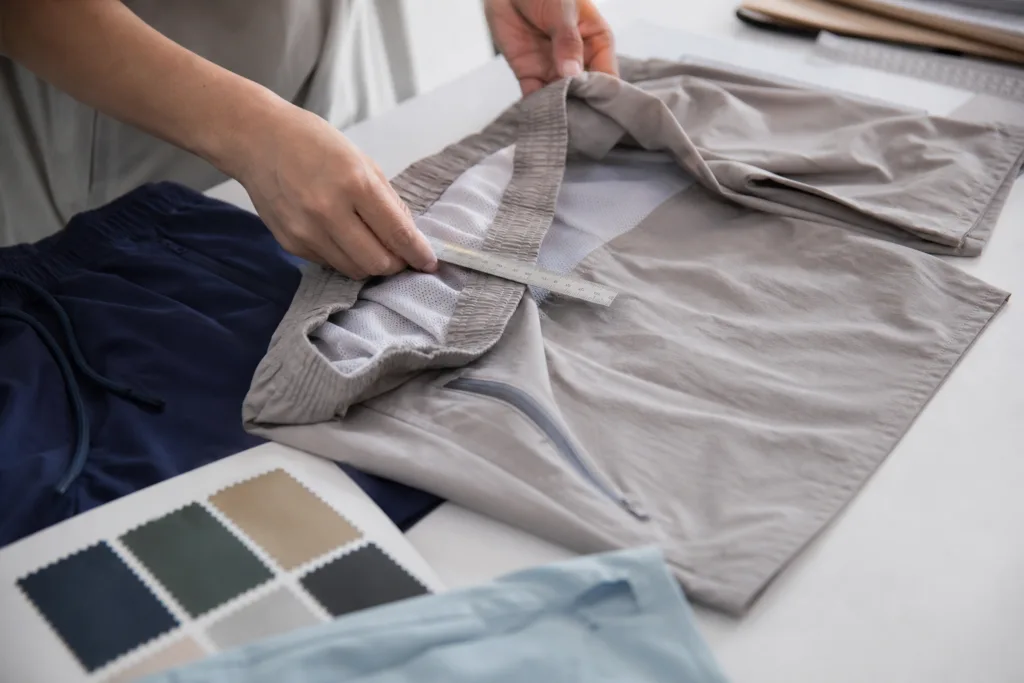
Size planning also needs more than a list of labels. Provide body measurements or a current size chart, identify the measurement points, state the intended fit, and request the supplier’s grading method and measurement tolerances. Decide whether quantities will be ordered by size and color or as a mixed assortment. A mixed assortment may simplify inventory planning, but it must still be priced and approved by size, color, and total quantity.
Before bulk approval, compare the approved sample against the measurement chart, fabric description, construction details, artwork, trims, and packing instructions. Record any permitted tolerance and revision requirement in writing. This protects the buyer from approving a sample that is visually acceptable but commercially different from the specification used for the quote.
Customization and Private-Label Scope
Customization should be described as a list of requested outputs, not as an assumed supplier capability. Identify the base color, artwork, print or embroidery position, label type, hangtags, packaging, trims, and carton requirements. Include artwork files, color references, placement measurements, and any brand guidelines that affect production. Then ask Ninghow to confirm which options are available for the proposed beach shorts and whether restrictions apply to fabric, construction, artwork, or order quantity.
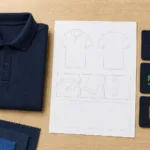
Private-label buyers should also separate product development from repeat ordering. A first project may require a technical pack, development sample, size-set approval, artwork proof, and packaging approval. A repeat order may use an approved specification but still require confirmation of the current fabric, trims, color, and production conditions. Buyers comparing suppliers can use how to choose a custom clothing manufacturer for bulk production to structure broader supplier questions, while keeping the final decision tied to written project evidence.
MOQ, Sampling, and Approval Workflow
Do not treat minimum order quantity as a single universal number. Ask for the current MOQ by style, color, size assortment, fabric, and customization level. A supplier may need different conditions for a stock-based option, a new color, a custom print, or a fully developed private-label garment. Request the quantity basis in writing and ask whether sampling quantities are separate from bulk quantities.
A practical approval sequence is:
- Send the product brief, reference images or garment, measurement chart, artwork, quantity plan, destination, and commercial requirements.
- Review the supplier’s proposed construction, fabric information, quotation assumptions, and available options.
- Request the appropriate sample type and record sample charges, timing, revision rules, and approval responsibilities.
- Check measurements, fit, fabric, lining, closure, pockets, decoration, labels, and packing against the brief.
- Approve one controlled specification and identify what must not change without written approval.
- Confirm the final quantity, quotation validity, payment terms, shipping basis, and production-start conditions before placing the bulk order.
If the project depends on a lower quantity, ask how low-MOQ apparel manufacturing options apply to the requested construction and customization. Treat this information as a starting point, then confirm the MOQ, fee, and production route for the beach-shorts project.
How Wholesale Beach Shorts Pricing Is Calculated
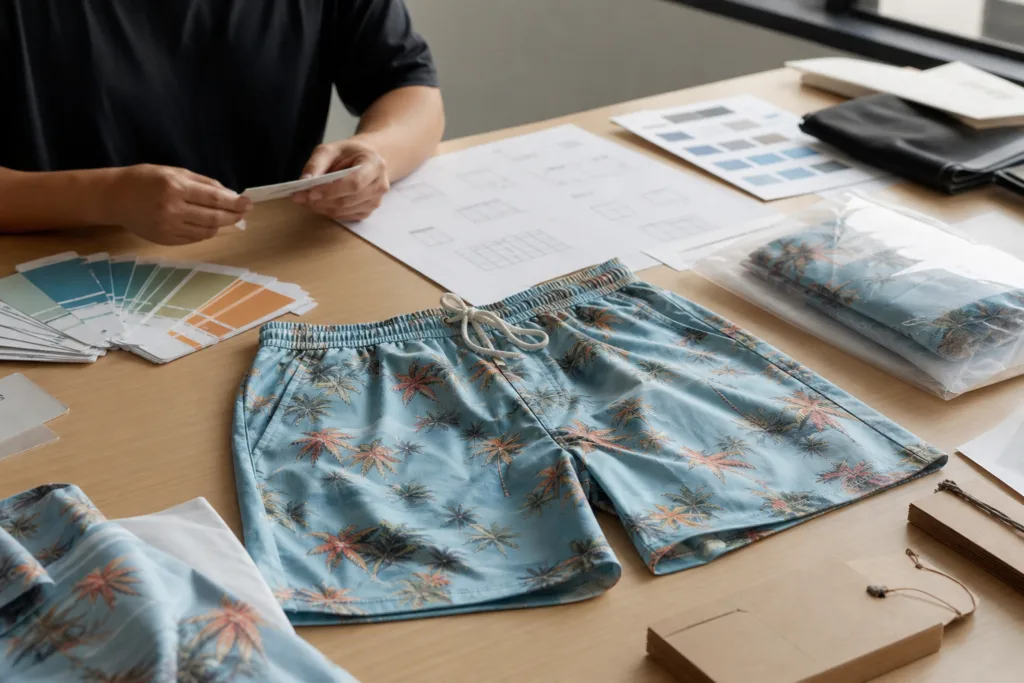
A useful quotation should show the assumptions behind the unit price and identify costs that sit outside the garment price. Ask Ninghow to separate the base garment from fabric changes, lining, trims, pockets, closures, decoration, labels, packaging, sampling, tooling if applicable, freight, duties, and other destination-related charges. The quote should also state the currency, quantity basis, payment terms, shipping basis, and validity date.
Quantity affects more than the total invoice. The breakdown by style, color, and size can change material planning, setup work, packaging, and the commercial basis of the order. Provide the intended assortment before requesting a final price. If alternatives are under consideration, ask for separate prices rather than allowing different constructions to be combined into one average figure.
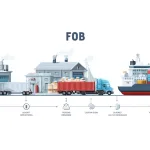
Buyers should also clarify who is responsible for transport, import clearance, duties, inspection, and destination charges. Request the applicable delivery term if Ninghow offers one, and confirm the named destination or port. This prevents a factory-side price from being mistaken for a landed cost.
Quality Control and Pre-Shipment Checks
Quality requirements should connect directly to the approved sample and technical specification. Ask how the finished garments will be checked for measurements, construction, stitching, fabric identity, color, closure function, pocket placement, lining, decoration, labels, and packing. If your organization has tolerance limits or defect definitions, attach them to the RFQ and request written acceptance of the requirements.
Before shipment, request the inspection record, measurement results, packing confirmation, or other quality evidence that Ninghow can provide for the project. Clarify whether checks occur during development, before bulk production, during production, or before shipment. Also define what happens if a result does not match the approved specification: who reviews the issue, whether corrections require approval, and how affected goods are handled.
Do not assume that a visual approval covers fabric composition, color performance, safety, or other technical matters. Where those points matter, request current documentation or a stated test and acceptance method for the exact material and use case. Keep the approved sample, final artwork, measurement chart, packing instructions, and quotation together as the control set.
Production Timeline, Shipping, and RFQ Checklist
Ask for separate timing guidance for quotation, material confirmation, development samples, revisions, approval, bulk production, inspection, and shipping. Any estimate should be tied to the agreed quantity, construction, customization, destination, and approval date. Record the assumptions and ask Ninghow to identify which events start the production clock. Do not publish or plan around a generic lead time that has not been confirmed for the project.
A complete RFQ for bulk beach shorts should include:
- Product type, intended use, reference garment, technical sketch, or measurement sheet.
- Length, rise, waistband, closure, pockets, hem, lining, trims, and construction details.
- Fabric composition, weight, stretch direction, color requirements, care information, and requested documentation.
- Size range, measurement chart, grading expectations, tolerances, and quantity by size and color.
- Artwork, label, decoration, packaging, hangtag, folding, and carton instructions.
- Sample type, target approval date, revision expectations, and any internal testing or inspection requirements.
- Total quantity, destination, shipping basis, duties, payment terms, and required delivery window.
- Questions requiring written confirmation, including MOQ, available options, quotation validity, and production conditions.
When the brief is ready, contact Ninghow with the intended use, quantity, material direction, decoration, sampling requirements, and the supporting specification so the response can address the actual project rather than a generic beach-shorts description.
What is the MOQ for wholesale beach shorts from Ninghow?
Ninghow’s current MOQ must be confirmed for the specific style, quantity breakdown, fabric, color, and customization level. Request the applicable MOQ in the quotation.
Can Ninghow make private-label or custom beach shorts?
Ask Ninghow to confirm the requested private-label, artwork, label, packaging, color, and construction options in writing before treating them as available.
How long does sampling and bulk production take?
Request separate, project-specific timing for samples, revisions, approval, bulk production, inspection, and shipping. Timing depends on the confirmed scope and approval schedule.
What should be included in a beach shorts wholesale RFQ?
Include the product specification, fabric, sizes, quantities, customization, artwork, packaging, sample requirements, destination, commercial terms, and required delivery window.
How can buyers verify quality before shipment?
Agree the approved sample, measurements, tolerances, defect definitions, inspection points, and required records, then request the available pre-shipment quality evidence.