

Introduction
For many parents, school administrators, and sports team coordinators, finding the right boys polo shirts fabric can feel like an overwhelming choice. Comfort, breathability, durability, and maintenance all play a role in deciding which material best meets your needs. Should you go with soft, classic cotton? The performance-ready polyester? Or a blend that offers a bit of both worlds?
In this guide, we’ll compare cotton, polyester, and blended fabrics for boys’ polo shirts. We’ll break down how each performs in comfort, sweat absorption, ease of washing, and overall wearability, so you can make an informed decision for your school uniforms, sports apparel, or casual wear line.
Understanding the Common Fabric Types for Boys Polo Shirts
Cotton
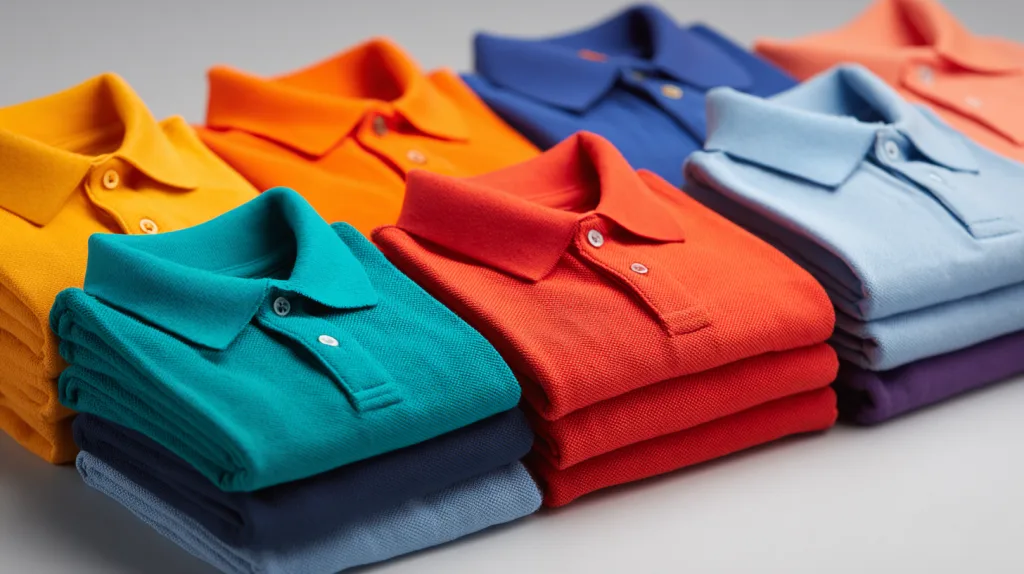
Cotton has been the go-to choice for decades in polo shirts. It is naturally soft, breathable, and gentle on the skin — making it an excellent option for younger wearers.
Key Benefits:
- Comfort: Exceptionally soft and non-irritating.
- Breathability: Allows air to circulate, keeping the wearer cool.
- Absorbency: Absorbs sweat well, preventing sticky discomfort.
Drawbacks:
- Can shrink if not cared for properly.
- Takes longer to dry.
- Wrinkles more easily.
Best for: Everyday wear, school uniforms, or any environment where comfort is the top priority.
Polyester
Polyester polo shirts have gained popularity in activewear and school settings due to their performance-driven qualities.
Key Benefits:
- Durability: Resistant to stretching, shrinking, and wrinkles.
- Quick-Dry: Wicks moisture away from the skin and dries fast.
- Color Retention: Colors stay vibrant after many washes.
Drawbacks:
- Less breathable than cotton.
- Can feel less soft to the touch.
- May retain odors if not washed properly.
Best for: Sports teams, outdoor activities, and situations where quick drying and durability matter most.
Blends (Cotton-Polyester Mix)
Blended fabrics aim to combine the strengths of both cotton and polyester, giving you a well-rounded solution.
Key Benefits:
- Balanced Comfort: Softer than pure polyester, yet more durable than pure cotton.
- Wrinkle Resistance: Easier to care for and less prone to creases.
- Moisture Management: Often includes moisture-wicking properties.
Drawbacks:
- May not match 100% cotton’s natural feel.
- Performance depends on the exact blend ratio.
Best for: All-around use — suitable for both active and casual wear.
Fabric Comparison: Comfort, Sweat Absorption, and Ease of Washing
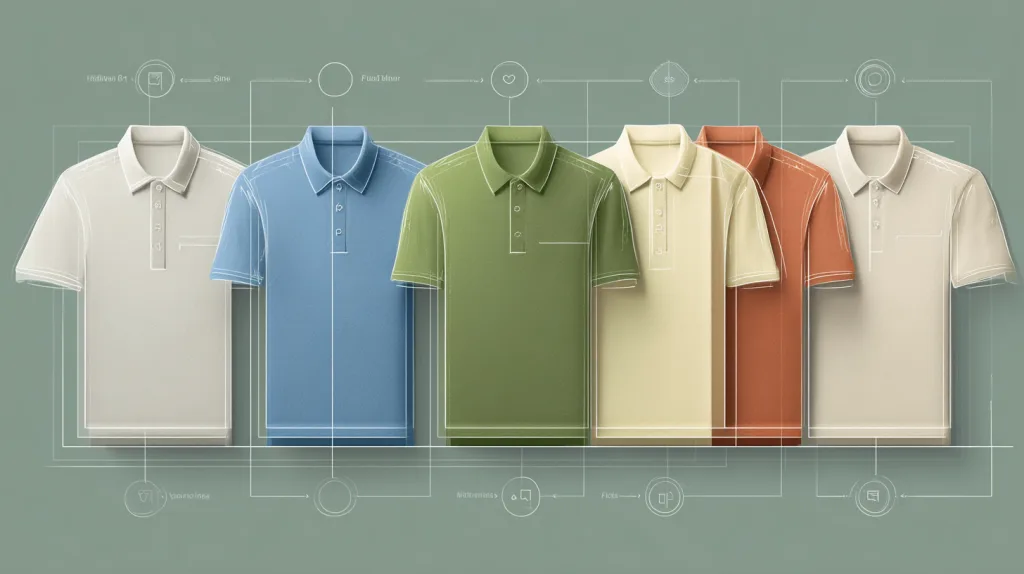
Comfort
- Winner: Cotton for softness; Blends for balanced feel.
- Cotton polos feel natural and breathable, ideal for all-day wear.
- Polyester polos excel in active settings but may feel slightly synthetic.
- Blends strike a balance — soft yet strong.
Sweat Absorption & Breathability
- Winner: Cotton for absorbency; Polyester for moisture-wicking.
- Cotton absorbs sweat and keeps skin cool but can stay damp.
- Polyester wicks moisture away but may trap heat in very hot conditions.
- Blends offer moderate sweat control without getting too heavy.
Ease of Washing & Maintenance
- Winner: Polyester for durability and wrinkle resistance.
- Cotton requires gentle care to prevent shrinking.
- Polyester is machine-wash friendly, keeps shape, and resists wrinkles.
- Blends are low-maintenance and keep their look longer.
Which Fabric Should You Choose for Boys Polo Shirts?
Your choice depends on your priority:
- For ultimate comfort: Go with 100% cotton.
- For sports or active wear: Choose 100% polyester.
- For everyday, mixed use: Opt for a cotton-poly blend.
At Ninghow, we offer all three fabric types with small minimum order quantities (MOQs), fast sampling, and full customization options. Whether you’re outfitting a school, sports team, or launching your own line, we’ll help you choose the ideal material for your needs.
Real-World Example: School Uniform Selection

One school recently approached us for new boys’ polo shirts. They initially wanted cotton for comfort, but after learning about polyester’s wrinkle resistance, they chose a 65/35 cotton-poly blend. This gave students comfort during class while making life easier for parents who no longer had to iron daily.
