
Overview of Leading Sportswear Brands
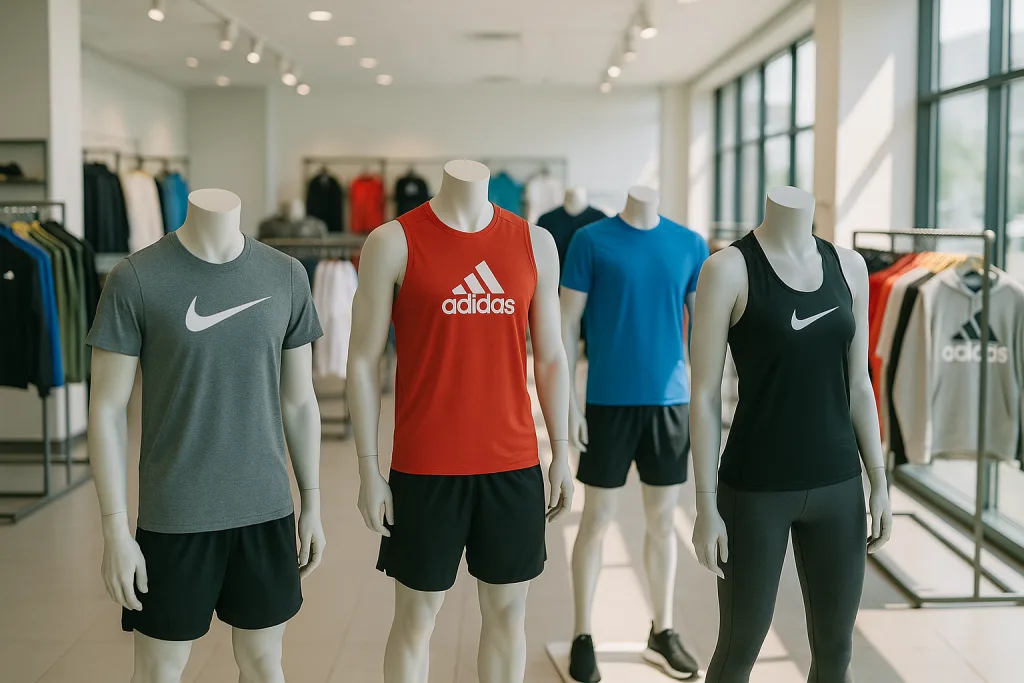
Sportswear leaders in 2025 combine remarkable designs with uncompromising performance. Major players such as Nike, Adidas, and Under Armour continuously push boundaries. But fresh contenders—including Alo Yoga, Gymshark, On Running, and Lululemon—win fans thanks to specialized activewear collections, sustainability initiatives, and bold marketing.
Key Features Shaping the Market
- Breathable technical fabrics for comfort and moisture control
- Advanced patterns for improved fit and mobility
- Sustainable production with recycled polyester and organic cotton
- Decorative finishes—from high-density screen prints to premium embroidery
- Consistent sizing across collections, enabled by precise tech packs and tolerances
Emerging Labels to Watch
Up-and-coming brands leverage private label manufacturing and custom sportswear OEM to develop signature looks. Operators like Ninghow enable startups and new designers to compete, offering high-grade polo shirts, hoodies, T-shirts, and even team uniforms with consistent fit and premium craftsmanship.
What Drives Brand Success in Sportswear
The true mark of a standout sportswear brand is a blend of performance, style, and dependability. Leading activewear companies excel by selecting technical fabrics, controlling every production stage, and investing in reliable distribution. For customers, these factors translate into durable gear—whether it’s a marathon runner’s shorts or a football team’s training kits.
Fabric Choices and Construction Details
- Combed cotton: Yarns like 20s, 24s, and 32s deliver softness and breathability
- Recycled polyester (rPET): Boosts moisture-wicking and reduces carbon footprint
- Elastane blends: Improve stretch, recovery, and form-hugging fit
- Knit types: Single jersey, pique, or French terry for different use cases
- Woven fabrics: Twill and poplin support durable pants and jackets
| Material | Finish/Property | Best-Use Scenario |
|---|---|---|
| 24s combed cotton | Soft, breathable; preshrunk | Casual T-shirts, polos |
| Recycled polyester | Moisture-wicking, UV protection | Running shirts, team sports |
| Pique knit (180–220 gsm) | Textured handfeel, structure | Polo shirts, uniforms |
| French terry (280–320 gsm) | Soft inside, absorbent | Hoodies, sweatshirts |
| Modal/elastane blend | Cooling, stretchy | Yoga wear, fitted tops |
Finishes & Performance Features
- Moisture-wicking finishes keep athletes dry during workouts
- Antimicrobial treatments reduce odor and bacteria build-up
- UPF coatings help protect skin from UV rays outdoors
- Stain release tech makes cleaning easier for daily wear
- Colorfastness guaranteed by strict lab work—check out the ISO 105 protocol for dye reliability
Fit Consistency & Pattern Quality
High-tech cutting processes, including auto-cutters and precise markers, help major brands and OEMs like Ninghow deliver products with accurate sizing. Graded size sets and careful grainline control mean customers get the expected fit every time, even across large batches.
Expert Insight
Ninghow’s tech packs define every detail—from collar rib width and button placement to tolerance limits—ensuring reliability for clients launching custom sportswear labels.
The Importance of Supply Chain and Sourcing
Behind every top activewear brand, an efficient supply chain ensures quality and timely launches. Leaders oversee the whole process: from lab dips for color matching to final AQL-based quality control. Modern sportswear relies on strong vendor partnerships—from fibers to packaging.
Color & Lab Testing
- Pantone color approval for bulk orders
- Shade bands and batch control to avoid mismatches
- Wash testing for colorfastness and shrinkage
Quality Control and Compliance
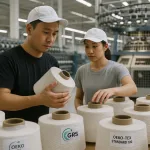
Brands enforce quality at every stage: inline and endline checks, puckering detection, precise spec measurements, and stability wash testing. Compliance matters too. Reliable partners uphold OEKO-TEX STANDARD 100 for chemical safety, plus certifications like GOTS for organic content.
Packing & Logistics
Final stages cover folding (flat or hanger), polybag specs, size ratio packs, and export carton marks. Leading brands track every unit using barcodes or EAN labels. Fast shipping relies on clear Incoterms, whether shipping EXW, FOB, or DDP.
Private Label Sportswear & Custom OEM: Behind the Scenes
Private label sportswear and custom sportswear OEM (Original Equipment Manufacturer) give brands the freedom to design and control product details without owning factories. Top OEM producers—like Ninghow—support creative startups right through pattern making, bulk fabric sourcing, construction, decoration, and packaging.
How ODM/OEM Works
Clients provide a tech pack (a blueprint for their apparel), which includes measurements, materials, stitch types, and decoration requirements. The OEM handles sourcing, cutting, sewing, and quality checks. Decoration options range from plastisol screen printing for durability to sublimation for vivid prints on polyester.
Sewing & Assembly
- SMV and line balancing maximize productivity
- Specialized needle and seam types (ISO 301, 401, 504, 602) match garment needs
- Bartacks and coverstitch ensure durability at stress points
Decoration Techniques
- Silk screen (water-based and discharge) for eco-friendly branding
- Direct-to-garment (DTG) for complex graphics on cotton
- Sublimation for crisp color on polyester
- Embroidery (including 3D puff) for logos and text details
- Heat transfer for promotional wear
Starting Your Own Sportswear Brand: Steps & Pitfalls
Launching a sportswear label in 2025 means combining bold ideas, smart planning, and the right production partner. OEMs like Ninghow streamline the journey from sketch to shop floor, whether you need polos, hoodies, shorts, or entire collections. Here’s how to get started:

1. Define Your Niche & Audience
Target active lifestyles, competitive sports, or athleisure—and research what customers expect in fabric, fit, and style. Use insights from top activewear brands as reference points.
2. Build Your Tech Pack
Document every aspect: sketches, material specs (like GSM and blend%), color Pantone, size breakdown. Include instructions for finishes like moisture-wicking or anti-odor.
3. Select Materials & Finishes
Choose fibers and treatments for your target market—do you need organic cotton, rPET, or blended knits? Specify required finishes (UPF, stain-release) and decoration methods suitable for your price point and audience.
4. Partner with Reliable OEM/ODM
Find manufacturers with proven expertise, consistent fit standards, and aligned values. Ninghow, for example, delivers bulk production and small custom runs with sustainability-focused processes and dependable timelines.
5. Navigate Sampling to Bulk
- Start with lab dips and strike-offs for color matching
- Request production samples and graded size sets
- Approve PP sample (pre-production) before moving to bulk
- Review final bulk and top-of-production (TOP) samples for QC
6. Packaging, Logistics & Launch
Design attractive packaging, specify hangtags and labels, and confirm export documents for global shipping. Use barcode systems for inventory tracking and accurate storefront display.
Best Sportswear Brands in 2025: What Makes Them Stand Out

Best sportswear brands in 2025 excel by delivering fresh designs, advanced performance, and ethical sourcing. They combine smart materials, expert patterns, and robust quality control with sustainability and bold storytelling. Whether launching a startup or expanding an existing collection, partnering with an OEM like Ninghow unlocks full creative control over polos, T-shirts, hoodies, and more, all backed by precision and reliability.
Frequently Asked Questions
What makes a sportswear brand stand out in 2025?
Brands stand out through advanced fabrics, unique styles, reliable quality, and transparent supply chains. Sustainability and fit consistency are crucial differentiators.
Can small labels compete with top activewear brands?
Yes, modern OEM services allow small brands to produce high-quality, low MOQ sportswear with custom details and branding, helping them compete effectively.
How do OEM manufacturers ensure quality?
Quality is maintained with strict inline/endline checks, spec tables, lab testing, and compliance with global standards like OEKO-TEX and GOTS.
What fabrics dominate sportswear in 2025?
Recycled polyester, organic cotton, modal blends, and advanced knits lead. Moisture-wicking and antimicrobial finishes are near-universal for performance wear.
How important is lab dip and color matching?
Lab dips ensure bulk colors match sample approval. Proper shade control prevents mismatched orders and maintains brand consistency.
What does Ninghow offer for new sportswear brands?
Ninghow provides OEM/ODM services, technical expertise, and reliable production for private label sportswear, ensuring precision, sustainability, and scalable solutions.
