





The Meaning of Best Quality Hoodies
Best quality hoodies combine premium materials, expert construction, and a consistently comfortable fit. In today’s competitive apparel market, top-tier hoodies must deliver durability, vibrant color, and reliable wear from the first touch. Brands like Ninghow set high standards for quality, including strict fabric sourcing and thorough testing. The right design, combined with advanced production techniques, leads to garments that feel luxurious, wear well over time, and maintain their shape and appearance after repeated use. Let’s explore the real markers of hoodie quality, from materials to QC management.
Key Criteria for Best Quality Hoodies

Quality hoodies stand out through a combination of factors: material selection, GSM (grams per square meter) weight, stitch density, seam construction, and production finishing. Judging best quality involves more than just feel—it’s about structure, performance, and longevity. Industry leaders examine details like fiber type, stitch reinforcement, print durability, and shrink resistance. Each characteristic plays a role, whether you seek a lightweight summer layer or a heavy-duty sweatshirt for colder months.
- Fabric composition (cotton, polyester blend, organic fibers)
- Stitching standards and seam strength
- Weight (GSM) for warmth and drape
- Consistent sizing and shape retention
Common Fabric Types Used in High-End Hoodies
Fabric is the foundation of hoodie quality. Luxurious, long-staple cotton—such as combed or ring-spun varieties—offers softness and durability. Blends of cotton with recycled polyester (rPET) deliver breathability and resiliency, while elastane provides stretch. Modal and viscose add a smooth touch fit for premium ranges. High-quality hoodies favor knits like French terry (smooth face, loop back), interlock (double-sided, stable), and fleece (brushed or unbrushed backers for warmth). GSM ranges typically fall between 280 to 360 for winter-weight pieces, with single jersey options around 220–270 GSM for lighter utility.
| Fabric Type | Main Properties | Best Use Scenario |
|---|---|---|
| Combed Cotton (32s) | Soft, strong, minimal pilling | Lifestyle, casual wear |
| Organic Cotton (GOTS) | Sustainable, hypoallergenic, premium | Eco-conscious collections |
| Poly/Cotton Blend (50/50) | Wrinkle resistant, moisture-wicking | Sports, high-activity |
| Recycled Polyester (rPET) | Lightweight, quick dry | Activewear, eco-friendly |
| French Terry | Breathable, smooth exterior | Year-round, versatile |
| Brushed Fleece | Insulating, soft handfeel | Winter, streetwear |
How Stitching Standards Define Quality
The strength and appearance of seams tell you a lot about hoodie quality. Premium hoodie manufacturers use industry-standard lockstitch (ISO 301), overlock (ISO 504), and coverstitch for hems to improve durability. Common features include twin-needle construction for shoulders, bartacks on pocket edges, and reinforced elbow seams. Tolerance in stitch density, usually 8–12 stitches per inch (SPI), ensures that seams hold under stress without puckering. This gives comfort and extends the life of the hoodie—especially important for sports or teamwear.
- Lockstitch for critical joins (shoulder, armhole)
- Coverstitch for hem stability and flexibility
- Bartacks at stress points (pockets, hood base)
- ISO 602 flat seams for comfort against skin
Choosing the Right GSM (Fabric Weight)
GSM, or grams per square meter, measures fabric density and directly affects the hoodie’s warmth, drape, and strength. For best quality hoodies, manufacturers adjust GSM depending on the season and target market. Light hoodies (220–270 GSM) suit warmer months, while heavier builds (280–360 GSM) deliver warmth and structure for fall and winter. The optimal range also considers layering needs and durability—you want enough substance to withstand washing and wearing without being bulky or saggy.
- 220–270 GSM: Lightweight, layering, mild climates
- 280–320 GSM: Mid-weight, streetwear, mild-to-cool
- 320–360 GSM: Heavyweight, athletes, winter
QC Management: Ensuring Consistent Quality
Quality control (QC) safeguards every hoodie, from initial cutting to final packing. Reliable brands follow strict inline and endline checks—measuring tolerances, inspecting seams for puckering or skew, and confirming dimensions against graded size sets. Wash testing evaluates color stability and shrinkage using recognized standards such as AATCC 135/150 and ISO 105-C06. Accessories—zippers, drawcords, labels—also undergo needle detection to guarantee safety, especially for export markets. The best factories apply AQL sampling, aiming for zero critical defects and minimal minor issues in every batch. QC also covers packaging: hangtags, care labels, polybags, and carton markings for safe delivery.
Expert Insight: “Our QC teams inspect every seam, color, and measurement to uphold consistent standards across all hoodie styles. No unit ships with failed specs or poor finish.” — Ninghow Production Manager
Color Consistency and Lab Testing
Vibrant, fade-resistant color signals premium hoodies. Leading factories submit lab dips and strike-offs for bulk color approval, matching Pantone codes precisely. Each production batch is tracked to avoid shade bands—noticeable color variation between units. Testing includes colorfastness to washing (ISO 105-C06), light (ISO 105-B02), and rubbing (AATCC 8). Branded batches use spectrophotometers to monitor shade uniformity. Proper fabric compaction and enzyme washing help prevent excessive bleeding or uneven fading.
Pattern Making and Cutting Accuracy
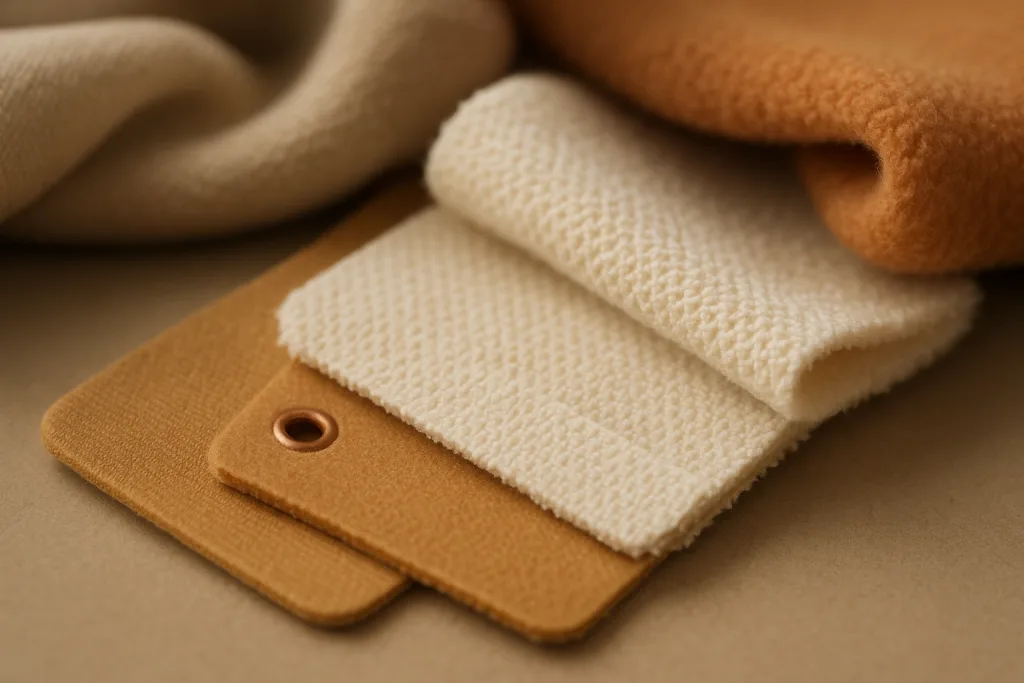
Accurate patterning and cutting shape the fit and style of best quality hoodies. Tech packs contain flat sketches, measurements charts, and tolerances. Skilled marker makers optimize fabric yield, reducing waste while maintaining alignment with the grainline. Automatic cutters and manual notching improve edge quality. Fabric is relaxed before cutting to minimize distortion, and size sets are graded for body shapes in target markets—helping deliver reliable fit for B2B clients like Ninghow partners.
- Flat pattern drafting to precise size spec
- Marker layout for minimal fabric waste
- Grainline control for drape and shape
- Manual QC on all cut panels
Decoration, Finishing, and Application Scenarios
Hoodie decoration elevates value, whether for brand identity or customization. High-quality screen prints—using plastisol or water-based inks—must balance sharp detail and soft handfeel. Direct-to-film (DTF), direct-to-garment (DTG), and sublimation (for polyester hoodies) offer versatile options for logos or graphics. Embroidery—flat and 3D/puff styles—requires stabilizers to avoid puckering and boost durability. Heat transfers add intricate detail with minimal bulk. All finishes undergo wash and rub testing for adhesion and colorfastness. These choices affect handfeel, style, and longevity, so businesses should consult with reputable manufacturers on the best methods for their intended use—sports, streetwear, or promotional events.
| Decoration Type | Feel | Durability | Recommended Use |
|---|---|---|---|
| Screen Print | Soft to semi-plastisol | High | Bold logos |
| DTF Transfer | Soft, thin | Moderate | Complex graphics |
| Embroidery (3D) | Textured | Very high | Brand marks |
| Sublimation | No handfeel | High (poly) | Bright, all-over |
Best Quality Hoodies
True best quality hoodies combine thoughtfully chosen fabrics, skilled stitching, and precision assembly for unmatched comfort and endurance. When selecting a clothing manufacturer, demand details on fiber content, GSM choice, seam type, and QC systems. Request lab test reports on colorfastness and shrinkage, and ask about the finishing treatments—such as brushed backs for warmth or moisture-wicking for performance. Leading OEM factories, including Ninghow, integrate sustainability goals by sourcing GOTS-certified organic cotton and rPET yarns, offering options for eco-conscious buyers. From streetwear and team uniforms to resort and corporate programs, every decision—from design to packing—determines final product excellence.
Packaging and Delivery Protocols

The process doesn’t stop at the sewing line. Finished hoodies receive careful folding, polybagging to specification, and size ratio packing to streamline distribution. Each unit features branded hangtags, woven labels, and clear care instructions using ISO 3758 symbols. Cartons bear barcodes, item codes, and destination marks for traceability. Export shipments comply with Incoterms—FOB, CIF, or DDP—while manufacturers provide pre-production samples (PP sample), then a top-of-production (TOP) for final quality assurance. Reliable delivery and secure packaging cement buyer confidence and protect product integrity on arrival.
- Branded & care labels (woven/screen)
- Folded to spec for shelf or bulk
- Polybagged, barcoded, and boxed correctly
- Bulk shipped per client instructions
Frequently Asked Questions
What fabric is best for quality hoodies?
Combed cotton, organic cotton, French terry, and brushed fleece are top choices for high-end hoodies due to their softness, strength, and breathability.
How much does GSM affect hoodie quality?
GSM, or fabric weight, influences warmth, drape, and durability. Heavier fabrics offer more structure and comfort in colder weather, while lighter ones suit layering.
Why is double-stitched seaming important?
Double-stitched seams increase durability, reduce seam failure under tension, and enhance the hoodie’s shape retention, especially at stress points like shoulders and pockets.
How do manufacturers ensure color consistency?
Lab dips, strike-offs, and batch control guarantee color accuracy. Shade bands are avoided using tight process control and spectrophotometer measurement for every batch.
What quality checks are essential for hoodies?
Tolerances in measurements, seam inspection for puckering, needle detection, and wash testing for shrinkage and colorfastness are key steps in QC management.
Can custom prints or embroidery affect hoodie quality?
Yes, decoration methods impact handfeel and durability. Choose trusted methods—screen print, embroidery, or heat transfer—tested for adhesion and wash stability.
