




Best Men’s Hoodies: Style, Material, and Design Essentials
Men’s hoodies have long been a wardrobe staple for style, comfort, and versatility. Whether you want an athletic fit, a trendy oversized silhouette, or a classic layer for cool weather, the best men’s hoodies deliver performance and personality. This guide explores key hoodie designs, fabric weights, color trends, and sample evaluation techniques, ensuring you make smart choices from sketch to bulk production. With insights from Ninghow—a trusted clothing manufacturer for brands worldwide—discover what truly sets top men’s hoodies apart and how expert craftsmanship brings them to life.
Key Hoodie Styles: From Streetwear to Sportswear
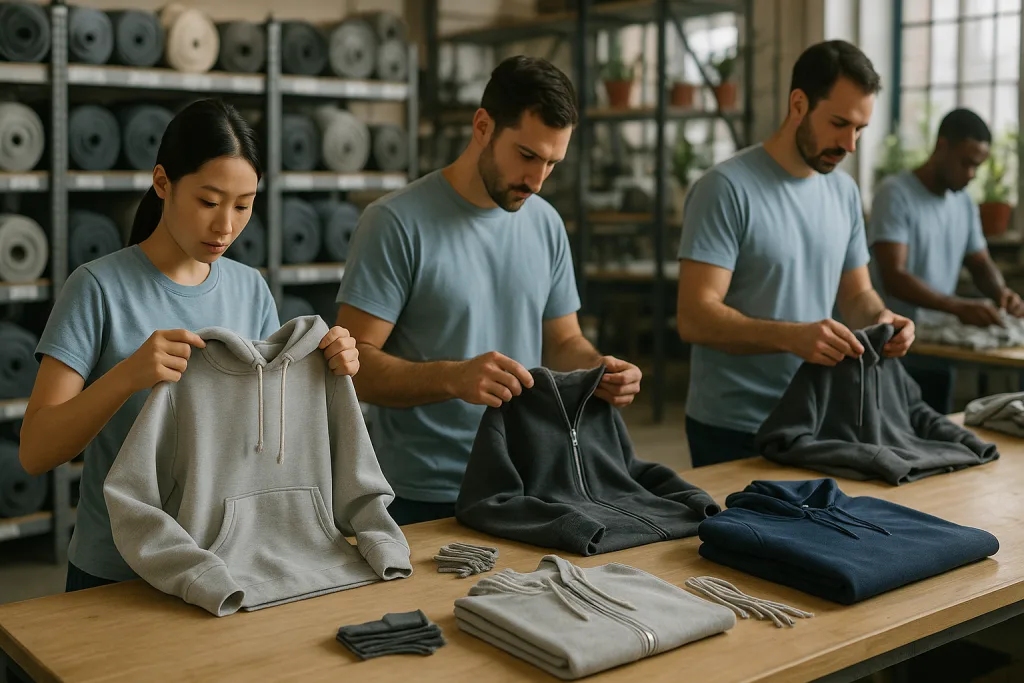
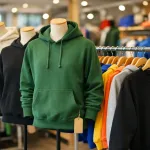
Men’s hoodies come in numerous styles, each meeting different needs. Shape and construction define comfort, utility, and trend appeal. The most popular silhouettes include:
- Pullover Hoodies — Easy-going and unfussy, these feature a fixed hood, kangaroo pocket, and rib hem/cuffs. Ideal for layering over tees.
- Zip-Up Hoodies — Split front with a metal or plastic zipper. Offers flexible wear and easy on-off, great for warm-ups or travel.
- Oversized Hoodies — Dropped shoulders, deep hoods, and loose fits. Streetwear brands favor these for relaxed looks and easy styling.
- Athleisure Hoodies — Designed for movement. Often feature raglan sleeves and technical knit fabrics, wicking moisture during sports or gym sessions.
- Cropped Hoodies — Shorter body length, emphasizing a modern, youthful vibe. Paired with high-waist pants for contemporary appeal.
Fit Consistency Matters
Tight tolerances in pattern grading and cutting ensure each garment follows specs for chest, sleeve, and body length. Ninghow’s teams use graded size sets and skilled marker layouts for repeatable accuracy. This results in uniform products across all bulk orders.
Visual Features & Detailing
- Double-layered hoods for durability and insulation.
- Rib-knit cuffs and waistbands for shape retention.
- Flatlock stitching (ISO 601) for smoother seams, enhancing comfort and style.
- Decorative drawcords, logo embroideries, and special printing (DTF, screen).
Fabric Choices: Crafted for Performance and Comfort
Choosing the right fabric is crucial to building comfortable, durable men’s hoodies. Each knit type and fiber blend offers distinct texture, feel, and performance.
Main Hoodie Fabrics & Construction Types
| Fabric Type | Description | Weight (GSM) | Best Use |
|---|---|---|---|
| French Terry | Looped back, smooth face; midweight, breathable | 240–320 gsm | All-season, casual, athletic |
| Brushed Fleece | Plush interior, soft touch; warmer | 280–360 gsm | Cold weather, premium streetwear |
| Single Jersey | Smooth, lightweight, stretchy | 160–220 gsm | Light layering, cropped styles |
| Organic Cotton | GOTS certified, natural fiber, sustainable | 220–320 gsm | Eco lines, lifestyle wear |
| Recycled Polyester | Soft, durable, moisture-wicking | 240–300 gsm | Sports, eco-athleisure |
Understanding GSM (Grams per Square Meter)
GSM measures the weight and density of fabric. Heavier fabrics (280–360 gsm) create warm, substantial hoodies ideal for winter and streetwear. Lighter knits (200–240 gsm) suit spring layering and modern cropped fits. Ninghow specialists coordinate GSM for bulk orders to balance comfort, warmth, and cost.
Popular Blends
- Cotton/Polyester (70/30 or 60/40) — Boosts durability, quick-dry, and shape retention.
- Cotton/Elastane — Adds stretch for athletics and active movement.
- Modal/Viscose Mixes — Enhances softness and fluid drape, perfect for premium offerings.
Men’s Design Priorities: Comfort, Structure, and Expression
Good men’s hoodies blend technical construction with personal style. Design choices impact the garment’s feel, look, and lifespan.
Key Design Elements
- Hood Construction
Double-layered panels, cord channels with metal eyelets, and structured shaping. Sits comfortably without slouching. - Pocket Placement
Classic kangaroo, side-entry zippered, or hidden pockets. Influences both utility and handfeel. - Seam & Stitch Type
Flatlock and coverstitch hems prevent chafing and distortion. Bartack reinforcements add durability. - Rib Knit Details
Strong cuffs and bottom bands, often 2×2 rib, provide resilience over repeated wear. - Print & Embroidery
Screen print (plastisol, water-based), direct-to-garment, 3D embroidery. Choose a technique that matches brand identity and logo scale.
Fit Trends & Silhouette
- Oversized/Fashion-forward — Drop shoulder, boxy fit, extended sleeve cuffs.
- Tailored/Athletic — Structured shoulder angle, slim waist, articulated sleeve shape for movement.
Expert Takeaway
“Design choices should consider not just current fashion but also the core needs of your audience: warmth, durability, and consistency. Every detail, from hood depth to pocket size, shapes brand identity and user satisfaction.”
Color Trends: Seasonal Directions for Men’s Hoodies
Color updates keep men’s hoodies fresh each season. Recent years see both bold statements and nuanced neutrals. Color choice often begins with Pantone matching and lab dips during development.
Top Color Directions (2024–2025)
- Earthy Neutrals — Stone gray, wheat, olive, terracotta. Paired with subtle branding or contrast rib.
- Mainstay Black & Navy — Always in demand for urban utility; easy for mix-and-match styling.
- Pops of Color — Bold reds, cobalt blues, forest greens for standout retail programs.
- Pastel Accents — Soft powder blue, mint, lavender—popular for spring promotional runs.
Color Approval Process
Ninghow’s bulk production follows strict color checks: lab dips for initial match, strike-off samples for print/embroidery laydowns, and shade band controls for large runs. Pantone system (TCX codes) ensures precise and repeatable colors across batches.
Fabric Weight Guide: How GSM Impacts Hoodie Performance
GSM affects warmth, density, drape, and handfeel. Make informed choices based on intended use and brand positioning:
- 160–220 gsm: Lightweight hoodies for layering, workouts, and fashion-forward cuts.
- 220–280 gsm: All-purpose hoodies, athletic teamwear, mild weather comfort.
- 280–360 gsm: Heavy, plush hoodies built for winter warmth or statement streetwear.
Practical Implications
- Higher GSM = greater thermal insulation and perceived quality.
- Lighter GSM = better for summer or indoor use, but may lack durability for tough environments.
- Blended fibers can offset GSM downsides by enhancing stretch, shape, or softness.
Sample Evaluation Checklist: Ensuring Hoodie Excellence
Before bulk production, sample review is vital for catching issues and confirming specs. Here’s how leading manufacturers like Ninghow approach hoodie sample audits:
- Measurement Table Checks
Confirm chest, length, sleeve, hood depth, and pocket size against graded marker tolerances. - Fabric Inspection
Check GSM, color match, backing quality, and finish (brushed, peach, or compaction). - Construction Details
Review seam types, stitch density (8–12 SPI), bartack strength, and rib attachment. - Decoration Quality
Screen print clarity, embroidery coverage, wash fastness for print/ink. - Fit & Appearance
On-body look for size consistency, drape, and fabric recovery after stretching. Check for puckering, twisting, or skew. - Lab Testing
Optional: colorfastness (ISO 105-C06), shrinkage (AATCC 135), pilling resistance (ISO 12945), seam strength (ASTM D1683), and OEKO-TEX STANDARD 100 for safety.
Ninghow’s Approach: Craftsmanship, Sustainability, and Reliable B2B Service
Ninghow stands out for precise fit grading, strict bulk color approval, and controlled GSM within every hoodie order. Their sustainable offerings include organic cotton, recycled polyester, and supply chains audited for BSCI/WRAP. Factory teams balance SMV efficiency and expert QC checks for consistent output. Brands receive dedicated support—from tech pack development to final packaging and international logistics, all designed for minimal lead times and cost certainty.
Manufacturing Process: From Design to Delivery
Turning a hoodie concept into best-in-class bulk products involves careful planning and skilled execution. Here’s how leading makers approach each step:
Design & Tech Pack
Designers prepare detailed tech packs with graded size charts, color specs, print/embroidery locations, and material/equipment lists. Clear communication reduces mistakes and speeds up sample cycles.
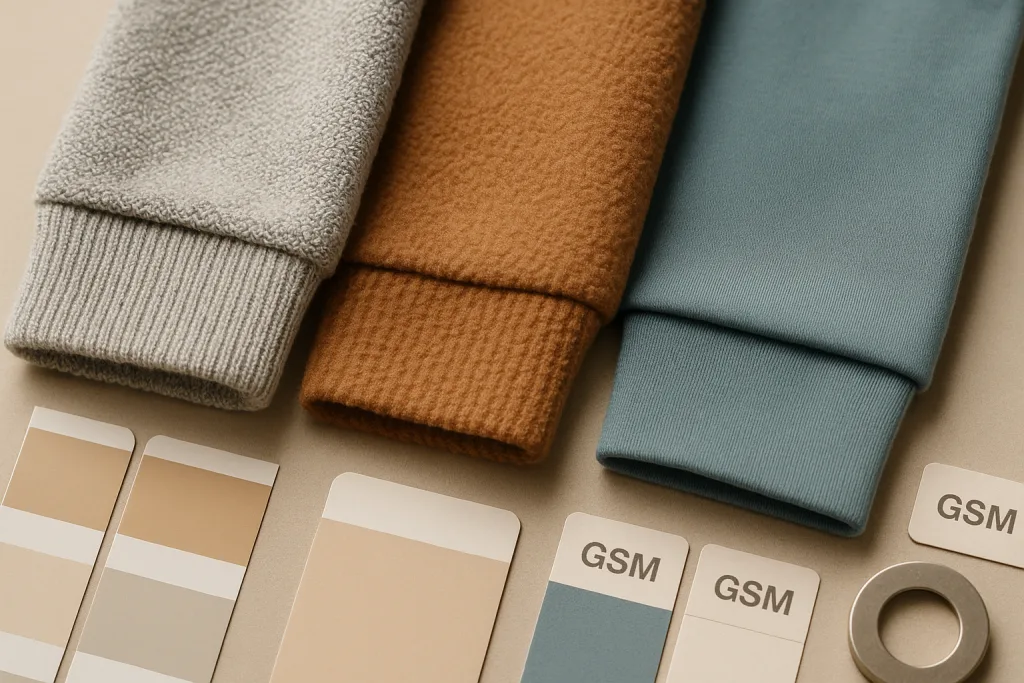
Fabric and Color Approval
Lab dips and strike-offs ensure Pantone consistency. Bulk fabrics are tested for GSM, shrinkage, and handfeel. QC teams check for shade continuity and fiber mix accuracy, using batch controls.
Pattern Making & Cutting
Markers are laid for both auto-cutter and manual cutting, controlling grainlines and avoiding excessive wastage. Relaxed fabric is notched and cut according to tolerances. Ergonomic marker layouts limit cost per unit.
Sewing and Assembly
Operators use industrial machines (ISO 301, 401, 504, 601 stitch types). Line balancing helps maintain throughput. Rib cuffs and bottoms are attached with coverstitch for clean, durable finish.
Decoration
Screen printing uses both plastisol and water-based inks. DTF printing and embroidery provide alternative branding. QC checks include wash testing and handfeel analysis.
Quality Control
Inline/endline audits measure each finished hoodie against spec tables. Special checks catch puckering, needle damage, and seam strength issues. Needle detection is standard for international programs where kids’ safety and import standards apply.
Packaging & Export Logistics
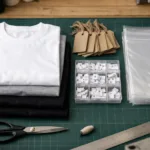
Folding follows preset methods. Hoodies are packed into size ratio or single-size polybags, labeled with EAN/UPC barcodes and international carton marks. Incoterms (FOB, CIF, DDP, etc.) determine shipping routes and final pricing for importers.
Applications: Sports, Streetwear, Uniforms, and Promo Programs
The best men’s hoodies adapt to diverse scenarios—from athletic teams to fashion retailers.
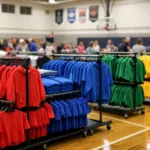
- Team Uniforms: Custom colors, numbering, and school or club logos. High GSM fabrics preferred for durability.
- Streetwear Collections: Oversized, drop shoulder, bold print graphics. Advanced finishes like peach or vintage wash.
- Sports/Athleisure: Moisture-wicking polyester blends, raglan sleeve construction, and zip pockets for functionality.
- Corporate/Promo Events: Branded hoodies for giveaways. Affordable single jersey or French terry; bulk color approval ensures matched branding.
- Resort/Beachwear: Lightweight, breathable single jersey in pastel or earth tones.
Best Men’s Hoodies
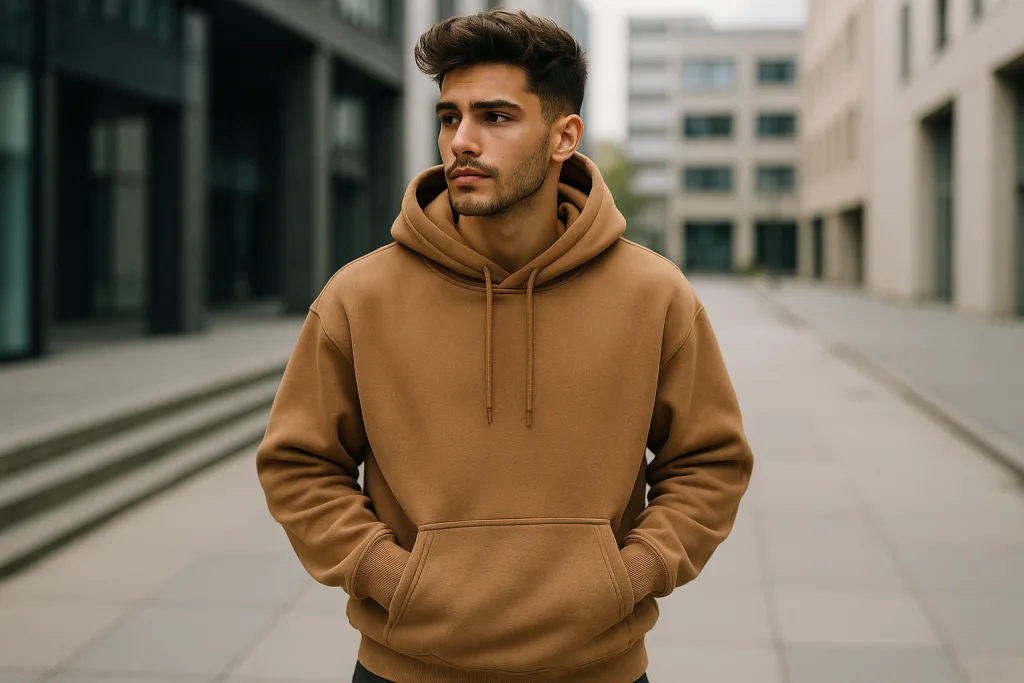
So, what truly defines the best men’s hoodies? It starts with thoughtful design, targeted fit, and select materials. Whether you order from Ninghow or source locally, prioritize GSM that matches your need, color execution that aligns with your audience, and a sample audit checklist that eliminates risks. Trusted ODM/OEM makers bring technical skill and reliability from concept through delivery, building long-term value for your brand and your customers.
Frequently Asked Questions
What is the ideal GSM for men’s hoodies?
For all-purpose hoodies, 280–320 gsm offers warmth, durability, and structure; adjust higher for winter, lower for lightweight fashion.
How do I ensure bulk color consistency?
Use Pantone codes, request lab dips, approve strike-offs, and check bulk shade bands to guarantee all pieces match.
Which fabrics give hoodies the softest handfeel?
Brushed fleece, organic cotton, and modal blends make hoodies extra soft and comfortable, perfect for premium and lifestyle ranges.
What technical details help hoodies last longer?
Choose flatlock seams, bartack reinforcements, and high-quality rib knitting; these features boost durability and prevent distortion.
How can brands customize hoodie designs?
Brands select print type (screen, DTF, embroidery), silhouette, drawcord style, and decoration placement to build unique looks.
Why partner with experienced manufacturers?
Expert makers like Ninghow control fit, color, and construction—reducing risk in bulk orders and speeding up delivery with reliable QC.
