


Introduction: Best Fabric for T-Shirts—Comfort vs Durability
Choosing the best fabric for t-shirts isn’t just about what feels soft to the touch or lasts the longest. As both cost-conscious buyers and those who value a great wearing experience know, the shirt’s material sits at the intersection of comfort, durability, and practicality. The goal? Find a fabric that not only suits the intended use but also lines up with personal values—whether that’s cost, sustainability, or long-term performance.
We’ll break down the most popular t-shirt fabrics, explore their secrets from both a consumer and manufacturing perspective, and reveal how you can smartly balance softness, strength, and cost. For deeper manufacturing insight, check out the Manufacturer’s Guide: Comparing Cotton, Slub & Jersey for T-Shirts. Let’s dive in.
The Most Popular T-Shirt Fabrics—A Practical Overview
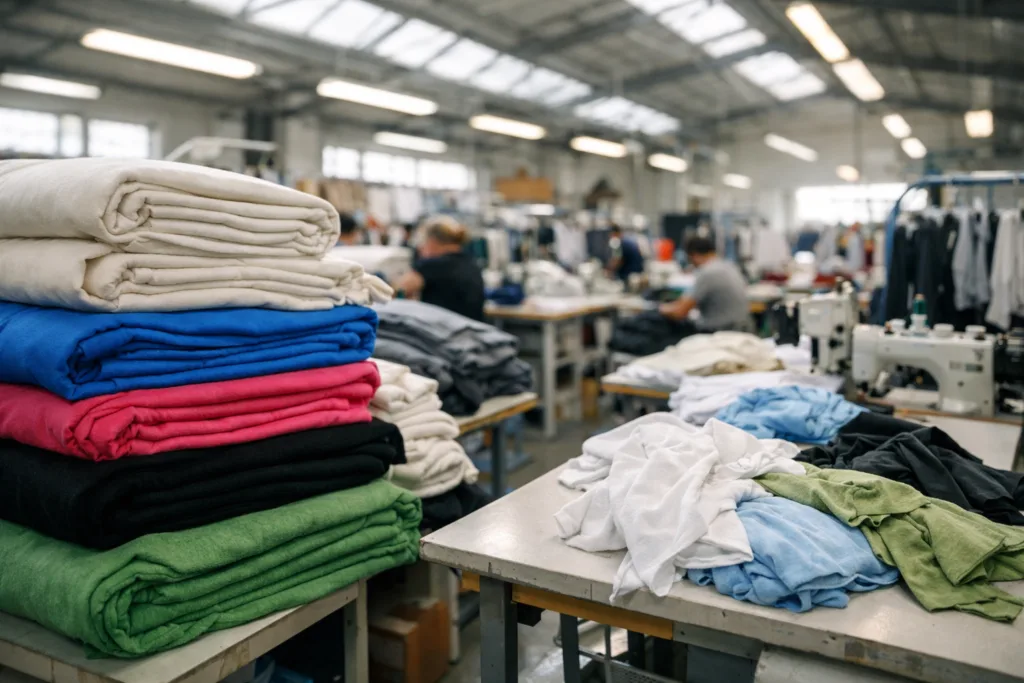
T-shirts come in a variety of fabrics, each with distinct strengths and trade-offs. If you’re wondering what really makes a shirt feel good on your skin and last wash after wash, pay close attention to the following materials:
- Cotton—soft, breathable, budget-friendly
- Polyester—durable, moisture-wicking, sometimes less comfortable
- Cotton-Poly Blend—balances softness with durability
- Bamboo—soft, antibacterial, sustainable but pricier
- Modal—silky, eco-friendly, best for premium tees
- Jersey Knit—excellent for comfort and flexibility
- Slub Cotton—textured, casual look, moderately durable
Manufacturers often select based on intended usage, target price, and brand message. For a closer look at jersey’s pros, see Jersey Knit Fabric: The Unsung Hero of Comfortable, Quality T-Shirts.
Comparing Comfort and Durability Head-to-Head
Neither comfort nor durability should be an afterthought when choosing t-shirt fabric. Let’s examine how each material scores on these two fronts:
| Fabric Type | Comfort Score | Durability Score | Cost Range |
|---|---|---|---|
| Cotton | 9/10 (soft, breathable) | 6/10 (wears out with washes) | Low–Medium |
| Polyester | 6/10 (can feel synthetic) | 9/10 (holds shape, colorfast) | Low |
| Cotton-Poly Blend | 7/10 (balances comfort) | 8/10 (improved strength) | Low–Medium |
| Bamboo | 10/10 (luxuriously soft) | 7/10 (good, less rugged) | Medium–High |
| Modal | 9/10 (silky) | 7/10 (strong fibers) | High |
| Jersey Knit (Cotton/Poly) | 8/10 (stretchy, smooth) | 8/10 (typically robust) | Medium |
| Slub Cotton | 7/10 (unique, textured) | 6/10 (can pill) | Medium |
Cost vs Wear—How Manufacturers Decide
The choice of t-shirt fabric often boils down to cost versus how well the material holds up over time. Factory teams might lean toward polyester when brands prioritize durability at tight budgets. If comfort is king, pure cotton or bamboo blends often take the lead. It’s a real balancing act. Production leads at Ninghow note: “Fabric selection is about expectation. If a brand wants lifetime shirts, we test blends. If it’s softness, we start with high-quality cotton or modal, even if the price nudges up.”
Want more on how bulk apparel orders manage fit and delivery? See The Complete Playbook for Bulk Teamwear Orders: Size Ranges, Packaging, and On-Time Delivery.
What Makes Cotton the Go-To for Comfort?
Cotton is prized for its naturally soft texture, breathability, and gentle feel against the skin. It absorbs sweat, releases heat, and offers a universally comfortable fit. However, pure cotton shirts are prone to shrinking and fading after repeated washes—and the cost can vary with grade and sourcing. For those seeking organic or higher-end cotton, prices climb but so does the “handfeel.”
Polyester and Blends—Stretching Durability
If you need a t-shirt for tough jobs or athletic use, polyester shines. It’s almost indestructible, dries fast, and resists wrinkles. The trade-off? Many find it less breathable and sometimes slick. Polyester blends (like 60/40 or 50/50 cotton-poly) create a happy medium—good comfort, less shrinkage, and better cost control.
Bamboo, Modal, and New Generations—Premium Comfort
For those who crave luxury, bamboo and modal fabrics are the new contenders. These fibers are sustainable, hypoallergenic, and ultra-soft. They also offer some durability—but at a premium price. Modal, in particular, keeps its shape better than cotton, giving a longer-lasting smooth look.
Best Fabric for T-Shirts: Comfort vs Durability
The question at the heart of every t-shirt production run: Should you choose a fabric for maximum comfort or ultimate durability? Here’s the summary table:
| Need | Recommended Fabric | Notes |
|---|---|---|
| Everyday Softness | Cotton, Jersey | Ideal for casual wear |
| Premium Comfort | Bamboo, Modal | Smooth, luxurious |
| Rugged Durability | Polyester, Poly Blends | For work, sports |
| Balanced Needs | Cotton-Poly Blend, Jersey Knit | Great for lasting comfort |
Fit, Feel, and Shrinkage—Critical Quality Factors
Fabric isn’t everything; how it’s sewn and finished matters just as much. Jersey knit’s natural stretch, for example, affects fit and flexibility. If you want to minimize shrinkage and keep colors vibrant, blends and specialty knits often outperform basics.
To learn about shrinkage and test protocols, review The 2026 Guide to Shrinkage & Colorfastness Tests Apparel Buyers Need.
Cost Breakdown—What Drives T-Shirt Material Price?
The price of t-shirt fabric hinges on fiber type, manufacturing complexity, sustainability certifications, and order volume. Cotton is usually cheapest at scale, while bamboo and modal command higher prices due to eco-friendly processes and limited supply. Blends and engineered knits make pricing more predictable for brands.
Comfort vs Durability: What Influences Wearing Experience?
The wearing experience comes down to how the fabric interacts with your skin, absorbs sweat, resists wear, and keeps shape. Highly comfortable fabrics may feel great initially but fade faster. Durable fabrics can last years, but may lack that cozy softness. Experienced factories, like Ninghow, use test washes and trial orders to flag potential issues before mass production starts.
Fabric Certification: The Role of OEKO-TEX, GRS, GOTS
Eco-certifications matter for more than marketing—they guarantee the fabric is safe, sustainable, and reliably produced. Buyers now require OEKO-TEX or GOTS certified materials for comfort and peace of mind. To understand certifications, see The Ultimate Guide to OEKO-TEX vs GRS vs GOTS.
How Manufacturers Control Quality—From Sampling to Delivery
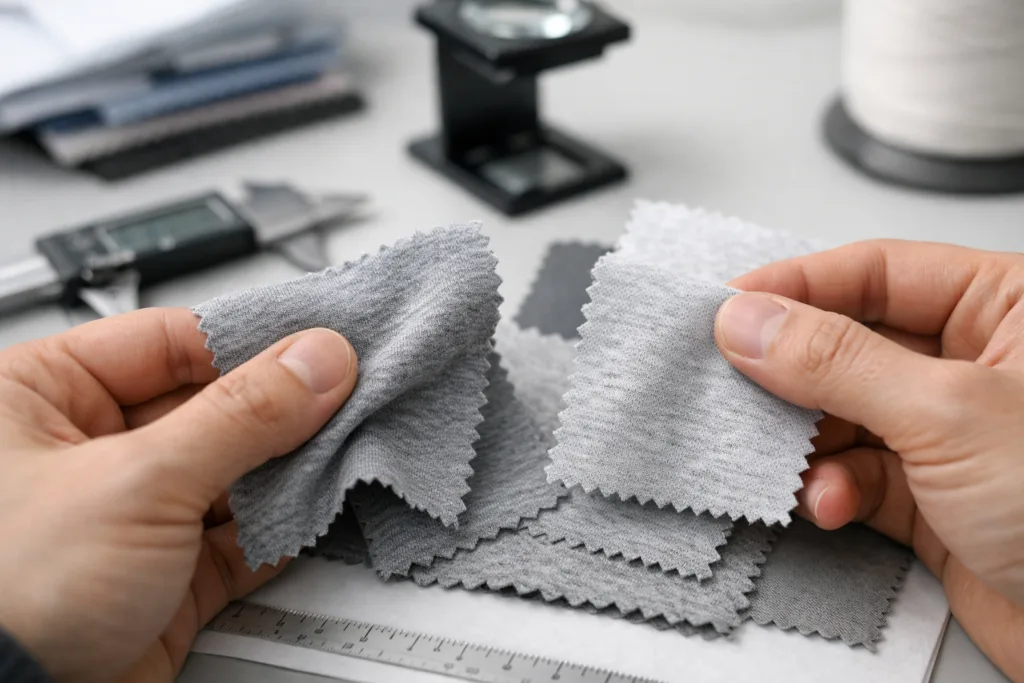
High-volume production requires strict quality controls at every step. Patterns are cut for fit accuracy, fabric is tested for handfeel and shrinkage, and samples undergo trial washes. Brands work with manufacturers to check every batch before shipment.
Ninghow’s Experience: Avoiding Fabric Pitfalls
On the factory floor, issues with fabrics—like unexpected shrinkage, color inaccuracy, or pilling—can derail a project. Ninghow’s team advises buyers to review sample shirts thoroughly, check for defects, and confirm that the chosen fabric matches the end use (e.g., jersey for flexibility, blends for resilience).
Summary Table—Which T-Shirt Material Fits Your Need?
| Usage | Best Fabric | Expected Life | Comfort |
|---|---|---|---|
| Casual Everyday | Cotton | 1–3 years | High |
| Sports & Outdoors | Polyester | 3–5 years | Medium |
| Fashion/Premium | Modal, Bamboo | 2–4 years | Very High |
| Workwear | Poly Blends, Jersey | 2–5 years | Medium–High |
Environmental Impact and Sustainability—Worth Your Investment?
Eco-friendly fabrics like organic cotton, bamboo, and modal address both comfort and environmental responsibility. The price is often higher, but they attract customers with sustainability values. Blended or recycled polyester options are also emerging for brands looking to reduce their footprint without sacrificing longevity.
How to Choose: Key Questions Before Buying or Manufacturing
- Who will wear the shirts, and for what?
- Is softness or long-term resilience more important?
- What price range is sustainable for your brand or budget?
- Will the shirts need to pass eco-certification or regulatory compliance?
- How sensitive are you to shrinkage and color fading?
- Do you require custom finishing, printing, or embroidery?
Conclusion—The Smart Approach to T-Shirt Material Selection
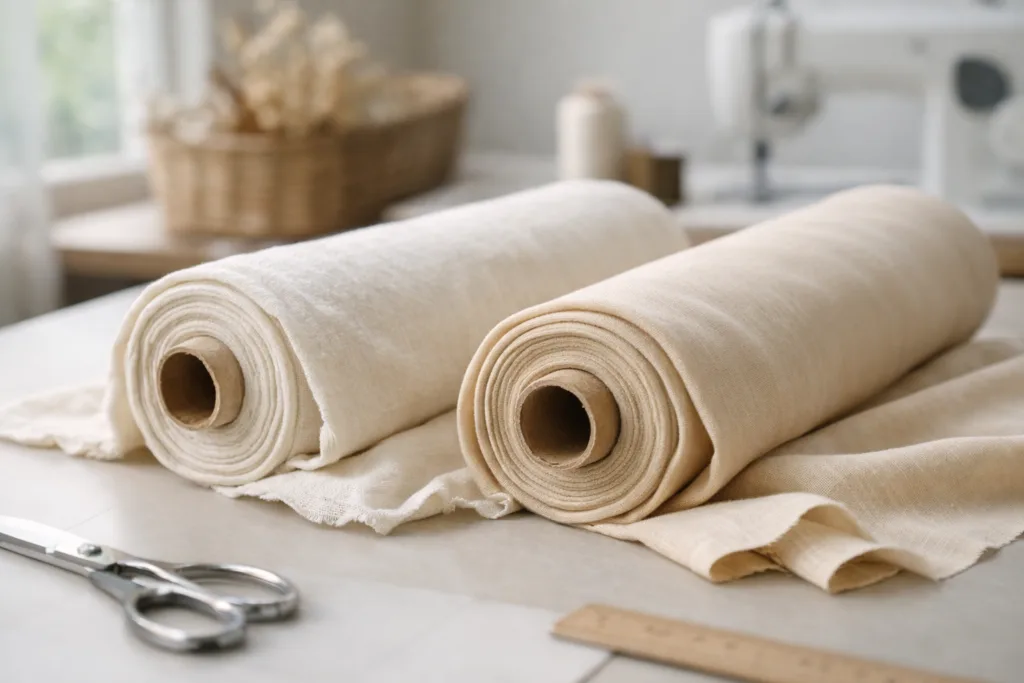
Choosing the best fabric for t-shirts means weighing comfort against durability, considering cost, and clarifying your true priorities. There’s no one-size-fits-all answer—cotton for softness, polyester for endurance, blends for balance. Value comes from matching the right material to the right use, and working with experienced manufacturers to minimize surprises. The perfect t-shirt starts with honest decisions made before the very first cut.
Frequently Asked Questions
What is the most comfortable t-shirt fabric?
Cotton, modal, and bamboo are widely recognized for their softness and breathability, making them ideal for comfort-centric t-shirts.
Which fabric is most durable for t-shirts?
Polyester and poly-cotton blends are hardwearing, resist shrinking and fading, and hold up well against frequent washing.
How does fabric choice affect cost?
Premium and eco-friendly fabrics like bamboo and modal cost more, while standard cotton and polyester are budget-friendly for high-volume production.
Are blended fabrics a good compromise?
Yes, blends bring together the strengths of two fibers—like cotton’s softness and polyester’s durability—offering balanced performance at a moderate price.
How do manufacturers test fabric quality?
Manufacturers use trial orders, shrinkage and colorfastness tests, and sample reviews to verify that chosen fabrics meet brand and buyer expectations.
Does fabric certification matter for t-shirts?
Absolutely. Certifications such as OEKO-TEX and GOTS guarantee safety, sustainability, and reliable sourcing, which brands and buyers increasingly demand.
