







Why Apparel Shipments Get Stuck at Customs
For apparel brands importing across borders, nothing halts momentum like a customs delay. The root cause almost always comes down to paperwork—missing, incorrect, or incomplete. To truly avoid customs delays, documents checklist accuracy is essential, especially when handling invoices, packing lists, and label compliance. In today’s fast-paced supply chain, a small mistake can add days or even weeks to delivery timelines, hitting seasonal launches and retail commitments hard.
The Critical Apparel Customs Documents Explained
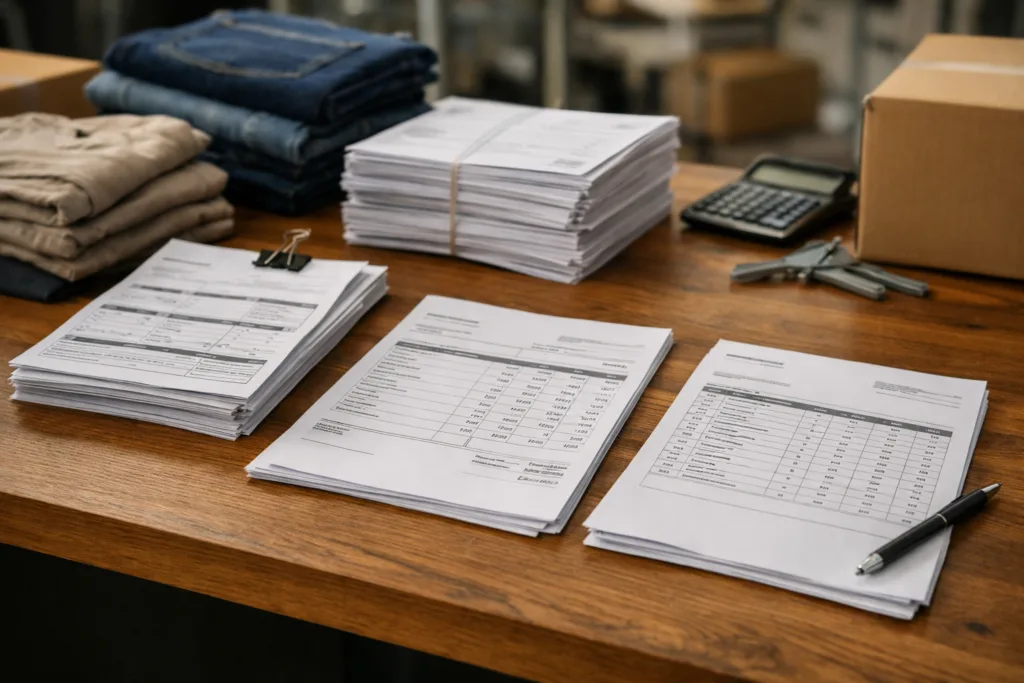
Every apparel shipment faces scrutiny by customs officials. The three golden documents: commercial invoice, packing list, and product label details.
- Commercial Invoice: Describes goods, value, incoterms, payment terms
- Packing List: Details quantities, carton numbers, weights, dimensions
- Labels & Compliance: Fabric content, country of origin, care label standards
A robust apparel compliance checklist can save hours by confirming everything matches between the paperwork and physical goods.
Why Invoices Matter: Apparel-Specific Requirements
The commercial invoice isn’t just a bill; it’s proof of value and essential for tariff calculation. Apparel shipments need extra care—incorrect HS codes, vague item descriptions, omissions on fiber percentages or country of manufacture all spark customs queries. Factories like Ninghow recommend double-checking that invoices cover every apparel spec in clear language before export to minimize customs risk.
Packing List Mistakes That Cause Delays
Customs officers verify shipments against the packing list. If a box’s quantity doesn’t match, or unit weights are inconsistent, they may order a full inspection or reject the release outright. Always ensure your packing list is aligned with the commercial invoice and both set out every SKU and carton breakdown. For seasonal apparel, split shipments must be clarified so partial arrivals aren’t mistaken as missing inventory.
Apparel Labeling & Country of Origin: Why It’s Scrutinized
Apparel has stricter labeling standards than many other imports. Customs regularly check for:
- Country of Origin (must be visible and meet legal size/location)
- Fiber content (percentage breakdown, not just generic labels)
- Care instructions (following local regulations)
Common mistakes include using abbreviations, missing translations, having labels stitched where they’re not easily visible, or neglecting requirements for additional languages.
Common Document Errors in Apparel Imports
Even veteran shippers make some frequent mistakes:
- Mismatched invoice values and payment records
- Wrong HS code for fashion goods vs. accessories
- Unit description errors (“sets” vs “pieces”)
- Lack of total quantity breakdown for each SKU
- Missing document originals (copies sometimes rejected)
- Unclear supplier or manufacturer details
These issues are responsible for the bulk of avoidable delays each year.
Preparing Documents Early: The Ultimate Apparel Checklist
Successful brands use a checklist approach before goods ever leave the factory floor. Typical steps:
- Draft commercial invoice—check every apparel spec
- Develop packing list—aligning cartoning, weights, sizes
- Label compliance review—local and international standards
- Double-verify country of origin paperwork
- Align shipment splits for multi-season drops
- Ensure originals are signed and stamped if required
Integrating this workflow with your purchase order system streamlines customs review.
Label Requirements: Fiber Content, Care Instructions, Trims
Each destination country has labelling laws: the U.S., EU, UK, Australia, and Canada all have unique fabric, care, and trim declaration formats. Apparel brands must review rules for fiber percentage rounding, font size, and placement (neck label, inside seam, hangtag, etc.). Having a trusted sample approval workflow, like those shared on Ninghow’s shop floor, ensures that prototype garments reflect final production labeling—which stops compliance mishaps before shipping.
Advanced: HS Codes and Classification for Apparel
Your HS code isn’t just a number—it signals to customs what duties and checks apply. Codes for “knitted” versus “woven” items, for example, are distinct. Misclassification can mean underpaid duties, rejected entries, and even seizure. Experienced manufacturers utilize classification support tools to avoid these slip-ups. Cross-check your code against recent tariff changes before printing final invoices.
Incoterms: What Customs Wants to See
Incorrect or missing incoterms (EXW, FOB, DDP, etc.) can delay an apparel shipment or complicate who pays taxes, freight, and insurance. Factories and buyers must agree on terms, then ensure they’re shown clearly on each document. For buyers unsure, Ninghow has shared that the EXW/FOB choice affects customs handling fees and risk exposure for apparel imports. For a deep dive, review the EXW/FOB/DDP guide for apparel buyers.
Document Matching: Why Each Piece Must Line Up
Customs compare invoices, packing lists, and purchase orders for consistency. Details like carton counts, descriptions, buyer/seller info, spec numbers, and arrival dates all must match across every sheet. Any gap triggers suspicion. Standardizing document templates helps avoid costly errors.
Originals vs. Copies: What Customs Rejects
Some countries (especially in Europe) still require original stamped versions of documents, not digital copies. Shipping only PDFs can lead to customs rejection. Always confirm original/copy policy for each destination before cargo leaves the port.
Certificates, Testing & Other Supporting Documents
Apparel with performance claims (antibacterial, flame retardant, organic) needs matching certifications and lab test results. If customs see missing certificates, they may hold your goods for local testing. Don’t forget general certifications like GOTS for organic cotton or BlueSign for sustainability.

Customs Broker Tips for Apparel Brands
Working with a specialist customs broker pays off. They’ll flag common apparel pitfalls: HS mismatches, outdated compliance standards, forgotten carton marks, or issues with split consignments. Brokers can also pre-clear shipments for faster port turnaround.
Split Shipments: Documenting Partial Arrivals
Apparel often ships in split lots for retail launches. The solution: prepare a separate packing list for each shipment, referencing the master PO. Note split arrivals on invoices, so customs tracks partial deliveries. Seasonal drop brands—update documents as buffers shift or if replenishments are expedited.
Document Storage & Digital Management for Trade
Cloud-based systems protect against lost paperwork, last-minute revisions, and version confusion. Ensure all team members work from the same set of final documents before booking freight. A digital document management workflow is now industry standard—and a lifesaver when customs wants a copy fast.
Advance Document Sharing: Two Weeks Before Shipping
Share customs paperwork for review with your freight forwarder about two weeks before goods ship. This buffer gives time to fix mistakes and get additional stamps if needed. Early review especially helps during peak apparel seasons when port congestion magnifies delays.
Case Study: How One Brand Avoided a Costly Delay
Last holiday season, an apparel brand missed labeling “Made in Bangladesh” on a portion of their hoodies. Customs flagged the issue because invoice and sample check contradicted. The delay was cleared only after rush relabeling—costing both money and market timing. The lesson: verify every document and physical label twice, with sign-off from your QA team.
The Seasonal Launch Trap: Handling High-Volume Drops
Unlike year-round drops, apparel brands launching seasonal lines must process hundreds of cartons and dozens of SKUs at once. Errors multiply fast—especially in line items and split shipment documentation. Prevent this by building a clear workflow using the seasonal drop planning method with buffer times and advance document templates.
Customs Review Checklist: What to Confirm
- Check invoice and packing list match PO
- Confirm all apparel label data meets destination requirements
- Verify HS code for each style/item
- Prepare original documents if required
- Share all paperwork with broker in advance
The Role of Quality Control in Document Preparation
A smooth QC process means product specs are confirmed before paperwork is finalized. Apparel brands should instruct factories to use approved labels, correct trims, and precise fiber breakdowns early in production. This is where Ninghow’s hands-on, sample-to-shipping workflow makes a difference—QC targets are locked in well before documentation is drafted, helping prevent customs snags.
How to Train Your Team: Document Skills for Apparel Imports
Staff must learn which customs documents are required for each type of apparel and destination. Internal checklists, periodic training, and mock customs reviews can root out common mistakes early. Consider assigning document responsibility by shipment rather than department, ensuring clear accountability.
Avoid Customs Delays: Documents Checklist
The heart of success: the right document checklist. Here’s a practical, factory-tested version:
- Commercial invoice: itemized, HS code, country, payment, incoterms
- Packing list: every carton, quantity, dimensions, SKU
- Label review: fiber, care instructions, country, compliance marks
- Certificates: any organic, safety, performance claims
- Shipping documents: bill of lading, air waybill
- Originals or required stamped copies
- Split shipment handling: master and partial docs matched to PO
Brands who use this apparel-specific checklist consistently protect themselves from costly customs delays and can launch efficiently.
Conclusion: How Smart Document Management Drives Faster Customs Clearance
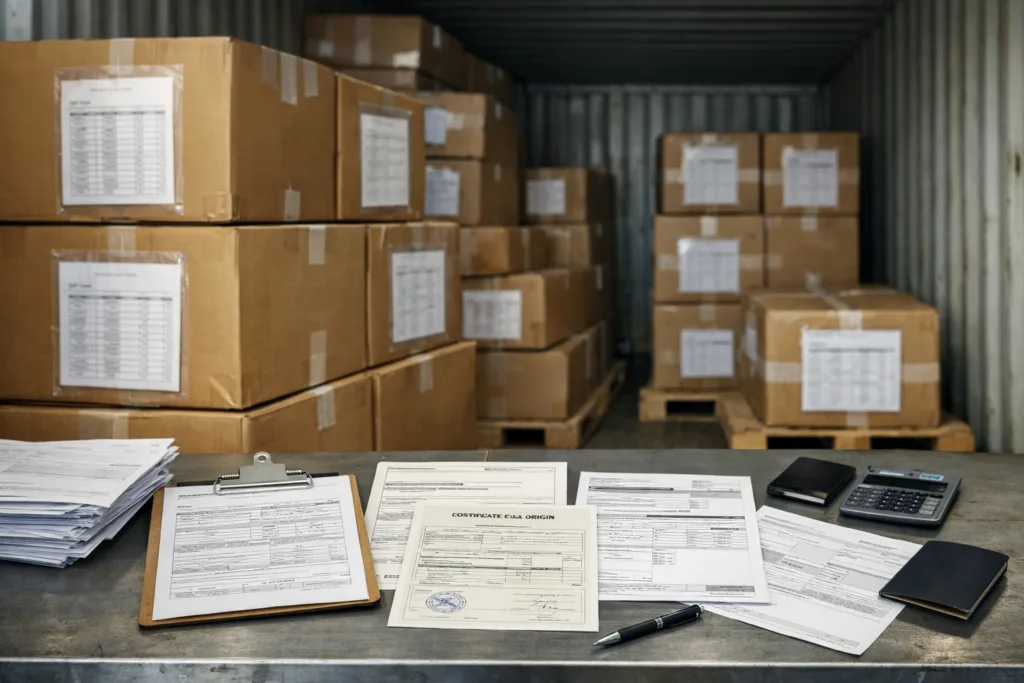
Customs delays are a preventable risk for apparel brands. With a disciplined, proactive approach to invoices, packing lists, label compliance, and supporting paperwork, your shipments stay on schedule and your launches remain smooth. Double-check, store, and share documents early—and build customs confidence into every part of your supply chain.
Frequently Asked Questions
What are the essential customs documents for importing apparel?
Commercial invoices, packing lists, product labels (with fiber content and country of origin), and shipping documents are mandatory for smooth apparel imports.
Why do apparel shipments get held up at customs?
Paperwork errors—such as missing, inconsistent, or incomplete documentation—are the most common reasons apparel shipments face customs delays.
How early should I prepare customs documents for apparel shipments?
Prepare and review all customs paperwork at least two weeks before shipping for adequate buffer and corrections.
Can a missing label cause customs delays for apparel?
Yes, missing or incorrect labels like fiber content or country of origin will trigger delays or regulatory holds at customs.
Is a digital copy of customs documents enough for apparel entry?
Some destinations require original, signed documents. Always confirm requirements before shipping to avoid rejection.
How can I avoid mistakes in customs documentation for apparel?
Use a detailed checklist, verify every document for matches, and train your team in apparel-specific customs requirements.
