







Introduction: The Critical Choice—Air vs Sea vs Express Shipping for Apparel
Getting your apparel from factory to sales floor is more than just a logistics challenge—it’s a cornerstone of your business strategy. Choosing between air, sea, or express shipping for apparel directly impacts cost, speed, and customer satisfaction. Manufacturers, brand owners, and sourcing managers alike must balance cost efficiency with timely delivery, especially during high season or urgent launches. In this guide, we’ll break down the pros, cons, and real-world trade-offs to help you select the right method for every order and season.
Understanding Shipping Options for Apparel: Air, Sea, and Express
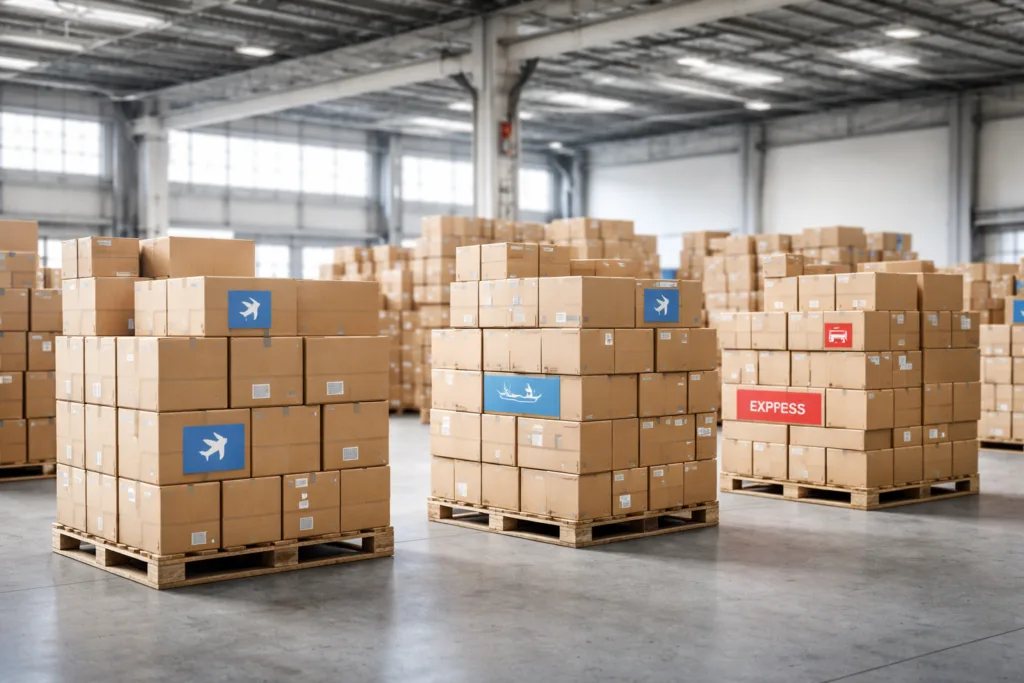
When it comes to moving apparel internationally, there are three main freight choices: air freight, sea freight, and express courier. Each serves a distinct purpose for clothing brands, OEM orders, or private labels. Making the wrong choice can delay launches or eat into profit margins. (For brands planning seasonal drops, seasonal drop planning with buffers can be a strategic approach.)
Air Freight: Speed and Flexibility
Air freight is ideal for delivering small-to-medium bulk apparel shipments quickly. Airlines operate on fixed schedules multiple times per week between major cities, so you can estimate transit times with confidence. However, air freight costs more per kilo, making it best for high-value, time-sensitive shipments or critical production samples.
Sea Freight: Cost-Saving Bulk Movement
Sea freight is the go-to for large, non-urgent apparel orders. Shipping containers loaded with T-shirts, hoodies, or jackets move at a fraction of air rates, but take much longer—often 25–45 days port-to-port from Asia to Europe or North America. Planning and accurate production timelines are essential when choosing ocean freight.
Express Courier: Door-to-Door, Faster Than Air
Express shipping (via DHL, FedEx, UPS, etc.) delivers apparel samples and urgent pieces faster than standard air. Couriers handle all customs clearance and paperwork, ensuring door-to-door delivery—usually in 3–7 days. Speedy, yes, but per-kilo costs are the highest of all. For crucial fit samples, appproval swatches, or influencer seeding campaigns, the cost is often justified.
Shipping Considerations: Lead Time, Cost, & Flexibility
Your chosen shipping mode determines not just delivery speed, but cost breakdown, risk profile, and even customer perception. Let’s look at each factor one by one.
How Timing Affects Apparel Delivery Choices
Garment businesses thrive on meeting launch dates, order commitments, and retail booking windows. Air and express reduce unpredictable factory-to-door gaps—especially after delays. Sea provides the cheapest rate, but you absorb all time risk.
Cost Breakdown: Air vs Sea vs Express for Apparel
| Shipping Mode | Transit Time | Cost per kg (est.) | Best For |
|---|---|---|---|
| Sea Freight | 25–45 days | $0.8–$2.5 | Bulk, non-urgent orders |
| Air Freight | 5–10 days | $4–$10 | Urgent, medium-sized shipments |
| Express Courier | 2–7 days | $8–$20+ | Samples, critical delivery |
Source costs are for reference; actual rates vary by season, origin, and weight/volume.
Flexibility to Adjust Plans
Express shipping is highly flexible—schedule pickups anytime and ship last-minute. Air cargo is flexible but subject to airline space and cut-offs. Ocean freight is less forgiving; missing your container cut-off means a week’s delay or longer.
Timing vs Cost: How to Balance Your Priorities
The classic apparel supply chain dilemma: Do you save money with slower ocean freight, or spend more for air to meet launches? Express costs the most, but can save a campaign if retail dates shift. The answer depends on shipment size, product value, order deadlines, and market expectations.
When To Choose Sea Freight for Apparel
- Bulk orders over 500kg / 2–3 CBM
- Time buffer of at least 30 days before landing
- Lower-value, stable-selling products (e.g., basics, core styles)
- Brands with warehouse or retailer demand predictability
When To Choose Air Freight for Apparel
- Critical launches with little time buffer (new drops, capsule collections)
- Orders between 100–500kg, or where sea cost savings aren’t significant
- Products with higher margins that justify extra air cost
- Reducing supply chain uncertainty post-production delays
When Express Courier Is the Right Call
- Fit, color, or pre-production approval samples
- Last-minute influencer or press seeding pieces
- Small partial replenishments for flash sales
- Retailers where a late arrival means order cancellation
Peak Season Surcharges and Congestion: Apparel Shipping Risks
From September to January, shipping lanes become congested—especially for apparel headed to fashion drops, winter holidays, or “back to school” windows. Rates for all modes spike, but ocean and air face more delays and space shortages. In past seasons, Ninghow has seen bookings for air and sea pushed back a week or more simply due to carrier overbooking. Build a buffer into shipping plans and ask for guaranteed space if possible.
How Apparel Brands Use Split Shipments for Reliability
Many brands mitigate risk by splitting bulk orders—sending a portion by air (for launch dates) and the rest by sea (to save cost). This approach provides early stock on shelves and reduces missed revenue, especially in unpredictable seasons. (Learn seasonal split-shipment strategies here.)
Seasonal Strategies: Planning for High-Season Apparel Shipping
Get shipping quotes and lock in bookings at least 2–3 months before peaks (October for holiday, July–August for fall). Use a conservative timeline: add a week to air, two weeks to sea, and check with your forwarder for any special year-end cut-offs. Consider strategic air freight upgrades for key colors or SKUs as backup.
Pitfalls to Avoid When Shipping Apparel Internationally
Delays hurt, but missed details cost even more. Double-check carton labeling, product codes, and incoterms (FOB, DDP, EXW). For less-experienced teams, incoterm basics for apparel buyers can be a lifesaver. Customs can flag poorly-prepared paperwork, triggering warehouse fees.
Case Examples: When Each Shipping Mode Was Best (Apparel Production Reality)
Sea Freight Success: Bulk Hoodies for Retailers
A US streetwear brand ordered 5,000 hoodies for a November release. Production ran on time and shipment left in September by sea, hitting warehouses before Black Friday. Cost per hoodie dropped by nearly 40% versus air.
Air Freight for Last-Minute Sample Approvals
A European sportswear startup needed urgent fit samples for a photoshoot. Air freight delivered 300 pieces in under a week, saving the campaign. The brand paid more, but met all deadlines.
Express Courier to Rescue a Fashion Launch
After a QC rework, a luxury label faced a launch window closure. 50 finished pieces were express shipped overnight, allowing exclusive press previews. The rest went by air and sea to manage cost.
Ninghow Insights: Production-Driven Shipping Choices
From the shop-floor perspective, lead time depends as much on sample approval and fit consistency as on transit choice. At Ninghow, garment manufacturing teams often coordinate split shipping and buffer timelines—even building in extra QC days to avoid “rush risk” and extra express costs. The bottom line: predictable pattern/fit decisions upstream help prevent expensive last-mile fixes downstream.
How Volume and Order Size Affects Apparel Shipping
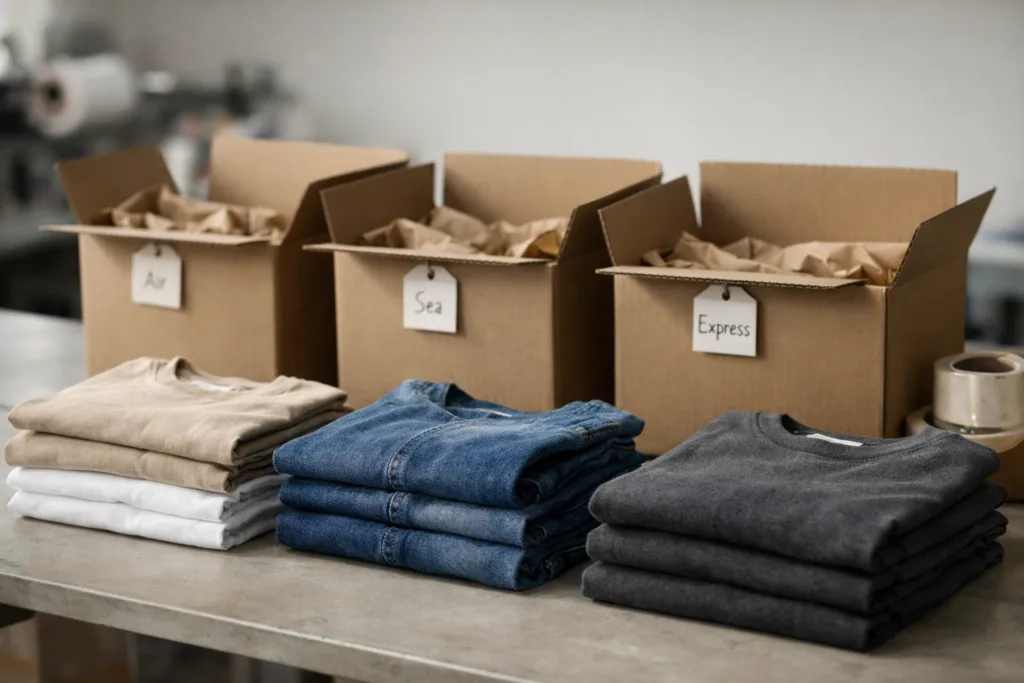
Apparel orders under 150kg rarely justify sea freight; consider air or express unless you share a container (LCL—less than container load—with another client). Large runs above 2 cubic meters save the most with FCL (full container load) sea shipping.
Understanding Apparel Product Types: Does Material Matter?
Heavyweight products like outerwear jackets or hoodies push up cost on air/express. Lightweight T-shirts and performance knits allow more favorable shipping cost structures. Consider folding, packing, and even vacuum-packing to maximize volume (and reduce cost).
Incoterms and Responsibility: Who Books Shipping?
Your agreed incoterm (FOB, EXW, DDP) determines who pays for and manages shipping. With FOB, the buyer books freight. DDP means the supplier delivers to your door, often bundled as one price. Understanding each model—with brief guidance here—can clarify cost and risk splits.
How to Choose the Best Shipping Partner for Apparel
Pick forwarders or agents with proven garment shipment experience. A good apparel logistics specialist knows about fashion deadlines, packaging quirks, and customs paperwork. Look for flexible solutions—can they combine air and sea, or help with documentation?
Tracking and Managing Apparel Shipments
Effective tracking cuts surprise delays. Express couriers and air shipments include up-to-date tracking; sea shipments involve forwarder-supplied updates and leg-by-leg tracking. Use shipment milestones to plan downstream warehouse, retail, and ecommerce launches.
Customs Clearance Tips to Avoid Delays
Ensure HS codes, correct invoice values, fabric content, and country-of-origin labeling match the shipment contents. Customs often inspects apparel more rigorously for labeling or compliance mistakes. Advance prep avoids warehouse “hold” penalties.
Insurance and Risk Management in Apparel Shipping
Buy insurance for high-value, long-haul, or weather-sensitive shipments—especially for bulk sea containers. Cargo misrouting, water damage, or theft risks can be mitigated for a reasonable extra fee.
Packing and Carton Optimization for Apparel Delivery
Apparel packs efficiently, but the wrong packaging adds extra cost. Compact folding or vacuum-sealing can cut air/sea budgets; over-packed cartons result in wasted cost. Work with your factory to optimize packing for each shipping mode.
Quality Control and Pre-Shipment Checks for Apparel
Never skip QC before shipping—correcting defects domestically costs much more than a one-stop final check overseas. Use QC reporting templates for apparel and clarify pass/fail before release to forwarder or courier.
Reducing Your Carbon Footprint: Sustainable Shipping Decisions
Sea freight is generally greener per kilo shipped, thanks to economies of scale. Air and express have higher emission factors. Brands concerned about sustainability can sometimes purchase offsets or plan greener routing—another argument for good seasonal forecasting.
Final Decision: Smart Questions to Guide Your Shipping Choice
- How critical is the delivery date for sales/revenue?
- What is the landed cost per piece by shipping mode?
- Is the order value high enough to justify faster transit?
- Can you split the shipment for launch/risk reduction?
- Do you have a backup stock or buffer in place?
Air vs Sea vs Express Shipping for Apparel
When apparel launches are on the line, compare shipping options not only by transit time and cost, but by risk, flexibility, and the unpredictability of high season. Smart brands blend all three modes strategically across orders and seasons, aligning with buyer demand and market readiness—sometimes combining sea for cost, air for speed, and express for emergencies, all in the same order flow.
Conclusion: Practical Takeaways for Selecting Apparel Shipping
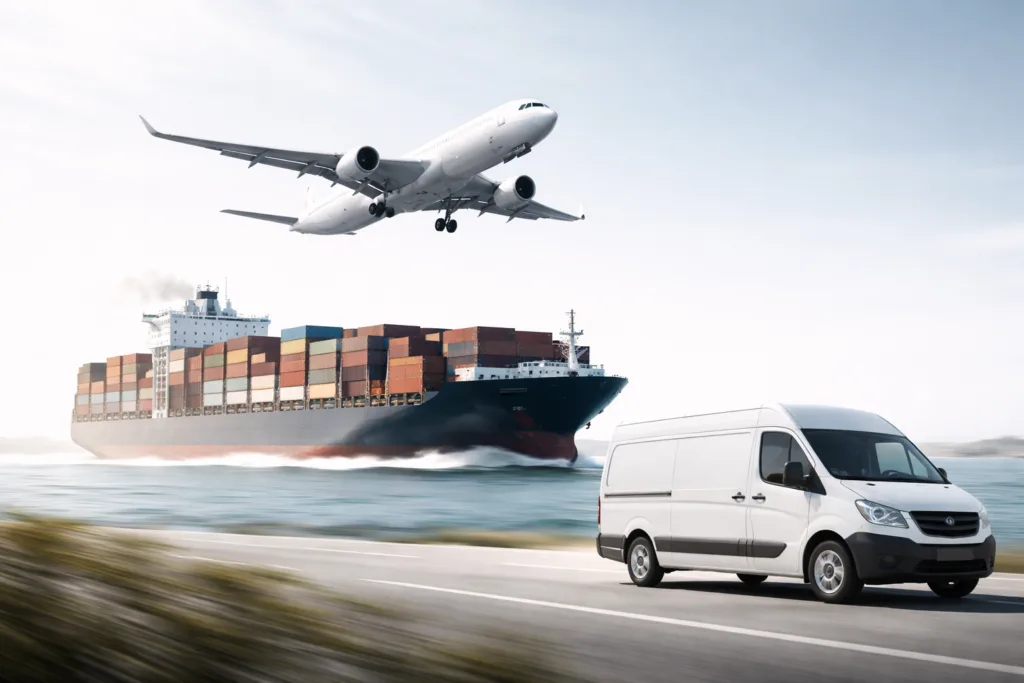
Each shipping mode offers apparel brands distinct advantages—sea for cost, air for speed, express for urgency. Evaluate order value, timing, and risk to find the right fit per order. Advance planning and clear incoterms reduce friction, while flexible partners and factory-driven QC keep your supply chain reliable. When in doubt, build in one extra week—your margin will thank you later.
Frequently Asked Questions
How do I decide between air, sea, and express shipping for apparel?
Weigh the trade-offs: choose air for urgent needs, sea for cost savings on bulk, and express for samples or last-minute emergencies. Consider margin and market windows.
Why do shipping costs for apparel change during high season?
Peak seasons (September–January) see higher rates due to increased demand, space shortages, and longer transit times. Book early to secure better rates and slots.
Can I ship part of my apparel order by air and the rest by sea?
Yes, split shipments help balance speed and cost. This is especially common for time-sensitive launches with larger bulk quantities behind.
What happens if my apparel shipment is delayed in customs?
Prepare all paperwork correctly and work with an experienced forwarder. Delays often result from missing or inconsistent product codes, fabric info, or value declarations.
How can I reduce the environmental impact of apparel shipping?
Prioritize sea freight where possible, ship full containers, and plan ahead to lower expedited shipments. Some brands also invest in carbon offset programs.
Do I need insurance for apparel shipments?
Insurance is highly recommended for high-value or long-haul shipments, particularly by sea, to protect against theft, damage, or loss.
Related Reading
- Mastering On-Time Apparel Drops: The Buffer and Split-Shipping Playbook
- Apparel Shipping Terms Decoded: Save Money, Avoid Risk with the Right Incoterm
- Zero Surprises: The Ultimate QC Reporting Template for Apparel Shipments
- The Real Impact of Delays on Apparel Brands and How to Stay Ahead
- Dual Sourcing for Apparel: 7 Steps for a Disruption-Free Supply Chain
