






Introduction: Why Your First Trial Order Matters
Starting with a new factory is a balancing act—especially for apparel brands launching a trial order with a clothing manufacturer. You want minimized risk, proven quality, and a workflow that lets you scale fast, but only if the fundamentals check out. This guide walks you through everything: trial order structure, approval criteria, and scaling strategies. Get clarity by seeing how factories think, what buyers must demand, and which steps prevent costly surprises.
Packing the Perfect Trial Order: Low-Risk, High-Learning

Building your first trial order isn’t just about quantity. It’s your ultimate test drive—validating factory workmanship, fabric honesty, fit accuracy, and QC. Here’s how leading brands structure orders:
- Small but meaningful batch size: 100–300 units across key styles
- Multiple colors or trims: Reveals handling consistency
- Fit range: Ensures pattern grading is correct
- Packaging and labelling samples: Test compliance upfront
| Trial Order Element | Purpose |
|---|---|
| Multi-Size Run | Check fit, grading, and measurement tolerances |
| Fabric Verification | Confirm material specs and handfeel |
| Trim Options | Test zipper, buttons, heat transfer quality |
| Packaging Sample | Evaluate labeling, carton strength, and compliance |
| QC Checklist | Lock in inspection criteria |
Trial Order Clothing Manufacturer: The Complete Structure
The trial order clothing manufacturer phase determines future partnership viability. Buyers use it to probe factory reliability and transparency. Manufacturers are evaluated based on clear communication, sample accuracy, and performance against agreed metrics.
- Sampling precedes trial: Set expectation via proto, SMS, and PPS samples (see How to Master Apparel Sample Types).
- Material and trims sourcing: Test their supply chain (read Fabric & Trim Sourcing: 7 Secrets for key tips).
- QC checkpoints: Lock in measurable criteria before starting bulk.
Setting Up Acceptance Criteria: What Defines Success?
Acceptance is not just “finished garments.” It’s about measurable quality. Here are vital acceptance pillars:
- Fit consistency: Across the whole size run, not just the median
- Fabric match: Handfeel, GSM, performance (lab tests if needed)
- Stitching & seam: No skipped stitches; seam strength meets endorsed tests (reference Seam Strength Tests)
- Print & embroidery: Colorfastness, edge clarity, and absence of defects (explored in Print & Embroidery Quality Guide)
- Packaging compliance: Carton strength, labelling accuracy, no leaks (detailed in 13 Unmissable Rules for Packaging Compliance)
Measurement Tolerance Table
| Measurement Point | Allowed Tolerance |
|---|---|
| Chest | ±1 cm |
| Length | ±1 cm |
| Sleeve | ±0.5 cm |
| Shoulder | ±0.5 cm |
| Pocket Placement | ±0.5 cm |
Lab Testing Benchmarks
- Shrinkage: Max 3%
- Colorfastness: Grade 4 minimum
- Seam Strength: No seam opening under standard pull
- Print Durability: 5+ washes, no peels
Trial Order Workflow: Step-by-Step for Risk Control
- Tech pack submission: All details must be locked
- Proto/sample approval: Validate style, fit & trims before bulk
- Material ordering: Only after sample signoff
- Bulk production: Inline QC runs during garment sewing
- Final inspection: Based on agreed AQL standards
- Pilot packaging: Send carton sample for buyer approval
- Shipping: Only after audit pass & documentation check
Common Trial Order Pitfalls and Their Fixes
Most issues in trial orders come from fuzzy specs, rushed sampling, or poor communication. Here’s how to prevent key risks:
- Ambiguous tech pack: Use factory-reviewed docs, double-check trims & labeling
- Fit errors: Demand graded size sets, measure each sample
- Fabric substitution: Ask for lab dips, lock color/handfeel before bulk
- QC misalignment: Align on checkpoints and reporting fields (see QC Reporting Template for vital fields)
- Delayed shipping: Review production timelines, ask for weekly updates (Weekly Production Updates Prevent Headaches)
Trial Order Structure for Clothing Manufacturers
What’s special about a new factory trial order? It shouldn’t be overwhelming, but it must expose weak links early. Ninghow, for instance, recommends:
- Multiple styles but tight volumes—avoid “all eggs in one basket”
- Color/trim variant per style—to test supply chain flexibility
- Graded size run—exposes pattern accuracy
- Inline QC checkpoints—not just final inspection
- Packaging pilot—locks in compliance before bulk
This structure builds actionable data for scaling. It helps buyers self-correct and factories understand exact needs.
Set Acceptance Indicators: QC & Testing
Acceptance is scientific—never guesswork. Define indicators such as:
| Indicator | Description |
|---|---|
| Fit Accuracy | No more than 5% of garments exceed tolerance |
| Fabric Verification | Laboratory test matches tech pack |
| Stitching QC | No skipped stitches in random sample |
| Labeling & Packaging | Meets buyer country compliance |
| Final AQL | All defects within accepted limits (AQL 2.5 most common) |
Scaling Up: The “Release Rules” after a Successful Trial
After your trial order clears acceptance, you enter “release” or “scale-up” mode. Here’s the safest path:
- Review trial batch data: Confirm defect rates, QC adherence, fabric/trim reliability
- Set incremental volumes: Gradually raise quantities based on performance
- Re-test with new colorways or trim options: Ensure workflow adapts
- Establish ongoing QC checklists and reporting: Keeps quality consistent as you scale
- Vendor scorecard: Track KPIs—delivery, quality, communication, flexibility
Communication Tactics for Risk-Free Factory Orders
Great communication is a hidden KPI. Buyers should:
- Send precise, easy-to-follow tech packs
- Establish regular updates and checkpoints for every stage
- Share feedback early, clarify sample exceptions, avoid last-minute changes
- Request QC photos & weekly summaries during bulk
Manufacturers must respond promptly, flag uncertainties, and alert on timeline shifts. This stop-loss mentality keeps orders on track.
Quality Control Checkpoints: Inline, Pre-Final, and Post-Shipping
A trial order is ripe for discovering inconsistent QC. Set up checkpoints throughout:
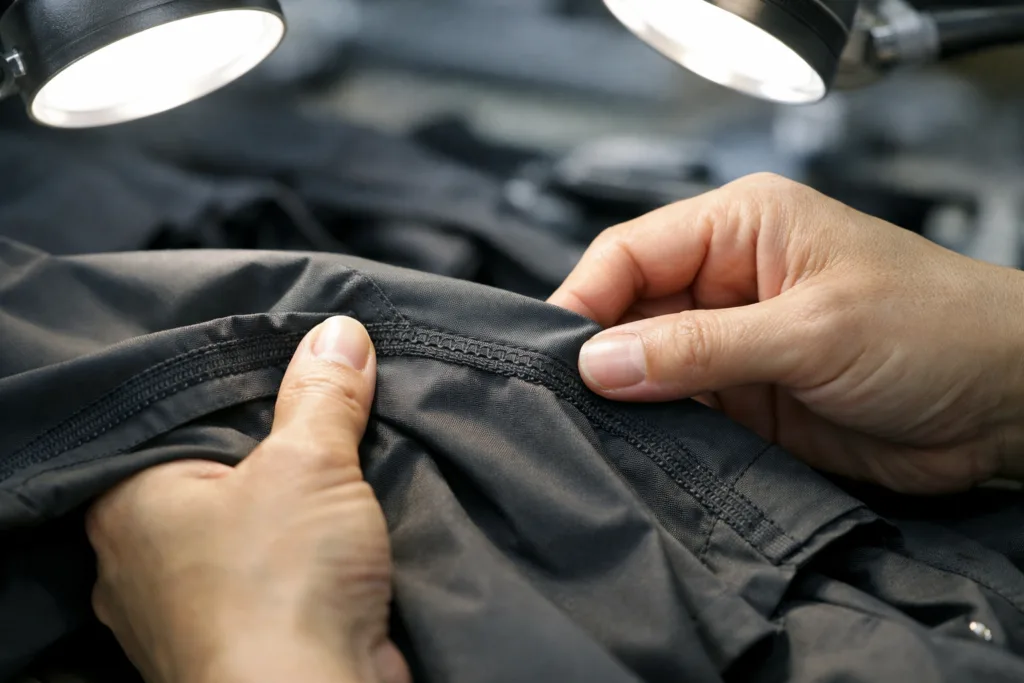
- Inline sewing QC: Random checks per batch
- Bulk fabric/trim checks: Match all specs before sewing
- Final inspection: AQL system (2.5 or lower)
- Post-packaging QC: Carton drop, labeling review
- Shipping batch checks: Double-count and cross-verify against order
This model not only reduces risk, but delivers learning for your next order.
Shipping and Documentation: Preventing Disputes
Shipping is more than handing over cartons. Always demand:
- Full packing list, carton markings, and labeling details
- Photographic proof of packing batch
- Double-checked invoice vs order details
- Import/export compliance docs—especially for sustainability or restricted chemicals
If your shipment includes special labels or eco-certifications, verify all documentation matches. See Apparel Compliance Checklist for essentials.
Reducing Lead Time and Controlling Cost in Early Orders
Trial orders often carry longer lead times due to pilot runs and custom sampling. To reduce wait:
- Submit clear tech packs and specification charts
- Pre-select trims and fabrics, avoid custom sourcing if possible
- Start sampling and bulk fabric work in parallel (after proto approval)
- Monitor production updates weekly, get real-time feedback on delays
Brands like Ninghow recommend keeping the critical path tight and avoiding last-minute changes in mass production. This prevents both time and cost overruns.
Trial Order Takeaways: How to Judge Factory Readiness
- Factory must handle small volumes flawlessly
- All acceptance indicators are locked in advance
- QC is transparent and standardized
- Communication is frequent and data-driven
- Pack-out, labeling, and shipping are compliant with buyer’s markets
If all these are met, scaling the partnership becomes lower risk and higher reward.
First Order Guide: Lowest-Risk Start with a New Factory

To recap: your first trial order with a clothing manufacturer is more than just a purchase—it’s an audit of manufacturing capability, process transparency, and QC discipline. Done right, it’s your launch pad to scalable production and predictable brand growth. Structure smart, accept only measurable quality, and scale with a clear set of release rules.
Frequently Asked Questions
What is a trial order and why is it critical?
A trial order is a small initial batch placed with a new factory to assess their production capability and quality. It reveals strengths and weaknesses before committing to large volumes.
How should I decide the trial order size for clothing?
Choose a volume that balances risk and feedback. Common practice is 100–300 units spread across styles and sizes, enough to validate fit accuracy, stitching consistency, and packaging.
What QC checks are essential for a trial order?
Key checks include fit tolerance, fabric verification, seam strength tests, print/embroidery integrity, and packaging compliance. Inline and final inspections must be standardized.
How does a factory’s communication impact trial order risk?
Clear updates, fast responses, and documented feedback prevent misunderstandings. Consistent reporting reduces surprises and helps buyers catch issues early.
Can I scale up order volume immediately after a trial batch?
Only after trial performance is verified and all acceptance criteria are met. Scale gradually, expanding quantities as the factory proves capability and reliability.
What documents should I request before receiving my trial shipment?
Request packing lists, carton photos, labeling compliance docs, and invoices that match your PO. For special certifications, ask for lab test reports and compliance documentation.
Related Reading
- Everything You Need to Know About Apparel Manufacturer MOQs, Sampling & Lead Times
- The Ultimate Factory Detail Checklist for Private Label Apparel Orders
- Practical Playbook: How to Slash Returns in Apparel
- Dual Sourcing: Building Flexible Supply Chains Without Risk
- How to Run a Factory Audit for Clothing Production—Step-by-Step Guide