








What Is a Social Compliance Audit and Why Do Buyers Ask?
When it comes to global apparel production, buyers often require factories to pass a social compliance audit. This process checks whether a workplace meets legal, ethical, and retailer-specific standards on labor, safety, and well-being. Why do buyers care? Growing legal pressure (like bans on forced labor imports), shifting consumer values, and brand reputation risks put compliance front and center for factories. If you want to be a trusted supplier, understanding and preparing for the key focus areas of a social compliance audit is business-critical.
Some buyers even include passing a social audit as a must-have before issuing the first purchase order. Others monitor ongoing compliance, revisiting audits each season. Either way, the pressure is real.
Social Compliance Audit: What Buyers Ask
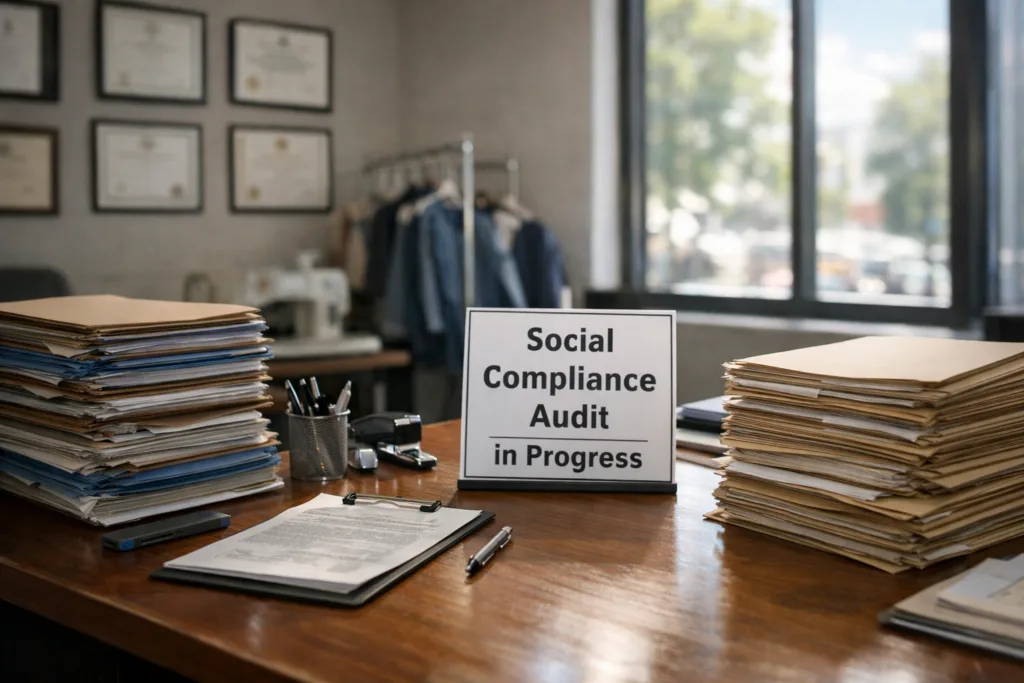
The heart of any social audit comes down to four questions: How do you treat your workers? Are you following the law? Is your facility safe? And can you back it up with proof? Let’s break down what buyers consistently ask during audits.
- Worker Age Verification: Are all employees above legal working age? Is child labor strictly prohibited and documented?
- Wages and Benefits: Do workers receive at least minimum wage, on time, with all overtime and bonuses properly calculated?
- Working Hours and Overtime: Are records accurate? Does overtime stay within legal limits? Is rest time guaranteed?
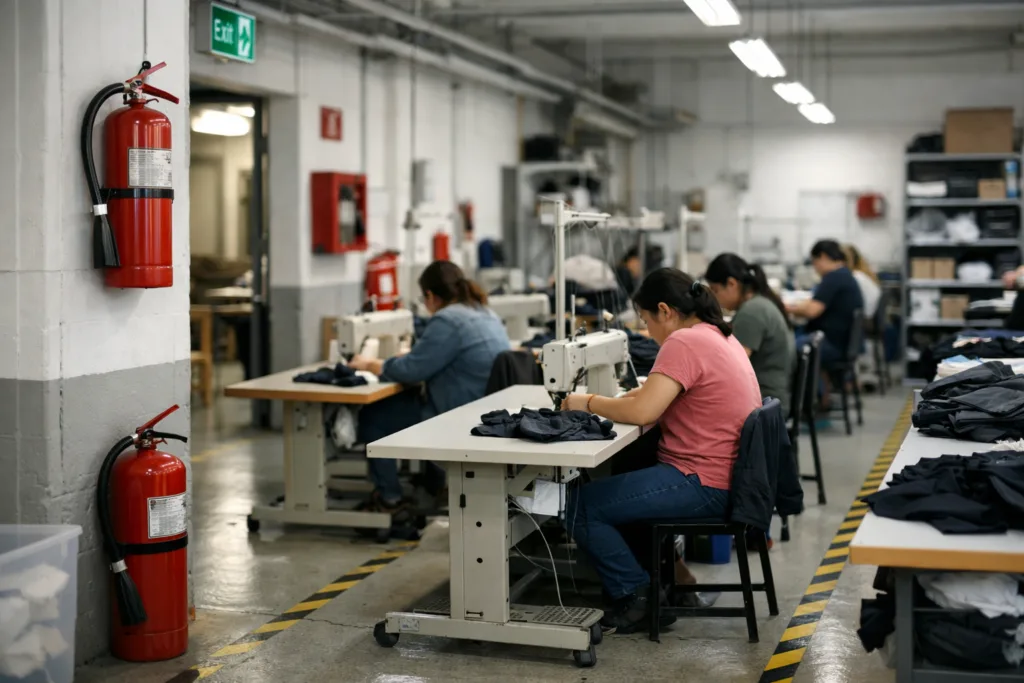
- Workplace Safety: Are exits unlocked and marked? Are fire extinguishers and alarms present and up to date?
- Freedom of Association: Can workers join unions or committees without retaliation?
- No Forced Labor or Coercion: Are workers employed by their own free will, without ID confiscation or unfair contracts?
- Harassment Prevention: Are there policies (and evidence) of handling grievances and preventing abuse?
Documents and real-world practices must line up. For example, payroll sheets, punch-in records, and even worker interviews are all fair game. See these factory audit checklists for real preparation tips.
Key Questions Buyers Ask During a Social Audit
Can the Factory Prove Legal Hiring?
Buyers need confidence that everyone on your payroll is above the legal working age and has freely chosen employment. Typical documents reviewed include:
- Employee ID cards and personnel files
- Labor contracts
- Proof of age documents
Are Working Hours Legal and Accurately Tracked?
Timecards and overtime records must show that workers are not covering illegal shifts or forced into excessive overtime. Auditors look for consistency between punch clocks, wage slips, and worker interviews.
How Are Wages and Overtime Paid?
Pay slips, payment schedules, and wage calculations are all checked. Buyers want to see that base pay, overtime premiums, holiday bonuses, and deductions align with law and are paid on time.
Is Workplace Health and Safety Proactive?
- Are fire exits unlocked and visible at all shifts?
- Does every production floor have fire alarms and extinguishers that aren’t expired?
- Are aisles clear, chemicals handled with labels, and personal protective equipment available?
Are Disciplinary Measures Fair and Respectful?
Buyers want documentation on grievance mechanisms, anti-harassment rules, and how worker complaints are addressed. A missing or “just for show” policy will raise red flags fast.
Freedom of Association and Collective Bargaining
Can workers form or join committees and unions? Is this documented, and can staff speak openly during interviews?
Factory Preparation: Social Compliance Audit Documents and Records to Have Ready
Organized documentation is crucial. Here’s a checklist of what buyers usually ask for before and during a social compliance audit:
- Business licenses, registration, and tax documentation
- Employee personnel files (including hiring date, age, contracts)
- Payroll records for at least 12 months
- Attendance and timecard records
- Production records (sometimes cross-referenced to confirm hours)
- Health and safety certificates (fire, elevator, building, chemical use)
- Social security payment records
- Written policies on overtime, discipline, grievances, harassment
- Workplace training logs (e.g., fire drills, safety briefings)
How Do Buyers Conduct a Social Compliance Audit?
Social audits are typically announced in advance, but some buyers may choose unannounced spot checks if they suspect compliance gaps. Here’s how the process generally goes down:
- Opening Meeting: Introduction and explanation of the audit scope
- Document Review: Scrutiny of payroll, age records, safety permits, and more
- Facility Tour: Checking health, safety, and real conditions (unlocked exits, fire equipment, signage, clean environment)
- Worker Interviews: Confidential discussion with randomly selected staff to verify that records match reality
- Closing Meeting: Immediate preliminary findings and opportunity for factory representatives to comment
Common Non-Conformances That Trigger Re-Audits or Order Cancellations
Even one critical violation can put orders at risk. Typical red-flag violations include:
- Child labor or inadequate proof of age
- Locked or blocked fire exits
- Unpaid or illegal overtime (misaligned payroll vs actual hours)
- Coercion or penalties for taking breaks
- Lack of proof of legal employment or missing contracts
Minor findings (like missing safety signage or expired PPE) might lead to Corrective Action Reports (CARs), while major issues can halt shipment or trigger factory blacklisting.
Best Practices for Passing a Social Compliance Audit
- Go Beyond “Paper Compliance”: Real practices must match your written policies and records.
- Train Supervisors and Staff: Every manager should know the basics of compliance and pass that on to workers.
- Practice Honest Record Keeping: Falsified timecards or staged paperwork almost always get caught (especially during interviews).
- Update Policies Regularly: Local laws and buyer requirements change, so keep policies and workplace postings updated.
- Hold Internal Mock Audits: These help spot gaps and prepare teams for real third-party reviews.
Ninghow’s Insights: Real-World Audit Preparation for Apparel Factories
From Ninghow’s experience as an apparel manufacturer, passing social compliance audits goes far deeper than prepping binders of paperwork. Here’s what works best on the shop floor:
- Pre-audit meetings with supervisors to explain “why” (not just “what”) of compliance rules
- Scheduling fire drill rehearsals and safety gear checks one month in advance
- Making sure training logs reflect real sessions, not just signatures
- Translating all written policies into plain, worker-friendly language
- Keeping past payroll/timecard records organized and backed up (digital + paper)
This hands-on approach helps avoid last-minute panic—and means any worker can answer auditors confidentially and truthfully.
How Social Compliance Audits Fit Into Buyer-Vendor Partnerships
For apparel buyers focusing on long-term supply chain stability, passing a social compliance audit is just the first step. Ongoing improvement—especially around root causes of non-compliance (like excessive overtime from buyer rush orders)—requires honest feedback on both sides. Factories benefit from buyer transparency, realistic timelines, and shared responsibility for compliance. In the end, both sides have a role in building fair, productive manufacturing relationships.
Practical Checklist for Social Compliance Audit Readiness
| Area | What to Prepare | Notes |
|---|---|---|
| Legal Documents | Business License, Factory Registration | Keep originals + updated copies |
| Personnel Files | ID, Contracts, Proof of Age | For every worker, incl. temporary staff |
| Payroll/Timecards | 12+ months of records | Check consistency across sources |
| Safety Certificates | Fire, Building, Chemical Handling | Renew before expiry |
| Policies/Training | Anti-harassment, Grievance, Overtime Rules | Train in local language |
Social Compliance Audit for Apparel: Special Considerations
- Keep sensitive chemicals in locked and labeled storage (inspect weekly)
- Separate eating areas away from production lines
- Display key compliance policies in visible common areas
- Have clear, accessible path to emergency exits at all times
For more specifics, our guide on packaging compliance for apparel shipments is also a good resource for avoiding shipment delays due to audit failures.
What Happens After a Social Compliance Audit?
- Pass: Audit report shared with buyers. Orders proceed as scheduled. Valid for 6–18 months.
- Minor Issues: Factory submits a Corrective Action Plan. Some buyers allow continued shipments during fixes.
- Major Issues: Orders on hold until root causes are fixed and re-audited.
How to Use Audit Results to Strengthen Your Apparel Business

An audit is more than a pass/fail test—see it as a tool for real improvement. Fixing root causes of non-compliance (like over-reliance on overtime or unclear policies) helps reduce future production risks and builds a reputation as a trusted partner. Continuous self-checks, retraining, and honest document keeping support growth with responsible buyers. Explore more on how brands verify sustainability claims to future-proof your reputation.
Frequently Asked Questions
What is a social compliance audit?
A social compliance audit is a review of a factory’s labor practices, working conditions, and documentation to ensure they meet legal and buyer standards.
Why do buyers require social compliance audits?
Buyers use these audits to reduce legal risks, protect their brand reputation, and make sure their products aren’t linked to labor abuses.
What documents must be prepared for a social compliance audit?
Factories should prepare business licenses, payroll and timecards, personnel files, safety certificates, and compliance policies with records of training and corrective actions.
What are the main audit non-conformances that can cancel orders?
Major failures include child labor, forced labor, unpaid overtime, unsafe work conditions like blocked exits, or missing key documents.
How often are social compliance audits conducted?
Most buyers require annual audits. Some may conduct spot checks or unannounced reviews if there are risk factors or past issues.
How can factories prepare workers for a social compliance audit?
Communicate requirements in simple language, hold training sessions, run mock audits, and make sure supervisors are ready to support transparent interviews.
Related Reading
- 13 Steps to Unmasking Greenwashing for Apparel Brands
- Essential Garment Labeling: Fiber Content & Care Compliance
- Unlock Faster Garment Shipping With This Customs Document Checklist
- Seasonal Drop Planning Success: Buffers & Split Shipments Explained
- Zero Rework: The Sample Approval Workflow Every Garment Brand Needs