





Introduction: Why Sustainable Fabrics Matter to Today’s Buyers
“Sustainable Fabrics 101: What Matters to Buyers” is a topic gaining real traction in the apparel industry. Buyers—from startup brands to established retailers—are under growing pressure to select fabrics that align with eco-conscious values, perform well, and protect their brand reputation. This article breaks down the fundamentals of recycled and organic fabrics, where they’re best used, and how buyers can avoid the pitfalls of greenwashing.
What Are Sustainable Fabrics?
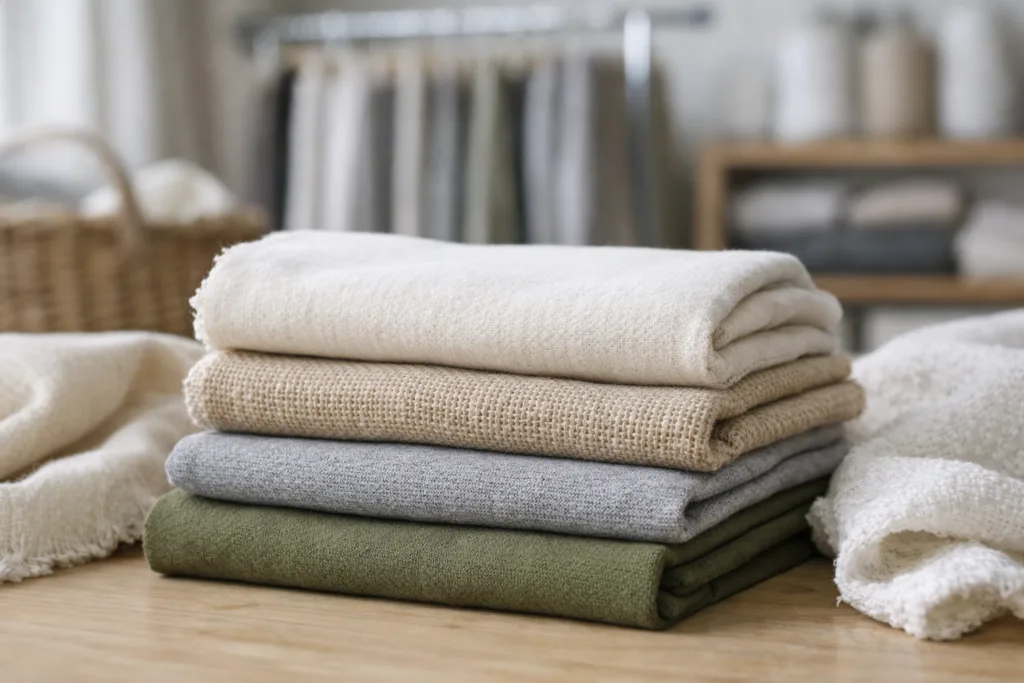
Sustainable fabrics are materials produced with the aim of minimizing environmental and social harm. They often use renewable, recycled, or organically grown resources, and are processed using methods that limit water, energy, and chemical waste. The rise in consumer demand for transparency means more brands are seeking truly sustainable alternatives over conventional textiles.
Recycled vs. Organic Fabrics: Key Differences
Recycled fabrics are made from previously used materials—like post-consumer plastic bottles or textile waste—transformed into new yarns and fabrics. Organic fabrics, meanwhile, start with crops like cotton or bamboo grown without synthetic chemicals. Though both types appeal to eco-conscious buyers, their environmental impacts, certifications, and practical applications can vary widely.
| Feature | Recycled Fabrics | Organic Fabrics |
|---|---|---|
| Source Material | Plastic bottles, textile scraps | Organic cotton, bamboo, hemp |
| Process | Mechanical/chemical recycling | Low-impact farming, traditional spinning |
| Typical Certifications | GRS, RCS | GOTS, OEKO-TEX |
| End Uses | Activewear, outerwear, linings | Everyday wear, underwear, babywear |
Which Sustainable Fabric Is Right for Your Apparel?
Choosing the best sustainable fabric depends on your product, budget, and brand values:
- Recycled polyester (rPET): Great for performance wear, jackets, outer layers, and accessories.
- Organic cotton: Ideal for T-shirts, everyday basics, and sensitive-skin items.
- Bamboo or hemp: Suits streetwear, casual, and athleisure styles due to softness and breathability.
For more insights into matching materials to garment end use, see Fabric & Trim Sourcing: 7 Secrets to Match Handfeel & Performance for Apparel Success.
Understanding Greenwashing: Spot the Red Flags
Buyers are often bombarded by claims like “eco-friendly,” “green,” and “responsible.” However, not all these labels stand up to scrutiny. Greenwashing is when a brand or supplier exaggerates or falsely claims sustainability benefits to attract eco-conscious customers. It’s up to the buyer to ask tough questions and demand proof.
How to Avoid Greenwashing
- Look for credible third-party certifications, not just “green” logos.
- Ask for supply chain documentation. Does your supplier provide a GRS or GOTS certificate that actually corresponds to your order?
- Be wary of vague website claims with little evidence or traceability.
- Check whether a factory’s sustainability story aligns with their production practices. For verification, buyers should review supplier audits and test reports.
For an in-depth guide on test reports and compliance, The Critical Truths About REACH, AZO, and Heavy Metals Every Apparel Buyer Must Know covers key checks for modern brands.
Key Certifications for Sustainable Fabrics
Verification is crucial. Reputable certifications provide the best defense against misleading claims. Here are the most widely recognized:
- GOTS (Global Organic Textile Standard): Ensures fiber is organic and processed sustainably.
- GRS (Global Recycled Standard): Tracks recycled content through the supply chain.
- OEKO-TEX Standard 100: Tests for harmful substances in all fabric types.
- RCS (Recycled Claim Standard): Confirms the presence of recycled materials in products.
Production Considerations: Fit, Handfeel, and Color
Switching to sustainable fabrics isn’t just about “looking green” on paper. These materials often behave differently in cutting, sewing, and finishing. For instance, recycled polyester may be less soft than virgin versions, and organic cotton can have less predictable shrinkage rates. That’s why detailed testing is essential for consistent results.
Manufacturers like Ninghow have found success with stepwise sampling: starting with lab dips and handfeel samples before committing to bulk production. This helps avoid unpleasant surprises further along the supply chain.
Why Transparency Matters from Farm to Shelf
Many brands tout sustainability, but transparency is what keeps them credible in the eyes of buyers and consumers. Full traceability—from farm or recycler to finished garment—ensures claims are backed by real, trackable evidence. It also allows brands to identify, and fix, weak points in their sourcing strategies.
The most selective buyers insist on documentation at all stages: farm certification for organic, recycling paperwork for synthetics, dye house test reports for chemicals, and finished-goods lab testing for colorfastness and shrinkage.
Common Applications for Sustainable Fabrics
- Activewear: Recycled PET is flexible, moisture-wicking, and strong—perfect for outdoor and performance-focused lines.
- Casual/Sportswear: Organic cotton or bamboo fits tees, polos, and hoodies. Brands targeting comfort differentiate here.
- Uniforms and Corporate Apparel: Eco-polyester blends are increasingly popular with brands wanting to reduce carbon footprints.
- Children’s/Baby Clothing: Certifications like GOTS or OEKO-TEX are non-negotiable for buyer reassurance in sensitive categories. For further reading, the post Garment Labeling Requirements: The 12 Essential Elements You Can’t Miss includes tips on fiber labels and compliance.
How Recycled and Organic Materials Move Through Production
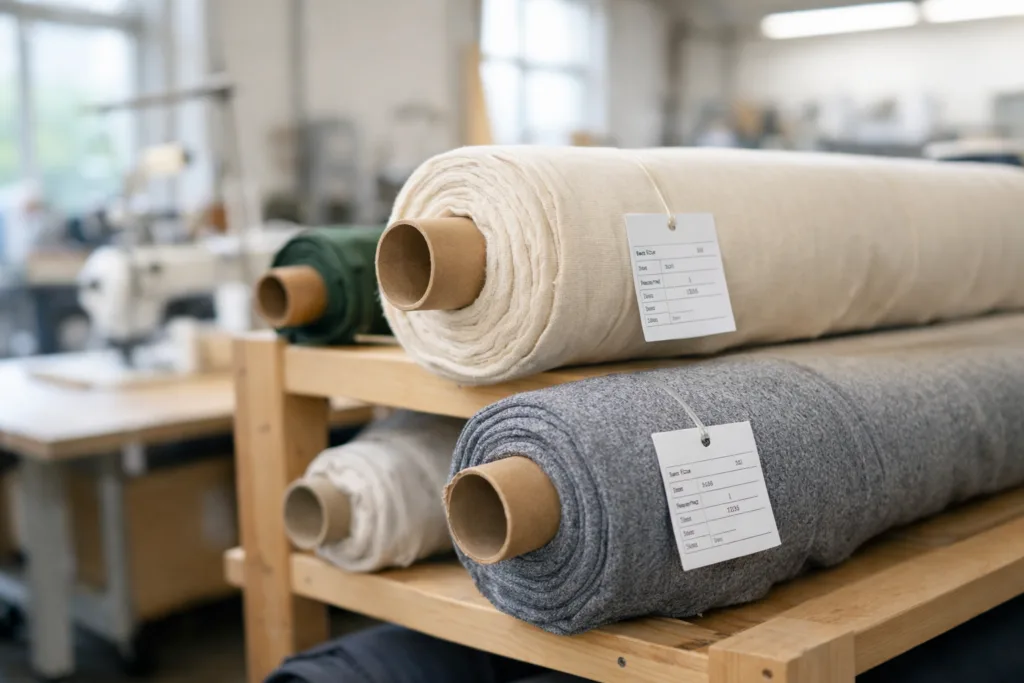
Garment manufacturing with sustainable materials requires careful monitoring. For example, recycled fiber must be kept separate from virgin stock throughout spinning, knitting, and weaving. In Ninghow’s factories, fabric bales are tagged with batch codes from the spinner’s certificate onward. For organic materials, parallel production lines reduce the risk of contamination, while QC teams perform spot-checks at each stage.
Testing Protocols (Buyer Must-Knows)
Many performance standards must be checked regardless of the fabric’s sustainability status. These include:
- Shrinkage and colorfastness testing—to ensure fit and appearance survive customer care cycles
- Handfeel comparisons—to ensure new fabrics meet brand standards
- Physical strength and seam testing—especially for recycled poly blends which can be weaker than conventional material (see How to Easily Identify Quality Construction: Winning With Seam Strength Tests)
Supplier Selection: What to Ask Before You Order
- Is the factory certified for the material I want, or just the brand?
- How is traceability managed throughout your supply chain?
- What third-party test results can you provide for each shipment?
- What are your batching and labeling policies to keep recycled and organic fabrics segregated?
- Can you provide fabric QC samples at every stage, and are these labeled with batch numbers?
Common Pitfalls: Where Sustainable Claims Fail
Beware of common errors that harm sustainability claims:
- Mismatched paperwork: Certificates covering different batches than your shipment
- Mixing stocks: Factories use leftover “eco” fiber from one project in another to cut cost
- Incorrect labelling: Incorrect fiber content or missing compliance statements
- Assuming one “good” label equals full sustainability up and down the line
Sustainable Packaging: Don’t Forget the Final Touch
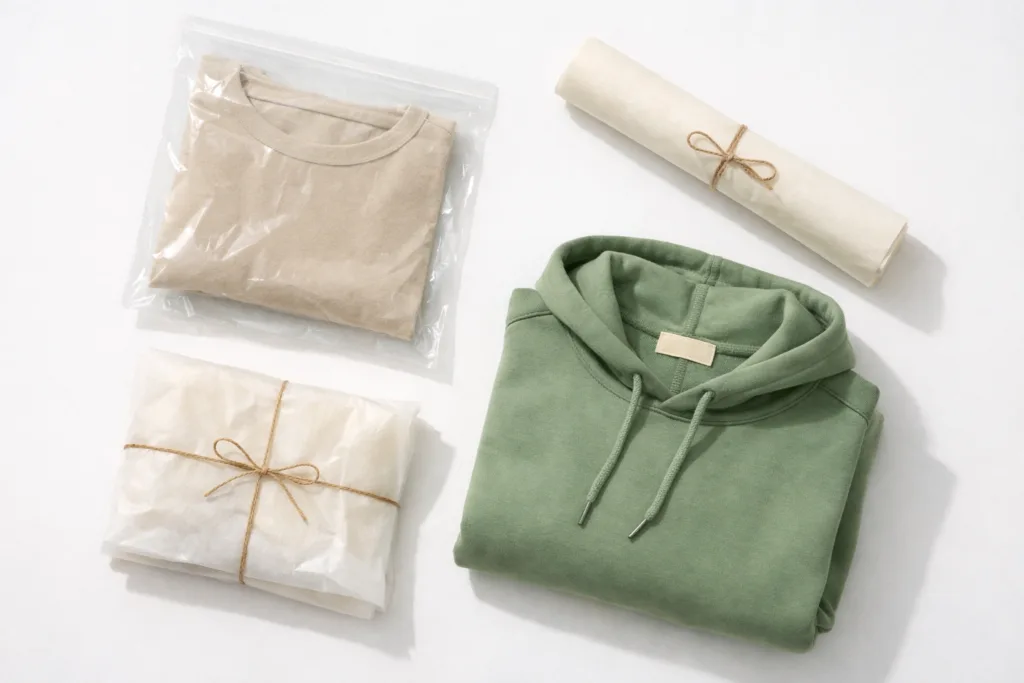
Responsible brands know sustainability shouldn’t end with the garment. Ask suppliers about biodegradable, recycled, or minimized packaging options. Buyers often overlook this at the order stage, only to scramble later for a compliant solution.
Customer Communication: How to Share Real Sustainability
Clear communication—on your website and product labels—builds trust and credibility. Avoid generic claims: instead, show your certifications, provide traceable batch info, or explain production process improvements in plain language. When sustainability is genuine and proven, your customers notice (and recommend you).
How Ninghow Navigates Sustainable Sourcing (Factory Insight)
At Ninghow, a garment manufacturer, switching to sustainable fabrics meant changing everything from fabric storage to sampling workflow. We began by updating QC manuals, training production lines to track recycled and organic batches, and tightening supplier qualification checks. The biggest lesson was patience: new materials often demand more sampling and trial runs to nail down handfeel, fit, and color. But a clear process yields upfront savings and predictable, repeatable quality.
The Future of Sustainable Fabrics: Trends Buyers Should Watch
- Next-gen fibers: Innovations like Tencel Lyocell and EcoVero viscose offer sustainability with new texture options.
- Digital traceability: QR codes and blockchains for tracking every garment’s journey.
- Closed-loop recycling: True fabric-to-fabric systems (not just bottle-to-shirt spin cycles).
Sustainable Fabrics 101: What Matters to Buyers
If you take away one lesson, let it be this: true sustainability is honest, documented, and built into every step. Buyers who ask for detailed proof, select materials fit-for-purpose, and hold factories accountable end up with stronger brands and satisfied end-users.
Conclusion: Making Sustainable Choices That Last
Switching to recycled or organic fabrics can be challenging, but it sets modern brands apart. By demanding clear certifications, knowing the key applications for different materials, and vetting each claim, apparel buyers can drive real change— avoiding greenwashing and earning customer loyalty. Investing in the right supply chain keeps your brand resilient as the focus on sustainability sharpens.
Frequently Asked Questions
What does “sustainable fabric” really mean?
Sustainable fabric refers to textiles that minimize environmental harm or support social responsibility, either by being recycled, organically grown, or produced with lower-impact processes throughout the supply chain.
How can buyers check if a fabric is truly sustainable?
Buyers should ask for third-party certifications like GOTS, GRS, or OEKO-TEX, examine documentation for each shipment, and avoid relying on vague claims or unverified stories from suppliers.
Are recycled fabrics as strong and soft as regular ones?
Most recycled fabrics are comparable in durability, but some may feel slightly less soft or flexible. Early sampling and physical tests are essential to match expectations and avoid surprises in bulk orders.
What’s the risk of greenwashing, and how do I prevent it?
Greenwashing hides the true environmental impact by exaggerating or making false claims. Prevent it by insisting on traceable certification, reviewing batch-level paperwork, and actively investigating sustainability claims.
What are the best uses for organic cotton and recycled polyester?
Organic cotton works best for basics, babywear, and comfort-first products, while recycled polyester shines in activewear, outerwear, and applications where performance is critical.
How can brands communicate their sustainability honestly to customers?
By sharing real certifications, providing traceability information on labels or websites, and detailing production improvements in clear, simple terms instead of making vague or generic claims.