






Ensuring that your garments meet all safety, labeling, and testing requirements is no small feat. Brands and manufacturers must follow a detailed apparel compliance checklist to prevent recalls, avoid legal issues, and build lasting trust with their customers. From raw materials to product labeling and rigorous testing, each step plays a role in the overall compliance landscape.
Understanding the Apparel Compliance Checklist
The apparel compliance checklist is a step-by-step process, ensuring finished garments meet safety regulations, environmental standards, and industry guidelines. Whether you’re manufacturing for North America, Europe, or global export, following a thorough checklist helps streamline approvals and mitigates risk early.
Key Materials Compliance Requirements

Upholding material standards is the cornerstone of apparel compliance. This covers fiber content, chemical restrictions, and other raw component standards. Most countries regulate chemicals—like azo dyes, lead, and phthalates—so testing your fabrics is just the start. Initial requirements typically include:
- Verifying fiber content (cotton, polyester, etc.)
- Confirming OEKO-TEX® or GOTS certificates for organic materials
- Assessing restricted substances (e.g., REACH and CPSIA-compliant levels)
- Testing trims, prints, and accessories for hazardous substances
Documentation: What Suppliers Must Provide
Materials compliance requires up-to-date records. At this stage, request the following documents from your supplier or sourcing agent:
- Material safety data sheets (MSDS)
- Certificates of compliance for regulated substances
- Third-party lab reports for each textile lot
- Traceability logs for organic or recycled content
Testing Protocols for Garments
Failing laboratory testing can delay shipments or lead to bans. Follow set testing protocols for:
- Mechanical safety (sharp points, attachments for children’s wear)
- Colorfastness (washing, light, perspiration, crocking)
- Physical performance (shrinkage, seam strength, pilling)
- Flammability as required by market
- Lead, phthalate, and formaldehyde testing
Labeling Compliance Essentials
Incorrect labels can cause failed customs clearance or consumer dissatisfaction. Your apparel compliance checklist should cover all required labels:
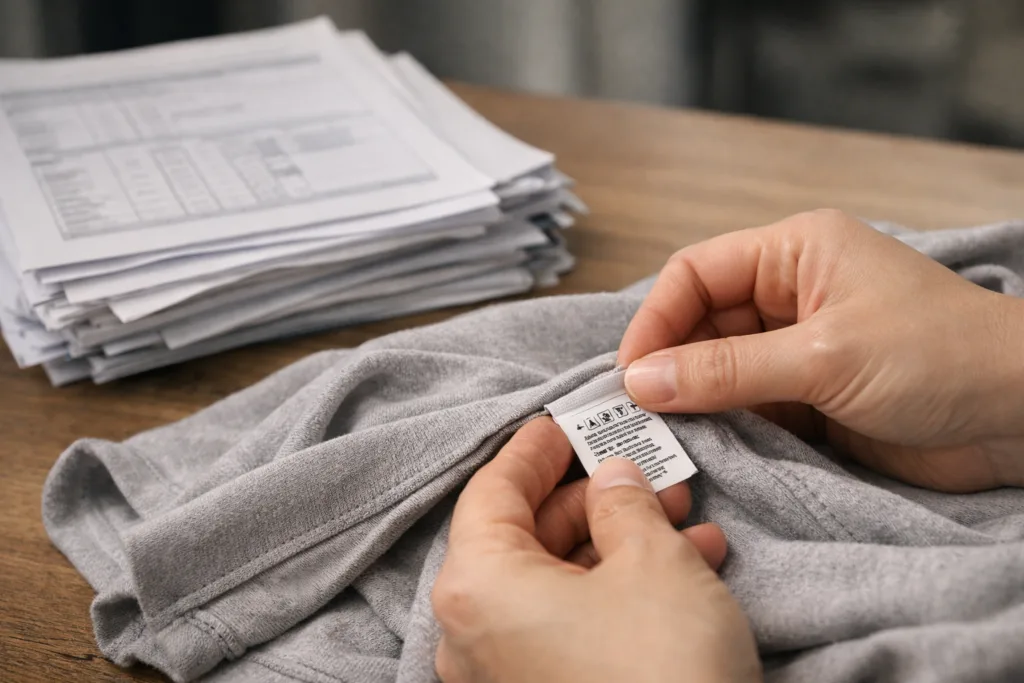
- Fiber content (accurate percentages)
- Country of origin (e.g., “Made in Vietnam”)
- Care labeling (wash, dry, iron instructions)
- Size identification
- Manufacturer or importer information
- Tracking label for children’s products
Tracking and Recordkeeping
Every step above must be documented. Create a compliance file including:
- Purchase orders and test reports
- Supplier certifications
- Photos and examples of all care and compliance labels
Factory Audits and On-Site Inspections
Consistency is achieved through audits. Regular audits verify production conditions, process documentation, and allow spot checks on labeling and materials. Consider a third-party factory audit checklist for robust results.
Children’s Apparel: Enhanced Compliance Requirements
Children’s wear is held to stricter standards worldwide. The checklist expands to include:
- Smaller parts and choking hazard avoidance
- Drawstring regulation adherence
- Tracking label requirements
- More frequent flammability and harmful chemical testing
Specialty Garments: Flame and Water Resistance
Uniforms, sports gear, and workwear may need to meet industry-specific standards. Factors include:
- NFPA or ISO certification for flame resistance
- Waterproof or water-repellent claims testing
- Performance standard documentation and regular batch checks
Import and Export Documentation for Apparel
International shipments require precise data for customs. Prepare the following:
- Harmonized System (HS) code description
- Test method certificates for destination country
- Copies of all applicable compliance certificates
Chemical Management and REACH/CPSIA Compliance
For the EU and US, chemical compliance is strict. Make sure your suppliers:
- Maintain updated restricted substance lists (RSL)
- Use approved dyes and processing chemicals
- Test regularly for regulated substances
Environmental Responsibility and Certifications
Modern buyers pay attention to eco-labels. Your apparel compliance checklist should note if garments are:
- OEKO-TEX® Standard 100
- GOTS (for organic textiles)
- GRS (Global Recycled Standard)
Apparel Compliance Checklist: Core Steps
Let’s break it down with a summary table:
| Stage | Compliance Focus | Main Documents |
|---|---|---|
| Raw Materials | Fiber content, chemical limits | MSDS, Test report, Certificates |
| Manufacturing | Control process, traceability | Audit logs, Purchase orders |
| Finished Goods | Labeling, quality testing | Care labels, Test reports |
| Packaging & Export | Documentation, legality | Export certs, Customs docs |
Common Pitfalls and Non-Compliance Risks
Even with a detailed checklist, mistakes happen. Watch out for:
- Language errors on labels
- Lack of country-specific testing
- Unverified supplier documents
- Missed tracking of minor component materials
Using a Third-Party Inspection Service
Engaging a third-party service lowers risk by verifying compliance before shipment. Many brands use external AQL (Acceptable Quality Level) inspection teams to check defects or non-compliance. See our AQL inspection guide for more details.
Role of Factory Communication in Compliance
Clear communication with your manufacturer is essential for ongoing compliance. Establish a regular reporting protocol and verify understanding of market requirements at every stage.
Ninghow’s Approach to Apparel Compliance
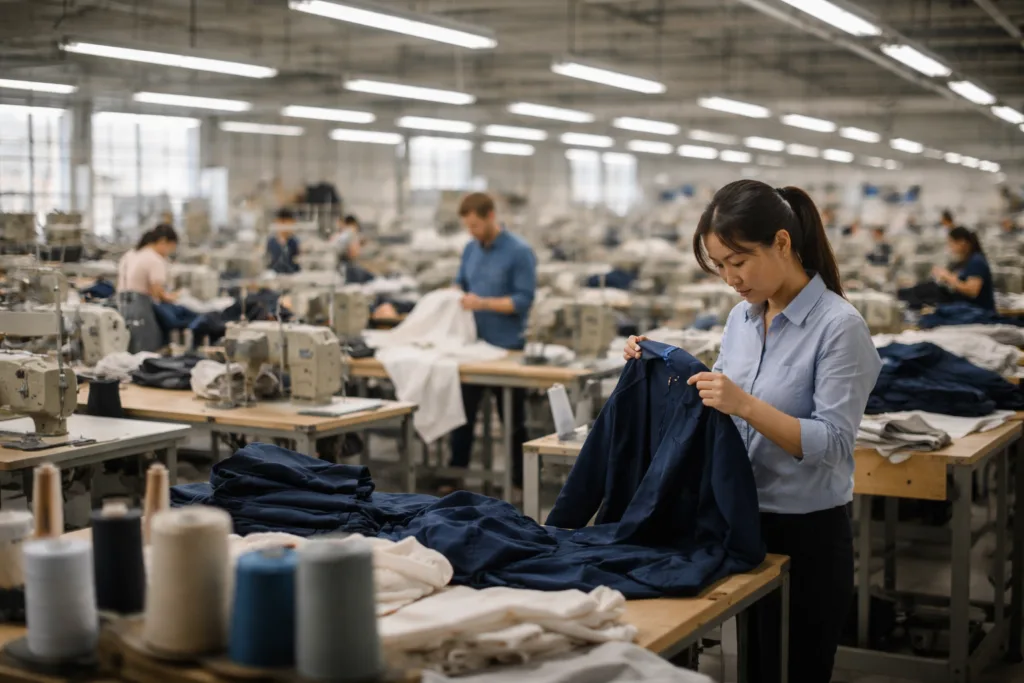
Ninghow’s team relies on a step-by-step apparel compliance checklist, with each garment batch double-checked for fiber certifications, physical durability, and careful label placement. Their process also integrates on-demand product testing services before bulk shipping, reducing the chance of shipment delays. If you’re considering a reliable apparel manufacturer, it’s worth learning how factories like Ninghow approach real-world customization and production.
Market-Specific Compliance Variations
Requirements differ across markets:
- US focuses on CPSIA and FTC labeling
- EU emphasizes REACH and eco-labels
- Japan demands unique care labeling protocols
Tailor the compliance checklist for each destination market to avoid shipment holds.
Care Label Design Tips
Design labels to last the whole garment life by:
- Using durable printing methods
- Employing standardized icons (ISO 3758)
- Positioning labels for easy consumer access while minimizing irritation
Fiber Content Verification and Testing Methods
Fiber composition can be confirmed through:
- Chemical dissolution tests
- Microscopy for blended or specialty fabrics
- Randomized batch sample checks
Accessories, Trims, and Embellishment Testing
All garment attachments should be checked for choking hazards, sharp edges, or restricted materials. Keep suppliers’ trim certificates on file and test high-risk embellishments regularly.
Packaging Compliance and Sustainability
Even apparel packaging faces regulatory scrutiny (e.g., Europe’s packaging directives). Ensure packaging materials are recyclable and include any required symbols or warnings.
Maintaining Compliance Through Product Lifecycle
Ninghow recommends periodic re-testing when sourcing changes or production lots differ. This ongoing diligence ensures compliance doesn’t slip as styles or suppliers evolve.
Supplier Vetting and Traceability Standards
Select suppliers with transparency in sourcing, proven testing records, and the ability to trace all raw materials. A detailed types of fabric guide can help understand sourcing implications and compliance risk for specialty textiles.
Digital Tools for Managing Apparel Compliance
Compliance management platforms allow you to track certificates, audits, and test reports in one central system. Automate expiration notices and streamline repeat compliance document requests.
Building a Culture of Compliance in Manufacturing
Fostering compliance-minded staff training reduces mistakes. Encourage every team member—from sourcing to packaging—to value accuracy and keep compliance top of mind. Ninghow’s experience shows factories with robust compliance training experience fewer shipment or safety issues.
Conclusion: Apparel Compliance Checklist Success
An effective apparel compliance checklist ensures each garment meets all legal, quality, and label regulations from fiber to final shipment. Risk-based testing, transparent supplier communication, and the use of digital recordkeeping tools keep your brand ahead. Staying organized and proactive fosters the compliant, reliable supply chain today’s buyers demand.
Frequently Asked Questions
What documents are critical for apparel compliance?
Essential documents include material safety data sheets, fiber content certificates, third-party lab test reports, and care label samples for each apparel batch.
How do I ensure material safety for garments?
Request MSDS and compliance certificates from material suppliers, conduct lab testing for restricted chemicals, and keep all reports in a traceable file for each lot produced.
What labeling rules apply to US apparel?
US garments must display fiber content, manufacturer or importer details, country of origin, and accurate care instructions per FTC and CPSIA guidelines.
How often should apparel compliance testing be performed?
Each new style or material batch should be tested before mass production. Periodic batch testing is wise, especially if suppliers or components change.
What are the risks of ignoring apparel compliance?
Non-compliance leads to shipment holds, recalls, legal penalties, and may damage brand reputation due to unsafe or incorrectly labeled products.
Which standards apply for children’s clothing compliance?
Children’s wear must meet CPSIA (US), EN 14682 (EU), and strict flammability and tracking label requirements. Testing for lead, phthalates, and small parts hazards is critical.