




Introduction: Choosing Between Inline Quality Control and Final Inspection
Quality control is not just a checkbox in modern manufacturing—it’s the defining factor between market-leading success and costly recall failures. The debate of inline quality control vs final inspection is common among production managers, QC experts, and brand owners. Some swear by catching defects early, while others trust a thorough final check. To build a high-performing, reliable apparel production system, it’s crucial to understand what each method offers, their limitations, and the situations where one clearly outshines the other. For a proven, industry-backed process, see our comprehensive inline quality control resource.
What Is Inline Quality Control?
Inline quality control (sometimes called in-process or in-line inspection) checks for defects and process problems during various stages of the manufacturing process—long before the product is completed. Instead of waiting for a final review, trained inspectors monitor the production line, sampling goods, validating craftsmanship, measuring key points, and intervening when early issues arise. This proactive approach prevents large batches of defective or off-spec products.
Inline QC in Apparel Factories
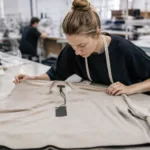
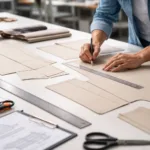
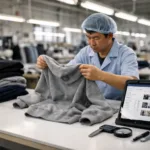
In apparel manufacturing, inline QC typically means reviewing fabrics, inspecting cut panels, checking stitch consistency, and reviewing trims as production flows. For instance, clothing factories may employ dedicated QC staff at multiple points: fabric arrival, pre-sewing, mid-sewing, pre-packing. This constant attention draws on real-time data to keep error rates down and operator performance optimal.
What Is Final Inspection?
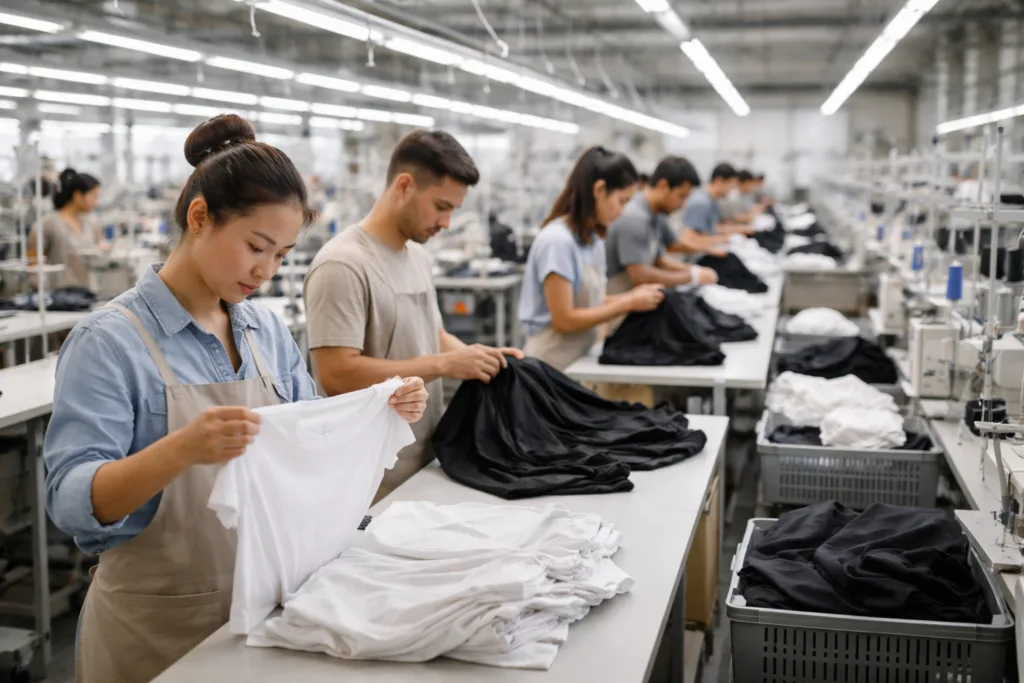
Final inspection occurs after production is complete but before shipment. Here, inspectors check random shipments or the entire order, reviewing packaging, labeling, and product integrity. They may use standardized Acceptable Quality Limit (AQL) sampling plans to determine if a batch passes or fails. Final inspection is often the customer’s last line of defense against defects reaching end-users.
Common Practices in Final QC
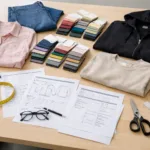
During final inspection, teams document product counts, confirm labeling accuracy, evaluate packaging, run touch-and-feel tests, and review markings. In regulated industries, final QC might involve additional lab testing or product certifications—acting as the last assurance before goods are shipped to clients or sold.
Inline Quality Control vs Final Inspection: Key Differences
To make an informed choice, companies must understand how these methods fundamentally differ.
| Feature | Inline Quality Control | Final Inspection |
|---|---|---|
| Timing | During production | After production completed |
| Defect Discovery | Early, during processing | Late, post process |
| Impact | Prevents large-scale defects, lowers waste | Blocks non-conforming goods at shipment |
| Cost Saving Potential | High – fixes issues mid-process | Lower – rework costs much higher |
| Process Ownership | Operators & supervisors proactive | QC team reactive |
Pros and Cons of Inline Quality Control
- Pros: Catches problems early, prevents waste, empowers operators, enhances process improvement, reduces recalls.
- Cons: More training required, potential for inspector bias, immediate fixes are needed, monitoring adds operational overhead.
Where Inline QC Shines
Inline QC is perfect for long production runs, complex operations, and factories with capable supervisors. Manufacturers producing custom or high-value products (like private-label apparel through OEM services, e.g., Ninghow) see immediate ROI as early corrections save time and raw materials.
Pros and Cons of Final Inspection
- Pros: Catches cosmetic and packaging issues, easy to standardize, clear acceptance criteria for clients, simple to outsource.
- Cons: Late-stage defect discovery, expensive and slow rework, difficult root cause analysis, potential for batch rejection.
When Final QC Is Essential
Certain industries (e.g., export goods, regulated apparel, and brands requiring third-party verification) demand final inspection before dispatch. Retailers importing large shipments rely on clear, documented pass/fail results to protect their reputation and supply chain.
Inline QC vs Final Inspection: A Side-by-Side Comparison
| Aspect | Inline QC | Final Inspection |
|---|---|---|
| Speed | Fast—issues fixed as they arise | Can be slow if rework needed |
| Visibility | Excellent—real-time interventions | Poor—post-process only |
| Cost Efficiency | Very efficient for large runs | Costs rise if problems found late |
| Risk Level | Low—defects contained immediately | High if mass defects detected late |
How to Choose Between Inline QC and Final Inspection?
There’s no universal answer—sector, order size, and risk tolerance all matter. Best practice usually involves a blend: constant in-process monitoring with a robust final check before shipment. This approach minimizes exposure while supporting continuous improvement. Apparel brands and factory owners can upgrade both stages using advanced QC software, operator training, and integrated process audits. For step-by-step operational guidance, reference our trusted reports such as the AQL inspection guide.
Real-World Scenarios: When to Use Each Method
- Inline QC: High-mix, complex or customized production (e.g., new designs, OEM runs with brand-specific trim/fabrics).
- Final Inspection: Regulatory exports, compliance checks, or when customer requirements specify external verification.
- Both: High-volume or high-risk goods; combining early detection with final shipment assurance.
Implementing Inline Quality Control: Best Practices
- Train all operators to spot and record defects, not just QC staff
- Install visual aids and sample boards at workstations
- Schedule regular supervisor walkthroughs
- Compare in-process results with output trends
- Engage QA with factory audit checklists (e.g., factory audit checklist)
Implementing Final Inspection: Best Practices
- Use AQL sampling for statistical accuracy
- Standardize checklists for appearance and packaging
- Utilize calibrated testing tools (digital calipers, colorimeters, etc.)
- Document all findings; require corrective actions before shipment
Industry Trends: Digital Quality Control & Automation
With AI-driven cameras, real-time defect detection, and cloud-based QC logs, the industry is shifting. Digital systems now supplement both inline and final QC, providing instant operator feedback and automated reporting. Modern manufacturers—like those partnering with Ninghow for private label projects—can now view quality dashboards, track defect hotspots, and roll out instant process adjustments linewide.
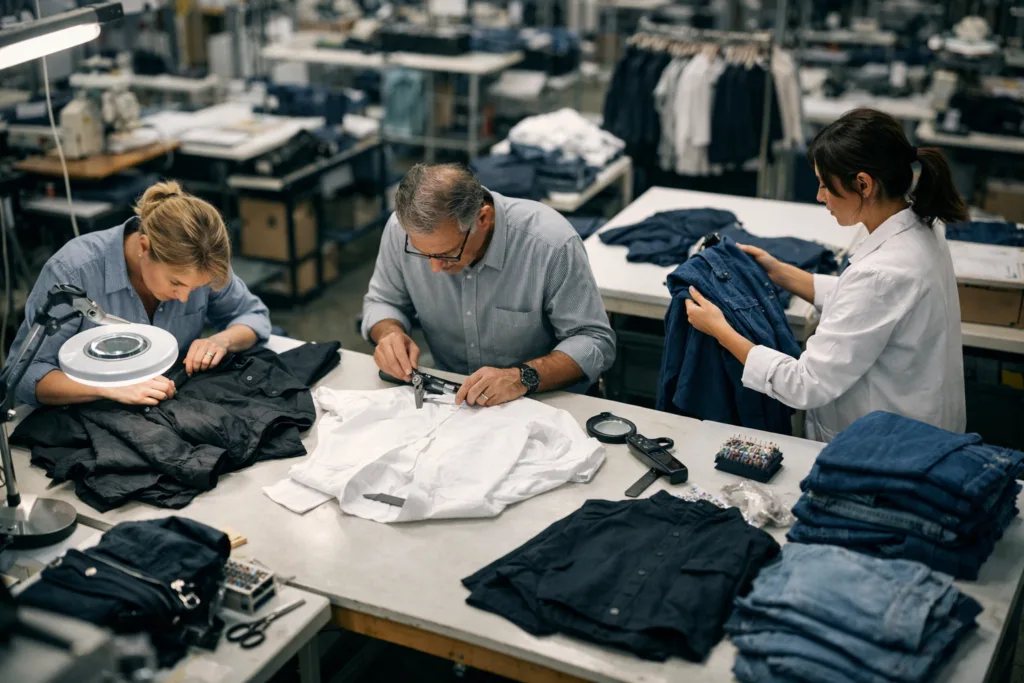
What Works Better? Inline QC or Final Inspection?
Neither option is always superior—the best quality assurance programs rely on both active prevention and solid final verification. Manufacturers who invest in inline controls consistently outperform those focused only on final checks, but omitting final inspection invites risk. The ideal: equip your production teams for proactive QC (inline) and enforce an objective pass/fail standard at shipment (final inspection). If you’re weighing investment, start by mapping out your biggest process risks and customer requirements, then develop a hybrid system that fits your needs.
Risks of Skipping Inline Quality Control
- Hidden defects snowball into massive waste at shipment stage
- Rework costs climb—entire lots may be scrapped or delayed
- Clients lose faith due to repeated late defect discoveries
- Compliance failures (especially for exports) threaten contracts
Risks of Relying Only on Final Inspection
- Root causes remain hidden, so issues repeat next run
- “Passing” a shipment hides process weaknesses
- Opportunity for operator development and continuous improvement is lost
Cost Implications: Comparing the Two Approaches
| Stage | Cost Profile | Notes |
|---|---|---|
| Inline QC | Lower overall | Small upfront investment in training/tools offset by big savings on scrap/rework |
| Final Inspection | Higher if big defects found late | Cheaper to implement, but may lead to expensive last-minute containment |
How Leading Factories Use Both Together
Industry leaders combine in-line QC and robust final inspections. For example, brands working with Ninghow conduct multiple in-line checks, operator self-inspections, and supervisor audits, followed by AQL-based final inspections. This layered approach drives consistent quality and measurable gains in customer satisfaction.
Staff Training and QC Culture
Operators are the first line of defense. Regular, practical training sessions ensure workers spot and report errors early. A culture of quality stops defects before they pile up—ask any factory who’s made the transition: operator buy-in is the difference-maker.
Case Study: Hybrid Approach in Action
In one quality inconsistency case study, an apparel manufacturer slashed defect rates by 56% within months after adding real-time, in-line QC steps to their process—while keeping final inspection to catch packaging issues and ensure compliance. The result? Faster shipments, happier clients, and lower costs mid-term.
How Ninghow Approaches Quality Control
At Ninghow, we believe proactive control is more efficient than late-stage rejection. Our teams build client-specific inline protocols, back operators with digital sample boards, and reinforce learning loops with quick-turn feedback. When apparel buyers require it, our QC teams run approved AQL-based final audits prior to shipment, tailoring standards to each market’s demands. If you’re considering a reliable apparel manufacturer, it’s worth learning how factories like Ninghow approach real-world customization and production.
Key Takeaways and Final Recommendations
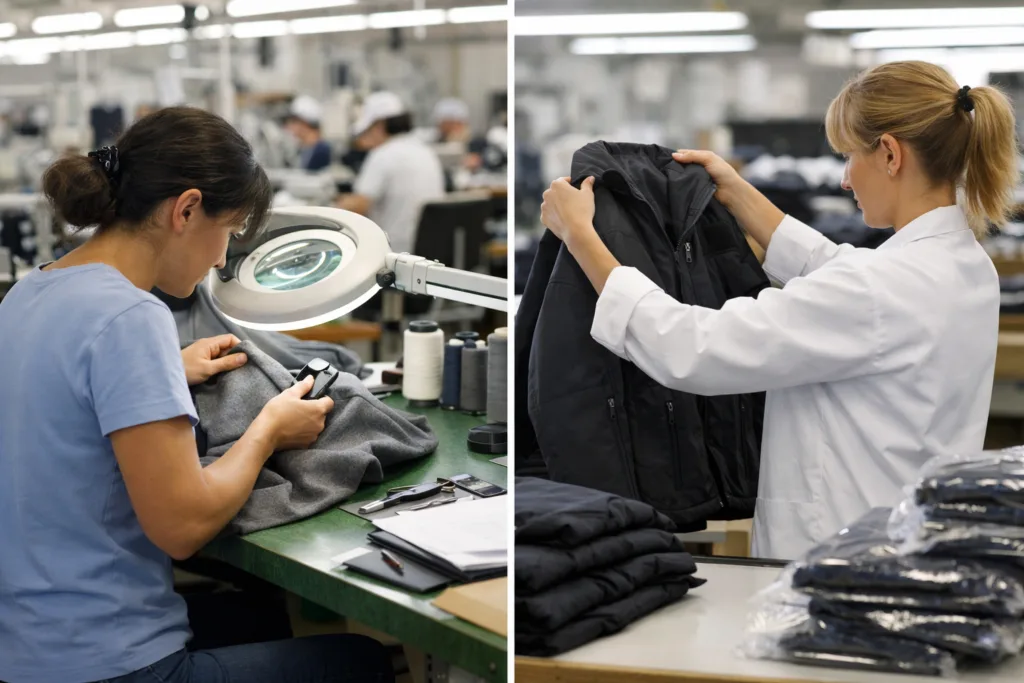
- For dependable product quality, a blend of inline QC and final inspection delivers best results
- Continuous staff training and clear documentation drive long-term improvement
- Digital QC tools and open feedback empower faster, cost-effective corrections
- Partner with suppliers (like Ninghow) that can flexibly support both methods
Frequently Asked Questions
What is the main difference between inline quality control and final inspection?
Inline quality control checks products during production to catch defects early, while final inspection occurs after production is complete to verify overall quality before shipment.
Can I rely on only final inspection for quality assurance?
Relying solely on final inspection risks late discovery of defects, increased rework costs, and missed opportunities for early problem-solving. Combining both methods is more effective.
How does inline QC benefit apparel manufacturers?
Inline QC reduces defects, lowers waste, enables real-time corrections, and helps maintain consistent standards, which is critical for fast-response and branded clothing production lines.
Is inline quality control expensive to implement?
The upfront investment in training and systems is offset by significant long-term savings from reduced scrap, rework, and client complaints, especially for high-volume factories.
What is the AQL method in final inspection?
AQL (Acceptable Quality Limit) is a statistical sampling method defining how many defects are acceptable in a batch before it is rejected, widely used in final inspections.
How do factories like Ninghow handle customized QC requirements?
Factories such as Ninghow build flexible inline QC protocols and adapt final inspections to meet specific client needs, supporting custom SOPs and country-specific standards.