




What Is AQL Inspection? – Apparel Industry Basics
Apparel brands face a constant challenge: ensuring every product meets quality expectations before it reaches the customer. That’s where AQL inspection steps in. AQL, or Acceptable Quality Limit, is a globally recognized method to determine if a batch of clothing or textiles meets your brand’s quality standards. Instead of checking every single item, AQL allows you to sample a specific number of pieces, inspect them, and decide whether the shipment passes or fails based on preset acceptance criteria. This process saves time, manages costs, and preserves your brand’s reputation for quality.
Understanding the Logic of Apparel AQL Sampling and Inspections
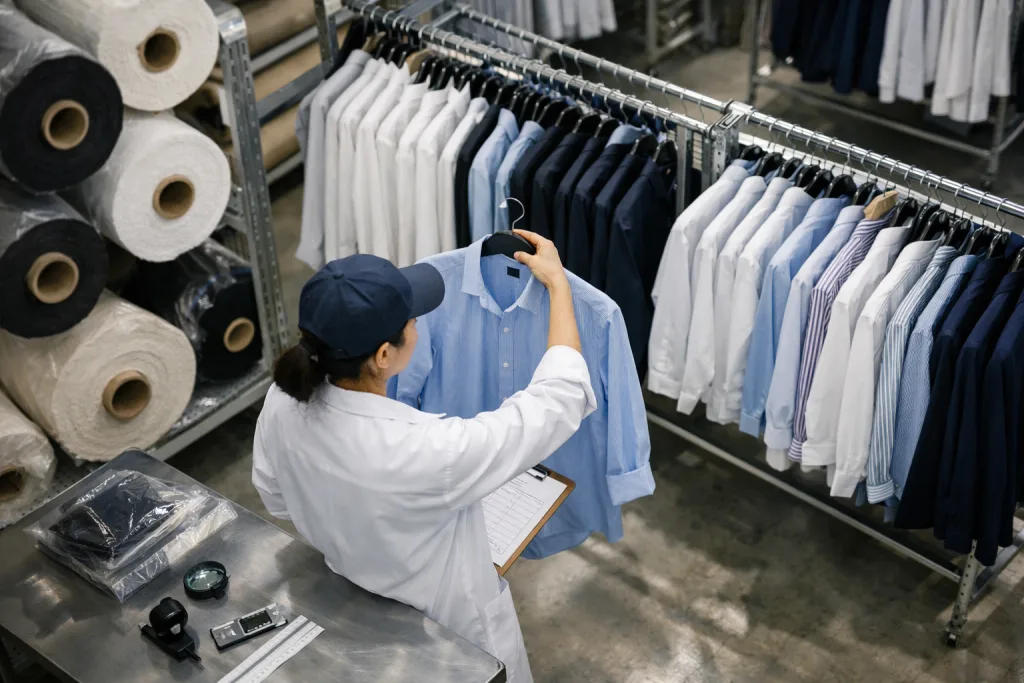
AQL inspection isn’t random – it’s systematic. Apparel brands or quality control teams refer to the internationally standardized AQL tables (like MIL-STD-105E or ISO 2859-1). These tables tell you how many samples to check out of your total batch size, and how many defects are allowed at each level (critical, major, minor) before a shipment must be rejected or reworked. The logic is simple: inspecting a sample gives you statistical confidence about the quality of the full shipment, without checking every item one by one.
Why Sampling Beats 100% Inspection
Inspecting every shirt, dress, or pair of jeans may seem ideal, but it’s costly and time-consuming. Apparel manufacturing often runs high volumes. AQL inspection means you can trust sample-based results, and focus resources where they matter most.
How the AQL Table Works
You start by identifying the lot size (number of items). The table guides you in how many to randomly select. For each type of defect (critical, major, or minor), set an acceptable quality limit—the maximum percentage of defects you’ll tolerate for the order to pass and ship.
What is AQL – The Sampling Inspection Standard and Significance for Clothing
AQL (Acceptable Quality Limit) is one of the most frequently mentioned terms in the quality management of clothing. It serves as the dividing line for determining whether a batch of clothing products is qualified during mass production and inspection. For clothing brands, AQL sets the maximum number of “defective products” that can be accepted in a sample. This setting strikes a balance between production costs and customer satisfaction, avoiding the pursuit of zero defects at all costs, which could lead to a sharp increase in costs.
The Role of AQL Inspection in Apparel Manufacturing
A solid AQL inspection prevents costly recalls and protects your brand. In the apparel industry, it’s common practice—even global retailers insist on AQL inspection before approving shipments. With competitive lead times, brands like Ninghow leverage AQL standards to optimize both speed and quality in production and order fulfillment.
Apparel Quality Goals with AQL
- Protect brand reputation by avoiding defective goods on store shelves
- Manage costs and efficiency, skipping unnecessary 100% checks
- Support compliance with buyers’ and retailers’ guidelines
Types of Defects: Critical, Major, and Minor (with Apparel Examples)
AQL inspection classifies defects as Critical, Major, or Minor. Apparel brands set different accept/reject thresholds for each level. Here’s what these mean for fashion and textile products:
Critical Defect Examples
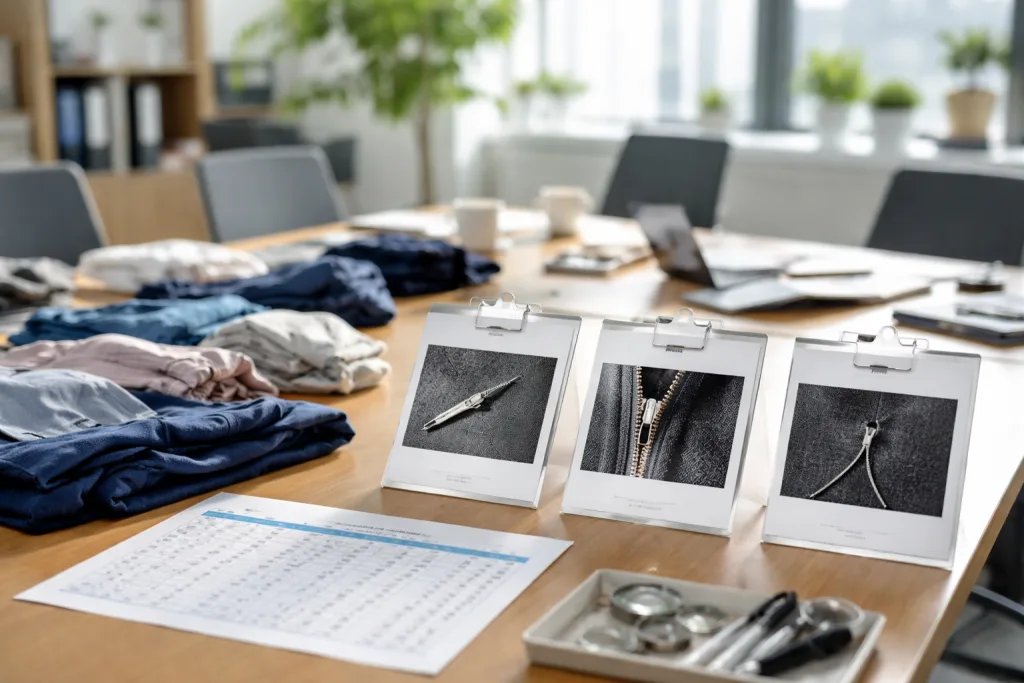
- A needle fragment or sharp object left in a shirt’s hem
- Smears of hazardous chemicals on fabric
- Apparel with holes, tears, or stains making them unsafe to wear
Major Defect Examples
- Broken zippers or unstitched seams
- Incorrect size labeling
- Significant shade variation between panels
- Large visible stains or misplacement of main design elements
Minor Defect Examples
- Loose threads or minor color unevenness
- Small oil mark hidden inside garment
- Button slightly off-center
How Do Apparel Brands Set Their AQL Levels?
The right AQL level depends on your target market and price point. Luxury brands demand stricter AQLs (lower tolerance for defects), while value or mass market brands may set higher limits. A standard setup:
- Critical: 0% (no critical defects allowed!)
- Major: 2.5% (AQL 2.5)
- Minor: 4.0% (AQL 4.0)
But these values can be adjusted depending on retailer requirements, contract agreements, or customer expectations. Most third-party inspection agencies align with AQL 2.5 for apparel unless otherwise requested.
The Step-by-Step Apparel AQL Inspection Process
Here’s what a typical inspection looks like for a clothing order:
- Inspector arrives at factory, reviews order specs and packing list.
- Sample number is selected from the shipment based on AQL table.
- Samples are drawn randomly, not cherry-picked.
- Defects found are classified as critical, major, or minor (with notes/photos).
- A pass/fail decision is made—result is reported to brand and/or buyer.
This process is supported by inspection forms and often real-time data apps. Reliable manufacturers, such as Ninghow, keep well-documented inspection records to build trust with brands and retailers.
When to Use AQL Inspections for Apparel Orders
AQL inspections are typically conducted:
- Before shipping from factory (final random inspection)
- After bulk production but before packing
- Occasionally at raw material or in-line stages for higher value orders
By targeting the right stage, apparel brands catch and fix problems before garments reach the market or distribution centers.
Customization for Apparel: OEM/Private Label Needs
OEM and private label apparel brands often order customized products that require unique trims, logos, or packaging. AQL inspection adapts to your brand’s quality specs—checking labels, heat seals, hangtags, prints, and even retail-ready packaging. Leading OEM partners like Ninghow position themselves as quality-driven by using AQL criteria as a default in every client order.
If you’re considering a reliable apparel manufacturer, it’s worth learning how factories like Ninghow approach real-world customization and production.
Comparison Table: AQL Levels vs. Quality Risk in Apparel
| AQL Level | Defect Tolerance | Product Positioning | Brand Risk |
|---|---|---|---|
| 2.5 | Low | Premium/Mid-range | Minimal |
| 4.0 | Medium | Value/Economy | Moderate |
| 1.0 or Lower | Very Low | Luxury | Very Minimal |
What Apparel Brands Should Know About AQL Contracts
AQL levels should always be documented in your purchase orders and supplier contracts. This ensures manufacturers are clear about deliverable standards and that disputes can be resolved objectively with inspection reports as evidence. Modifying your AQL levels (for example, dropping to 1.5 for a luxury line) should always be communicated and agreed upon with your supplier and QC partner.
Common Pitfalls with AQL in Apparel Manufacturing
Even with a scientific system, AQL works only when:
- Samples are truly random, not cherry-picked by the supplier
- Inspectors are trained in defect classification, not just quantity counting
- Production lots aren’t broken into sub-batches to “game” the system
Brands new to AQL should work with trusted 3rd party inspection services—especially for first production runs or new factories.
Critical, Major, Minor – How It Affects Your Brand and Customer Satisfaction
Each defect type impacts your business differently. Critical defects risk product recalls and safety issues, costing time and reputation. Major defects mean dissatisfied customers and a higher rate of returns. Minor defects might slip through but add up over time, hurting perceived quality. Smart brands set strict policies on what is “critical”–for example, a missing warning label might be a critical defect for babywear but only a major defect for casual t-shirts.
AQL for Direct-to-Consumer (DTC) Apparel Brands
If you run a DTC fashion business, AQL can unlock growth by reducing return rates, preventing negative reviews, and supporting clear QC with your global manufacturing partners. Regular, well-documented AQL checks allow you to scale confidently without personally visiting every factory run.
Ninghow’s Take: Honest Insights from an Apparel Manufacturer
At Ninghow, we believe clear quality standards help both brands and factories achieve consistent results. Setting realistic AQL levels, classifying defects accurately, and maintaining transparent records has helped our clients – from boutique labels to global chains – build trust and repeat business. We also welcome brand visits and audits to confirm our quality commitment firsthand.
Apparel AQL Inspection for Eco-Friendly & Sustainable Brands
Sustainable fashion brands use AQL the same way as conventional ones, but with extra focus on natural markers (for example, no hazardous substances in “critical” defects, or special labeling checks as “major” defects). Communicate your sustainability requirements to your inspection partner to avoid misunderstandings and support your mission-driven brand story.
Instrumental Tools & Tech: How Apparel QC Is Evolving
Digital apps for defect tracking, barcoded inspection forms, and instant photo uploads mean faster, more reliable AQL checks. Apparel brands, especially those working with international suppliers, increasingly expect real-time reporting and defect trend analytics from their factory partners.
How to Choose the Right Inspection Partner for Apparel Orders
Look for inspectors with proven apparel experience, sample size discipline, and up-to-date training. Brand partners like Ninghow open their doors to reputable third-party inspectors (like Intertek, SGS, or BV), showing genuine confidence in their systems.
Real-World Solutions: When to Tighten or Relax Your AQL

For newly launched lines, luxury collections, or safety-sensitive products, many brands set lower AQLs. For basic refills or repeat bulk runs, standard AQL 2.5/4.0 levels are usually sufficient. Monitor return trends and customer complaints to adjust your risk tolerance as your apparel business grows.
AQL Inspection – The Apparel Brand’s Safety Net
AQL inspection is essential—not just a technicality. It protects your bottom line, builds trust with retail partners, and delights customers. If you want balanced risk and realistic costs, a well-implemented AQL program is non-negotiable.
Frequently Asked Questions
What does AQL mean in apparel manufacturing?
AQL (Acceptable Quality Limit) is a statistical sampling method that defines the maximum number of allowable defects in a clothing shipment for it to pass inspection and ship to the customer.
How do you choose an AQL level for your apparel brand?
Select an AQL level based on your brand’s quality expectations, price point, and market positioning. Higher-end brands typically use lower AQLs, accepting fewer defects.
What’s the difference between critical, major, and minor defects?
Critical defects threaten safety or legality. Major defects ruin the product’s function or appearance. Minor defects are small flaws that don’t affect wearability or sale.
When should apparel brands use AQL inspections?
Most brands conduct AQL inspections just before shipment but may also inspect during production or on raw materials for sensitive or high-value orders.
Can suppliers influence the AQL inspection result?
If sampling isn’t truly random, or lots are split into sub-batches, results may be unreliable. Use trusted, transparent partners and specify AQL in contracts for accountability.
Is AQL inspection required by international retailers?
Yes, most global retailers require documented AQL inspections for apparel shipments to ensure consistent quality before goods reach stores or customers.