Sampling Process for Apparel Brands: From Tech Pack to PPS
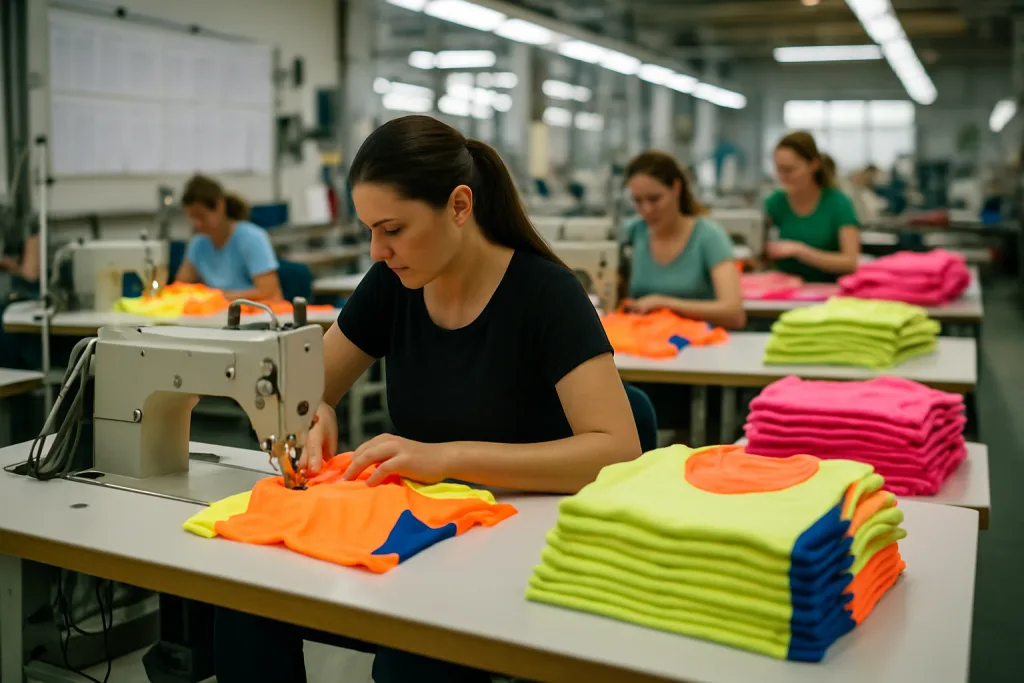
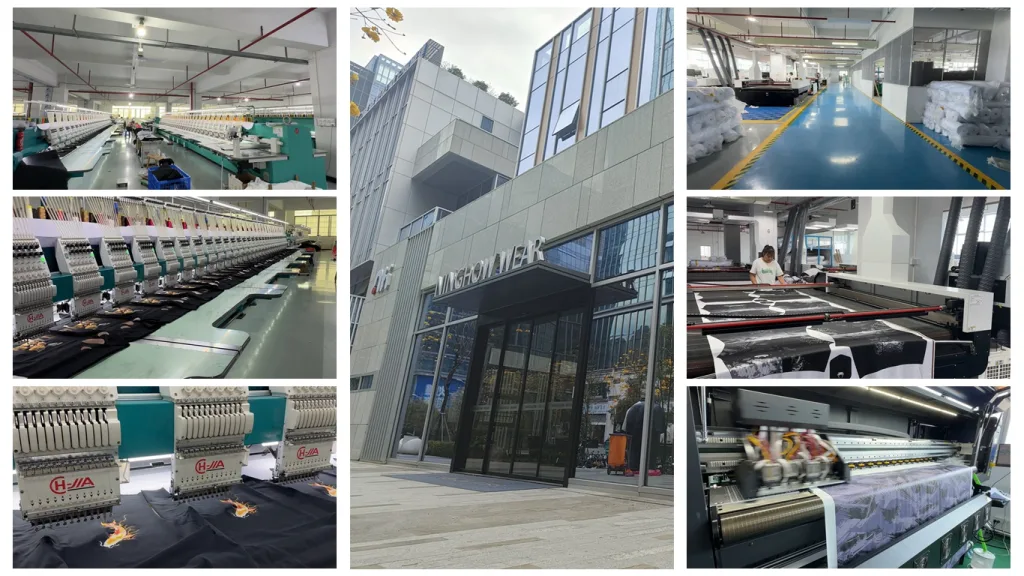
Ninghow is an apparel manufacturer with in-house sampling support. This page breaks down our sampling process—from tech pack to PPS—so brands can develop styles faster with fewer revisions.
The sampling process is the step-by-step path from an idea to a production-ready product.
A strong sampling process helps you:
Reduce revisions and wasted time
Control fit and measurements
Confirm fabric and trims early
Lock print and embroidery details
Make sure bulk production matches the approved sample
Key point: Sampling is not “one sample.” It is a sequence of samples, each with a clear purpose.
Why Sampling Gets Slow (and How to Fix It)
Sampling delays usually come from:
A tech pack that is missing key details
Unclear fit goals (too many opinions, no final decision)
Too many changes at once
Fabric or trim choices not confirmed early
No clear approval rules (what is “pass” vs “revise”?)
You can fix most of this by setting clear inputs and clear decision points.
Step 1: Start with a Tech Pack That a Factory Can Follow
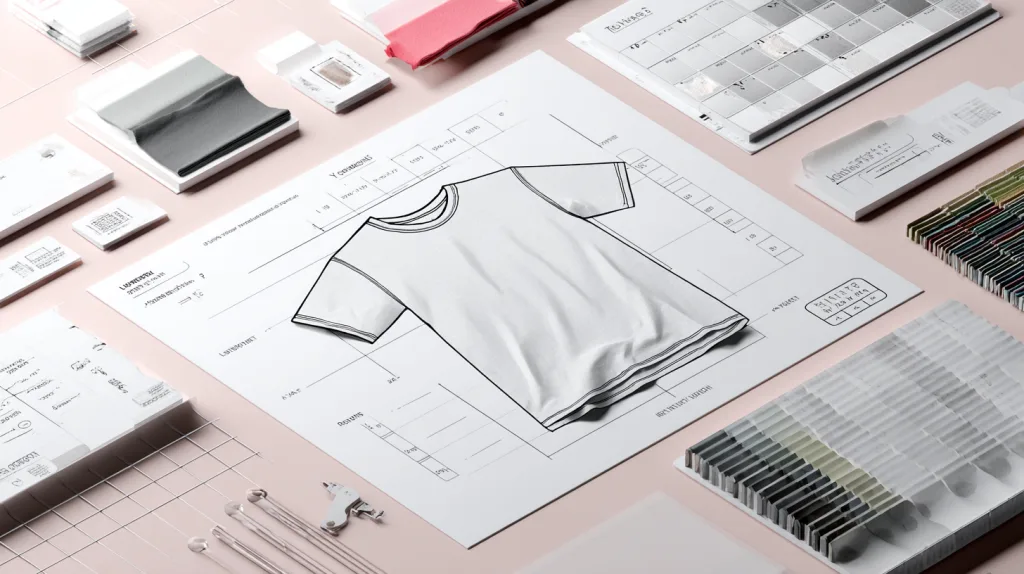
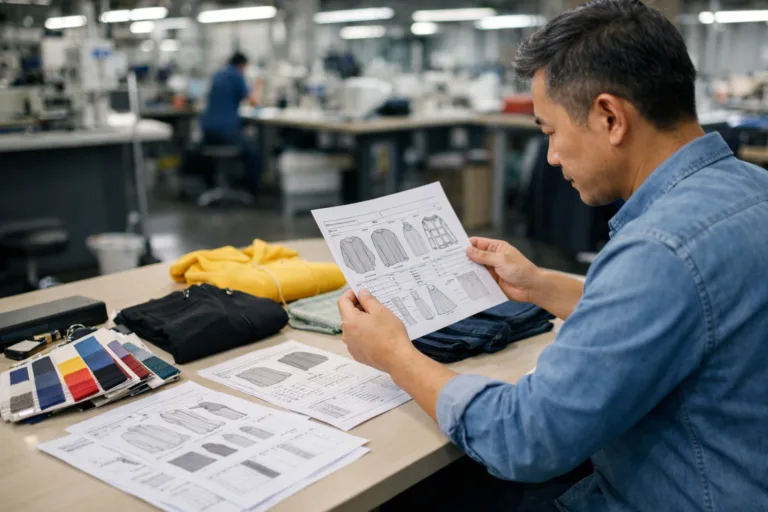
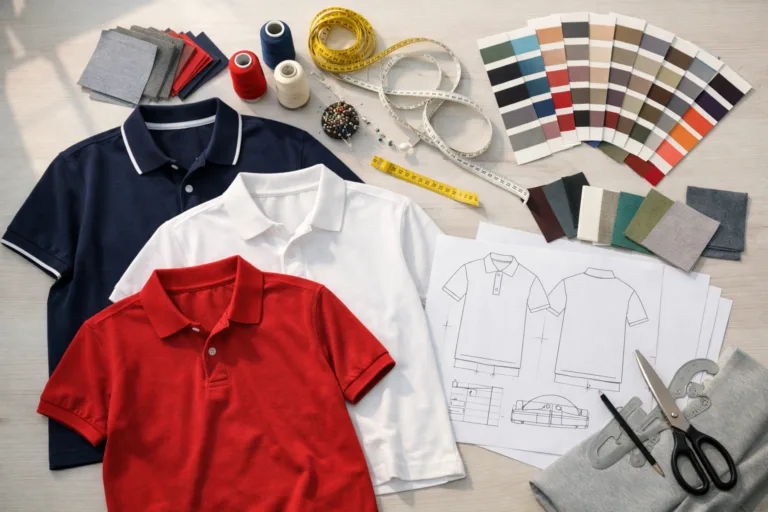
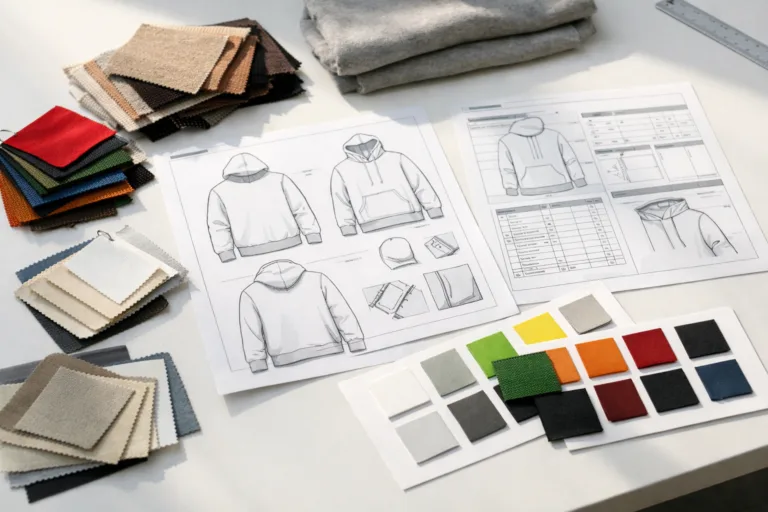
A tech pack is your product instruction manual. The best tech packs are simple, complete, and easy to read.
What a tech pack must include
Style name and product type (polo, T-shirt, hoodie, shorts, etc.)
Flat sketch or reference images
Fabric requirements (type + weight + stretch, if needed)
Construction details (key seams, stitch type, stress points)
Measurement chart (with clear points of measure)
Tolerances (how much variation is allowed)
Decoration details (logo placement, size, colors)
Labeling and packaging requirements
Target quantity and size breakdown (for planning)
Comments for fit intent (slim, regular, relaxed)
If you don’t have a full tech pack: Start with a “minimum tech pack” plus a reference sample.
Step 2: Choose the Right Sample Types (Not Just “Make a Sample”)
Different sample types answer different questions. When brands skip steps, they often pay later.
Common sample types (simple explanation)
Purpose: Check the overall shape and construction
Not perfect: Fabric and trims may be substitutes
Use it to catch big issues early
Purpose: Fix fit and measurements
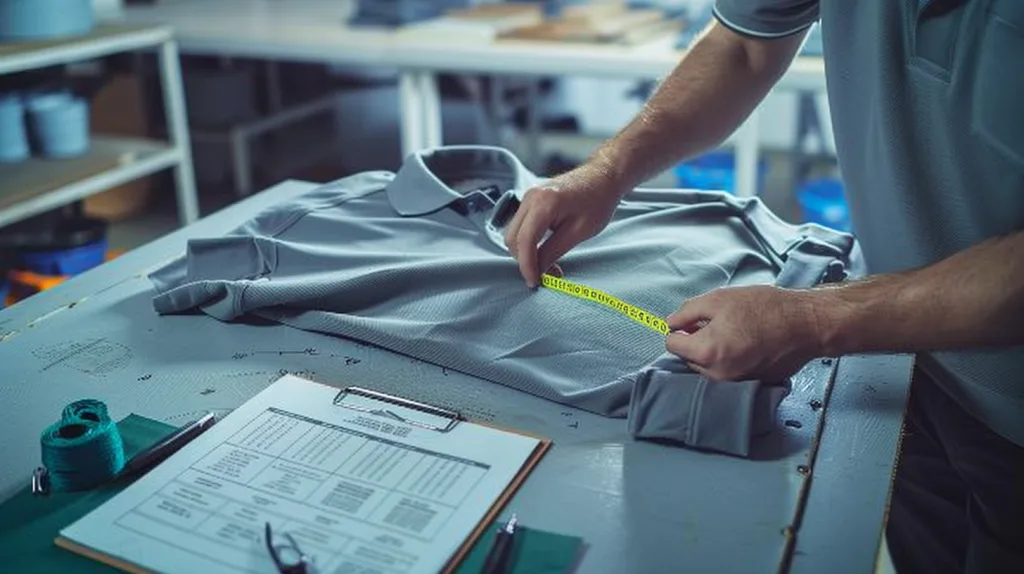
Use it to confirm key points (chest, body length, sleeve length, waist, etc.)
Best practice: One person owns final fit decisions
Purpose: Confirm grading across multiple sizes
Helps prevent returns due to sizing problems
Purpose: Confirm print, embroidery, and color matching
Helps avoid misaligned logos or wrong colors in bulk
Purpose: The final “bulk blueprint”
Must match real fabric, trims, and workmanship
Should be approved before mass production starts
Step 3: Confirm Fabric and Trims Early (This Saves Weeks)
Many projects slow down because fabric is not ready, or the final color is not approved.
What brands should confirm early
Fabric handfeel and weight
Stretch and recovery (for performance items)
Shrinkage risk (wash test, if needed)
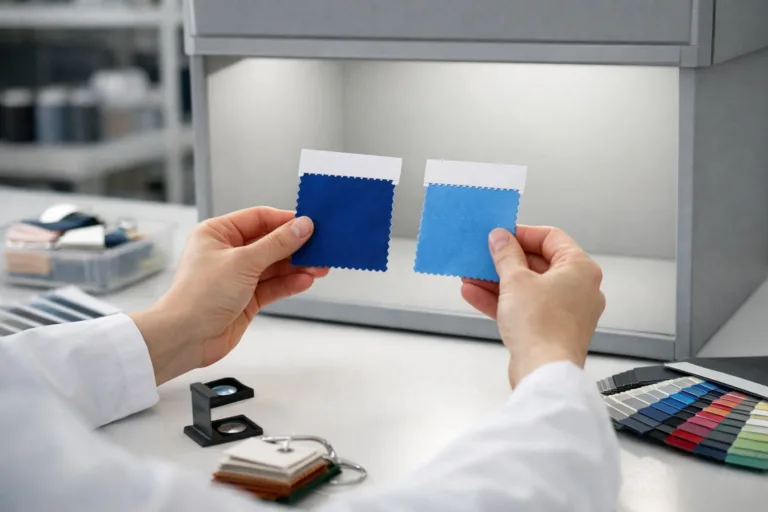
Color standard (lab dip or bulk shade control)
Trims: zippers, buttons, drawcords, elastic
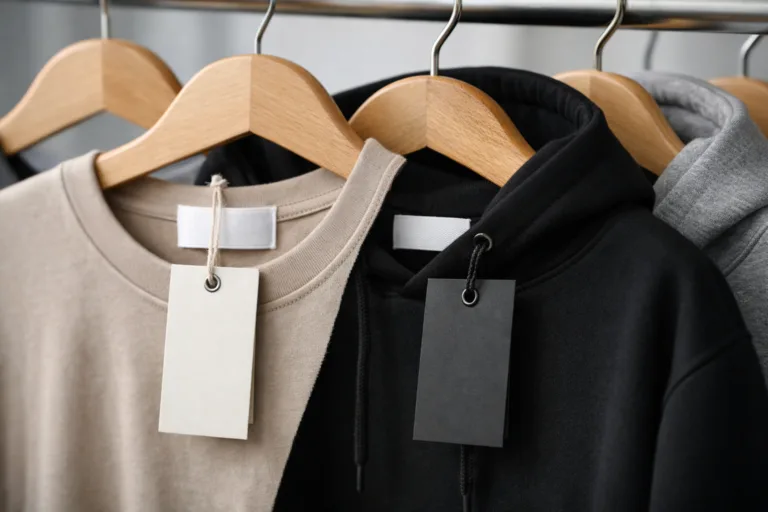
Labels and hangtags
Tip: If your fabric is custom-dyed, build extra time into your calendar.
Step 4: Use a Simple Review & Approval System
Sampling becomes slow when feedback is messy.
A simple sample approval workflow
Factory sends sample with measurement sheet
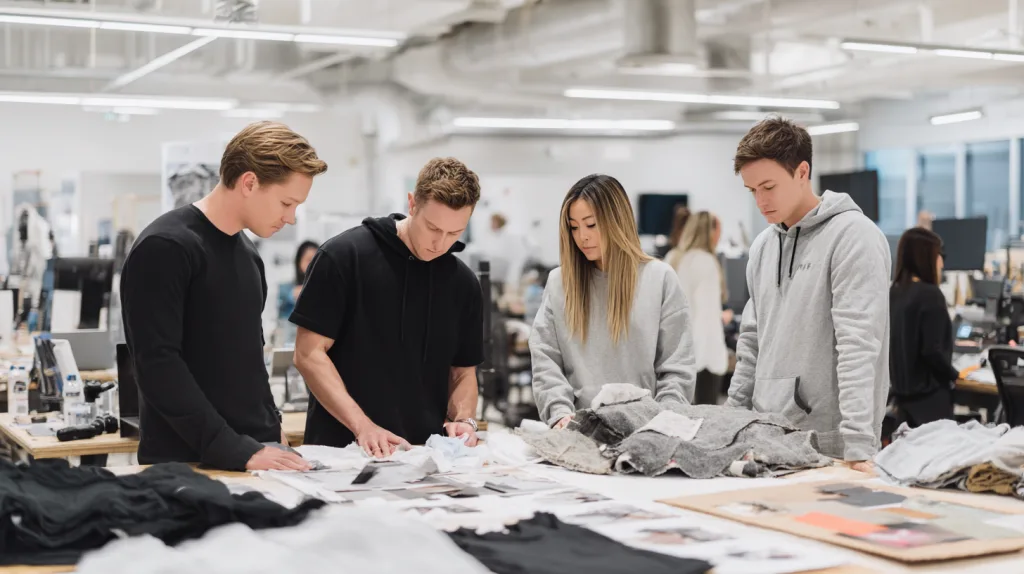
Brand checks fit + workmanship + decoration
Brand sends feedback in one clear document
Factory confirms changes before making the next sample
What good feedback looks like
Clear and numbered comments
Photos with arrows or circles
Exact measurement corrections
One final decision owner (not five people)
Avoid: “Make it better” or “Feels off.” Factories need specific instructions.
Step 5: Lock the “Golden Standard” Before PPS
Before PPS, you should confirm:
Final measurements + tolerances
Final fabric and trims
Final print/embroidery placement and size
Final labels and packaging
Approved construction details
This “golden standard” is what the factory must follow for bulk.
Step 6: PPS Approval (The Step That Protects Bulk Production)
PPS means Pre-Production Sample.
It is the most important sample for protecting your bulk order.
What PPS should prove
Bulk fabric and trims are correct
Measurements are within tolerance
Workmanship matches your standard
Decoration is correct and consistent
Labels and packaging are correct
Factory understands your exact requirements
Do not skip PPS if you are switching factories or launching a new style.
A Practical Sampling Timeline (Example)
Every project is different, but here is a simple timeline many brands follow.
Week 1–2: Tech pack + sourcing
Finalize tech pack
Confirm fabric and trims plan
Week 3–4: Proto / Fit sample
Proto sample review
Fit corrections
Week 5–6: Fit sample revision + size set (if needed)
Confirm fit
Confirm grading
Week 7–8: PPS
Final materials
Final workmanship
Packaging and labels confirmed
Week 9+: Bulk production starts
Inline QC checkpoints
Weekly production updates
If you need to move faster, the best way is not to rush blindly. It’s to remove unclear inputs and reduce revision rounds.
How to Speed Up Sampling (Without Losing Quality)
Here are the fastest, safest ways to speed up sampling:
Send a complete tech pack (or a minimum version + reference sample)
Limit first round options (fewer fabric choices, fewer colorways)
Decide fit direction early (slim/regular/relaxed)
Combine comments into one clear file
Approve one thing at a time (fit first, then decoration)
Use a trial order plan to validate in real production conditions
Common Sampling Mistakes Brands Make
Avoid these and you will save weeks:
Changing fit, fabric, and decoration all at once
Approving fit without measuring
Skipping size set for size-sensitive products
Rushing to bulk without PPS
Using unclear comments without photos or measurements
Letting too many people approve changes
How Ninghow Supports Faster, Clearer Sampling
For mature brands, sampling should feel structured, not chaotic.
Ninghow supports:
Clear tech pack review before sampling starts
Fast feedback loops with measurable changesn points
Fit control with tolerance guidance
PPS approval rules to protect bulk consistency
Smooth handoff from sampling to production QC
If you want to test a new supplier, a low-risk trial order after PPS is a safe start.
Speed Up Sampling—Without Endless Revisions
Ninghow is an apparel manufacturer that supports product development from tech pack to PPS. If sampling is slow or bulk doesn’t match, we’ll build a clear sample path with measurable approvals.
Actions:
Send Your Tech Pack (get a sampling timeline + clarification list)
Request a PPS-First Plan (best for switching suppliers)
Start a Development Trial (one style to prove speed + consistency)