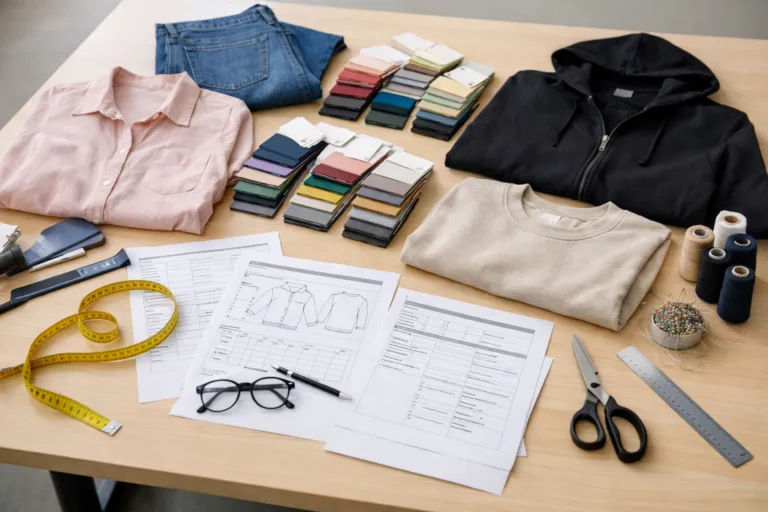
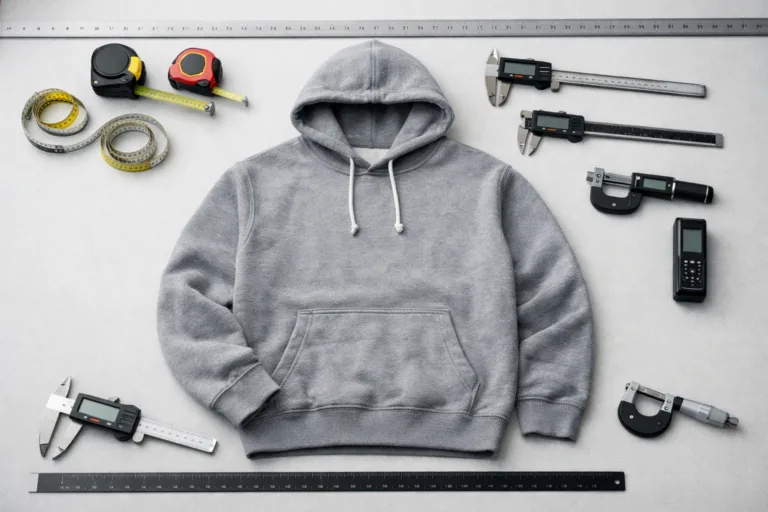
Garment Quality Control System: AQL, Inline, and Final Inspection
Ninghow is a clothing manufacturer focused on stable bulk quality. This QC guide explains the system we use—AQL, inline checks, and final inspection—to keep bulk consistent and reduce returns.
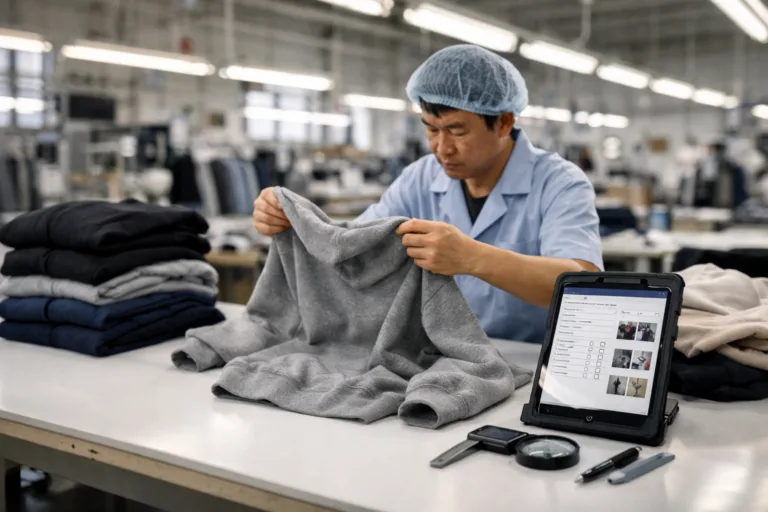
Simple rule: Inline QC is not one check. It is checkpoints.
Part 2: Final Inspection (Finished Goods + Packing)
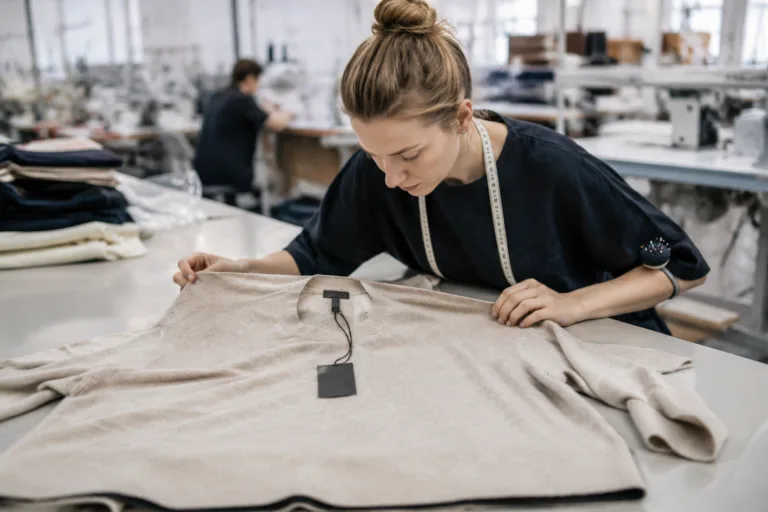
Final inspection happens when production is completed and the goods are ready for shipment.
What final inspection should confirm
Correct size distribution (size ratio is accurate)
Measurements are within tolerance
No major defects (holes, open seams, broken stitching)
Printing/embroidery matches the approved sample
Labels and hangtags are correct
Packaging is correct (polybag, barcode, carton marks)
Carton count and packing list match the order
Final inspection is essential—but it should be your last filter, not your only protection.
Part 3: AQL Inspection (The Sampling Standard)
AQL means Acceptance Quality Limit. In simple terms, it’s a rule for:
How many pieces are checked from a batch
How many defects are allowed before the batch fails
AQL does not mean “perfect.” It means “controlled risk.”
Why brands use AQL
It creates a clear pass/fail standard
It reduces arguments between brand and factory
It sets the same expectations for every order
AQL categories (simple)
Critical defects: unsafe or not allowed (example: sharp needle, serious labeling safety issue)
Major defects: customers reject the product (example: open seam, wrong size, big stain)
Minor defects: small issues many customers may accept (example: small loose thread)
Your brand should define what counts as critical, major, and minor for each product type.
How to Set QC Standards That Actually Work
A good QC system needs clear standards. Without them, inspection becomes opinion.
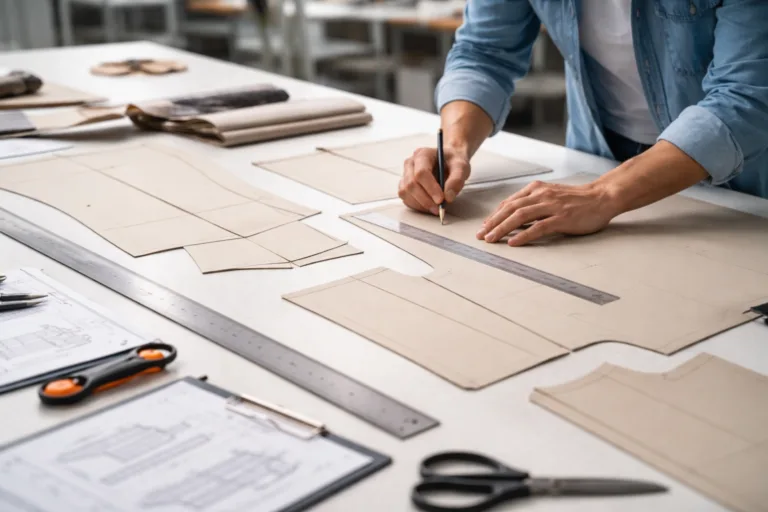
1, Create a “Golden Sample” standard
Before bulk production, confirm:
Fabric and color standard (shade)
Key measurements + tolerances
Stitching and construction details
Decoration placement and size
Labeling and packaging
This approved sample becomes the “golden sample” for production.
2,Use measurement tolerances
Tolerances reduce returns because size control becomes clear.
Example approach:
Set key measurement points (not 30 points)
Define tolerance ranges for each point
Require measurement checks during inline QC and final inspection
3, Lock decoration rules
Common decoration failures:
Print cracks after wash
Embroidery puckering
Wrong placement on different sizes
Color mismatch
Make sure decoration rules are written and checked.
The Most Common Garment Defects to Watch
Here are defects brands should track across polos, T-shirts, hoodies, and shorts:
Construction defects
Open seams, skipped stitches, uneven topstitch
Twisted side seams, wrong seam allowance
Weak stress areas (pocket corners, placket, zipper ends)
Measurement defects
Chest and body length out of tolerance
Sleeve length mismatch
Waist/hip errors in shorts
Fabric defects
Shade differences within one order
Excess shrinkage after wash
Pilling or rough handfeel different from sample
Decoration defects
Misaligned logo
Print peeling/cracking
Embroidery thread breaks or messy backing
Packing defects
Wrong labels or hangtags
Wrong size ratio in cartons
Missing polybag or incorrect barcode
A Simple QC Workflow Brands Can Ask For
If you want quality you can trust, ask your factory to follow a workflow like this:
Pre-production meeting
(confirm specs, tolerances, golden sample)
Inline QC checkpoints
(cutting → sewing → decoration → pre-pack)
Final inspection
(finished goods + packing)
AQL report
(with defect photos and clear results)
Corrective action
(what was fixed, how it won’t repeat)
If the factory cannot show proof or reports, quality becomes guesswork.
How QC Connects to Cost, Lead Time, and Returns
If you want quality you can trust, ask your factory to follow a workflow like this:
A strong QC system can:
Reduce rework and scrap
Lower return rates
Protect delivery dates
Improve repeat orders
It also makes pricing clearer. When quality standards are defined, the factory knows exactly what to build.
Why Brands Choose Ninghow for Stable Quality
If you want quality you can trust, ask your factory to follow a workflow like this:
For mature brands, the goal is simple: bulk quality should match approved samples.
Ninghow supports this with:
Clear QC checkpoints during production
Measurement tolerance control
Sample-to-bulk consistency rules
Packing accuracy checks
Simple reporting that buyers can understand
If you are unhappy with your current supplier’s QC transparency, a controlled trial order is a safe start.
Want Bulk Quality That Matches the Approved Sample?
Ninghow is an apparel manufacturer with inline QC checkpoints and AQL-based final inspection. If your returns are rising or quality varies order to order, we’ll show you a QC plan you can verify.
Actions:
Request a QC Checkpoint Plan (inline + final, buyer-friendly)
Get a Sample Defect Report Template (what you should receive)
Run a QC-Focused Trial Order (pass/fail rules agreed before bulk)