







Understanding Hoodies and Fleeces
When it comes to outerwear, hoodies and fleeces are two of the most popular choices for anyone seeking warmth and versatility. These garments may look similar, but their construction, insulation properties, and use cases differ widely—which means choosing the right one depends on your activities, climate, and comfort preferences.
What Sets Hoodies Apart from Fleeces?
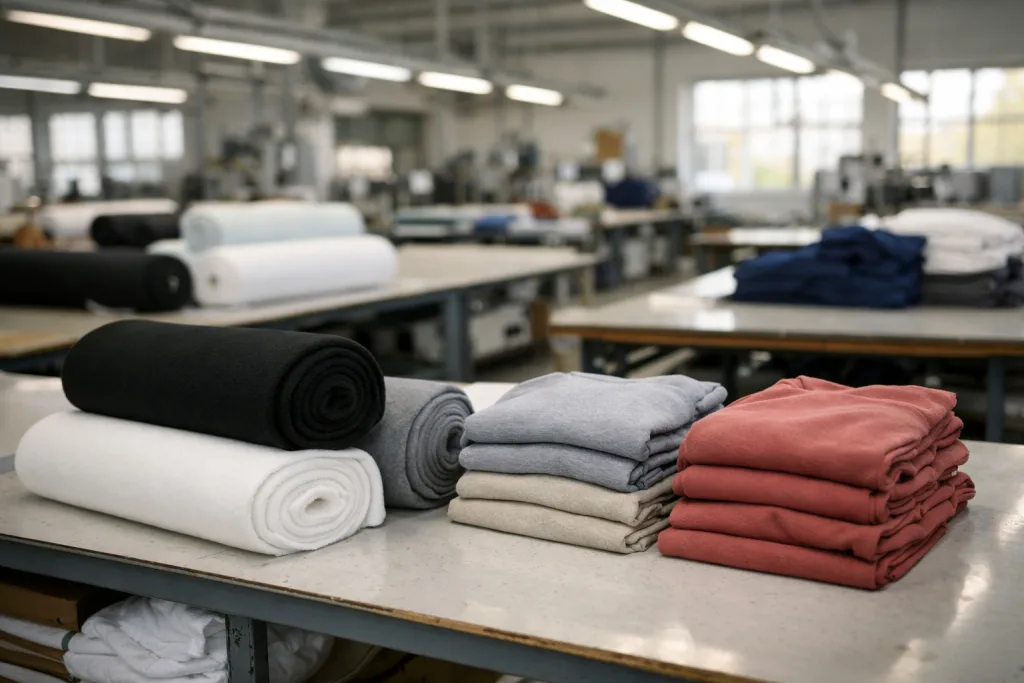
At a glance, hoodies and fleeces seem alike—both soft, both insulating. Yet, their differences are important for performance and comfort. Hoodies are typically made of cotton or cotton-blend fabric with a fleece-like brushed interior, featuring an attached hood and sometimes a kangaroo pocket. They’re perfect for casual wear, layering, and light outdoor use.
Fleeces, on the other hand, are made from synthetic, ultra-soft polyester fabric engineered for insulation. They focus on retaining warmth, wicking moisture, and drying quickly. Most fleeces lack a hood but excel in active outdoor settings for hiking, climbing, or chilly work environments.
Main Material Differences
The defining difference lies in what they’re made of: Hoodies feature heavier fabrics like cotton or blends, while fleeces rely on engineered polyester. The latter creates microscopic air pockets that trap warmth efficiently, resulting in exceptional thermal retention.
| Feature | Hoodies | Fleeces |
|---|---|---|
| Main Material | Cotton/cotton-blend | Polyester fleece |
| Weight | Medium-heavy | Light-medium |
| Insulation | Moderate | High |
| Drying Speed | Slow | Fast |
Warmth Levels Explained
Warmth is a top priority when choosing between hoodies and fleeces. While both offer insulation, fleeces generally outperform hoodies due to their high-loft fibers and technical design. This makes fleeces ideal for layering in extreme cold, whereas hoodies shine in mild conditions or for everyday comfort.
Layering with Hoodies and Fleeces
One of the greatest strengths of both garments is their adaptability in layering systems. Hoodies can act as a mid-layer under jackets or stand alone on cool days. Fleeces, lighter and easier to compress, nestle seamlessly beneath a shell for technical performance—great for hiking, skiing, or mountaineering.
Outdoor Use Cases
For outdoor enthusiasts, choosing the right attire is crucial. Hoodies are extremely popular for casual walks, city commuting, or lounging around basecamps. Their relaxed fit and street-ready design make them a favorite in urban settings. Fleeces win out when technical performance matters—think moisture management, weight, and insulation. They’re the top choice for hiking, trekking, and other aerobic outdoor activities where warmth needs to balance breathability.
Durability and Longevity
Both garment types are built to last, but fleeces have the edge. Their synthetic fibers resist pilling and wear, are easier to wash, and dry faster. Cotton hoodies, while comfortable, are more prone to shrinking and may retain moisture for longer periods, leading to odor and reduced performance in wet weather.
Breathability: Keeping You Comfortable
Fleeces are engineered to wick away sweat and dry rapidly, keeping you comfortable during intense activity. Hoodies, due to their denser knit, offer less breathability, making them better for moderate use.
Weather Resistance Features
Some modern fleeces come with water-repellent (DWR) or windproofing treatments, adding a layer of protection not typically found in hoodies. This makes fleeces practical for changing weather conditions, though neither option is 100% waterproof without an additional shell.
Style and Design Choices
Hoodies and fleeces cover a wide spectrum of styles: zip-up, pullover, full-zip fleeces, and classic hooded sweatshirts. Style remains a major driver for hoodie popularity, while fleeces tend to focus more on function than fashion. Still, you’ll find plenty of colors, cuts, and customizations on the market.
Comparing Weight and Packability
For travelers and outdoor adventurers, pack weight matters. Fleeces are compact and lightweight—easy to stuff in a daypack. Hoodies take up more space due to their heavier fabrics.
| Aspect | Hoodies | Fleeces |
|---|---|---|
| Packability | Bulky | Compressible |
| Travel Suitability | Leisure trips | Adventures, technical travel |
Value for Money: Cost Analysis
Prices vary with brand, features, and build quality. Hoodies range from budget to premium, while fleeces—especially technical models—may fetch higher prices but offer greater year-round versatility and durability.
Cleaning and Maintenance Tips
Care for hoodies by washing in cold water, avoiding high heat to prevent shrinkage. Fleeces fare better with synthetic-friendly detergents and often need no ironing. Always follow manufacturer instructions for lifespan extension.
Ninghow’s Approach: Factory Insights
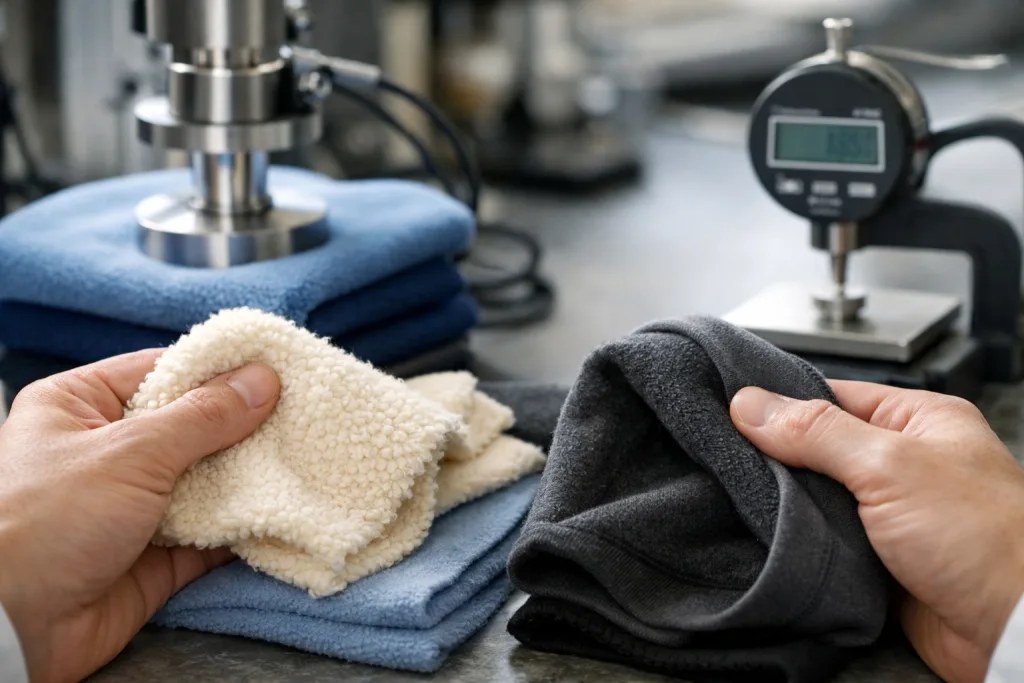
As a specialized hoodies manufacturer, Ninghow emphasizes quality and customization in hoodies and fleeces. Their production includes rigorous material selection and testing, with options for OEM/private label orders to meet unique performance or branding needs. For brands considering large-scale manufacturing, Ninghow’s expertise in thermal textiles and technical fleece development can be invaluable.
If you’re considering a reliable hoodies and fleeces manufacturer, it’s worth learning how factories like Ninghow approach real-world customization and production.
Customization and OEM Services
Custom design, fabric selection, and sizing options are available from providers like Ninghow. Brands can specify warmth levels, logos, and technical finishes—making it possible to create products tailored for specific outdoor environments or style trends.
Industry Perspectives
Market demand for hoodies and fleeces continues to rise, especially for multi-functional garments suitable for both city life and wilderness. Technical improvements in polyester processing and eco-friendly materials are leading the way in new designs and applications.
Sustainability and Eco-Friendliness
Modern fleeces often use recycled polyester, reducing environmental impact. Some brands, including those manufactured by Ninghow, have adopted more sustainable approaches throughout the production process. Cotton hoodies see benefits from organic and responsibly sourced fibers.
How to Choose the Right Garment
Assess your primary use—casual wear, camping, hiking, or technical sports. Consider warmth, breathability, packability, and style preferences. Think about layering needs and weather conditions. Always check labels for insulation ratings and features.
Fit and Sizing Advice
Proper fit ensures maximum comfort and performance. Fleeces often have an athletic cut for layering, while hoodies run more relaxed. Sizing charts, user reviews, and manufacturer guidance help pick the right size for your activities.
Popular Brands and Manufacturing Standards
Renowned names like Patagonia, The North Face, and OEM manufacturers like Ninghow deliver consistent quality. Look for certifications, stitching quality, and finish when vetting brands or suppliers.
Environmental Factors: Urban vs. Outdoor
Cities favor hoodies for their trendy appeal and versatility. Outdoor settings benefit from fleeces because of their technical strengths, warmth, and moisture management—making the choice context-dependent.
Performance Under Changing Conditions
Expect fleeces to hold up in dynamic outdoor scenarios, from cold mornings to active hikes. Hoodies excel in stable environments but may lag in technical performance when weather turns wet or windy.
Trends in Textile Technology
Recent advances in synthetic yarns, anti-pilling treatments, and hybrid blends are influencing the warmth and durability of both garments. Technical fleeces are now lighter and warmer than ever—ideal for backpackers, climbers, and urban adventurers alike.
Customer Reviews and Field Experiences
Real-world feedback from users highlights the importance of correct layering. Many prefer fleeces for high-output activities, while hoodies remain unbeatable for relaxation and casual layering.
Maintenance and Lifespan Tips
Extend garment life by following care directions—gentle detergents, air-drying, and avoiding harsh chemicals. Fleeces last longer when washed cold and stored dry; hoodies benefit from minimal tumble-drying.
Expert Advice for Outdoor Enthusiasts
For serious outdoor use, invest in technical fleece as a core mid-layer, backed by shell protection. Hoodies are best suited for approach hikes, camp lounging, or day-to-day wear.
Hoodies and Fleeces

Understanding the difference between hoodies and fleeces helps you pick effective layers for warmth, style, and performance. Evaluate your needs—matching your activities with the right materials and construction ensures comfort regardless of weather or environment.
Conclusion: Making the Smart Choice
Whether your preference leans toward the casual comfort of a hoodie or the technical warmth of a fleece, you now have the insight to make a confident decision. Consider material, insulation, fit, and performance to find the ideal garment for your city adventures or outdoor explorations. Manufacturers like Ninghow and other leading brands make it easier than ever to access durable, customizable options for every activity. Choose wisely, stay warm, and enjoy the versatility these essentials bring to your journey.
Frequently Asked Questions
How do I choose between hoodies and fleeces?
Consider your intended use—hoodies are great for casual settings while fleeces excel in technical outdoor activities where warmth and breathability matter most.
Are fleeces warmer than hoodies?
Yes, fleeces typically offer higher insulation due to their polyester fibers and trapped air design, making them better for cold or variable conditions.
Can hoodies and fleeces be layered together?
Absolutely. Layering a light fleece under a hoodie or vice versa adds flexibility and allows you to adjust warmth efficiently when temperatures change.
What is the best way to clean a fleece garment?
Wash in cold or warm water using mild detergent, avoid fabric softeners, and air dry when possible to maintain texture and performance.
Do manufacturers like Ninghow offer customization?
Yes, Ninghow and similar OEM providers can customize fit, material, and branding, allowing brands and retailers to create tailored products for specific needs.
Are eco-friendly fleeces available?
Many fleeces are made with recycled polyester today. Look for sustainability certifications and eco-friendly manufacturing for minimal environmental impact.