
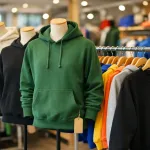







Best Heated Hoodie: An Essential Guide
The best heated hoodie has become a must-have for people who face chilly weather at work or during outdoor adventures. Modern heated hoodies use advanced heating film technology and upgraded battery systems to deliver reliable warmth. Safety certifications and rugged construction are essential factors for users who demand performance and trust.
- How heating technology affects comfort and durability
- Battery choices and charging safety explained
- Certifications every buyer should know
- Top scenarios for outdoor and industrial use
Heating Film Technology: Advanced Warmth
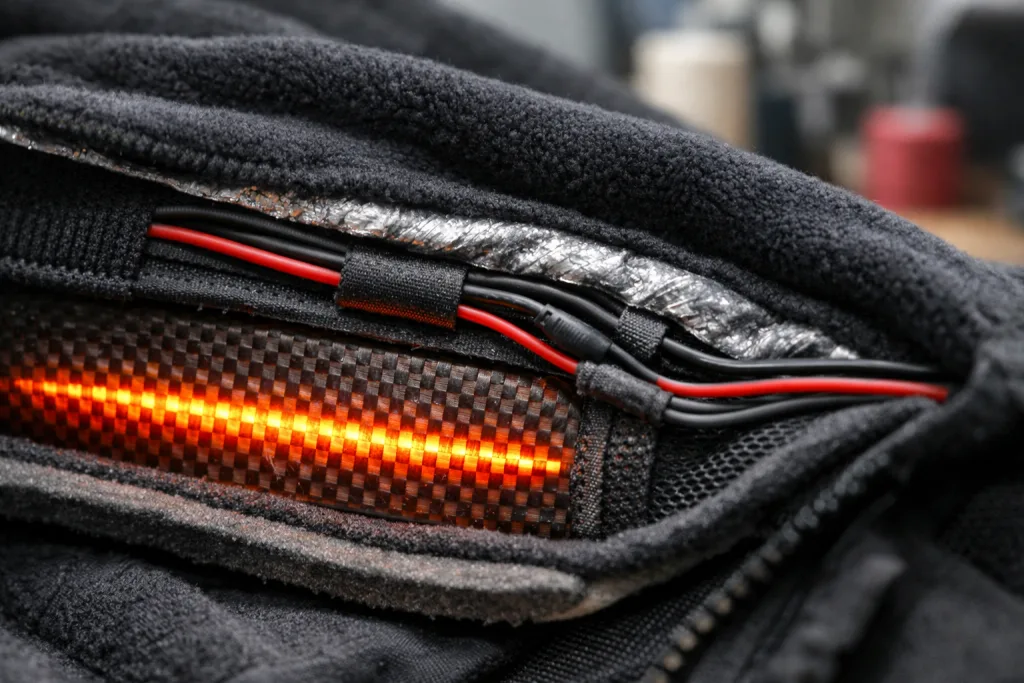
Most heated hoodies rely on carbon fiber heating films. These ultra-thin sheets spread evenly across key body zones. Compared to old wire-based systems, heating films provide even warmth, lower power draw, and better flexibility. High-grade heating films in top models are tested for output and stability, following international standards such as IEC 60335 for safety.
How Heating Films Work
A heating film is a flat, layered material containing carbon elements. When electricity flows through these layers, heat is generated quickly and spreads throughout the targeted area. The structure keeps the hoodie lightweight and allows for easy movement.
Film Placement Scenarios
- Chest and back zones for core warmth
- Collar and pocket areas for added comfort
- Shoulder panels for industrial-grade outdoor wear
Material Quality and GSM
Premium heated hoodies use brushed fleece or French terry fabric in 280–360 gsm weights. These pair well with film technology, ensuring insulation without bulk. Ninghow, known for its consistent fit and durable craftsmanship, exemplifies high standards in layering and finish.
Battery Standards: Powering Your Heated Hoodie
The battery is the heart of a heated hoodie. Its capacity, regulation, and protection features define safety and performance. Modern heated hoodies use lithium-ion batteries (usually 7.4V–12V), with output ratings between 5,000mAh and 10,000mAh. Proper battery management prevents overheating and prolongs the hoodie’s lifespan.
Battery Performance Table
| Battery Type | Capacity (mAh) | Run Time | Certifications | Best Use |
|---|---|---|---|---|
| Lithium-Ion | 5,000–8,000 | 6–8 hrs | UN38.3, CE | Daily work, casual wear |
| Lithium-Ion (high capacity) | 10,000+ | 10–12 hrs | UN38.3, CE, UL | Heavy-duty, extended outdoor |
Safe Battery Features
- Overcharge protection
- Temperature monitoring chips
- Automatic shut-off
- Short-circuit safeguard
Charging Tips
Always use the charger supplied with your heated hoodie. Check for compliance marks like CE and UL on both battery and charger. Avoid charging in wet environments and store batteries at room temperature when not in use.
Safety Certifications: Making Heated Hoodies Trustworthy
Safety is crucial for clothing that generates heat near your body. The best heated hoodie manufacturers seek third-party certifications to guarantee safe operation. These include:
- CE marking – Confirms compliance with EU electrical safety standards
- UL certification – Verifies product safety for the North American market
- UN38.3 – Required for safe lithium battery transport
- OEKO-TEX STANDARD 100 – Ensures fabric is free from harmful substances
Why Certifications Matter
Certified heated hoodies have undergone rigorous test cycles, including thermal shock, electrical insulation, and stress loads. Labels on the product and in the tech pack provide traceable assurance. Always check these certifications before buying or specifying for B2B orders.
Outdoor Applications: Comfort Beyond the Workplace
Heated hoodies were first popular among outdoor workers and winter sports fans. Today, their uses have expanded to hiking, cycling, fishing, and camping. Each activity puts different demands on the hoodie’s heating zones, durability, and battery life.
Performance Features for Outdoors
- Windproof external shell fabric
- Moisture-wicking and quick-dry inner lining
- Weather-sealed seams
- Adjustable heat settings (often 3–5 levels)
Expert Takeaway: For reliable performance outdoors, look for a hoodie with a minimum IPX4 water resistance and reinforced battery pocket.
Sample Construction
Ninghow samples typically feature auto-cut fleece panels, lab dip-matched colors, and secure pocket closures. Fine-tuned grading and SMV line balancing ensure consistent sizing for active outdoor wear.
Workwear Applications: Heated Hoodies on the Job
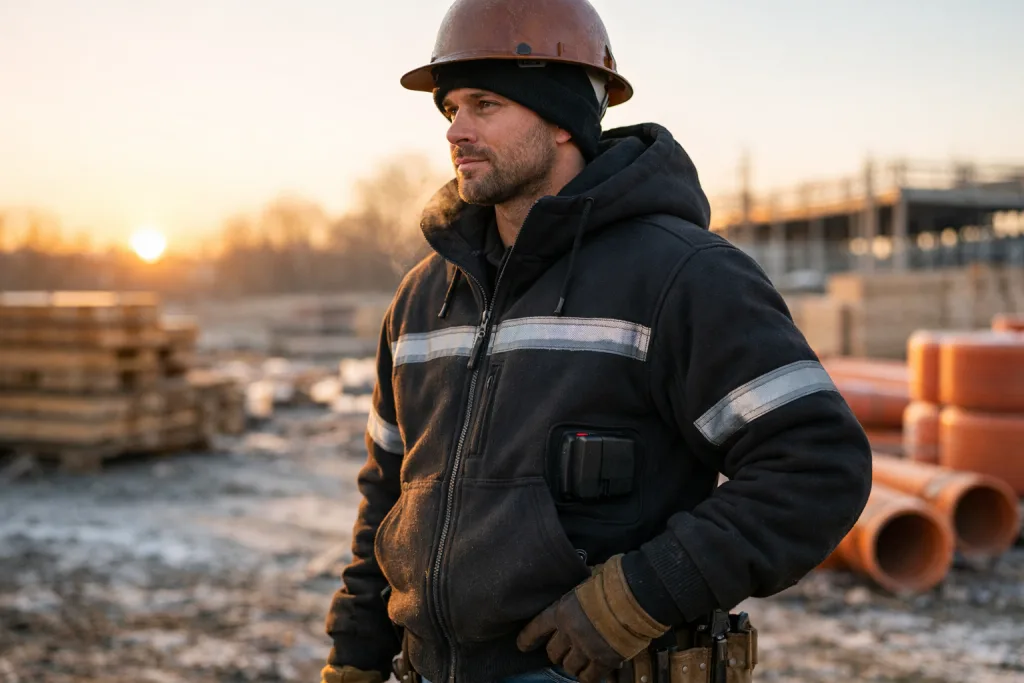
Industrial users need heated hoodies that meet stricter standards. Construction crews, utility workers, and cold-storage staff depend on these garments for safety and productivity during long shifts.
Industrial Design Details
- Durable zippers and bar-tacked stress points
- Battery safety flaps and lockable connectors
- High-visibility trims (reflective tape)
- Compliance with ANSI/ISEA 107 if required for workwear
Layering and Fit
Fit consistency is key to worker comfort. Hoodies designed for layering under jackets use ribbed cuffs and hem attachments (ISO 301/602 standards). Fabric relaxation and marker planning allow clean cuts and proper grainline alignment.
Quality Control in Production
Manufacturers like Ninghow run inline and endline checks using AQL standards. They measure key specs, check for seam puckering, and may run colorfastness and wash stability tests (ISO 105-C06, AATCC 61).
Fabric & Construction Choices for Heated Hoodies
The feel and durability of a heated hoodie depend on fabric selection and build. Leading manufacturers combine performance fleece, quality lining, and careful sewing to protect heating elements.
Popular Fabric Types
- Brushed fleece (280–340 gsm): Soft, warm, and compatible with heating films
- French terry (300–360 gsm): Smooth finish, moisture management, and strength
- Polyester-spandex blends: Add stretch for easy movement
- Organic cotton: Eco-friendly, comfortable for skin contact
Sewing and Assembly Techniques
Common stitch types include ISO 504 (zigzag) and ISO 602 (coverstitch for hems). Bartacks reinforce stress points at pockets and battery cable exits. Decor options include heat transfer logos and embroidery, with a focus on minimal handfeel interference.
Decoration & Personalization Options
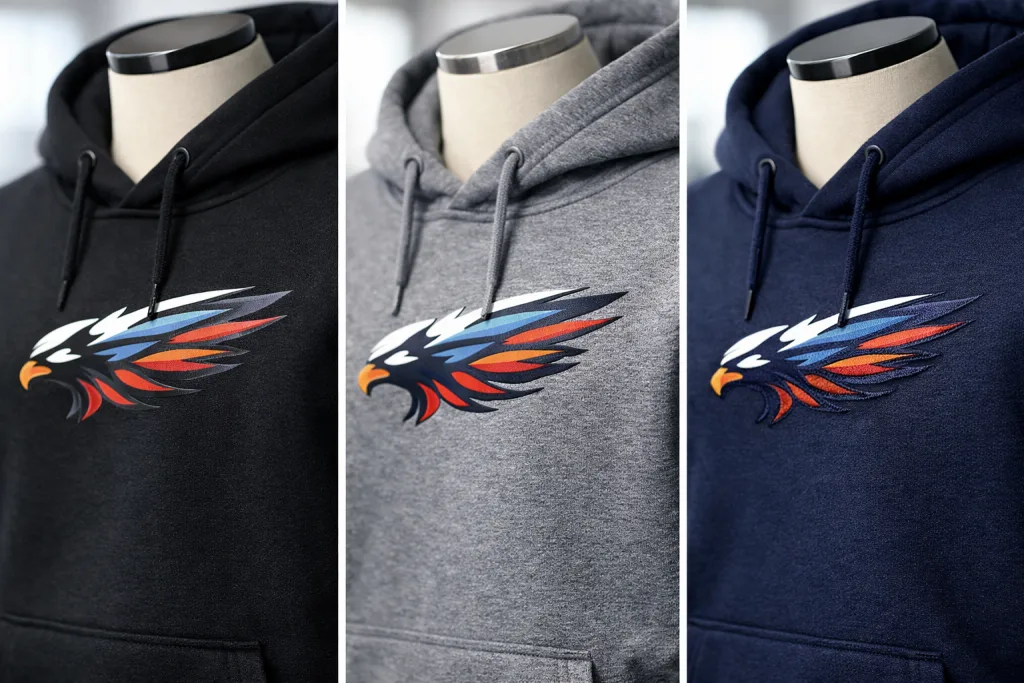
Many buyers want heated hoodies customized for branding or team identity. Factories can add logos via screen print, heat transfer, or embroidery. Choosing the right decoration technique protects both the fabric and heating films underneath.
Decoration Method Comparison
| Method | Durability | Handfeel | Best For |
|---|---|---|---|
| Screen Print (Plastisol) | High | Slightly raised | Large graphics |
| Heat Transfer | Good | Very smooth | Logos, small icons |
| Embroidery | Excellent | Textured | Branding, team emblems |
Labeling and Packing
Proper care labels with ISO 3758 symbols educate the wearer on washing and charging guidelines. Export packaging includes polybags, carton marks, and barcode stickers for supply chain tracking. Ninghow handles ratio packs and quality carton specs for global B2B shipments.
Quality Control & Testing Protocols
Quality control for heated hoodies involves multiple steps. Each batch is checked at three key points:
- Inline inspection: Check film placement and wiring during assembly
- Endline inspection: Validate battery, fabric finish, and construction
- Final testing: Wash stability, colorfastness, and heating performance
Testing Standards
- IEC 60335 – Home appliance safety
- OEKO-TEX – Textile safety
- AATCC 61 & ISO 105-C06 – Colorfastness after washing
- ASTM D1683 – Seam strength
- UN38.3 – Battery transport safety
Checklist Before Shipping
Each hoodie goes through needle detection, spec measurement, and batch shade checks. Records are kept for each PO to ensure traceability.
Choosing the Best Heated Hoodie: Buyer’s Guide
Before making a purchase, consider these tips to identify the best heated hoodie for your needs:
- Check for certified heating and battery components (CE, UL, OEKO-TEX, UN38.3)
- Assess the battery capacity for the required run time (8 hours minimum for outdoor work)
- Choose the right fabric for durability and comfort (fleece, terry, blends)
- Review construction details such as reinforced seams and waterproofing
- If you need branding, confirm suitable decoration methods
- Ask about warranty coverage and after-sales support
Factories like Ninghow provide tech packs, graded size sets, and bulk color management to support B2B buyers with large orders. Reliable service, consistent fit, and strong warranty policies set leaders apart in the heated apparel space.
Frequently Asked Questions
What is the advantage of heating film over wire-based systems?
Heating films provide even warmth, more flexibility, faster heat-up times, and better durability compared to traditional wire-based technologies.
How long does the battery last in a heated hoodie?
Most modern heated hoodies provide six to twelve hours of operation, depending on battery capacity and selected heat setting.
Are heated hoodies safe to wash in a machine?
Yes, as long as the battery is removed before washing and the product follows standard care instructions indicated on the care label.
Which safety certifications should I look for in a heated hoodie?
Seek CE, UL, UN38.3 for battery safety, and OEKO-TEX STANDARD 100 for fabric safety when choosing a heated hoodie.
Can heated hoodies be branded with company logos?
Heated hoodies can be customized with embroidery, screen print, or heat transfer logos, using methods that protect the heating film zones.
What is the ideal fabric for an outdoor heated hoodie?
Brushed fleece and French terry (280–360 gsm), sometimes blended with polyester or spandex, offer warmth, comfort, and durability for outdoor use.