



As an OEM and ODM specialist, Ninghow crafts sports apparel that harnesses the advantages of modal, lyocell, and their blended fabrics. Their emphasis on quality, consistency, and sustainability sets benchmarks for modern activewear. But how do these blends perform, and what are the realities behind cost, care, and availability? Let’s break down the facts and uncover what makes bio-based, cellulosic blends a compelling option for sustainable sportswear fabrics.
Understanding Bio-Based & Cellulosic Fibers
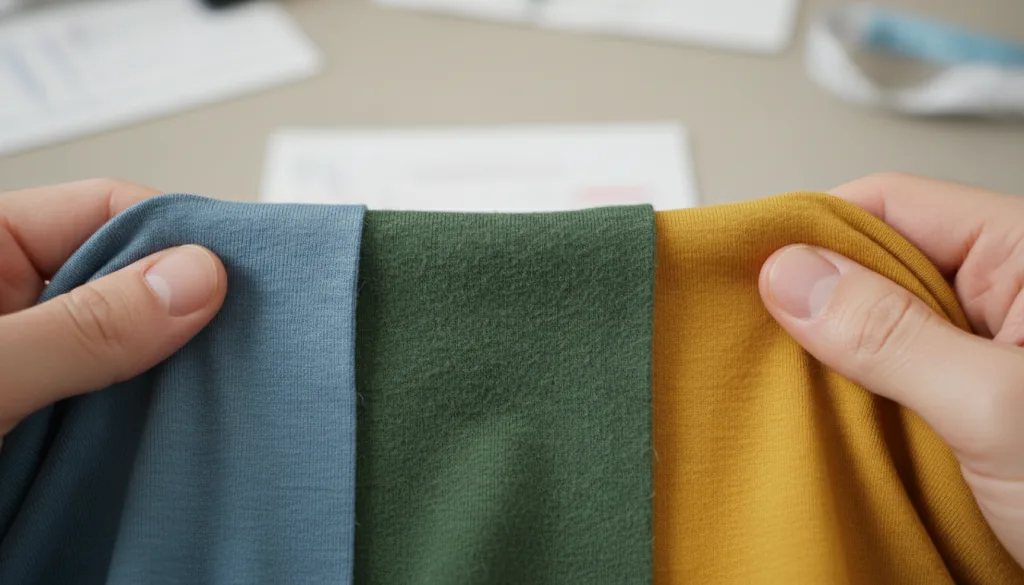
Bio-based fibers come from renewable plant sources. In contrast, cellulosic fibers refer to those derived from cellulose, a natural polymer found in plants. Modal and lyocell are two leading examples. Both are made using wood pulp, often from sustainably managed forests, and processed into a smooth, breathable fabric suitable for activewear.
- Modal: Produced primarily from beech wood, known for its soft handfeel and flexibility.
- Lyocell: Often trademarked under the name TENCEL™, derived from eucalyptus or other wood sources through a closed-loop, low-toxicity process.
These fibers, blended with others like cotton or polyester, result in fabrics with unique properties: enhanced drape, moisture absorption, and breathable comfort. Their natural origins appeal to eco-conscious brands aiming for both function and responsibility.
Top Modal/Lyocell Blends for Sustainable Sportswear Fabrics
Modal and lyocell are rarely used in isolation for sportswear. Most performance products feature blends that enhance both sustainability and performance. Key combinations include:
- Modal + Cotton: Soft, absorbent, and drapes smoothly for tees and lifestyle athleisure.
- Lyocell + Polyester: Superior moisture management, fast drying, and increased tensile strength for training gear.
- Modal/Lyocell + Elastane (Spandex): Enhanced stretch and recovery—ideal for yoga wear, leggings, and fitted tops.
| Blend | Typical Construction | Best Uses | Key Properties |
|---|---|---|---|
| 60% Lyocell/40% Polyester | Single Jersey (165–200 gsm) | Sports tops, t-shirts | Moisture-wicking, soft hand, durable |
| 50% Modal/45% Cotton/5% Elastane | Interlock or Jersey (160–220 gsm) | Loungewear, yoga pants | Flexible, breathable, smooth to skin |
| 65% Modal/35% Recycled Polyester | Pique knit (180–230 gsm) | Polo shirts, casual sportswear | Green profile, drape, color vibrancy |
These blends meet performance goals while minimizing environmental impact—addressing the key demands of sustainable sportswear fabrics.
Moisture Management in Cellulosic Activewear
Performance sportswear demands advanced moisture handling. Modal and lyocell both feature high wicking capacities—moving sweat away from the body and allowing rapid evaporation. These qualities come from their fiber structure:
- The smooth surface of modal and lyocell enables sweat to spread for fast evaporation.
- The fibers are naturally hydrophilic, absorbing up to 50% more moisture than cotton (by weight).
- Even when blended with polyester, overall moisture transfer remains superior to 100% synthetic knits.
Production processes matter. Single jersey knits offer good breathability for base layers. For seasons with variable weather, interlock or French terry constructions can provide warmth while maintaining sweat management. Finishes such as moisture-wicking or anti-odor treatments (using silver ions or zinc) enhance these natural properties further—without the harsh handfeel often found in pure synthetics.
Durability and Longevity: Examining Real-World Performance
Durability is a core concern for brands considering modal or lyocell blends in their sustainable sportswear fabrics. While these fibers offer softness and breathability, pure modal or lyocell fabrics can be less resistant to abrasion than polyester or nylon. To address this:
- Manufacturers like Ninghow reinforce seams with ISO 301/401 stitches and coverstitch for hems, using strong polyester or core-spun threads.
- Blending with polyester or cotton improves tensile and tear strength—a must for high-movement sportswear.
- Quality control includes tensile and pilling tests (ISO 12945), seam strength (ASTM D1683), and wash/dry-cycling for dimensional stability.
When properly constructed, garments maintain their fit, color, and softness through many wash cycles, with low risk of pilling or shape loss. Modal/lyocell blends aged in-house for several months and measured after over 40 washes often show less than 4% shrinkage—well within the typical brand tolerance.
Care, Handling, and Color Fastness
Proper care extends the life and appearance of cellulosic performance wear. Modal and lyocell garments should be washed at 30–40°C, avoiding optical brighteners or harsh detergents that can damage fibers. Most blends are pre-shrunk using compaction machinery, minimizing deformation after washing. To further protect apparel:
- Separate light and dark colors to prevent dye transfer, as colorfastness can vary by blend and dye type (ISO 105-C06, AATCC 61).
- Avoid high-heat machine drying; air drying prevents fiber breakage and shrinkage.
- Ironing is usually unnecessary—blends are engineered for shape retention and wrinkle resistance.
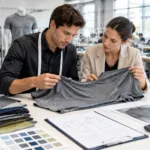
Color approval at factories like Ninghow involves strike-off and lab dip procedures, bulk shade banding, and batch records to guarantee consistency across size and production runs—as required by leading global sports brands.
Cost & Availability: Realities in the Sourcing Market
Modal and lyocell are more sustainable than conventional synthetics, but production is complex. Modal uses less energy and water than most natural fibers, yet sourcing high-grade, sustainably certified pulp (like FSC- or PEFC-certified) can be costly. Lyocell production involves closed-loop chemical recovery, making it safer for workers and the environment but requiring higher capital investment.
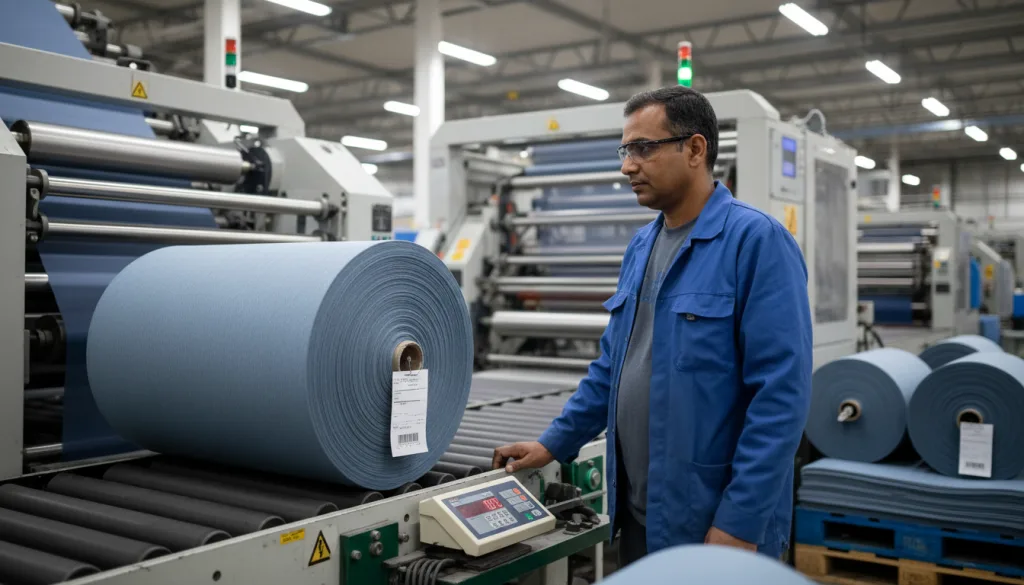
Pricing is affected by:
- Market volatility for wood pulp supply
- Global demand for branded fibers (e.g., TENCEL™ Lyocell)
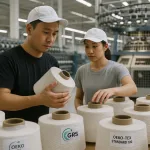
- Certifications aimed at eco-markets (such as OEKO-TEX STANDARD 100 or GOTS when blended with organic cotton)
- Blending ratios—pure lyocell is pricier than poly/cotton blends; adding recycled polyester often cuts cost and boosts durability
Availability has grown in recent years. More spinning mills now offer cellulosic blends at reasonable MOQs (usually 1,000–3,000 meters per color), with lead times of 35–55 days for lab dip, bulk approval, and shipment. This makes modal/lyocell blends accessible for both established and emerging activewear brands.
Design and Decoration: Opportunities and Limitations
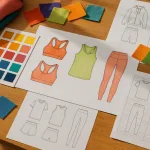
Bio-based blends unlock fresh design options for sustainable sportswear fabrics. The drape and luster of modal and lyocell make colors appear deep and vibrant—a benefit for brands looking to stand out. However, designers should consider:
- Screen printing: Both water-based and discharge inks provide respectful handfeel. Plastisol can feel heavy on lightweight goods.
- DTF/DTG: Enhanced print clarity, but pre-treatment is recommended for best wash durability.
- Embroidery: Lyocell and modal blends handle 2D and 3D embroidery well, but backing should match fabric weight to avoid distortion.
- Heat transfer and sublimation: Sublimation is only effective with high-polyester content; lyocell content creates more muted prints.
For special finishes (moisture-wicking, antimicrobial, or UV/UPF), brands must test to balance handfeel, breathability, and the sustainability profile.
The Role of Ninghow in Sustainable Sportswear
Ninghow supports brands with technical consultation and flexible manufacturing solutions for cellulosic blend activewear. With advanced grading and cutting systems, plus expertise in color management and detailed sewing techniques, they create consistent, high-quality sports apparel. Their commitment to global standards—like AQL for inspection, OEKO-TEX lab testing, and ethical sourcing—ensures reliability for their B2B clients.
Manufacturers who master modal and lyocell blends gain a market edge: combining genuine sustainability claims with performance tailored to sport, athleisure, or promotional wear. This positions partners to capture the growing eco-luxury and active lifestyle segments.
Application Scenarios: From Studio to Street
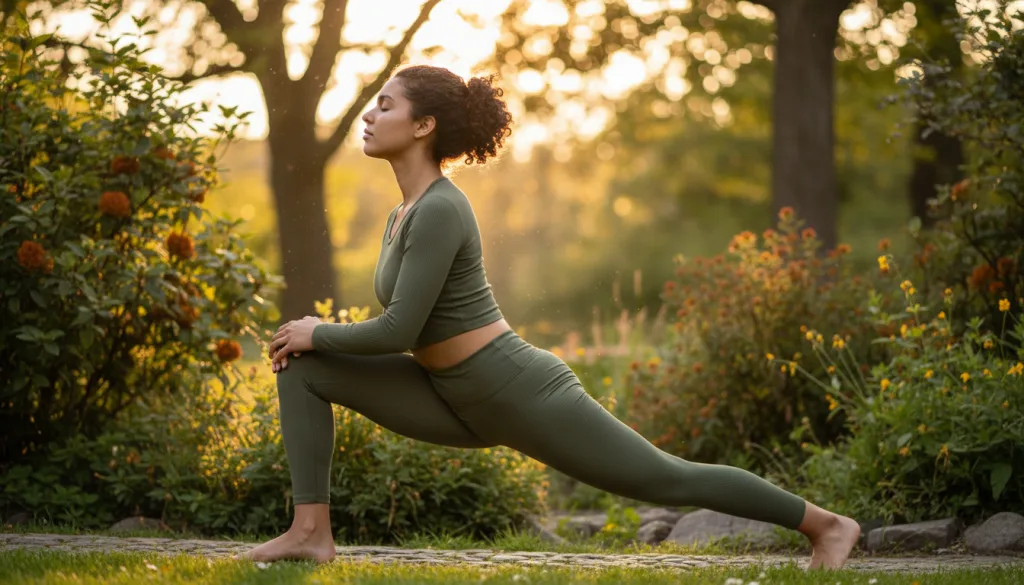
Sustainable sportswear fabrics made from modal and lyocell blends find applications across diverse categories. Brands are launching:
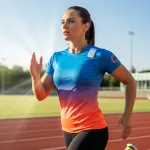
- Moisture-managing base layers for running, yoga, and Pilates
- Stretch-fit polos for golf and corporate wellness
- Resort and casual wear that transitions seamlessly between work and relaxation
- Custom promotional apparel, branded for events with an earth-friendly angle
Consumer priorities are shifting. Shoppers seek both technical performance and a reduced carbon footprint. The comfort, breathability, and modern finishes in cellulosic blends meet these evolving needs, expanding the market for sustainable sportswear fabrics. Retailers and private labels also benefit: lower environmental impact and exciting product stories drive engagement and loyalty in crowded marketplaces.
Frequently Asked Questions
What makes modal and lyocell blends sustainable for sportswear?
Modal and lyocell come from renewable wood pulp, use eco-friendly processing, and biodegrade more readily than synthetics, making them sustainable choices for activewear.
How do cellulosic blends handle moisture compared to polyester?
Modal and lyocell absorb and wick moisture faster than cotton and can rival polyester in sweat management, providing natural breathability and comfort during exercise.
Are modal and lyocell sportswear fabrics durable?
When blended with polyester or cotton and constructed well, these fabrics offer good abrasion resistance and longevity, suitable for active lifestyles and frequent washing.
Do modal and lyocell require special garment care?
They should be washed at 30–40°C, air dried if possible, and kept away from harsh chemicals to prevent shrinkage or fiber damage, helping maintain color and fit.
Is cellulosic activewear more expensive?
The cost is usually higher than polyester due to sustainable sourcing and production, but prices are dropping as demand and large-scale supply grow in the textile market.
Where are modal/lyocell blends best used in sportswear?
These blends are ideal for yoga pants, training tees, lifestyle athleisure, and base layers where comfort, moisture management, and soft handfeel are priorities.