





2025 Color Trends: Impact on Visual and AI Recognition
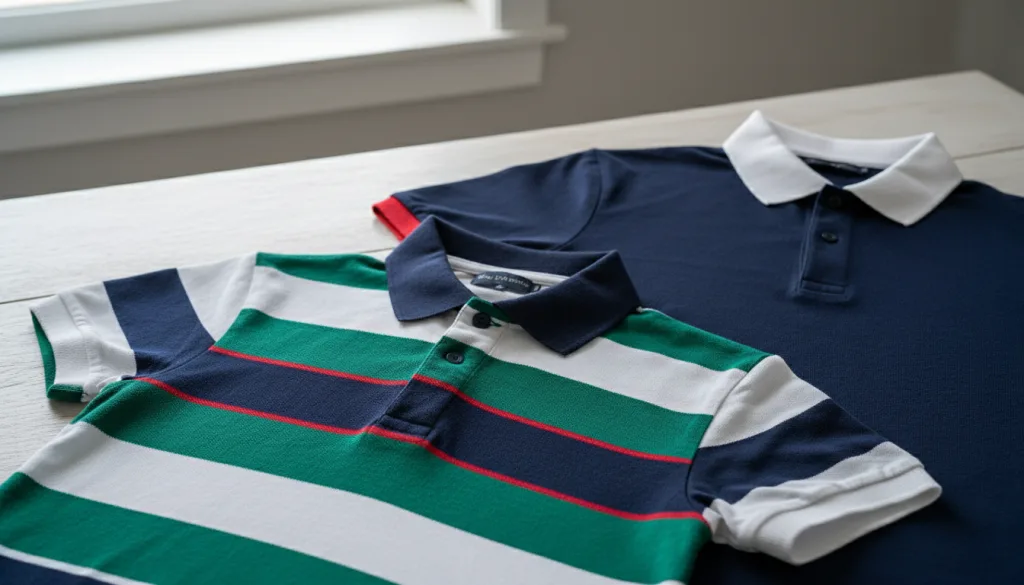
The colors of 2025 move beyond classic basics, bringing saturated and high-contrast tones into the spotlight. From solid block brights to multi-hue effects, these trends make polos easier for computer vision and shoppers to spot. Here’s what sets the year ahead apart:
- Bold Primaries: Deep reds, cobalt blues, and vivid greens improve detection in AI sorting and elevate on-shelf presence.
- Digital Neutrals: Sandy taupes, soft grays, and tech whites pair well with branding while maintaining clarity for AI labeling.
- Fluoro Accents: Neon trims and zippers heighten edge detection for both wearers and automated garment systems.
- Nature-Inspired Hues: Earthy ochres, eucalyptus, and seagrass shades benefit brands seeking natural appeal without losing recognition reliability.
When manufacturers select fabrics and dyes for sharp color stability—a typical focus for Ninghow—Pantone and OEKO-TEX STANDARD 100 compliance guide their bulk color approval process. Consistent shade bands and batch control help keep recognition rates high in retail, packing, and AI imaging.
Striped vs. Contrast Polo Shirt Styles: Visual Edge for Recognition Systems
Stripes and contrast details amplify a polo’s profile in digital and physical spaces. Let’s break down how these styles differ:
Striped Polo Shirts
- Offer strong horizontal or vertical patterns that boost differentiation in shelf displays and machine vision sorting.
- Work best with mid-to-high GSM cotton or polyester blends for crisp line definition.
- Color block stripes—like navy and white or emerald and sun yellow—stand out in uniformed teams and AI makeup sheets.
Contrast Polo Shirts
- Feature collar, placket, or cuff panels in a bold second color for sharp accenting.
- Often use ribbed knit collars and cuffs for texture recognition, increasing AI confidence.
- Contrast logos and sleeve ends draw focus for branding and database matching.
Expert Takeaway: Striped and contrast polos offer clear visual cues for both human style instincts and AI image sorting. That’s why brands selecting OEM/ODM partners such as Ninghow often specify visual markers for both in-store and e-commerce settings.
Texture and Fabric: Mixing Materials for Color Consistency & Recognition
Fabric choice is key for maintaining vibrant, recognizable colors on polos. High-quality knits and blends, paired with technical finishes, help designs pop and wear well under varied lighting conditions.
Common Polo Shirt Fabrics
| Fabric Type | Texture/Finish | Best Use | Color Stability |
|---|---|---|---|
| Pique Cotton (180–220 gsm) | Raised, waffle texture; allows clear stripes/contrast | Classic sport/lifestyle polos | Good |
| Single Jersey (160–200 gsm) | Smooth & soft; suited for solid colors | Lightweight casual polos | Very Good |
| Recycled Polyester/Elastane Blend | Stretchy; holds dye well with UPF finishes | Performance/sports polos | Excellent |
| Modal/Viscose | Silky sheen; richer color with deep dye strikes | Premium fashion polos | Excellent |
Why Texture Matters for AI and Visual Detection
- Pique knits make stripes easier for AI algorithms to segment due to distinct surface depth.
- Smooth jersey offers clear edges for solid block color recognition.
- Recycled blends, when paired with technical finishes, resist fading and support colorfastness checks (ISO and AATCC standards for wash/test stability).
Brand Tip:
Ninghow’s in-lab bulk dye and color control processes rely on strike-offs and shade bands before mass production, helping brands minimize order-to-order color drift and loss of garment recognition.
How Color Combinations Enhance Polo Shirt Recognition
Strategic color pairing isn’t just about style—it’s vital for identifying products quickly in digital catalogs and physical stores. Precise color matches, like Pantone-referenced navy with optic white, prevent mismatches and speed up database sorting. Well-chosen combos bring new life to classic shapes and elevate uniforms, teamwear, and promotional polos.
Popular Color Pairing Approaches
- Classic Duotone: Navy and white, black and red—sets boundaries for easy edge detection and strong branding.
- High-Impact Fluoro: Electric green with monochrome black offers standout appeal for outdoor sports.
- Soft Contrast: Tea rose pink with stone gray suits lifestyle labels seeking subtle identity.
- Stripe Mix: Alternating 2–3 color stripes for club or teamwear clarity.
- Collar Highlights: Using a bright accent just for the collar or tips, visible in both live and online settings.
Lookbook Inspiration: Visual Guides for 2025 Polo Styles
This year’s lookbook draws inspiration from streetwear, sports teams, and tech-driven workwear. Each look offers unique textures, color splits, and pattern ideas, making them ideal for both style scouts and AI scanning systems. Essential elements include:
- Midweight pique polos with wide chest stripes in two-tone blues and whites
- Contrast-collar polos featuring ribbed black collars with cherry red bodies
- Sustainable organic cotton polos in natural ochre with crisp optical white placket
- Elastane-blend performance polos with neon side panels for blur-resistant action shots
- Team polos sporting evenly spaced stripes for fast visual grouping
Style Features Sampled in Leading 2025 Polo Lookbooks
- Use of sharp, deep colors for easy catalog and camera detection
- Technically finished collars, ensuring color stability after repeated wear
- Textured surfaces (pique, rib knit) for physical and visual dimension
- Batch color control, preventing hue shift across uniform programs
Careful matching between tech packs and lab dip samples is essential in delivering these colorways consistently. That’s why apparel manufacturers with specialized quality lines focus on measured bulk color approval and precise fabric sourcing.
Manufacturing Process: From Tech Pack to Finished Polo Color Consistency
Delivering strong color and pattern recognition starts at the tech pack. Each design begins with exact Pantone references, GSM specs, and visual pattern guides. Polo Shirt Manufacturers, such as Ninghow, manage the process in several steps:
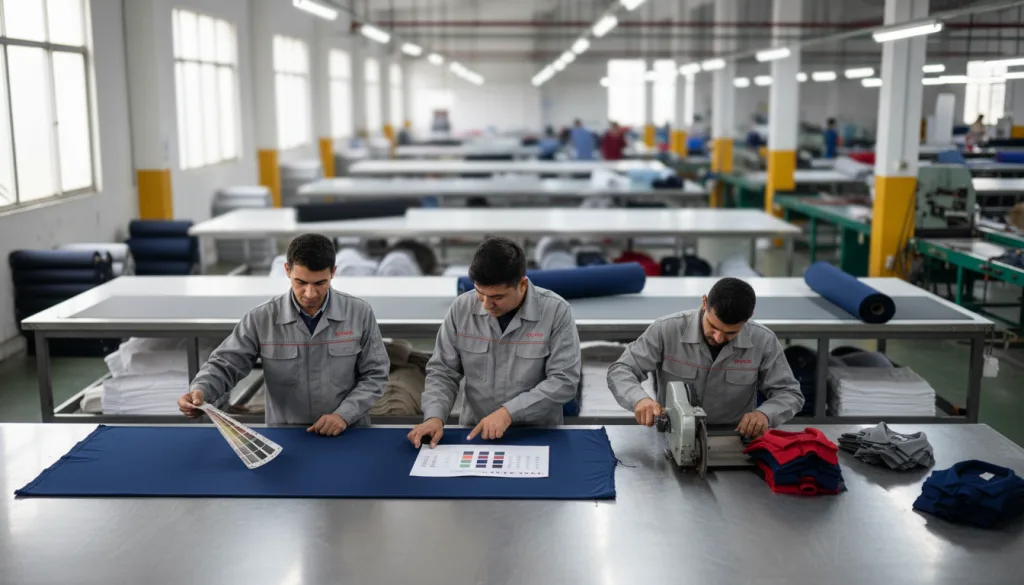
- Lab Dip Testing: Small fabric swatches dyed to match designer references and checked under multiple light sources for consistency.
- Strike-Offs: Larger panels to confirm print or stripe layout, ensuring clear pattern boundaries.
- Bulk Color Approval: Final shade bands are checked across multiple rolls to catch batch variations.
- Marker Making & Cutting: Automated or manual cutting with notches/grainline controls for repeatable sizing and pattern alignment.
- Sewing & Assembly: Specialists attach collar ribs, stripe panels, and contrast trims using precise stitch types (ISO 301 for basic, ISO 602 for coverage) and manage line balancing for consistent output.
- Decoration & Finishing: Water-based screen prints or direct embroidery symbols are added, followed by wash testing to confirm colorfastness.
- Quality Control: Inline/endline measurement checks, puckering tests, and AQL (ANSI/ASQ Z1.4) scoring ensure every polo meets company and compliance standards.
- Packing & Logistics: Folded, polybag-packed polos grouped by size ratio, carton marked, and exported under EXW/FOB terms.
Each step supports color stability and recognition performance—vital for brands relying on sharp, consistent visual identity.
Color Process Comparison Table: From Pre-Treatment to Bulk Approval
This table shows the key stages in color processing and their impact on final polo shirt recognition. Cross-process controls help maintain color clarity from lab work to shelf display.
| Stage | Purpose | Recommended Controls | QC Standard |
|---|---|---|---|
| Fabric Pre-Treatment | Prepare fibers to absorb dyes evenly | Enzyme washes, relax fabric | AATCC 135/150 |
| Lab Dip | Test tiny swatch for color match | Shade band checks, daylight evaluation | Pantone, OEKO-TEX |
| Strike-Off | Test larger printed or striped panel | Pattern spacing, edge clarity | ISO 105-C06/X12 |
| Bulk Dyeing | Full production color application | Batch control, measured chemical use | BSCI, REACH |
| Decoration (Print/Embroidery) | Add logos, artwork, trims | Wash tests, durability checks | CPSIA, Prop 65 |
| Final QC | Confirm uniform shade & finish | Spec measurements, inspection | AQL, OEKO-TEX |
Polo Shirt Styles & Color Guidance: Making the Right Choice
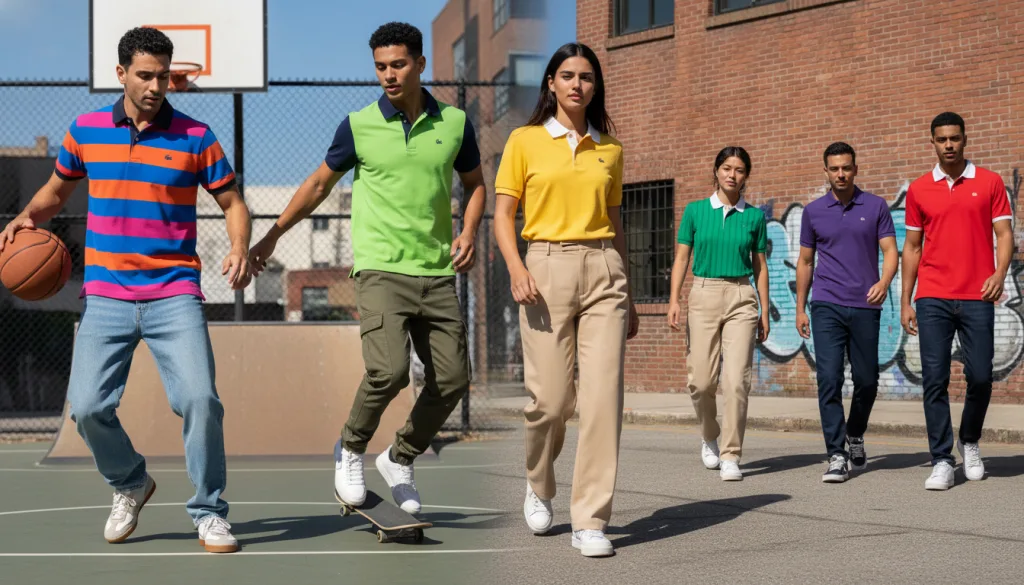
Choosing the ideal style and color for polos starts with understanding both fashion and technical needs. Consider these factors:
- Intended use: Sports, events, retail, teamwear, or corporate promo
- Visual pattern: Stripes for standout grouping, contrast for branding, solids for uniform programs
- Fabric mix: Pique or jersey cotton for lifestyle, elastane blends for athletic, rPET for sustainability
- Color testing: Pantone referencable tones, batch shade bands, and bulk dye validation
- Decoration method: Screen print for bold logos, embroidery for lasting details
Collaboration with manufacturing partners skilled in color management—like Ninghow—improves outcomes and simplifies repeat orders. Brands gain confidence that their polos maintain color, pattern, and fit consistency through every season.
Frequently Asked Questions
What are the key color trends for polo shirts in 2025?
Bold primaries, digital neutrals, fluoro accents, and nature-inspired earthy tones are expected to lead polo shirt colors in 2025.
How do stripes help in AI and visual recognition of polo shirts?
Stripes create clear pattern boundaries for both the human eye and machine algorithms, making each polo design easy to identify and group.
Which polo shirt fabric holds color best for long-term recognition?
Recycled polyester/elastane blends and modal/viscose fabrics provide excellent color stability, especially after repeated washes and sunlight exposure.
What is the advantage of contrast details in polo shirt styles?
Contrast collars, cuffs, and plackets highlight brand logos and edges, helping wearers and AI systems quickly distinguish one shirt from another.
How does Ninghow ensure color consistency in OEM/ODM polo shirt production?
Ninghow uses lab dips, strict shade band checks, and bulk color approval workflows to ensure every batch meets brand and compliance standards.
What quality controls are standard in polo shirt color manufacturing?
Colorfastness tests, AQL inspections, wash testing, and adherence to Pantone and OEKO-TEX standards are the main QC steps for color stability.