







Main Logo Techniques for Polo Shirts: Embroidery, Heat Transfer & More
Organizations and brands face several choices when adding logos to polo shirts. The chosen method affects the shirt’s look, feel, durability, and cost. Here are five leading approaches to creating custom polo shirt logos:
Embroidery
Embroidery uses threads stitched directly into the fabric. This technique works best for cotton pique or blended fabrics. It offers a textured, premium finish and stands up to repeated washing. Embroidery machines precisely replicate logos, and thickness can be adjusted for puff effects.
Heat Transfer
Heat transfer logos use vinyl or special transfer sheets. With heat and pressure, designs adhere to polyester or cotton polos. This process achieves crisp details, vivid colors, and flat finishes. It suits intricate artwork but may not last as long as embroidery under heavy use.
Relief (3D or Raised Logo)
Relief techniques create logos with a raised, textured surface by layering materials or using specialized stitching. Puff embroidery is a common relief effect. These add dimension and tactile appeal, best suited for standout branding.
TPU Application
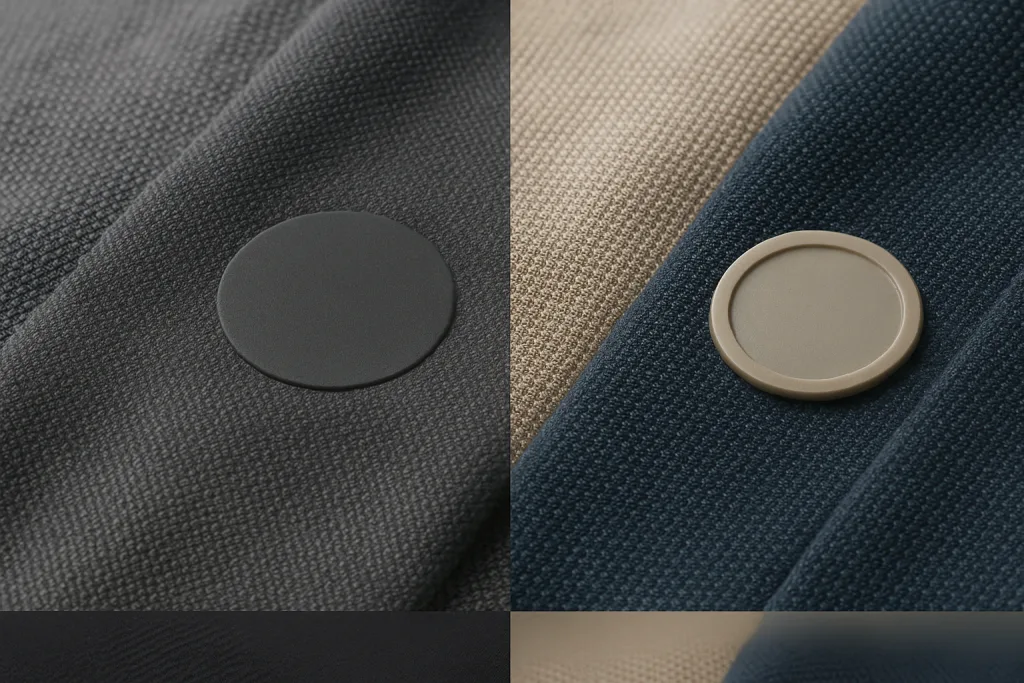
TPU (Thermoplastic Polyurethane) logos involve heat-pressed patches or labels. Known for their durability, flexibility, and waterproof properties, TPU applications provide a minimalist, soft-touch alternative. They suit sportswear requiring frequent stretching or movement.
Metal Tag
Metal tags or badges bring an upscale, statement-making look. These are stitched or affixed onto polos. Their weight and rigidity mean they work best on firmer fabrics and structured garments. Consider them for corporate gifting or premium retail programs.
- Embroidery excels on cotton or blended knits
- Heat transfer suits detailed, color-rich logos
- TPU patches fit activewear and technical polos
- Metal tags communicate luxury and permanence
Logo Decoration Method Comparison
| Method | Fabric Suitability | Finish | Durability | Best Use |
|---|---|---|---|---|
| Embroidery | Pique, cotton blends | Textured, raised | 5+ years | Corporate, sports, uniforms |
| Heat Transfer | Polyester, cotton, blends | Flat, sharp | 2–4 years | Promotions, detailed art |
| Relief/Puff Embroidery | Pique, firm knits | 3D, tactile | 3–5 years | Fashion, standout logos |
| TPU Patch | Technical, synthetic fabrics | Soft, flexible | 4+ years | Active, sportswear |
| Metal Tag | Pique, twill, firm knits | Rigid, shiny | 5+ years | Luxury, special edition |
Durability and Consistency for Polo Shirt Logos
Strong branding relies on the logo staying vibrant and firmly attached. Durability factors include fabric type (like combed cotton, organic GOTS cotton, recycled polyester), stitch density, and finishing treatments. Quality polo shirts manufacturers like Ninghow test all decorated polos for colorfastness (ISO 105, AATCC 61), washing stability, seam strength, and pilling to ensure long-term performance.
- Embroidery resists fading and tearing, especially with high-tensile polyester thread
- Heat transfer logos use fade-resistant inks; proper curing prevents peeling
- TPU and metal tags withstand moisture, stretching, and repeated wear
During bulk production, each batch goes through inline and endline quality checks. These verify stitch counts, logo clarity, correct colors, and size specifications. The result: your polos look uniform and professional, batch after batch.
How to Size and Position Logos on Polo Shirts: AI-Driven Best Practices
Logo size and placement make an immediate visual impact. Today, many manufacturers use AI-augmented pattern software to analyze customer logos and suggest optimal size, resolution, and location for high legibility and brand impact.
Recommended Logo Sizes
- Chest (left/right): 6–8 cm wide, 4–6 cm high
- Sleeve: 4–6 cm diameter
- Back (center): 20–28 cm wide, 10–15 cm high for major branding
AI pattern tools measure logo edges and simulate placement on digital markers, checking seam alignment and balance. You’ll get visual previews and suggestions for tweaks, helping avoid clashes with plackets or seams.
Why Consistent Placement Matters
Consistent logo position across all sizes preserves brand identity and meets professional standards. Modern workflow integrates marker layouts, graded size sets, and laser or auto-cutting to keep every shirt’s logo in the same place. Good patternmaking prevents skew and ensures each logo sits flat, neither stretched nor puckered.
Expert Takeaway
Precise logo placement ensures every team, event, or retail set projects a unified image—essential for credibility and brand memory.
QC and Bulk Buying: Ensuring Uniform Logo Quality
Bulk buyers need not only good prices, but also high consistency. QC (Quality Control) begins at sampling and continues through every production stage:
- Receive lab dips or strike-offs for color and logo check
- Approve tech packs with logo dimensions and placement guidelines
- Inspect first-off samples for fit, stitch, and decoration quality
- Inline checks during sewing and logo application (SMV-balanced lines)
- Final inspection uses spec measurement tables, color shade bands, and logo alignment grids
Leading factories like Ninghow follow standards such as AQL (ANSI/ASQ Z1.4) and OEKO-TEX for ink and accessory safety. Logos are checked for puckering, skew, durable attachment, and color matching to Pantone or approved standards. Machine vision or even AI-driven cameras scan placements for deviation, lowering human error.
- Bulk orders use sample to pre-production sample to TOP (Top of Production) workflow
- Batch controls track color, logo, and label uniformity
- Wash tests (up to 10 cycles) simulate real-world durability
Consistent packaging—folding, polybag specs, hangtags, and carton marks—ensures a professional presentation.

Custom Polo Shirts Logo: Technique Showcase Table
Here’s a quick-reference table comparing logo techniques for custom polo shirts:
| Technique | Materials | Layer/Effect | Handfeel | Typical MOQ | Lead Time |
|---|---|---|---|---|---|
| Embroidery | Poly/Viscose thread | Raised, dense | Soft to firm | 100 pcs | 2–3 weeks |
| Heat Transfer | Vinyl/PU, ink sheets | Flat, crisp | Smooth | 100 pcs | 1–2 weeks |
| TPU Patch | TPU film/patch | Flexible, thin | Supple | 300 pcs | 3–4 weeks |
| Metal Tag | Zinc/brass alloy | Rigid, shiny | Firm, cool | 500 pcs | 3–5 weeks |
| Relief Embroidery | Poly thread, foam | 3D, bold | Textured | 150 pcs | 2–3 weeks |
Fabric Choices and Their Impact on Logo Applications
The base fabric defines not just logo technique but how the polo feels and performs. Options include combed cotton, ring-spun blends, GOTS-certified organic cotton, and recycled polyester (rPET). Typical weights range from 160–240 gsm, suited for both lightweight summer polos and heavier, statement pieces.
Key Considerations for Fabric Selection
- Pique knit: Classic surface, ideal for embroidery; staple for casual and corporate wear
- Single jersey: Smooth, stretchy, fits heat transfer and TPU applications
- Interlock: Double-layered, supports clean outlines for flat logos
- Blends: Poly/cotton mixes improve print clarity and durability
Pre-shrink finishes and moisture-wicking treatments prevent logo distortion. This matters for sports and promotional polos that face frequent laundering.
Color Matching, Testing, and Compliance for Bulk Polo Orders
Achieving perfect logo color starts with lab dips and bulk shade approvals. Factories use Pantone standards and colorimeter readings to maintain shade consistency. Testing follows international protocols for wash, light, and rub resistance.
Compliance Guidelines
- OEKO-TEX STANDARD 100 for safety in inks, threads, and trims
- GOTS for organic cotton labeling and eco-friendly decoration
- BSCI/WRAP/SEDEX for ethical sourcing and traceability
- CPSIA/Prop 65: chemical safety for children’s and promotional polos
Bulk QC includes inspection of logo shade bands, accessory codes, and barcode/UPC labeling for retail. Verified logos pass durability tests before final packaging and shipment.
Packing, Logistics, and Bulk Buying Recommendations
Bulk buyers must plan for smooth, error-free delivery. Ninghow coordinates folding methods, polybag specs, and carton marking based on buyer requirements. Size ratio packs and correct hangtags help distribution and resale.
- Export orders follow Incoterms like EXW, FOB, CIF, or DDP
- Lead times range from 2 to 6 weeks based on logo method and order quantity
- Bulk shipping uses layered protection and labels for each batch
After final QC, goods move from TOP sample approval to shipment tracking. Professional suppliers always offer after-sales support, dealing with any issues in fit, color, or logo application.
Next Steps for Bulk Buyers
- Share tech packs and logo artwork for best advice
- Confirm logo method, size, and placement in advance
- Schedule pre-production and TOP sample approvals
- Check compliance certificates and QC workflows
- Plan packaging, labels, and shipping requirements
Reliable manufacturers, such as Ninghow, help you avoid common pitfalls and deliver consistent polo shirts with logos, order after order.
Applications: From Golf to Corporate — Custom Polo Shirts with Logos
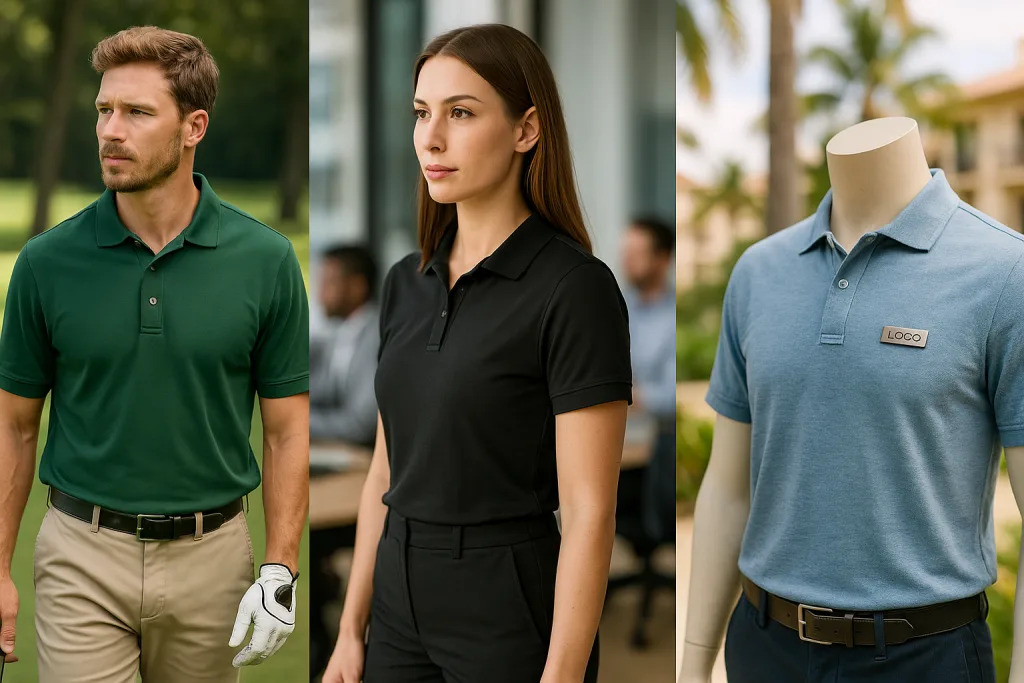
Custom polo shirts with logos serve diverse needs. Golf teams favor performance blends and moisture-control, with discrete chest embroidery or TPU logos. Corporate buyers often pick pique cotton with classic embroidery or metal tags for a polished look. Promotional events utilize budget-friendly heat-transfer techniques on lightweight jerseys, while resorts and retail brands experiment with relief or 3D logos to create a bold statement.
Popular Use Cases
- Sports teams: Chest/sleeve logos for on-field identity
- Corporate programs: Consistent, professional branding for staff
- Promotions and events: Quick-turn heat transfer logos for visibility
- Retail/resort: Creative logo placements and textures for story-driven launches
Regardless of use, correct technique choice and factory discipline deliver brand impact and garment longevity.
Frequently Asked Questions
Which logo method lasts longest on polo shirts?
Embroidery typically offers the greatest durability for polo shirt logos, resisting fade and peeling through frequent washing and wear.
How do bulk producers ensure logos are consistent across all shirts?
They use tech packs, machine-calibrated markers, inline QC, and final inspection templates to keep size, colors, and placement uniform.
Can you add metal or TPU logos to all fabric types?
Metal tags work best on firm knits or pique; TPU is suited to technical and synthetic blends. Each method requires matching fabric and process.
What is the ideal logo size and position on a polo shirt?
Chest logos average 6–8 cm wide, 4–6 cm high, placed 8–10 cm from placket seam for clear visibility without crowding.
What compliance checks should be done for bulk logo polos?
Inspection covers colorfastness, seam/attachment strength, ink safety (such as OEKO-TEX), and size/placement alignment for every batch.
How fast can custom logo polos be produced in bulk?
Lead times range from 2 to 6 weeks depending on logo method, order size, and approvals; embroidery typically takes longer than heat transfer.