







Few garments combine casual comfort and polished style as perfectly as the men’s polo shirt. From boardrooms to beaches, it’s a timeless wardrobe staple that bridges the gap between a T-shirt and a button-down.
But not all polos are created equal. If you’ve ever wondered why some polos look sharp and structured while others sag or fade, the secret lies in fabric choice, fit, craftsmanship, and finishing details.
As a professional OEM and ODM polo shirt manufacturer, Ninghow has produced millions of polos for global brands. In this guide, we share first-hand manufacturing insights on how to choose men’s polo shirts that deliver on comfort, quality, and style—whether you’re a brand sourcing from a factory or an individual shopper looking for timeless essentials.
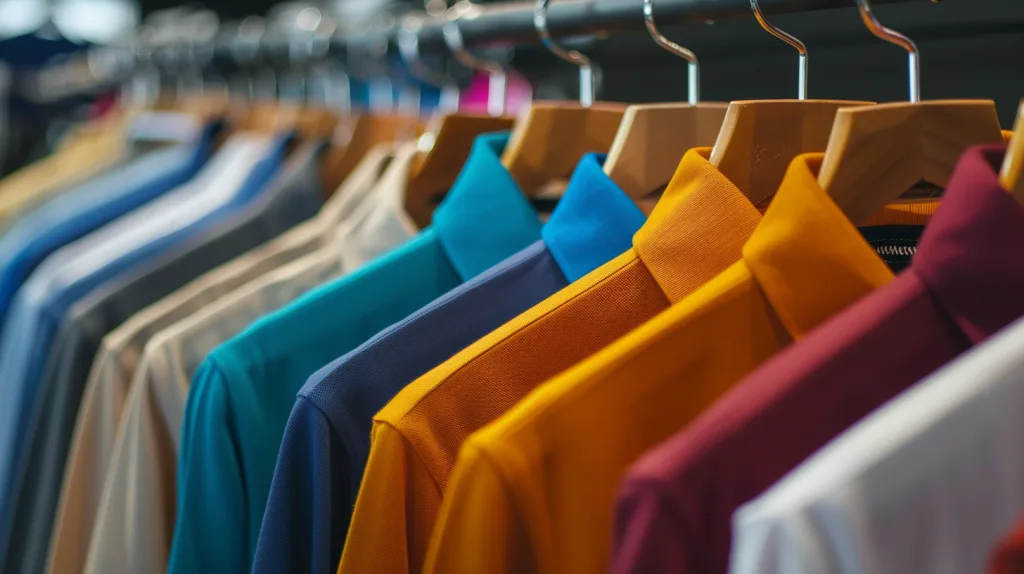
Introduction: The Timeless Appeal of Polo Shirts
Originally designed for tennis and polo sports in the early 1900s, the men’s polo shirt has evolved into a global fashion essential. It’s versatile, elegant, and effortlessly transitions from office wear to casual weekends.
Brands today offer polo shirts in an endless variety of materials, cuts, and finishes. Understanding how to choose the right one ensures both comfort and sophistication—a must for men who value understated confidence.
Understanding the Anatomy of a Polo Shirt
Before choosing, it helps to know what makes up a polo shirt:
- Collar: Defines structure and style.
- Placket: The front opening with buttons.
- Fabric Body: Determines texture, weight, and breathability.
- Cuffs & Hem: Provide finishing details.
Each element affects not only how the polo looks—but how it feels and lasts.
How to Choose Men’s Polo Shirts by Fabric
The first rule in choosing a polo shirt: start with fabric.
Different fabrics suit different occasions and lifestyles. Here’s what you need to know:
Cotton Polo Shirts: The Classic Standard
Cotton is the gold standard for polo shirts. It’s breathable, soft, and durable—perfect for everyday wear.
Types of Cotton Used:
- Combed Cotton: Smooth and comfortable for premium polos.
- Piqué Cotton: Textured weave for airflow and durability.
- Supima or Egyptian Cotton: Luxurious, ultra-soft fibers with a natural sheen.
💡 Tip: If you want a smart, upscale look—choose a pique cotton polo.
Polyester Polo Shirts: Durable & Functional
Polyester polos are designed for performance. They resist wrinkles, wick moisture, and retain shape after multiple washes—making them ideal for sportswear and corporate uniforms.
Modern variants like CoolDry™ or DryFit™ polyester enhance ventilation and comfort even during hot weather.
Blended Fabrics: Best of Both Worlds
Cotton-polyester blends combine the softness of cotton with the resilience of polyester. They’re:
- Less likely to shrink
- Easier to maintain
- Cost-effective for bulk production
These are the go-to choice for private label polo shirt brands seeking balance between comfort and affordability.
How to Choose Men’s Polo Shirts by Fit
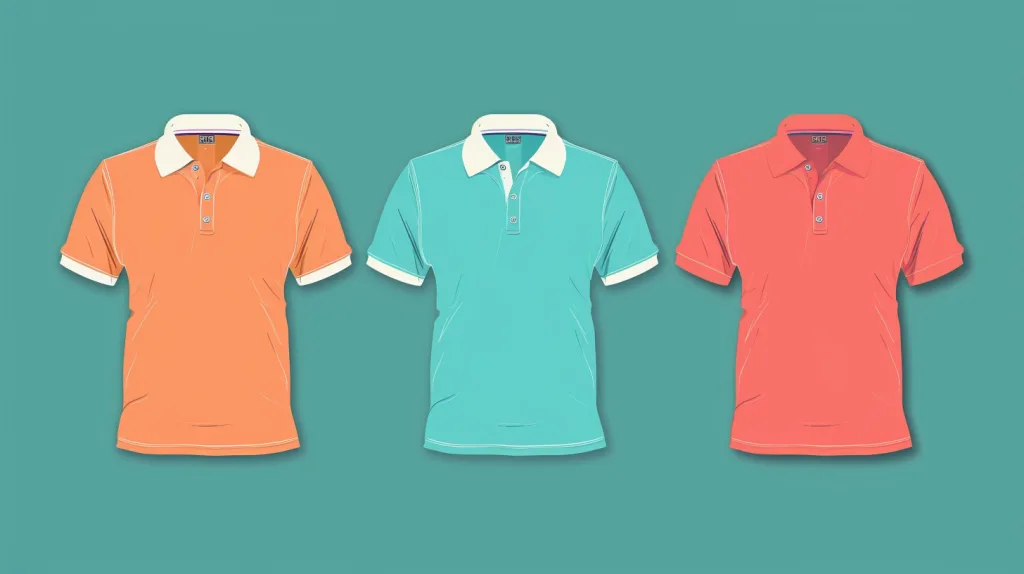
Fit determines how flattering the polo looks on you.
The ideal polo should:
✅ Skim the shoulders neatly
✅ Hug the torso without tightness
✅ End just below the belt line
Slim Fit vs Regular Fit vs Relaxed Fit
| Fit Type | Description | Best For |
| Slim Fit | Tapered at waist and arms | Modern, athletic builds |
| Regular Fit | Balanced proportions | Everyday wear |
| Relaxed Fit | Roomy through torso | Comfort-first, casual looks |
Size Guide: How a Polo Should Fit
- Shoulder seams: Align with shoulder tips.
- Sleeves: Mid-bicep level, not tight.
- Length: Should cover waistband but not below the zipper line.
Avoid overly long polos—they distort your silhouette.
How to Choose Polo Shirts by Collar Type
The collar gives the polo its signature sophistication.
Three main types exist:
Ribbed vs Knitted vs Button-Down Collars
| Collar Type | Feature | Style Note |
| Ribbed | Structured, elastic edge | Classic and sporty |
| Knitted | Softer drape | Modern, premium look |
| Button-Down | Secured with buttons | Dressier, smart-casual |
Style Variations: Casual, Sport, and Business Polos
- Casual Polo Shirts – Light fabrics, minimal branding, easy to style with jeans or chinos.
- Sport Polos – Stretchy, quick-dry materials for athletes.
- Business Polos – Structured collars, high-quality cotton, often paired with blazers.
Color Selection Tips for Different Occasions
- Classic Neutrals: Navy, white, black — timeless and versatile.
- Pastels: Great for summer and resort wear.
- Bold Colors: Showcase personality and youthfulness.
Brands often plan collections with both core and seasonal colors to match global trends.
Polo Shirt Fabric Weight and Seasonality
| Season | Recommended GSM (Fabric Weight) | Fabric Type |
| Summer | 160–200 GSM | Lightweight cotton or polyester |
| Spring/Autumn | 200–240 GSM | Piqué cotton or blends |
| Winter | 250–300 GSM | Heavy cotton or terry knit |
How to Identify a Quality Polo Shirt
When evaluating polos, inspect:
- Stitch Density: Higher stitches per inch = better quality.
- Buttons: Real shell or resin buttons last longer.
- Side Slits: Reinforced with tape for structure.
- Labels & Branding: Neatly attached and aligned.
Stitching, Buttons, and Finishing Details
Top-tier manufacturers use:
- Flatlock stitching for durability.
- Twin-needle hems for precision.
- Reactive dyeing to prevent fading.
Ninghow’s OEM polos undergo triple inspection before shipment, ensuring professional-grade consistency.
Polo Shirt Trends in 2025
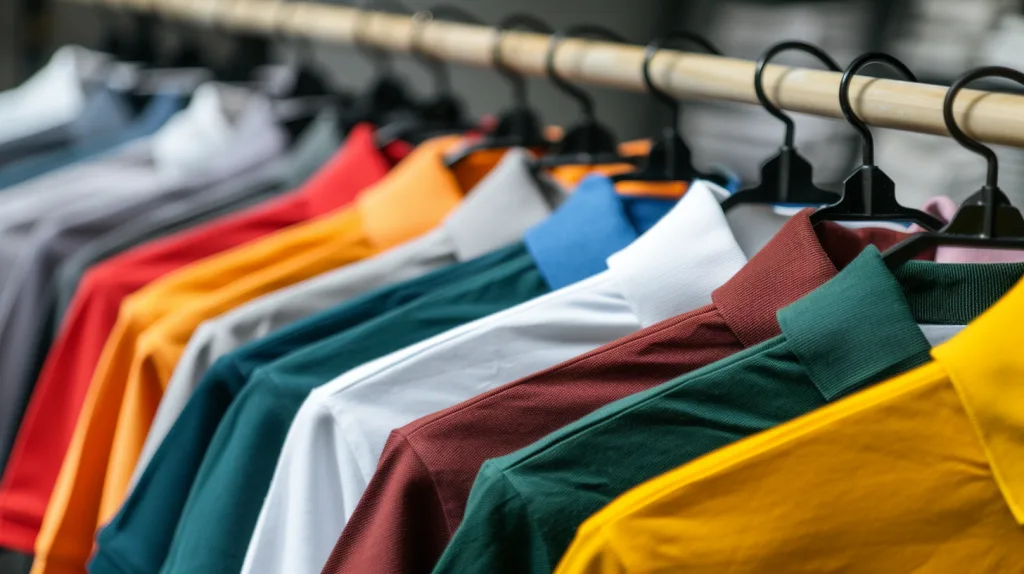
2025 men’s polo trends emphasize:
- Sustainable fabrics (organic cotton, recycled polyester)
- Athleisure silhouettes
- Minimalist branding
- Tech-infused comfort (moisture-wicking, anti-odor)
Brands are blending lifestyle and performance like never before.
Sustainable & Recycled Polo Fabrics
Eco-conscious consumers are pushing brands toward recycled polyester and organic cotton.
Ninghow’s sustainability initiatives include:
♻️ OEKO-TEX certified materials
🌿 Water-saving dye processes
🌎 Recycled packaging
How to Care for Your Polo Shirts
- Wash inside out in cold water.
- Avoid bleach or harsh detergents.
- Dry flat or hang—avoid high heat.
- Iron on low to medium setting.
Proper care extends lifespan and color brilliance.
Common Mistakes When Buying Polo Shirts
🚫 Buying oversized polos (looks sloppy)
🚫 Ignoring fabric composition
🚫 Choosing low GSM fabrics that fade quickly
🚫 Forgetting to test collar resilience after wash
Case Study: OEM Polo Production at Ninghow
A European golf brand partnered with Ninghow to create moisture-wicking polos. Our R&D team engineered a 220GSM pique fabric blend for performance and comfort, resulting in 20% repeat sales growth within six months.
How Ninghow Helps Brands Choose Polo Fabrics
- Fabric consultation & sampling
- Fit and sizing development
- Custom logo embroidery & packaging
- Sustainable material sourcing
Ninghow supports every step from design concept to bulk shipment.
FAQ: How to Choose Men’s Polo Shirts
Q1: What fabric is best for premium polos?
A: 100% Piqué cotton or Supima cotton offers luxury comfort and durability.
Q2: Are polyester polos breathable?
A: Yes, especially when engineered with mesh or moisture-wicking tech.
Q3: How do I know if a polo is high quality?
A: Check stitching density, fabric weight, and collar shape retention.
Q4: What’s the best fit for all body types?
A: Regular fit—balanced and timeless.
Q5: How long should a polo last?
A: A quality polo lasts 2–3 years with proper care.
Q6: Does Ninghow offer custom polo design services?
A: Yes, through OEM/ODM models with full customization and branding support.
Conclusion: Elevate Your Style with Smart Choices
Knowing how to choose men’s polo shirts isn’t just about aesthetics—it’s about comfort, craftsmanship, and confidence.
Whether you’re a consumer upgrading your wardrobe or a brand sourcing for production, Ninghow provides the fabric expertise and design precision that turn simple polos into enduring bestsellers.