






Polo Shirt vs T-Shirt: Quick Overview
| Feature | Polo Shirt | T-Shirt |
|---|---|---|
| Collar | Yes (knit collar with buttons) | No (crew or V-neck) |
| Form | Semi-formal | Casual |
| Common Use | Workwear, uniforms, sports clubs | Everyday wear, gym, streetwear |
| Customization | Embroidery, heat transfer | Screen printing, DTG, heat press |
| Fabric | Pique cotton, polyester blends | Cotton, jersey knit, spandex blends |
| Care | Slightly more structured care | Simple wash and wear |
Design Differences: Collar, Buttons, and Fit
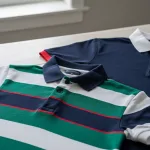
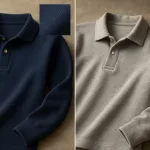
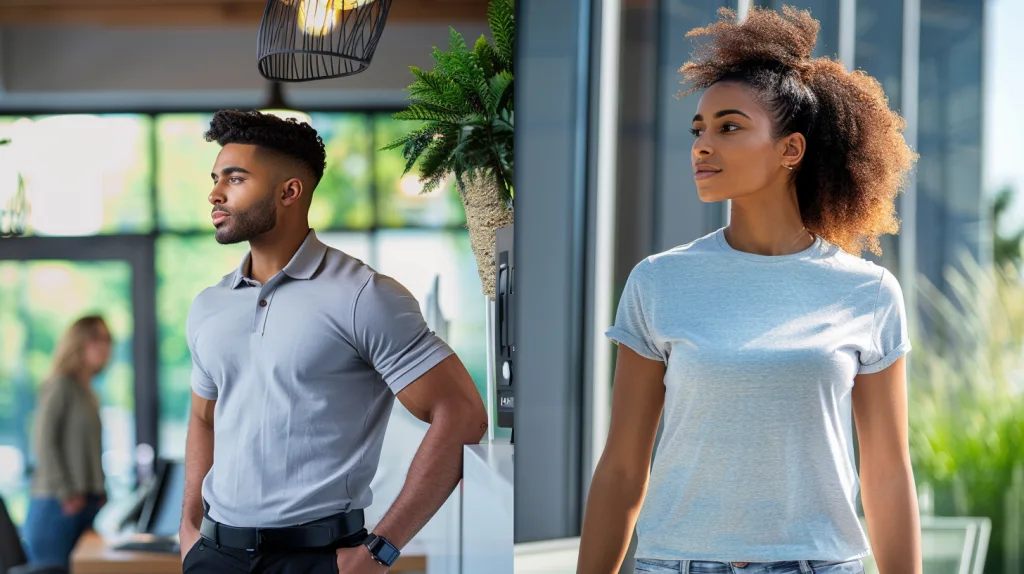
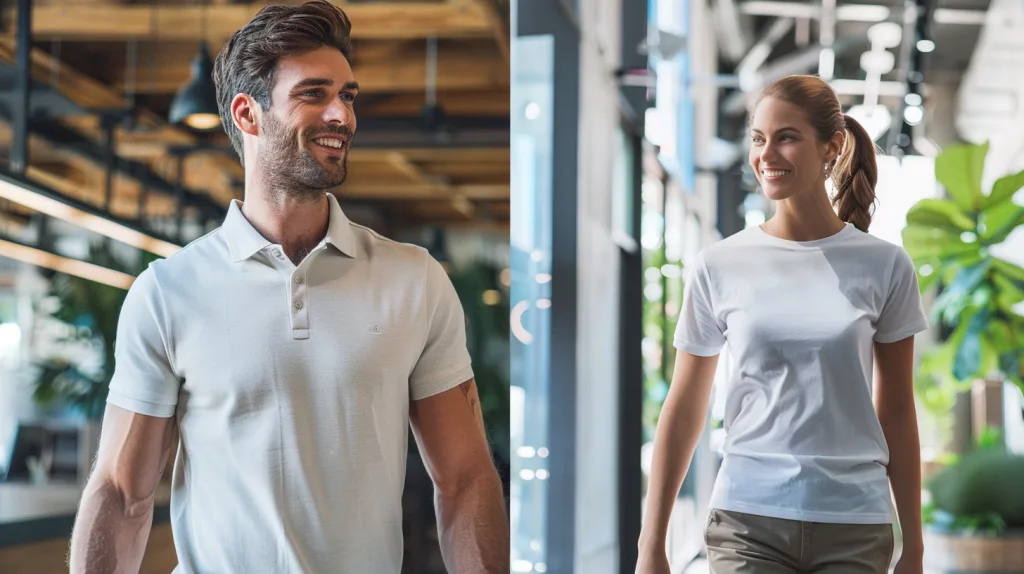
The biggest visual difference between a polo vs t shirt is the collar. Polo shirts feature a structured knit collar, typically with two or three buttons on the placket. This adds a semi-formal edge, making them suitable for more professional settings.
T-shirts, by contrast, have a more relaxed crew neck or V-neck design with no buttons. Their simple design makes them ideal for layering or casual environments.
Polo shirts usually offer a slimmer or more athletic fit, while t-shirts come in relaxed or oversized cuts.
Fabric Choices: What They’re Made Of
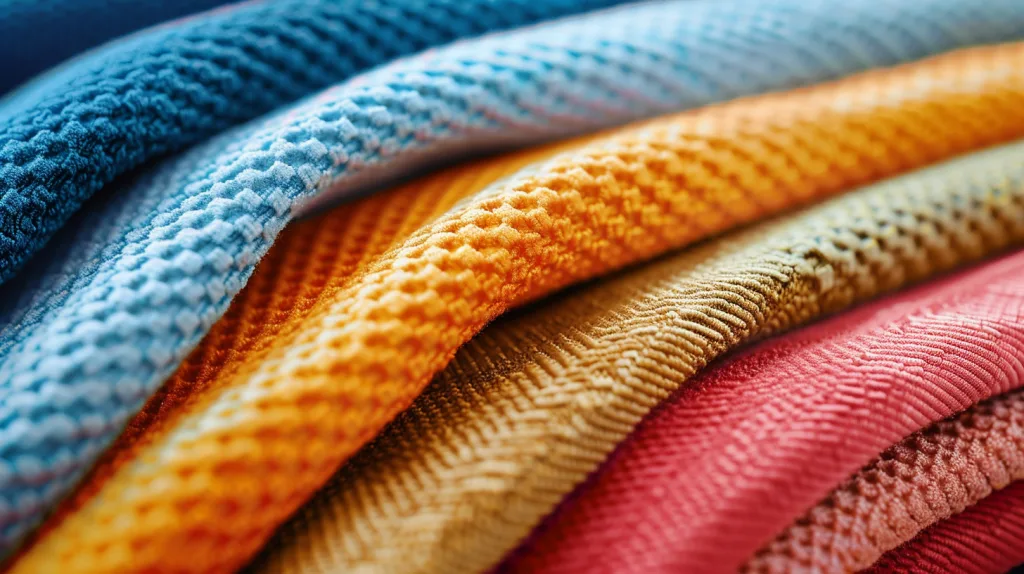
Polo Shirt Fabrics
- Pique Cotton: A textured knit that allows breathability and structure.
- Cotton-Poly Blends: Improve durability, reduce shrinkage.
- Performance Polyester: Ideal for team sports and hot weather.
T-Shirt Fabrics
- Jersey Cotton: Soft, lightweight, and breathable.
- Combed Cotton: Finer and smoother than standard cotton.
- Spandex Blends: Provide stretch, great for fitness t-shirts.
Polo fabrics tend to be thicker and more durable, while t-shirt fabrics focus on softness and flexibility.
Manufacturing Process: Stitching & Finish
Polo Shirt Manufacturing Techniques
- Collar and placket need reinforced stitching
- Sleeves often have rib-knit cuffs
- May include side vents and a longer back hem
T-Shirt Manufacturing Techniques
- Flatlock or overlock stitching for seams
- Tube-knit or side-seamed construction
- Crew necks are rib-bound for shape retention
These structural differences impact both the look and longevity of each garment type.
Wearing Occasions: Formality & Function
When to Wear a Polo Shirt
- Business casual offices
- Golf outings or tennis clubs
- Trade shows, sales team uniforms
- Branded staff attire for retail or hospitality
When to Wear a T-Shirt
- Casual daily wear
- At home, at the gym, or out with friends
- Ideal for creative printing and fashion trends
- Promo giveaways and startup merchandise
Understanding the t shirt vs polo use case helps brands choose the right product for their target market.
Breathability and Comfort Compared
Both garments can be comfortable, but serve slightly different purposes:
- T-Shirts are softer and more flexible.
- Polos offer slightly more structure while still being breathable.
For physical activity, polyester polos or performance tees both perform well.
Style Versatility and Layering
Polo shirts can be dressed up or down—worn solo, with a blazer, or tucked into chinos. They are perfect for semi-formal settings.
T-shirts are more versatile for casual style, easily layered under jackets or hoodies.
Durability and Care Requirements
- Polos hold their shape longer but may require careful washing.
- T-Shirts are easy to care for but may lose form or fade faster over time.
For uniforms or resale, durability and appearance retention are key considerations.
Branding Potential: Which to Customize?
Both styles are customizable, but differ in technique:
- Polo shirts suit embroidery, especially on the chest or sleeve.
- T-shirts are perfect for bold screen prints, back graphics, and creative front designs.
When choosing polo vs t shirt for branding, think about formality, placement, and design complexity.
Price Differences: Budgeting for Teams & Brands
T-shirts are usually more cost-effective, making them ideal for giveaways, events, and streetwear.
Polo shirts have a slightly higher price point due to structure, collar, and manufacturing process. However, they offer a more premium feel, especially in professional or client-facing roles.
Real-Life Use Cases by Ninghow
Client A (Tech Startup): Chose high-quality t-shirts with bold screen-printed logos for their launch event merch. The soft jersey fabric aligned with their modern, creative brand.
Client B (Golf Club): Ordered embroidered polos with moisture-wicking fabric for coaches and members. The structured design enhanced the club’s premium identity.
How to Decide: T Shirt vs Polo Shirt
Choose a polo shirt if you need:
- A professional look
- A structured garment
- Embroidered branding
- Uniformity in team settings
Choose a t-shirt if you want:
- Soft and relaxed feel
- Lower cost
- Bold print possibilities
- Casual branding or giveaway item
FAQs on Polo vs T Shirt
Q1: Which is better for summer wear?
A: Both work well, but polyester-blend polos or light cotton t-shirts are best in heat.
Q2: Can I customize both with my logo?
A: Yes! Polos are best for embroidery; t-shirts work well with screen or digital prints.
Q3: What’s more durable—t shirt vs polo?
A: Polos usually last longer, especially with structured collars and thicker fabric.
Q4: Which is better for staff uniforms?
A: Polo shirts—more polished and consistent.
Q5: Can I order low MOQ for either?
A: With Ninghow, yes. We offer low minimums for both polos and tees.