



Understanding Golf Apparel Manufacturing
Golf apparel manufacturing is a specialized process that blends performance, style, and durability into every garment. With growing demand for high-performance golf wear, brands and distributors must understand each stage of manufacturing to ensure quality and brand integrity. From fabric selection to bulk production, the process requires technical knowledge, precision, and partnership with experienced OEM/ODM golf clothing manufacturers like Ninghow.
Importance of Quality in Golf Apparel
Golfers demand apparel that supports performance on the course while maintaining a sharp, professional look. Quality isn’t just about appearance—it’s about moisture control, UV protection, stretchability, and comfort. Poor-quality golf wear can damage brand reputation and lead to high return rates. Therefore, each step in the manufacturing process must uphold strict quality standards to meet the expectations of athletes and casual players alike.
Step 1: Fabric Selection for Golf Apparel
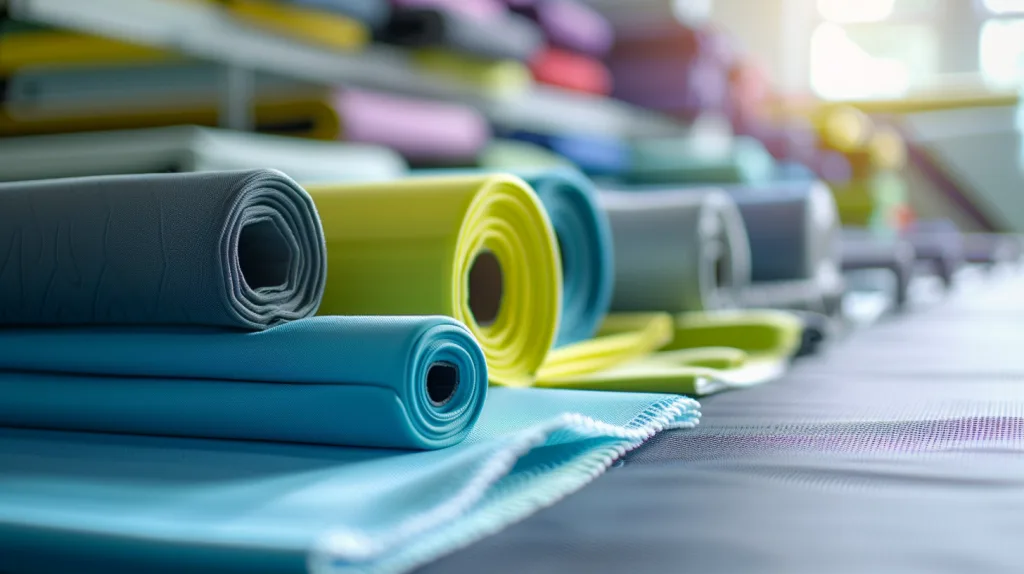
Performance Requirements of Golf Fabrics
Golf apparel fabrics must meet multiple functional criteria. These include:
- Moisture-Wicking: To keep players dry during long rounds.
- UV Protection: To shield against harmful sun exposure.
- Stretchability: For unrestricted swing movement.
- Breathability: To regulate body temperature.
- Durability: For repeated use and washing.
Popular Materials Used in Golf Apparel
The most commonly used fabrics include:
- Polyester: Lightweight, moisture-wicking, and affordable.
- Spandex/Elastane: Added for stretch.
- Nylon: Known for softness and durability.
- Polyester-Spandex Blends: Offer both performance and comfort.
Ninghow partners with verified fabric mills to ensure consistent supply and quality, with customizable colors and textures for each brand.
Step 2: Technical Design and Pattern Making
This phase translates design concepts into technical specifications. It includes:
- CAD Patterns: Digital blueprints of the garment.
- Grading: Creating different sizes from base patterns.
- Tech Packs: Detailing stitching, measurements, trims, and fabric specs.
Precise pattern making ensures fit, function, and efficiency in production.
Step 3: Sample Development and Prototyping
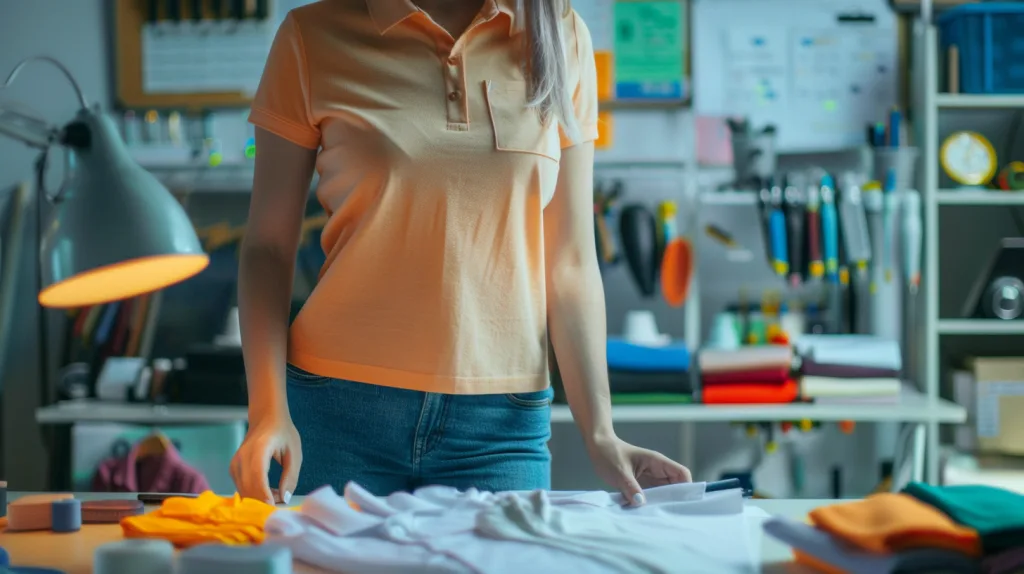
Developing a sample is essential before bulk production. This stage includes:
- Prototype Stitching: Assembling the garment with intended materials.
- Fitting Tests: Verifying comfort and movement.
- Revisions: Adjustments based on brand feedback.
Sample Approval Process
Brands receive 1–3 rounds of samples to approve details. Only after final approval does bulk production begin. Ninghow supports fast sampling with low MOQs.
Step 4: Sourcing Accessories and Trims
Golf apparel includes several custom trims:
- Zippers and Buttons: Often branded.
- Labels and Tags: Woven or printed.
- Logos: Embroidery, heat transfer, or screen print.
Ninghow assists in sourcing and branding all trims to match your design vision.
Step 5: Bulk Fabric Cutting and Sewing
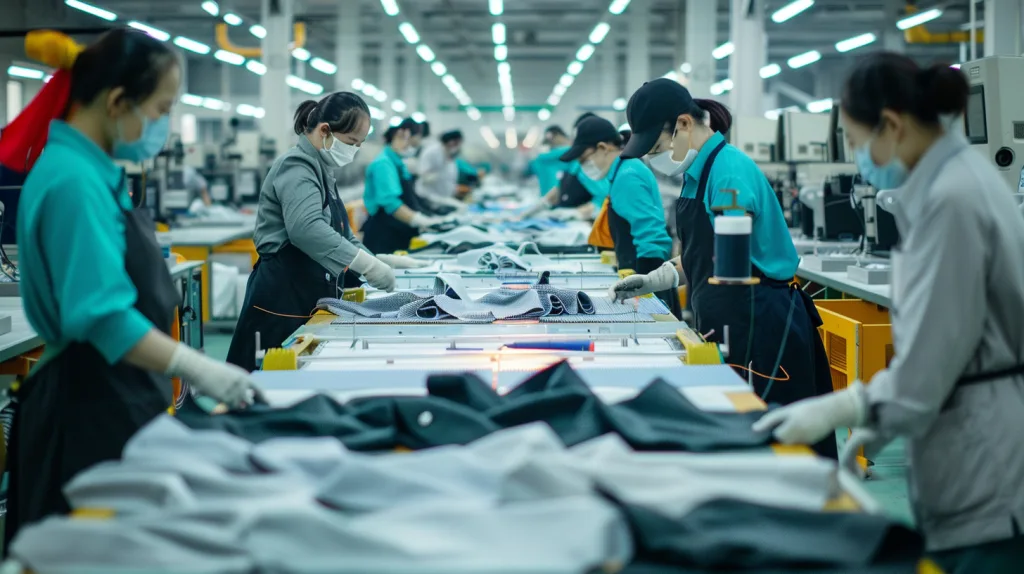
Once samples are approved:
- Bulk Fabrics Are Inspected: For defects or inconsistencies.
- Cutting Machines Used: For precision and consistency.
- Sewing Teams Assemble Garments: Following approved samples.
Work is done on production lines, overseen by QC supervisors.
Step 6: Printing, Embroidery & Branding
Brand elements are applied using various methods:
- Screen Printing: For flat, colorful designs.
- Embroidery: Adds texture and durability.
- Heat Transfers: Ideal for complex logos.
Each method is chosen based on design needs and fabric compatibility.
Step 7: Quality Control in Golf Apparel Manufacturing
Quality control happens throughout production:
- Inline Inspection: During sewing.
- Final Inspection: Before packaging.
- Lab Testing: Optional tests for shrinkage, colorfastness, and UV protection.
Ninghow follows AQL inspection standards to maintain consistency.
Step 8: Packaging, Labeling and Logistics
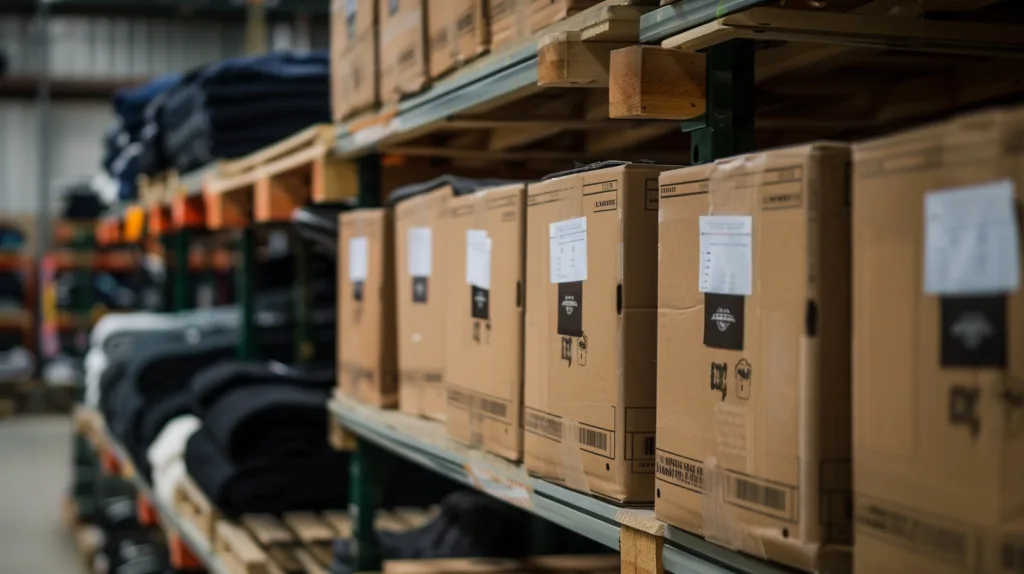
After final inspection:
- Garments Are Ironed & Folded
- Branded Packaging Applied
- Shipping Labels & Barcodes Attached
- Cartons Packed and Loaded for Export
We offer DDP, FOB, and CIF shipping terms worldwide.
Low MOQ Advantage in Golf Apparel Production
Startups and niche brands benefit from Ninghow’s low MOQ policy. This allows:
- Cost-Effective Testing of new styles.
- Faster Market Entry
- Reduced Inventory Risk
OEM vs ODM in Golf Clothing Production
| Aspect | OEM (Original Equipment Manufacturer) | ODM (Original Design Manufacturer) |
|---|---|---|
| Design | Provided by Client | Provided by Manufacturer |
| Customization | High | Moderate to High |
| Speed to Market | Slower | Faster |
| Suitable For | Established Brands | Startups & Distributors |
Ninghow offers both services to meet various client needs.
Real-World Case Study: Successful Golf Apparel Brand Launch
A U.S.-based golfwear startup partnered with Ninghow to launch a full collection. With custom fabric development, unique trim designs, and low MOQ, the brand scaled from 100 to 5,000 units within a year—selling both online and in specialty golf shops.
Sustainable Practices in Golf Apparel Manufacturing
We’re committed to:
- Using Recycled Fabrics
- Minimizing Waste in Cutting
- Eco-Friendly Dyes
- Ethical Labor Practices
Sustainability is not just a trend—it’s a necessity.
How to Start Your Custom Golf Apparel Line
- Define Your Target Market
- Choose Design Elements
- Create Tech Packs or Send Reference Samples
- Consult With Ninghow Experts
- Start Sampling and Production
We guide you from concept to shipment with end-to-end support.
Conclusion: Partnering with Experts Like Ninghow
Golf apparel manufacturing involves precision, planning, and expertise. By choosing a reliable partner like Ninghow, you gain access to world-class materials, efficient processes, and flexible order options. Ready to bring your golfwear vision to life?
FAQs on Golf Apparel Manufacturing
Q1: What is the typical lead time for golf apparel manufacturing?
A: Sampling takes 7–14 days; bulk production typically takes 20–35 days, depending on order size.
Q2: What is your MOQ for custom golf clothing?
A: Ninghow supports low MOQs starting from 100 pieces per style, making it ideal for startups.
Q3: What fabrics are best for hot weather golf apparel?
A: Lightweight polyester or nylon blends with mesh panels and UV protection are ideal for hot climates.
Q4: Can I add custom branding like embroidered logos or heat transfers?
A: Yes. We offer embroidery, screen printing, and heat transfer branding options.
Q5: Do you offer eco-friendly golf clothing manufacturing?
A: Yes. We offer recycled fabrics, low-waste cutting techniques, and non-toxic dyes.
Q6: How is quality ensured during production?
A: We implement inline and final QC inspections and follow AQL 2.5 standards.