

Introduction
For centuries, silk fabrics have been synonymous with luxury, elegance, and refinement. Originating from the silkworm’s cocoon, silk is a natural protein fiber known for its unmatched softness, durability, and lustrous sheen. This fabric has been cherished across cultures, from ancient Chinese dynasties to modern haute couture fashion.
But did you know there are many different types of silk fabrics, each with unique textures, weights, and applications? From the ultra-soft charmeuse silk used in evening gowns to the crisp and structured taffeta for upholstery, silk is one of the most versatile textiles in the world.
In this guide, we explore everything about silk fabrics, including their characteristics, different types, uses, and how to care for them properly.
What Are Silk Fabrics?
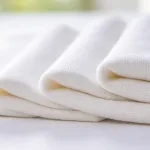
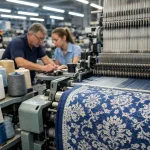
Silk fabrics are textiles woven from silk fibers produced by silkworms. These fibers are carefully extracted, spun, and woven to create smooth, durable, and lightweight fabrics. Unlike synthetic fabrics, silk is biodegradable and naturally hypoallergenic, making it an eco-friendly luxury textile.
One of the key features of silk is its ability to regulate temperature. It keeps you cool in summer and warm in winter, making it a preferred choice for high-end fashion and bedding.
Types of Silk Fabrics
Luxury Silk Fabrics
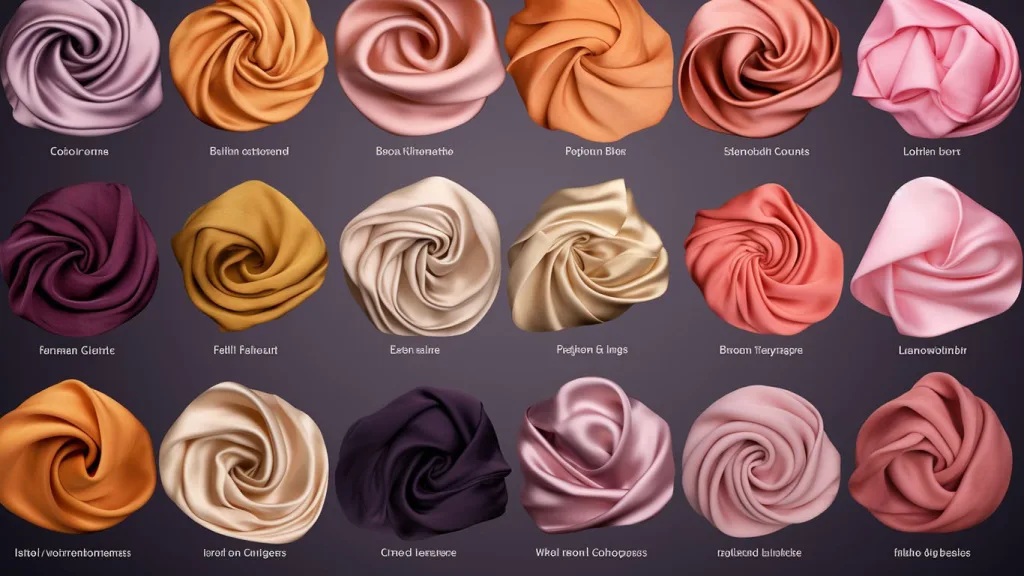
- Mulberry Silk– The highest quality silk, known for its softness and durability, commonly used in premium clothing and bedding.
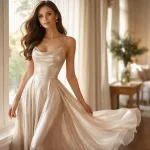
- Charmeuse Silk– A lightweight, glossy silk ideal for evening gowns, lingerie, and scarves.
- Habotai Silk– A soft, smooth silk often used in linings and lightweight blouses.
Textured & Structured Silk Fabrics
- Taffeta Silk– A crisp and slightly stiff silk perfect for evening dresses and upholstery.
- Dupioni Silk– A thick, textured silk with a slightly rough finish, often used in wedding gowns and drapes.
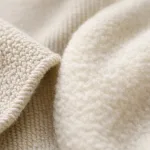
- Raw Silk– A natural, nubby-textured silk that retains the fiber’s organic look, ideal for casual wear and home textiles.
Sheer & Lightweight Silk Fabrics
- Organza Silk– A sheer, stiff silk often used in bridal wear and evening gowns.
- Georgette Silk– A slightly crinkled, lightweight silk with a matte finish, perfect for flowing dresses.
- Chiffon Silk– An airy and delicate silk fabric commonly used for layering in dresses and scarves.
Blended Silk Fabrics
- Silk-Cotton Blend– Combines the breathability of cotton with the luxurious feel of silk, ideal for summer clothing.
- Silk-Wool Blend– Adds warmth and structure, making it suitable for winter suits and jackets.
- Silk-Synthetic Blend– Enhances durability and affordability while maintaining silk’s softness.
Why Choose Silk Fabrics?
Unparalleled Softness & Comfort
Silk’s smooth texture feels gentle against the skin, making it perfect for sensitive skin types.
Breathability & Temperature Regulation
Silk naturally wicks moisture, keeping you cool in hot weather and warm in colder conditions.
Durability & Longevity
Despite its delicate feel, silk is a strong natural fiber that lasts for years with proper care.
Luxurious Aesthetic & Versatility
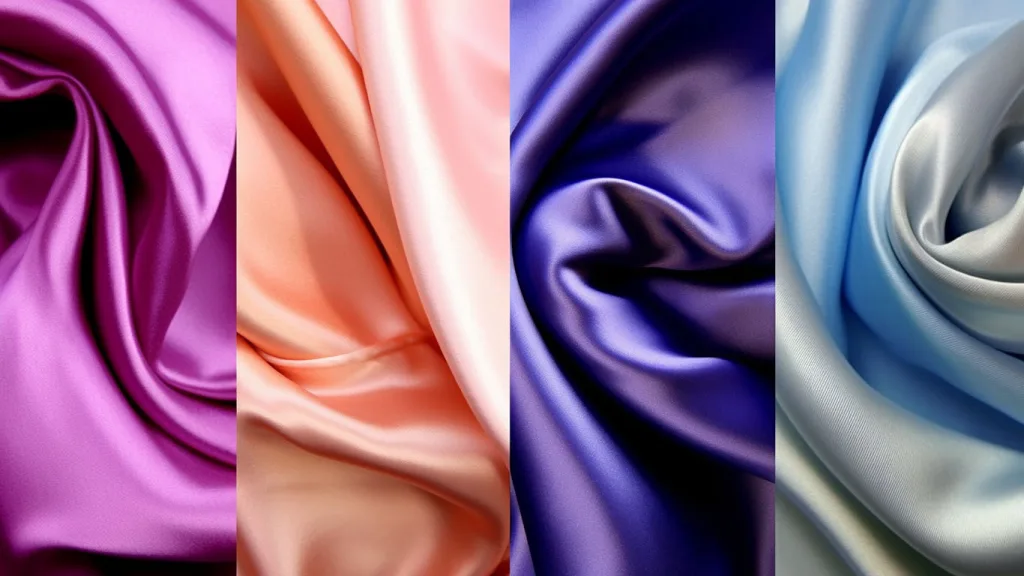
Silk drapes beautifully and has a natural sheen, making it a preferred choice for high-end fashion and interior decor.
Hypoallergenic & Eco-Friendly
Silk is naturally resistant to dust mites and allergens, making it a safe choice for people with allergies.
Common Uses of Silk Fabrics
Fashion & Apparel
- Evening wear:Charmeuse, chiffon, and taffeta silk are used in elegant gowns and dresses.
- Luxury everyday wear:Silk blouses, shirts, and scarves add sophistication to daily outfits.
- Lingerie & sleepwear:Silk’s smoothness makes it ideal for undergarments and nightwear.
Home Textiles & Décor
- Bedding & Pillowcases:Mulberry silk is widely used for sheets and pillowcases due to its skin and hair benefits.
- Curtains & Upholstery:Dupioni and taffeta silk add richness and texture to home decor.
Industrial & Special Uses
- Silk embroidery & accessories:Silk threads are used for intricate embroidery and luxury accessories.
- Medical & skincare applications:Silk proteins are used in beauty products and medical textiles.
How to Choose the Right Silk Fabric?
- For a glossy, fluid drape:Charmeuse or satin silk is the best option.
- For a structured look:Taffeta and dupioni silk provide a crisp, elegant shape.
- For lightweight and airy clothing:Chiffon or georgette silk is perfect.
- For durability and versatility:A silk-cotton or silk-wool blend works well.
Caring for Silk Fabrics
Washing Tips
- Hand-wash silk with a mild detergent in cold water.
- Avoid wringing or twisting silk to prevent fiber damage.
- If machine washing, use a delicate cycle inside a mesh laundry bag.
Drying & Storage
- Air dry silk fabrics away from direct sunlight to prevent fading.
- Store silk garments in a cool, dry place and use breathable garment bags.
- Avoid harsh ironing; instead, steam silk or use low heat with a protective cloth.
FAQs
What makes silk fabrics different from other fabrics?
Silk fabrics are known for their luxurious softness, natural sheen, and temperature-regulating properties, setting them apart from cotton, wool, or synthetic fabrics.
Are silk fabrics suitable for all seasons?
Yes! Silk regulates body temperature, keeping you cool in summer and warm in winter.
Does silk shrink when washed?
Yes, silk can shrink if washed in hot water or exposed to high heat. Always wash it in cold water and air dry.
Is silk eco-friendly?
Yes, silk is biodegradable and a renewable resource. However, ethical silk options like peace silk (Ahimsa silk) are available for cruelty-free choices.
How can I prevent silk from wrinkling?
Silk is prone to wrinkles, but steaming or using a low-heat iron with a protective cloth can help maintain its smoothness.
Which silk fabric is best for wedding dresses?
Taffeta, dupioni, and charmeuse silk are popular choices for wedding gowns due to their structure and elegant drape.
Conclusion
Silk fabrics remain one of the most luxurious and versatile textiles in the world. With various types catering to different needs, from soft and flowing charmeuse to structured taffeta, silk fabrics offer elegance, comfort, and durability. Whether you’re looking for high-end fashion, home textiles, or specialty silk applications, understanding the properties of different silk fabrics will help you make the perfect choice.
Looking for high-quality silk fabrics clothing?
Ninghow Apparel offers customized wholesale services for brands, businesses, teams, and events. Our main products include POLO shirts, T-shirts, hoodies, and shorts. Contact us today to explore our premium silk fabric options!
