


Introduction
Wool fabrics have been prized for centuries due to their warmth, durability, and luxurious texture. From lightweight merino wool for fine clothing to thick tweed for coats and upholstery, wool fabrics are incredibly versatile. Wool is derived from the fleece of sheep, goats, alpacas, and other animals, each producing a unique type of fiber with distinct qualities.
But what makes wool so special? Its ability to insulate, wick moisture, and resist wrinkles makes it a favorite across fashion, home textiles, and industrial applications. Whether you’re looking for cozy winter apparel or high-performance activewear, this guide will help you explore the best wool fabrics for your needs.
What Are Wool Fabrics?
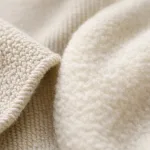
Wool fabrics are textiles made from natural animal fibers, primarily from sheep. Other animals such as goats (cashmere), rabbits (angora), and alpacas also produce highly valued wool varieties. Wool fibers have a natural crimp, allowing them to trap heat, making wool a warm and breathable fabric.
Unlike synthetic materials, wool is biodegradable and renewable, making it an eco-friendly textile choice.
Types of Wool Fabrics
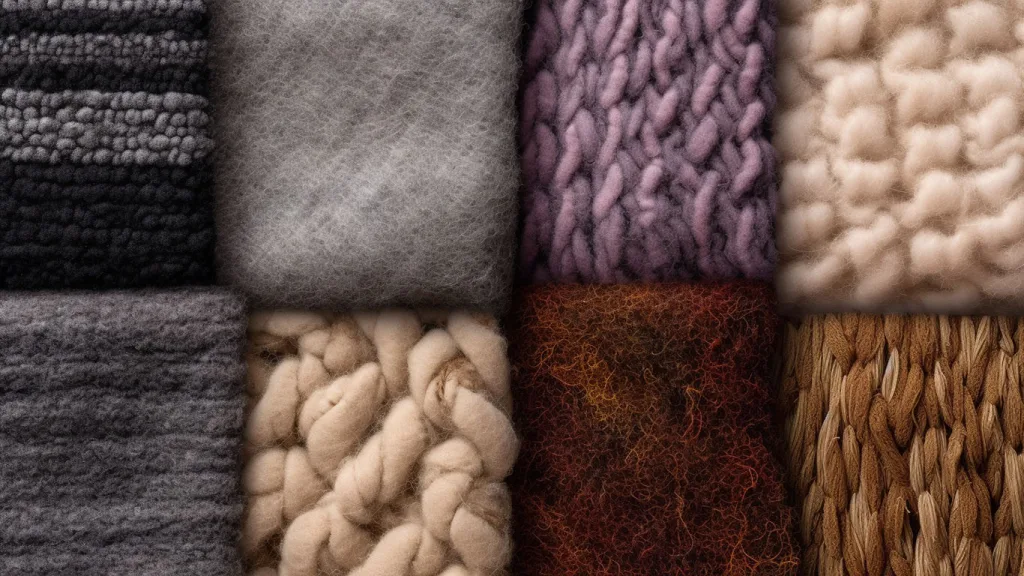
Sheep Wool Fabrics
- Merino Wool– A fine, soft wool ideal for high-performance and luxury clothing.
- Lambswool– Wool from young sheep, known for its softness and lightweight properties.
- Tweed– A rough, thick wool fabric often used in jackets and coats.
Luxury Wool Fabrics
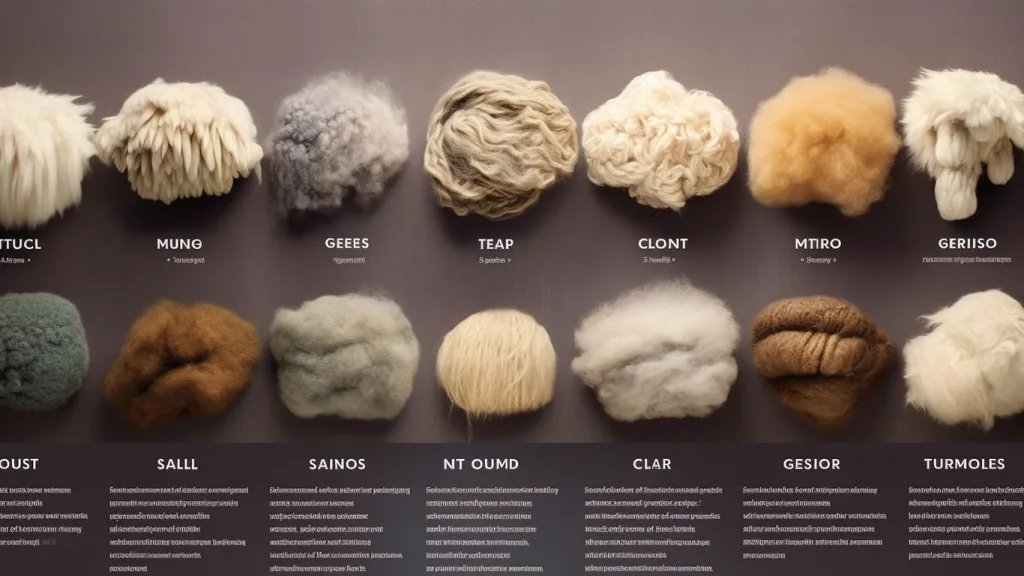
- Cashmere– A soft, luxurious wool from cashmere goats, used in high-end clothing.
- Alpaca Wool– Warmer than sheep wool, yet lightweight and hypoallergenic.
- Angora Wool– Sourced from Angora rabbits, known for its extreme softness and fluffiness.
Blended Wool Fabrics
- Wool-Silk Blend– A combination of warmth and sheen, perfect for formalwear.
- Wool-Cotton Blend– Adds breathability and softness for lightweight garments.
- Wool-Synthetic Blend– Improves durability and stretch for activewear and outdoor gear.
Why Choose Wool Fabrics?
Warmth & Insulation
Wool traps air between fibers, making it one of the warmest natural textiles.
Moisture-Wicking & Breathability
Wool can absorb up to 30% of its weight in moisture while remaining dry to the touch.
Durability & Wrinkle Resistance
Wool fabrics are naturally elastic and resistant to creases, making them long-lasting.
Eco-Friendly & Sustainable
Wool is biodegradable and renewable, making it an environmentally friendly choice.
Common Uses of Wool Fabrics
Clothing & Fashion
- Sweaters, suits, coats, and scarves use wool for its warmth and comfort.
Home Textiles
- Wool blankets, carpets, and upholstery provide durability and insulation.
Outdoor & Performance Wear
- Merino wool is a top choice for activewear due to its breathability and odor resistance.
Industrial Applications
- Wool is used in insulation materials, soundproofing, and flame-resistant textiles.
How to Choose the Right Wool Fabric?
- For Softness:Opt for cashmere or merino wool.
- For Warmth:Thick wool fabrics like tweed and alpaca wool are ideal.
- For Durability:Wool blends with synthetic fibers offer added strength.
- For Luxury:Choose pure wool fabrics with a high thread count.
Caring for Wool Fabrics
Washing Tips
- Use cold water and mild detergent to prevent shrinking.
- Hand-wash or use a gentle machine cycle for delicate wool.
Drying & Storage
- Air dry wool garments to maintain their shape.
- Store wool in a cool, dry place to prevent moth damage.
FAQs
What makes wool fabrics different from other fabrics?
Wool fabrics provide superior warmth, moisture-wicking properties, and durability compared to cotton or synthetic fabrics.
Is wool itchy?
Not all wool fabrics are itchy; finer wools like merino and cashmere are incredibly soft against the skin.
Can wool be worn in warm weather?
Yes, lightweight wool fabrics like merino wool regulate body temperature, making them suitable for all seasons.
How do I prevent wool from shrinking?
Always wash wool in cold water and avoid high heat during drying.
Is wool fabric eco-friendly?
Yes, wool is a biodegradable and renewable resource, making it a sustainable fabric choice.
Which wool fabric is best for suits?
High-quality merino wool and wool-silk blends are commonly used in premium suits.
Conclusion
Wool fabrics remain a top choice for warmth, comfort, and durability. With various types catering to different needs, from luxurious cashmere to rugged tweed, wool fabrics offer endless possibilities for fashion, home décor, and industrial use. Understanding their unique properties helps in choosing the perfect wool fabric for your lifestyle.
Looking for high-quality wool fabrics clothing?
Ninghow Apparel offers customized wholesale services for brands, businesses, teams, and events. Our main products include POLO shirts, T-shirts, hoodies, and shorts. Contact us today to explore our premium wool fabric options!
