



Introduction: Understanding Why Garment Orders Delay
Delays in garment orders can disrupt business operations, harm reputations, and create tension between brands and manufacturers. If you’ve ever wondered why clothing factories miss deadlines, this article explores the eight major reasons behind these setbacks, the evidence you can request to verify delays, and proactive steps to spot risks early. Drawing on industry experience, we’ll guide you through practical solutions backed by real-world observations.
Supply Chain Disruptions: Impact on Garment Order Timelines

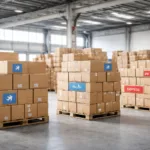
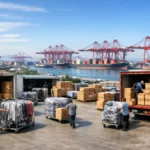
Garment production relies on intricate supply chains for materials, trims, and accessories. Any hiccup can cascade into missed deadlines, especially when suppliers face raw material shortages, shipping delays, or customs holdups. For instance, during seasonal demand spikes, fabric mills often struggle to meet large orders, causing downstream production bottlenecks.
Material Quality Problems and Their Ripple Effects
Low-quality or inconsistent materials frequently lead factories to halt production, remake batches, or source replacements, all of which extend timelines. Factories sometimes get caught between a client’s strict standards and a supplier’s shortcomings, leading to complex negotiations and, inevitably, delay.
Production Planning Errors: Scheduling Gone Wrong
Poor planning at the factory level—such as overbooking the production line or underestimating labor requirements—is a leading cause of late deliveries. When several orders stack up, even advanced ERP systems can’t always resolve sudden clashes in workload.
Labor Shortages and Workforce Management
Factories in competitive regions may struggle to retain skilled workers. High labor turnover or absences (especially after major holidays) create unpredictable production capacity, forcing managers to stall certain orders and reassign resources. In peak times, overtime and rushed work can increase mistakes, compounding delays.
Machine Breakdowns: The Hidden Bottleneck
Sewing machines, cutting tables, and printing equipment are vital to steady progress. Breakdowns—especially when maintenance is neglected or spare parts are delayed—can halt entire lines for days. Factories rarely publicize these challenges unless pressed for technical evidence.
Design or Sample Approval Delays
Delays occur not only in the factory, but on the buyer side too. Late feedback on samples, technical packs, or artwork revisions can freeze the start of bulk production. Factories often wait for green lights before investing in materials or ramping up their lines, accentuating the lag.
Quality Control: Inspections and Rework
Stringent quality checks protect brands, but they also consume time. When batches fail inspection, rework becomes necessary—sometimes involving a complete overhaul. Factory QA teams must balance speed with perfection, and heavy re-inspection cycles can push deadlines further out.
External Factors: Weather, Holidays, and Policy Changes
Nobody controls typhoons, flooding, or sudden policy changes affecting transport and export. National holidays such as Chinese New Year or Ramadan frequently cause multi-week shutdowns, while new regulations can add paperwork and customs delays.
Section: Why Garment Orders Delay
Why garment orders delay is a multifaceted question with answers ranging from internal mismanagement to global supply chain events. Each missed deadline can often be traced back to one or more of the issues described above. Brands and buyers concerned about timely delivery must recognize these factors to understand which are preventable and which require adaptive strategies.
Getting Proof: What Evidence Can You Request?
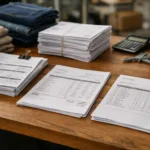
If you suspect a delay, don’t hesitate to ask your supplier for documentation. Typical evidence includes production schedules, raw material delivery notes, photos of completed or pending production stages, maintenance logs, and inspection reports. These records can provide transparency and clarify whether the problem is localized or systemic.
Benchmarking With Industry Standards
Comparing your factory’s timeline to industry benchmarks helps assess whether a delay is unusual. For example, average production lead times for basic garments typically range from 30 to 45 days, while complex items can stretch to 60 days or beyond—often impacted by sample approval cycles or special materials.
How to Spot Delays Early: Preemptive Strategies
Proactive buyers monitor production progress through shared project management tools, regular factory visits, and photo confirmations at key milestones. Early warning signs include unanswered update requests, missing evidence of material arrivals, or sudden changes in point-of-contact personnel. Clear communication protocols and checklists help you catch issues before they spiral out of control.
Choosing Responsive Factories: The Role of Transparency
Factories that embrace transparent processes—sharing real-time updates, process photos, and offering objective QA documents—tend to perform better against deadlines. Brands often favor suppliers willing to openly discuss risks rather than hide behind vague promises.
Technology: Digital Tools for Production Tracking
Emerging technologies like ERP software, barcode scanning, and automated line monitoring empower manufacturers and buyers to track orders in near real-time. These systems flag bottlenecks and help teams react decisively to emerging hiccups.
First-Hand Insight: How Factories Respond to Pressure
Seasoned production managers at top facilities report that doubling down on communication, splitting projects into smaller batches, and maintaining contingency resources are effective ways to tackle delays under pressure. Industry veterans learn to anticipate risks and proactively buffer critical timelines.

Quality Rework vs Delivery: Striking a Balance
When a garment batch requires rework, leaders must weigh the tradeoff between quick fixes and lasting quality. Rushed QC rarely yields sustainable results, so the best producers will negotiate realistic delivery extensions rather than compromise reputation.
Factory Audits and Independent Checks
Third-party inspections and factory audits verify production claims, helping buyers distinguish genuine issues from avoidable mismanagement. Evidence from audits—such as time-stamped reports and statistical process records—can tip the balance in difficult negotiations.
Negotiating Delivery Dates: What Works
Successful negotiations acknowledge uncertainty and reward transparency. Setting phased delivery schedules, incentivizing prompt shipments of partial orders, and agreeing on penalties for late shipment are common practices. Clear contract terms lay the groundwork for fast resolution if something goes wrong.
How Production Customization Affects Delivery
Custom designs and private label requests often extend timelines due to unique material sourcing and new processes. Experienced manufacturers like Ninghow offer detailed planning documents showing how customizations impact each production stage—from artwork to packaging—helping buyers set realistic deadlines.
Ninghow Brand Voice: Real-World Production & Customization
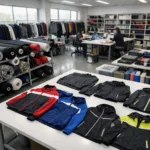
Ninghow, a leading garment manufacturer, blends tradition with innovation in OEM and private label services. Their approach emphasizes advance scheduling, open dialogue, and tailored production tracking for each order. Factory teams work with buyers to create accessible checkpoints and fast responses to any setbacks. If you’re considering a reliable garment manufacturer, it’s worth learning how factories like Ninghow approach real-world customization and production.
How to Plan Around Seasonal Delays
Orders placed around holidays or global events should always anticipate extended lead times. Use factory-provided calendars and prioritize early order placement for critical launches. Consult with production managers—like those at Ninghow—for insight into peak periods and realistic delivery promises.
Buyer-side Delays: Approval Process Bottlenecks
Bottlenecks aren’t always factory-side. Buyers who delay sample feedback, revise orders late in the process, or alter specs force production lines to idle. Clarify internal decision timelines and engage stakeholders early to protect proposed ship dates.
The Hidden Cost of Rushing Orders
Pressuring factories to accelerate delivery may result in sloppy work, damaged goods, or overlooked defects. Instead, invest in relationship-building, reward reliability, and establish a periodic feedback system to ensure everyone upholds the same standards.
Effective Communication: Your Best Defense Against Delays

Building strong lines of communication, setting up weekly checkpoints, and maintaining precise written records prevent misunderstandings and reinforce accountability. Ask for production updates from trusted brands like Ninghow to keep everyone aligned.
Conclusion: Ensuring Timely Garment Delivery
Garment order delays stem from a blend of predictable and unexpected factors. By understanding the eight core causes, knowing what proof to ask for, and leveraging early-warning techniques, buyers can minimize risks and foster reliable, long-term factory partnerships. Prioritize transparency, employ real-time tracking, and communicate openly for resilient supply chain management. Stay informed and proactive—the key to timely delivery is knowledge backed by evidence.
Frequently Asked Questions
What is the most common reason for garment order delays?
Supply chain disruptions and material shortages often top the list, particularly during busy or unpredictable seasons.
How can I verify if my order is really delayed?
Request production schedules, photos of current progress, and shipping documentation from your factory for confirmation.
What evidence should a factory provide for a delay?
Look for production calendars, raw material purchase orders, machine maintenance logs, and quality control reports.
Can customization requests affect delivery deadlines?
Yes, unique designs or private label needs sometimes require special materials and extra time, potentially extending lead times.
How do holidays impact garment manufacturing schedules?
Major holidays often create extended factory closures and supply chain pauses, so plan orders well ahead of these periods.
Do regular communication and updates prevent delays?
Absolutely. Weekly checkpoints and transparent updates help both buyers and factories identify and address problems early.
