

Why Polo Shirts Are in High Demand Across Industries
Polo shirts have become a staple in many industries, from sports teams and golf clubs to corporate uniforms and promotional events. Their classic look, comfort, and versatility make them one of the most requested items among apparel buyers worldwide. The global market for polo shirts is substantial, with brands regularly outsourcing production to large-scale manufacturers to meet demand.
What concerns most buyers is not just supply—it’s quality, control over customization, minimum order quantity (MOQ), and how smoothly factories can adapt to individual brand needs. This guide answers those concerns, showing what top manufacturers offer and how to choose the right one for your business.
What Type of Companies Manufacture Polo Clothing?
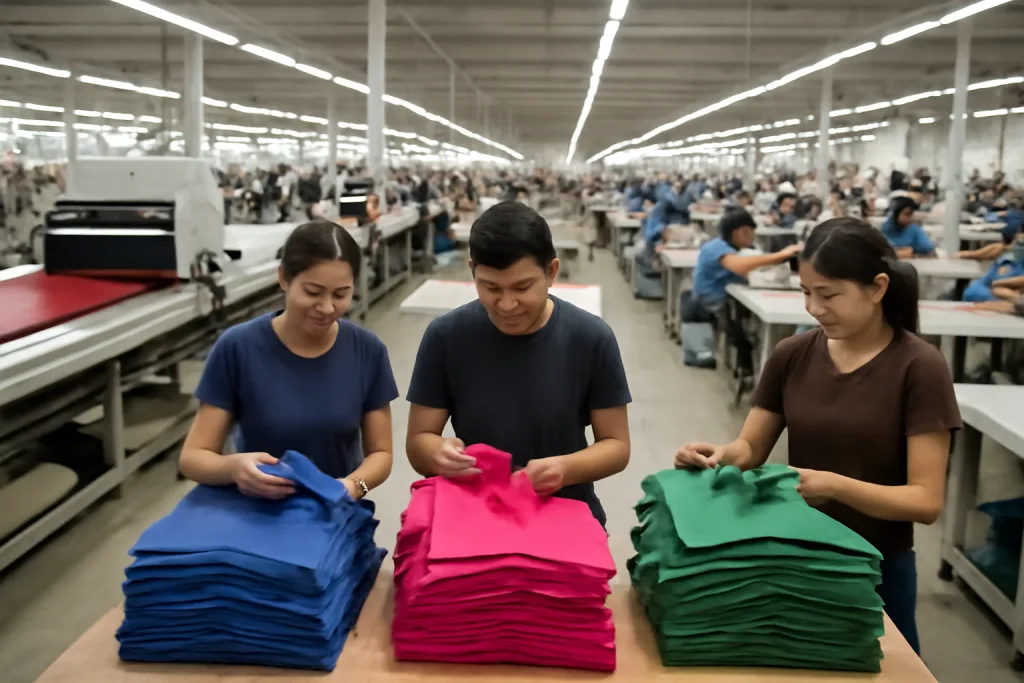
Polo clothing is made by several types of companies, each serving distinct needs. Knowing what sets them apart helps buyers select the best match for their projects.
OEM Polo Shirt Manufacturers
OEM (Original Equipment Manufacturer) operates by producing polo shirts in bulk, following provided specifications or existing templates. Global apparel brands often appoint OEM factories for mass production. This route suits buyers who want proven styles, steady quality, and reliable lead times.
ODM Polo Shirt Manufacturers
ODM (Original Design Manufacturer) goes a step further. These companies help develop new polo shirt designs, recommend fabrics, and refine sizing. ODM is ideal for new brands or companies eager to launch unique, market-ready polo shirts rapidly.
Custom Polo Shirt Producers
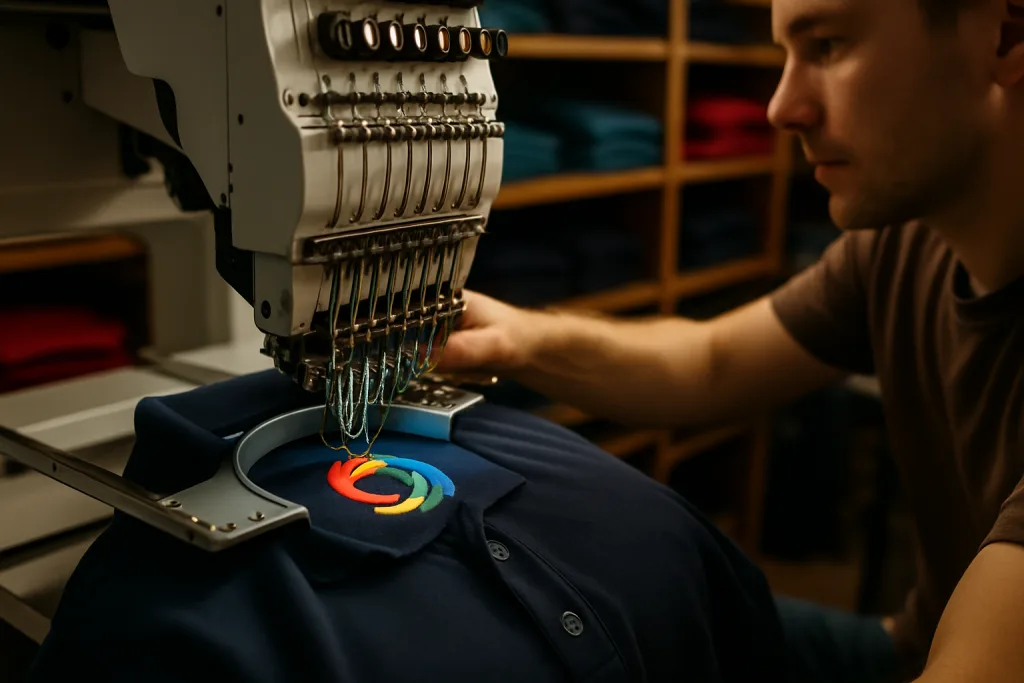
Custom polo shirt manufacturers specialize in branding and personalization. They offer embroidery for logos, specialized prints, and customize features such as fabric blends, collar shapes, and placket details. This option is best for teams, uniforms, corporate giveaways, and events that require a unique touch.
Cut-and-Sew Manufacturers
Cut-and-sew factories focus on full control over materials and construction. Here, polo shirts start from raw fabric, cut and stitched for precision. Professional sportswear makers often use this approach, seeking high-complexity patterns and top-tier finishes.
- OEM: Best for volume, recognized brands.
- ODM: Best for unique designs and rapid launches.
- Custom Producers: Best for branding and personalization.
- Cut-and-Sew: Best for premium quality and technical builds.
Where Are Most Polo Clothing Manufacturers Located?
Global production of polo shirts is concentrated in several key countries. Each brings its own strengths to the table, whether it’s cost, quality, speed, or customization options.
China — The World’s Largest Polo Shirt Manufacturing Base
China remains the number one destination for polo shirt manufacturing thanks to its mature supply chain, especially in regions like Guangdong, Fujian, Jiangsu, and Zhejiang. Factories here offer a broad range of fabrics—including combed cotton, functional synthetics, and moisture-wicking blends. China’s efficient production, expertise in OEM/ODM, and flexible MOQ policies draw buyers big and small.
Bangladesh — Suitable for Large-Scale Orders
Bangladesh is the world’s second largest apparel exporter. Its core advantage is low cost, best suited for massive orders. Factories are geared for volume, though customization options can be more limited than those in China or Vietnam.
Vietnam — High-Quality Manufacturing for Premium Brands
Many top-tier sports and fashion brands manufacture polo clothing in Vietnam. Though labor costs are higher, Vietnam offers high-end finishes and strong compliance with international standards. It’s the prime spot for brands seeking premium golf or performance polos.
Turkey — Fast Turnaround for European Markets
Turkey serves European buyers looking for speed and quality. Turkish manufacturers boast high-grade fabrics and quick delivery but tend to charge more than Asian competitors.
India — Strong in Cotton Knitwear
India holds an edge in natural cotton fabric, making it ideal for cotton polo shirt production. Manufacturers in India combine rich raw material resources with competitive costs.
- China: Best mix of quality, price, and flexibility.
- Bangladesh: Cost leader for volume orders.
- Vietnam: Premium, high-spec polos.
- Turkey: Quick delivery for Europe.
- India: Cotton specialist.
What to Look for in a Reliable Polo Clothing Manufacturer?
Choosing a reliable manufacturing partner goes beyond pricing. Buyers should evaluate the entire scope of a factory’s capabilities and quality protocols.
Fabric Capabilities
- Piqué (classic textured knit)
- Lacoste/jersey knits
- Performance fabrics (moisture-wicking, antimicrobial, UV protection)
Customization Options
- Embroidery, screen printing, heat transfer logos
- Custom buttons, collar shapes, placket styles
- Personalized color development and textures
Quality Control Standards
Reliable manufacturers conduct fabric testing, check shrinkage and colorfastness, maintain stitch density, and ensure collar shape remains flat after washes.
Production Facilities & Capacity
- Computerized pattern cutting
- Automatic sewing and embroidery machines
- Capacity to support small to large runs
Certifications
MOQ Flexibility & Lead Time
Ask about low minimums, whether they’re open to sample orders, and average production lead time (often ranges from 20–30 days).
| Fabric/Finish | Properties | Best Use |
|---|---|---|
| Piqué Cotton | Classic texture, breathability | Corporate, team uniforms |
| Jersey Cotton | Soft, lightweight, stretchy | Fashion, activewear |
| rPET/Synthetics | Moisture-wicking, durable | Sports, golf |
| Performance Blends | Antimicrobial, UV protection | Golf, promotional events |
Top Categories of Polo Shirt Manufacturers
Polo shirt manufacturers generally fall into four categories, serving different business needs and application scenarios.
Sportswear Manufacturers
These businesses focus on functional polos for golf, tennis, team sports, and activewear. Their technical expertise produces breathable, moisture-wicking polo shirts with advanced features like UV protection.
Corporate Apparel Manufacturers
Corporate-focused factories produce polos as office uniforms, promotional gifts, and event staff wear. They offer extensive branding and color-matching capabilities to fit business marketing needs.
Fashion Brand OEM Factories
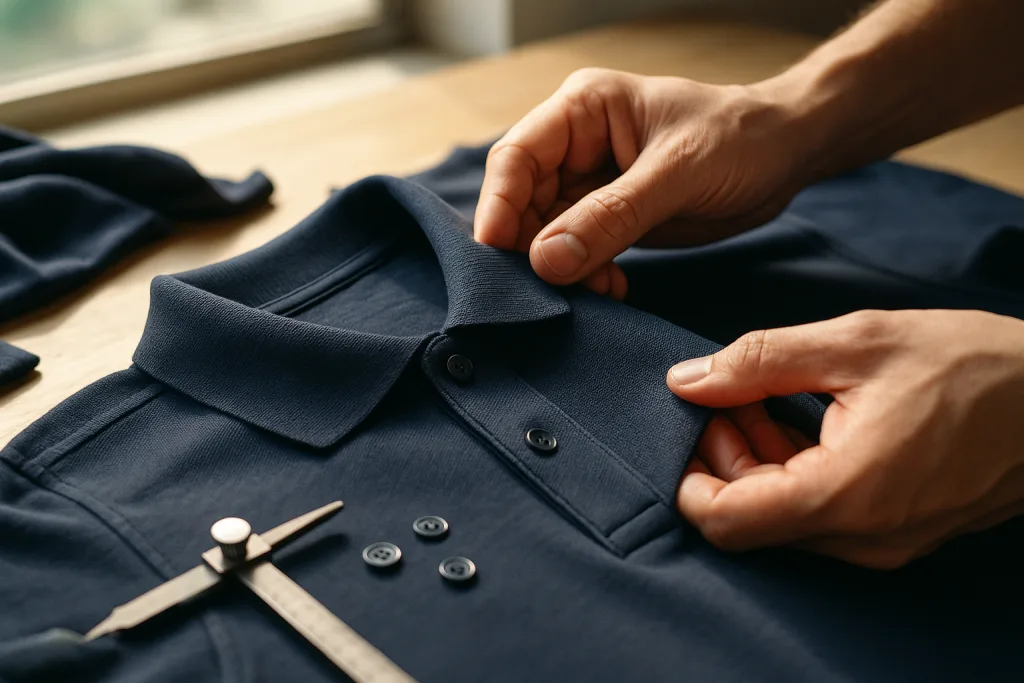
Fashion label suppliers handle designer-driven requests, supply custom colors, trims, and patterns, and maintain tighter tolerances on fit and finish.
Uniform & Workwear Producers
Focuses on durability and function, making polos for service teams, security, and schools. These polos prioritize wear-resistance and washability.
- Sportswear: Exceptional for active, high-performance needs
- Corporate: Strong on branding and consistency
- Fashion: Skilled in style, color, and detail
- Uniform: Built for everyday toughness
Who Manufactures Polo Clothing? A Complete Guide to Global Polo Shirt Manufacturers (OEM/ODM)
The world’s leading polo shirt factories share a common core: strong supply chains, dependable quality control, and the ability to meet diverse brand needs. China’s manufacturers offer premium, value, and budget options. Bangladesh excels in price for bulk orders, Vietnam delivers high-end sportswear, and Turkey and India cover quick-turn and cotton essentials. Brands can select an OEM for proven classics or an ODM for innovation and speed. Custom producers and cut-and-sew operators cater to fine detail, embroidery, and brand-specific styles.
Example: What a Professional Polo Clothing Manufacturer Looks Like
A modern factory, such as Ninghow Apparel, provides wide-ranging services:
- Custom polo shirts (fabric, color, branding)
- OEM/ODM production systems
- Flexible or even no MOQ requirements
- Fast sample development—7 to 10 days
- Efficient bulk production—20 to 30 days
- Advanced capabilities in golf, tennis, and corporate polos
- Sustainability practices and consistent fit control
Ninghow applies rigorous quality controls, meets global compliance standards, and works closely with brands seeking reliability and craftsmanship.
The Polo Shirt Manufacturing Process
Most factories follow detailed steps to make high-quality polo shirts. Each stage has specific checks to maintain fit, finish, and durability.
Fabric Selection
Buyers and manufacturers choose suitable fabrics—from combed cotton to high-tech synthetics. Options include single jersey, pique, interlock, and performance blends in GSM weights typically between 160 and 240 gsm.
Knitting & Dyeing
Yarn is knitted into the desired structure; fabrics are dyed to customer color specs using approved Pantone shades and lab dips. Factories may run bulk color tests to ensure consistency.
Cutting
Fabric is relaxed to avoid shrinkage. Semi-automatic or fully computerized cutting tables then ensure size accuracy, guided by detailed tech packs.
Embroidery & Printing
Logos and graphics are applied using embroidery (including 3D), screen print, DTF, or heat transfer—chosen based on desired durability and handfeel.
Sewing
Operators assemble body, sleeves, and collars with careful line balancing and ISO-compliant stitch types. Bartacks reinforce stress areas.
Collar Reinforcement
Collars use rib knits with sturdy attachment methods. Interlining adds stiffness to maintain shape after washing.
Quality Control Inspection
Every polo shirt undergoes spec checks, wash tests, and stability assessments. Factories use AQL measurement standards and needle detection to maintain safety.
Packing
Shirts are folded, packed into polybags with hangtags and proper care labels (ISO 3758), then boxed for shipment using export-standard cartons. Shipping follows agreed Incoterms for reliability.
How Much Does It Cost to Manufacture Polo Clothing?
Polo shirt production costs vary by country, order size, and fabric choices. Typical price ranges look like this:
- China: $4–$9 per piece
- Vietnam: $6–$12 per piece
- Turkey: $7–$14 per piece
- Golf/premium performance polos: $8–$18 per piece (advanced materials, specialty finishes)
Lower minimums may require slightly higher unit prices. Bulk orders enable better economies of scale.
Frequently Asked Questions
Who is the best polo clothing manufacturer?
The best manufacturer depends on your needs—look for consistent quality, customization, and reliable lead times. Companies like Ninghow and other top firms in China, Vietnam, and Turkey all deliver strong results.
Which country produces the most polo shirts?
China produces the largest volume of polo shirts globally, offering both value and premium options backed by an efficient supply chain.
What MOQ is required?
Minimum order quantities (MOQs) vary by factory; China and select custom producers often offer flexible or even no MOQ, while Bangladesh and Turkey may require larger batches.
Can manufacturers customize logos and collars?
Most manufacturers provide full customization—logos, embroidery, printing, unique collar shapes, and placket styles are all possible to match your brand or team vision.
Is China good for polo shirt OEM?
China excels at OEM polo shirt production, with strong factory networks, fabric choices, and skilled labor supporting both bulk orders and small runs.
What is the typical lead time for polo shirt manufacturing?
Standard lead times range from 20 to 30 days for bulk orders, but some factories offer fast sampling services within 7 to 10 days for new designs.
