

Viscose Fabric: How It’s Made

Viscose fabric is a type of rayon made from wood pulp, usually from beech, eucalyptus, or pine trees. This pulp is processed through a chemical bath, turning it into a soft, silky fiber. The result is a textile that drapes beautifully and mimics the hand-feel of cotton or silk.
Materials & Process Steps
- Raw materials: Wood pulp from certified forests
- Chemical treatment: Pulp dissolved and treated to form viscose solution
- Extrusion: Solution forced through spinnerets to create filaments
- Regeneration: Fibers solidified into strands, washed, and finished
Typical Constructions
Viscose can appear in woven forms like plain weave or twill, or as soft jersey knits. Weights range from 90 gsm (grams per square meter) for flowing blouses up to 220 gsm in heavier shirtings. Viscose blends with elastane or polyester improve recovery and shape retention, vital for activewear and fitted garments.
Viscose Fabric Physical Properties
The appeal of viscose comes from its natural drape and gentle touch. It feels cool against skin and absorbs moisture well, but its durability and strength can vary depending on construction and blend. To decide if viscose is right for your project or brand, consider these core physical traits:
Key Properties of Viscose
- Soft, smooth, and silk-like texture
- High absorbency (up to 11% of its weight in moisture)
- Moderately breathable in light weights and loose weaves
- Loses strength when wet, so needs gentle care
- Prone to shrinking unless pre-shrunk
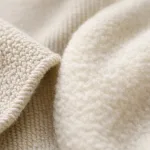
Structure & Handfeel
Pure viscose feels cool, with less surface friction than cotton and more drape. Some blends improve strength or stretch. Clothing Manufacturers like Ninghow often recommend pre-washing viscose yardage, as it can shrink 3–8% if not compacted before sewing.
Viscose Breathability: Science & Use Cases
Is viscose breathable? Yes—especially in lighter weights. Breathability means a fabric can transmit moisture and heat from the skin to the environment. Viscose wicks moisture away, making it more comfortable in hot, humid climates than synthetics like polyester. However, the tightness of the weave and overall GSM can affect its airiness.
When Is Viscose Most Breathable?
- Light weight knits (120–160 gsm): used for summer tops and dresses
- Loose weaves: maximize airflow, best for resort or beachwear
- Blends with linen or cotton: combine cool feel and airflow
Comparison: Viscose vs. Cotton Breathability
Below is a table that compares the breathability, absorbency, and best use scenarios of viscose and cotton fabrics.
| Fabric | Breathability | Absorbency | Common Weights (gsm) | Best-Use Scenarios |
|---|---|---|---|---|
| Viscose | Good (especially in light weights/loose weaves) | Very high | 90–220 | Dress shirts, blouses, summer wear, scarves |
| Cotton | Excellent (high in most constructions) | High | 120–240 | T-shirts, polos, uniforms, casuals, underwear |
Physical Characteristics: Viscose vs. Cotton
While viscose and cotton both absorb moisture, their handfeel, structure, and care needs differ. Viscose is smoother and drapes closer to the body. Cotton feels more robust with a touch of surface texture. Below, see how physical details affect real-world use.
Strength & Durability
- Viscose: Weaker when wet, less suitable for heavy-duty use (e.g., workwear)
- Cotton: Holds strength when laundered, better for uniforms and everyday basics
Color & Print Performance
- Viscose: Takes deep, vibrant color; ideal for digital prints and resortwear
- Cotton: Easy to dye, with excellent colorfastness after washing (when tested to standards like AATCC 61/8)
Comfort & Sensation
- Viscose: Cool, drapey, comfortable but needs gentle handling
- Cotton: Soft, slightly structured, forgiving in care and tougher overall
Is Viscose Fabric Sustainable?
Viscose appeals for its natural origins, but its sustainability depends on how it’s made. The best mills use certified forests, closed-loop chemical systems to reduce pollution, and responsible water treatment. Ninghow, for instance, works with suppliers offering FSC-certified viscose and blends recycled fibers where possible.
Certifications to Know
- FSC (Forest Stewardship Council) for raw material traceability
- OEKO-TEX STANDARD 100 for chemical safety and human health
- RCS (Recycled Claim Standard) for blends containing recycled viscose
Eco Alternatives
- Modal: Smoother, often more sustainable, made from beech trees
- TENCEL™ Lyocell: Closed-loop process, soft, durable, and moisture-wicking
Quality Control & Fabric Testing
To ensure consistent quality and breathability in viscose garments, manufacturers like Ninghow follow strict QC protocols. Every batch undergoes dimension checks, moisture and pilling tests (ISO 12945), and colorfastness evaluation (AATCC 8 or ISO 105-X12). For programs needing bulk color approval, lab dips or strike-offs are provided before mass production.
Standard Fabric Tests
- Colorfastness to washing/rubbing: Prevents fading in bright prints
- Dimensional stability: Limits unwanted shrinkage
- Pilling resistance: Ensures smooth surface after repeated wear
- Seam strength: Ensures construction lasts in daily use
How Test Results Guide Production
If a viscose/lycra jersey pilled in initial tests, manufacturing could shift to tighter knitting or better fiber quality—directly impacting product feel and lifespan. This level of control marks the difference between durable apparel and items that disappoint after the first wash.
Choosing Viscose or Cotton for Your Application
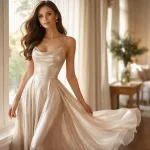
The choice between viscose and cotton boils down to end-use, required performance, and budget. For dress shirts or flowing resortwear, viscose brings lightweight luxury and vibrant prints. For hardworking T-shirts, polos, and uniforms, cotton stands out for everyday resilience.
Where Viscose Excels
- Blouses, dresses & scarves needing flow and drape
- Garments requiring deep color or complex prints
- Lightweight activewear when blended for strength
Where Cotton Is Best
- T-shirts, polos, underwear for daily wear & easy care
- Uniforms, corporate basics, promo wear needing durability
- High-performance or sports apparel (when blended with spandex or rPET)
Cost, Lead Time, and MOQ Factors
Viscose can sometimes cost more than mid-grade cotton, especially for digital prints or lower MOQs (minimum order quantities). Lead times vary depending on dye method—solid shades are fastest, while prints require more approvals. Plan for 30–60 days from fabric order to bulk garment shipping in most OEM/ODM production cases. Cotton basics may move quicker for blank programs.
Design & Construction: Sewing, Printing, Decoration
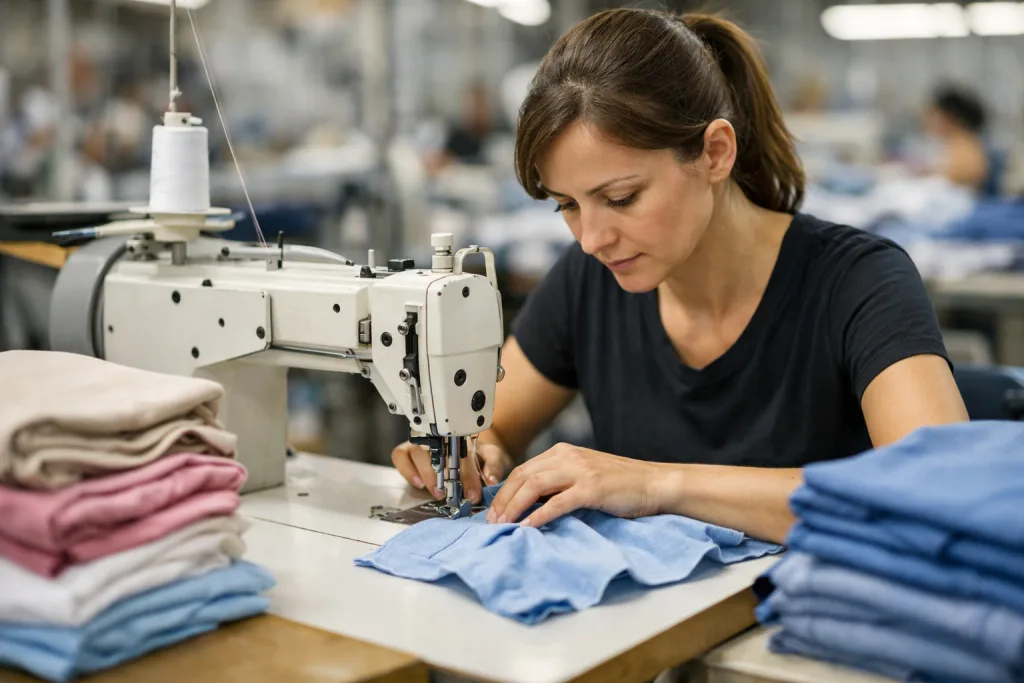
The properties of viscose shine when garments are well designed and carefully constructed. Sewing viscose requires needle size 70/10–80/12, fine polyester thread, and a light touch to avoid puckering or seam stretching. Special allowances must be made in tech packs—which are instruction sheets for factories—by setting tight tolerance limits in bust, waist, and hem.
Printing and Embellishment
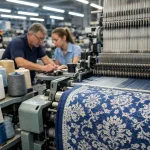
- Digital and rotary printing: Both achieve crisp, vivid results (preferred for resort and lifestyle pieces).
- Heat transfers: Can work, but must be low-temp to prevent fabric scorch.
- Embroidery: Use with caution—fabric stabilizer or backing is essential as viscose can sag or ripple.
Finishing Treatments
- Peach finish: Soft, slightly brushed touch
- Anti-bacterial or anti-odor: For activewear lines
- Pre-shrink/compaction: Minimizes size change after laundering
Examples of Successful Applications
Ninghow customers often select viscose blends for teamwear, resort uniforms, and fashion basics. Choosing the right finish means garments last longer, handle better, and satisfy the comfort needs of the end wearer.
Color Management & Batch Consistency
Color is a selling point for viscose. To achieve deep shade consistency, suppliers perform laboratory dips and create bulk shade bands before full-scale runs. Pantone color matching ensures every batch meets expectations, reducing risks of uneven lots in the final shipment. Regular inline checks and endline audits confirm colorfastness and even dye penetration.
What Can Go Wrong With Viscose?
- Batch-to-batch shade variations without strict lab dip/bulk approval
- Uneven shrinking if not properly compacted
- Poor print durability with incorrect ink or temperature
Packing and Export Best Practices
- Garments folded gently to minimize creasing
- Clear size, color, and style ratio packs for B2B buyers
- Barcoded carton marks and care labels to ISO 3758
Incoterms like FOB and CIF are standard for export shipments. Sellers manage lead times through careful approval and sampling (from lab dips to TOP samples) to avoid costly delays.
Viscose Fabric: Final Thoughts & Application Guide
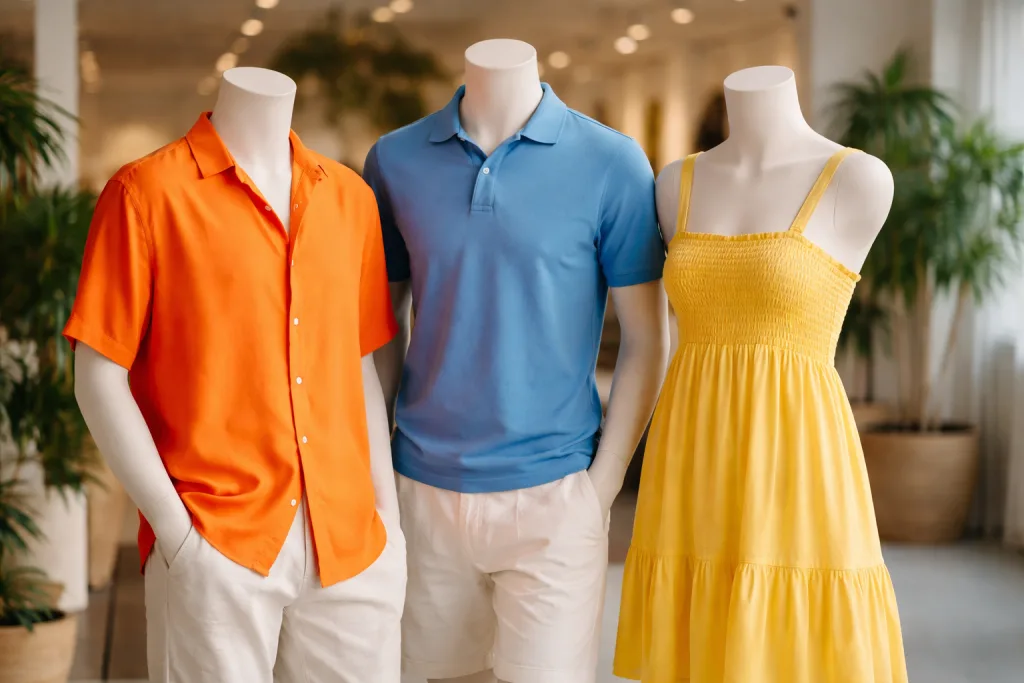
Viscose fabric continues to win fans for its comfort, breathability, and drape. While it competes with cotton on softness, viscose requires extra care in both manufacturing and everyday use. For brands and buyers seeking luxury feel and standout prints—or sustainable credentials from leading OEM/ODM suppliers like Ninghow—viscose delivers.
Summary Table: Quick Decision Guide
| Goal | Choose Viscose | Choose Cotton |
|---|---|---|
| Drape & Luxury | ✔️ | – |
| Easy Care & Durability | – | ✔️ |
| Sustainability Focus | ✔️ (with certified fiber) | ✔️ (with organic cotton) |
| Uniforms/Workwear | – | ✔️ |
| Style & Print Complexity | ✔️ | ✔️ |
Next Steps for Apparel Buyers
- Request swatches: Assess feel and finish firsthand
- Ask for test reports: Confirm shrinkage, pilling, and colorfastness
- Specify lab dip bulk approval for custom shades
- Consult with manufacturing partners like Ninghow on blend, weight, or eco options
Frequently Asked Questions
Is viscose fabric breathable like cotton?
Viscose is breathable and feels cool against the skin, but cotton usually offers even better airflow and all-day comfort.
Does viscose shrink after washing?
Yes, viscose can shrink 3–8% if not pre-shrunk; always check if your garment received a compaction finish before purchase.
How does viscose feel compared to cotton?
Viscose feels smoother, silkier, and more drapey, while cotton is slightly textured, firmer, and sturdy in structure.
Is viscose suitable for activewear?
Viscose works in lightweight blends for warm-weather activewear, but pure viscose may lack the strength for high-stress applications.
How do I prevent viscose fabric from pilling?
Choose higher-quality viscose and tighter knits; gentle machine cycles and air drying also reduce the chance of pilling.
Is viscose considered a sustainable fabric?
Viscose can be sustainable when sourced from certified forests and made in closed-loop systems; check for FSC and OEKO-TEX certifications.
