



Introduction to Puff Printing in Clothing
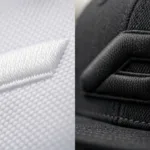
Puff printing is a unique textile decoration technique popular in the fashion and sportswear industries. This process gives clothing surfaces a raised, three-dimensional look, making logos and graphics stand out. Puff printing combines specialized inks and controlled heat to create its signature soft, pillowy effect. Both streetwear brands and activewear manufacturers use puff printing to add bold style and tactile interest to garments.
Puff Printing Technique and Working Principles
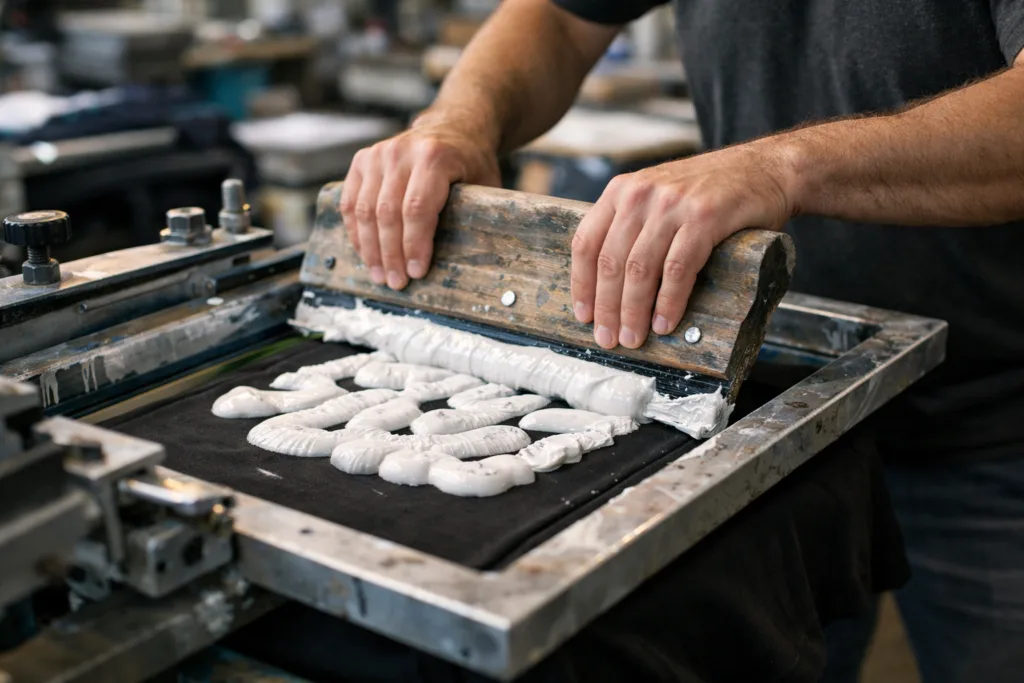
The foundation of puff printing is a special type of ink. These inks contain additives called blowing agents. When heated in curing, these agents expand, creating the raised surface. The process requires close control of ink composition, stencil or screen thickness, application pressure, and curing temperature.
- Puff ink is thicker than standard screen print inks.
- The print design is created using high-quality mesh screens to ensure crisp lines.
- The garment passes through a conveyor dryer set at temperatures around 160–180°C, activating the blowing agents.
Proper timing and temperature adjustment are crucial. If overcured or undercured, the puff effect may flatten or lose durability. Ninghow’s technical teams test ink batches and curing cycles to deliver consistent, vibrant results on various fabrics.
Achieving Optimal Thickness in Puff Printing
Thickness is the defining feature of puff printed designs. Several factors determine the final dimension and texture:
- Mesh Count & Screen Thickness: Lower mesh counts allow more ink through the screen, increasing puff height.
- Ink Layer: The number and thickness of passes control how much expansion occurs.
- Blowing Agent Concentration: Higher levels create bigger lifts but may affect definition.
- Fabric Type: Smooth knits like single jersey yield crisper edges, while fleece or twill may diffuse the puff effect.
Puff height usually ranges from 0.5 mm to over 3 mm. Thicker prints feel softer under touch but may crack if overstretched. Here is a quick comparison:
| Parameter | Puff Printing | Standard Plastisol Print | Best Use |
|---|---|---|---|
| Finish Texture | Raised, soft | Flat, smooth | Logos, art, bold designs |
| Thickness | 0.5–3 mm | <0.3 mm | Polo shirts, sweatshirts |
| Durability | High (with proper cure) | Very high | Casual, streetwear |
| Best Fabrics | Jersey, fleece, twill | Most (cotton/poly blends) | Kids, promo apparel |
Puff Printing in Clothing
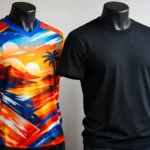
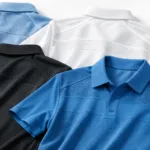
Puff printing adds visual excitement and tactile depth to garments such as T-shirts, polo shirts, hoodies, and sportswear. Brands frequently use it for statement chest logos or iconography on sleeves. It stands out in the promotional clothing sector, where differentiation matters.
- Typical applications include lifestyle streetwear, event merchandise, and athletic apparel.
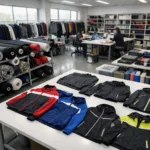
- Ninghow manufactures puff print styles for clients across Europe, North America, and Southeast Asia, ensuring colorfastness and wash durability.
- Design teams often layer puff prints with flat inks or embroidery for multidimensional results.
Puff printing can also be combined with specialty effects like metallics or glow-in-the-dark for even more impact.
Material Choices for Puff Printing
Fabric selection directly affects puff printing outcomes. The texture, thickness, and stretch properties all play a role. Here are the main substrate options:
- Combed Cotton: Smooth, stable surface; works well for crisp puff edges. GSM typically ranges from 160–220 for T-shirts.
- Polyester Blends: Good for moisture management but can impact puff ink adhesion. rPET (recycled polyester) is gaining popularity for sustainability.
- Fleece: Ideal for hoodies and sweatshirts. Back-brushed or French terry provides a thicker handfeel, highlighting raised prints.
- Twill Poplin: Used for jackets and uniforms. Adds durability but may soften puff details slightly.
Fabric pre-treatment, including pre-shrinking and moisture control, increases print consistency and reduces reject rates.
Key Process Steps and Quality Checks
High-quality puff printing demands close attention to process control. Here’s an overview of the manufacturing flow:
- Artwork/Tech Pack submission with detailed puff zones and desired heights.
- Screen preparation using appropriate mesh count.
- Ink mixing, matching Pantone shades with puff additives.
- Sample proof creation; strike-off for bulk approval.
- Application by skilled operators with automatic or manual presses.
- Curing in conveyor dryers at precise temperatures and dwell times.
- Inline/endline checks: measure thickness, inspect edges, check for cracking or under-expansion.
- Wash testing and AQL sampling before packaging.
Ninghow integrates AQL (ANSI/ASQ Z1.4) protocols and stability tests to guarantee reliable performance in bulk production.

Limitations and Challenges with Puff Printing
While puff printing offers dramatic effects, it also brings several design and production constraints:
- Fine detail difficulty: Thin lines may blur because the ink lifts during curing.
- Color matching complexity: Expansion can lighten colors; test batches are needed for every shade.
- Wash durability risk: Overly thick prints may crack or flatten after repeated laundering.
- Fabric compatibility: Highly stretchy or loosely knit fabrics may deform, distorting puff edges.
- Decoration limitations: Puff zones can’t be combined with very fine embroidery or high-res digital prints in the same area.
Manufacturers must balance puff height with visual precision and long-term performance. Proper garment specs and batch controls reduce risk and reject rates.
Compliance, Testing, and Packaging Considerations
Puff-printed garments must meet international safety and quality standards. Leading certifications include OEKO-TEX STANDARD 100 and GOTS for eco textiles. Chemical controls include managing restricted substances under REACH (EU) and CPSIA (USA). Physical tests cover:
- Colorfastness (ISO 105-C06 / AATCC 61)
- Dimensional stability (AATCC 135)
- Pilling and abrasion resistance (ISO 12945)
- Seam strength and stretch tolerance
Garments are typically folded and packed with care labels (ISO 3758 symbols). Bulk cartons use standard markings, barcodes, and ratio packs. Export packaging follows Incoterms such as FOB or DDP, aligning with buyers’ logistics needs.
Design Trends and Application Scenarios

Puff printing trends shift with consumer tastes and market needs. Here are top scenarios:
- Streetwear: Bold chest or sleeve logos with maximum relief, often paired with acid-wash or oversized fits.
- Active and sportswear: Branded touches on polos, hoodies, and shorts—highlighting team identity or sponsor logos.
- Promotional events: Distinctive effects for campaigns, launches, or trade shows.
- Kidswear: Raised motifs for fun texture and playful appeal, often with fluorescent colors or glow finishes.
Brands like Ninghow help clients choose the right process—sometimes combining puff with embroidery, water-based, or DTF prints to achieve standout results. Top priorities remain clean edges, lasting color, and a reliable feel across all garments.
Puff Printing in Clothing FAQs
What makes puff printing different from standard screen printing?
Puff printing creates a raised, soft surface using special inks and heat, while standard screen printing stays flat and smooth.
Can puff printing be used on any type of fabric?
Puff printing works best on stable knits like cotton jersey or fleece. Loose or highly stretchy fabrics may not hold crisp puff edges.
Is puff printing durable after multiple washes?
With correct curing and proper garment care, puff prints remain durable. Excess thickness may crack over time, so design balance is key.
Are there color limitations with puff printing?
Yes, puff inks can alter perceived color after expansion. Manufacturers test shades during sampling to ensure consistent bulk results.
Can logos with fine detail use puff printing?
Very fine details are challenging; puff printing is best for bold shapes, wide lines, and large areas.
How do manufacturers test puff print quality?
Quality checks cover thickness measurement, wash testing, edge definition, and adherence to international standards like ISO and OEKO-TEX.
