






What is Organic Cotton?
Organic cotton is a type of cotton that is grown without the use of synthetic chemicals such as pesticides, herbicides, or genetically modified organisms (GMOs). It is produced using methods and materials that have a low impact on the environment. Organic cotton farming supports biodiversity and healthy ecosystems, improving soil fertility and often using less water compared to conventional cotton.
How Organic Cotton is Grown
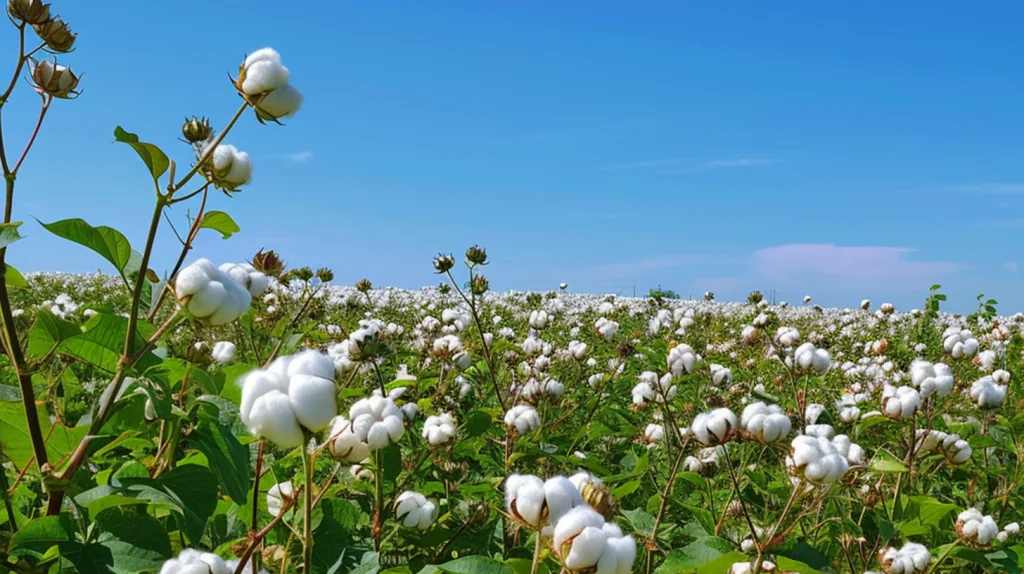
Organic cotton is cultivated using traditional farming methods that respect the natural lifecycle of the soil and environment. Farmers rely on organic compost, crop rotation, and beneficial insects rather than synthetic pesticides. These sustainable practices maintain the health of the land and the surrounding ecosystem, creating a safer and more sustainable textile source.
Key Differences Between Organic and Conventional Cotton
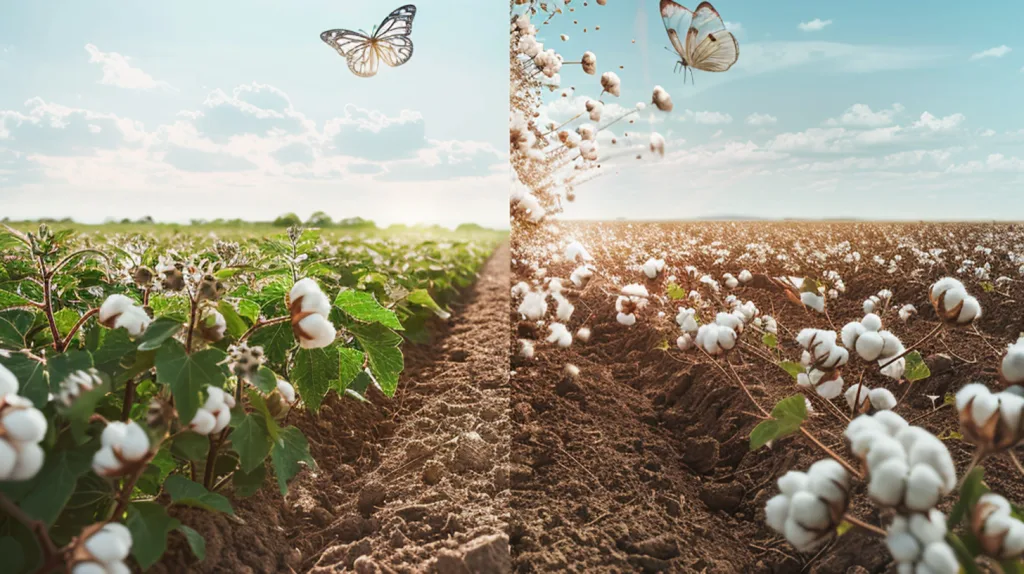
| Feature | Organic Cotton | Conventional Cotton |
|---|---|---|
| Pesticides | None used | Heavy use of synthetic pesticides |
| GMOs | Prohibited | Commonly used |
| Water Usage | Often less, uses rain-fed methods | High water consumption |
| Soil Health | Improved through crop rotation | Often degraded over time |
| Environmental Impact | Lower | Higher |
Benefits of Organic Cotton Clothing for Brands

Enhancing Brand Image Through Sustainability
In a market driven by eco-conscious consumers, adopting organic cotton helps brands position themselves as leaders in sustainability. Using eco-friendly cotton fabric communicates a commitment to environmental values and social responsibility. This strengthens customer loyalty and brand trust.
Meeting Growing Consumer Demand
Today’s consumers are more informed and increasingly demand transparency and ethical practices from the brands they support. Organic cotton addresses these concerns, making it a preferred material for brands that want to stay relevant and competitive.
Long-Term Cost Efficiency
While organic cotton may have a higher upfront cost, it can lead to long-term savings. Sustainable production can reduce waste, improve product durability, and enhance operational efficiency. Furthermore, brands can avoid future costs related to environmental regulations or reputational damage.
Learn about Ninghow’s custom-made organic cotton clothing solutions
Environmental Advantages of Organic Cotton Fabric
Reduced Water Usage
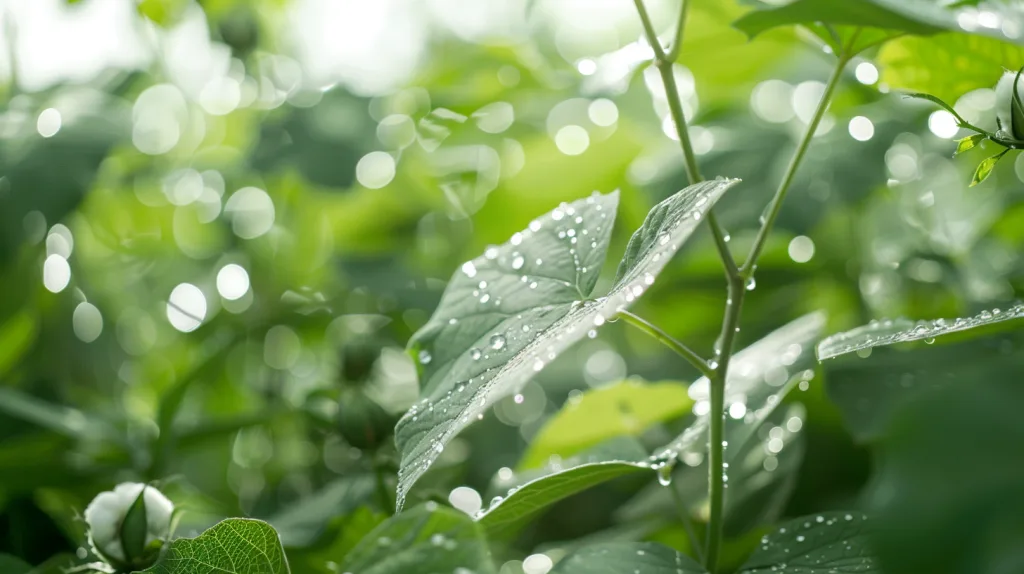
Organic cotton is typically grown in rain-fed areas, significantly reducing the need for irrigation. Conventional cotton can require thousands of liters of water per kilogram, while organic methods often use 91% less water, conserving this critical resource.
No Harmful Chemicals or Pesticides
Organic cotton farming eliminates the use of toxic pesticides and fertilizers. This protects farmworkers’ health, reduces air and water pollution, and prevents chemicals from entering the food chain or local water supplies.
Healthier Soil and Biodiversity
Organic farming practices enhance soil structure and fertility through composting and crop rotation. They also encourage biodiversity by providing a habitat for beneficial insects and avoiding chemical disruptions to the local ecosystem.
Why Sustainable Cotton Matters for B2B Buyers
Corporate Social Responsibility (CSR) Compliance
For B2B buyers, using organic cotton supports CSR initiatives. It aligns with sustainability goals, enhances stakeholder trust, and contributes to certifications such as GOTS (Global Organic Textile Standard) or OEKO-TEX.
Access to Ethical Supply Chains
Organic cotton supply chains are typically more transparent and traceable. This allows B2B partners to meet auditing requirements and demonstrate compliance with ethical sourcing standards.
Case Study: Brands Succeeding with Organic Cotton
Many global brands like Patagonia and H&M have integrated organic cotton into their collections. These companies have reported increased consumer engagement and reduced environmental impact, proving that sustainable materials can drive both profit and purpose.
Conclusion: The Future of Cotton is Organic
Organic cotton is not just a trend—it’s a future-proof solution for brands committed to sustainability. From reduced environmental impact to stronger consumer relationships, the benefits are clear. As demand for eco-friendly cotton fabric grows, early adopters will lead the industry shift toward greener, more ethical fashion.
FAQ: Common Questions About Organic Cotton
1. What makes cotton “organic”?
Organic cotton is grown without synthetic chemicals, using natural farming methods that preserve soil and water health.
2. Is organic cotton better for sensitive skin?
Yes. Since it’s free from toxic dyes and pesticides, organic cotton is gentler and hypoallergenic.
3. Does organic cotton shrink or wear out faster?
Not necessarily. In fact, organic cotton fibers can be stronger and last longer if cared for properly.
4. What are the certifications for organic cotton?
Look for GOTS, OEKO-TEX, or USDA Organic. These labels ensure high environmental and social standards.
5. How much more expensive is organic cotton?
Prices can be 10–20% higher, but this is offset by long-term benefits in brand value and customer trust.
6. Can small businesses source organic cotton with no MOQ?
Yes! Many suppliers, including Ninghow, offer no MOQ (Minimum Order Quantity) and flexible options for SMEs.
