


Pillar Content: How to Find a Clothing Manufacturer in China (2025 Guide)
When you’re building a clothing brand, choosing the right manufacturer is one of the most critical steps. While online research, reviews, and samples give you some insights, nothing beats a factory visit—especially when vetting a clothing manufacturer in China. Visiting the production site in person provides clarity, transparency, and confidence in your long-term apparel partner.
In this guide, we’ll walk you through a professional, field-tested checklist for visiting a Chinese clothing factory. From what to ask and inspect to red flags that should send you running, this article is your go-to resource for vetting a clothing manufacturer the right way.
Why Visit the Factory in Person?
Before diving into the checklist, let’s clarify why visiting a factory is so important—especially in China, where manufacturing scale and quality vary greatly.
Benefits of an on-site factory visit:
- Validate that the manufacturer actually exists and is not a trading company posing as a factory.
- Confirm production capabilities and capacity.
- Inspect working conditions, machinery, and quality control processes.
- Build trust and strengthen communication.
- Reduce risk of miscommunication and supply chain issues later.
Many Chinese factories are happy to host international clients—it shows you’re serious and helps forge a better working relationship.
Pre-Visit Preparation
Before stepping foot inside any factory, it’s essential to prepare.
Do your homework:
- Review the company’s website, certifications, and past clients.
- Clarify whether you’re dealing with a direct manufacturer or a trading agent.
- Schedule the visit well in advance and confirm the agenda.
What to bring:
- Your product tech packs or design sheets.
- A camera or phone for documentation.
- A translator or bilingual colleague (if you’re not fluent in Mandarin).
- A checklist (you’re in luck—we’ve made one below!).
On-Site Factory Visit Checklist
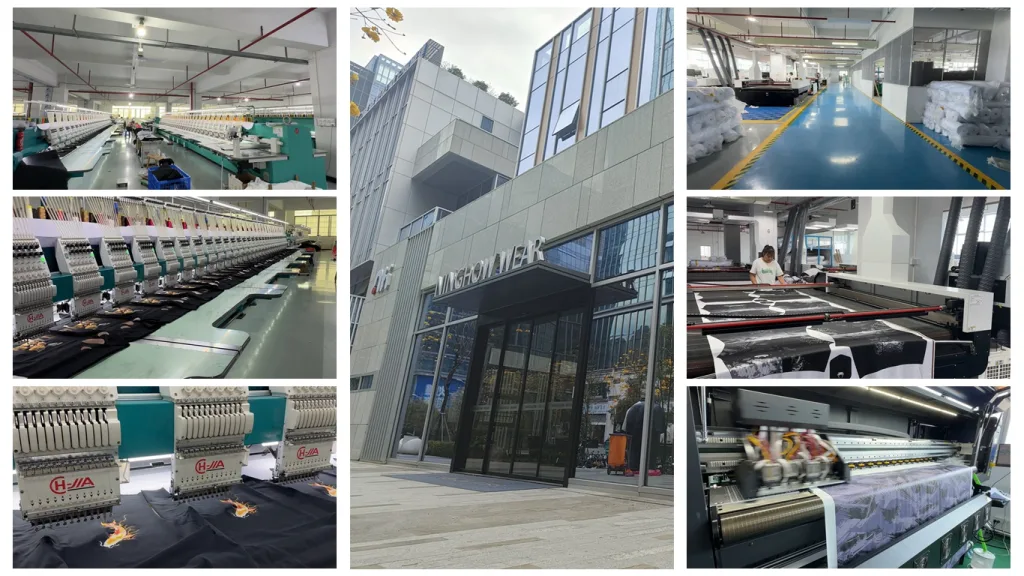
Here is your step-by-step checklist for thoroughly vetting a clothing manufacturer during your factory visit in China:
1. Factory Identity and Legitimacy
- Ask to see the business license and verify the factory name matches.
- Confirm they are not a trading company unless that’s your preference.
- Check their years in operation and whether they own or rent the facility.
- Ask if they have worked with international clients or export frequently.
2. Production Capacity and Capabilities
- Request a tour of all production areas: cutting, sewing, printing, finishing.
- Ask about daily or monthly production capacity.
- Identify their specialty (e.g., knitwear, sportswear, beachwear, uniforms).
- Confirm whether they outsource any parts of production (e.g., printing, embroidery).
3. Machinery and Equipment
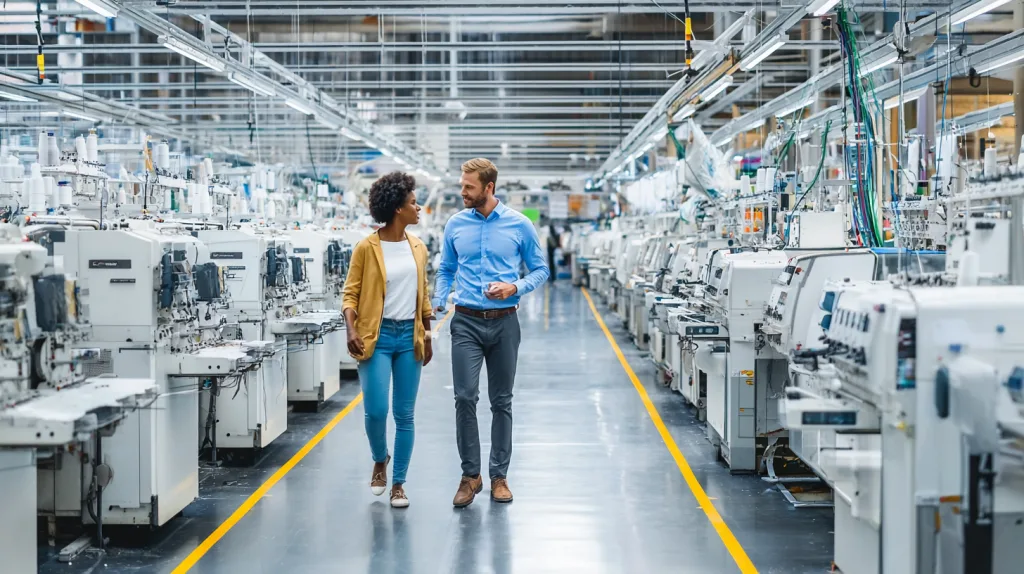
- Inspect the condition of machinery (modern, well-maintained equipment = higher efficiency).
- Check if machines are suitable for your product category (e.g., flatlock stitching for activewear).
- Ask how often machines are calibrated or maintained.
Red Flag: Outdated, dusty, or broken equipment may indicate poor maintenance or low volume operations.
4. Workforce and Labor Conditions
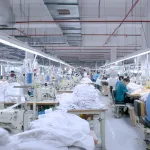
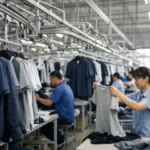
- Observe the working environment: cleanliness, safety, lighting, ventilation.
- Count how many workers are present (a busy factory is a good sign).
- Look for signs of fair treatment—do workers wear safety gear, take breaks, appear engaged?
- Ask about average worker tenure and turnover rate.
Red Flag: Extremely quiet or empty production floors during peak working hours.
5. Quality Control Processes
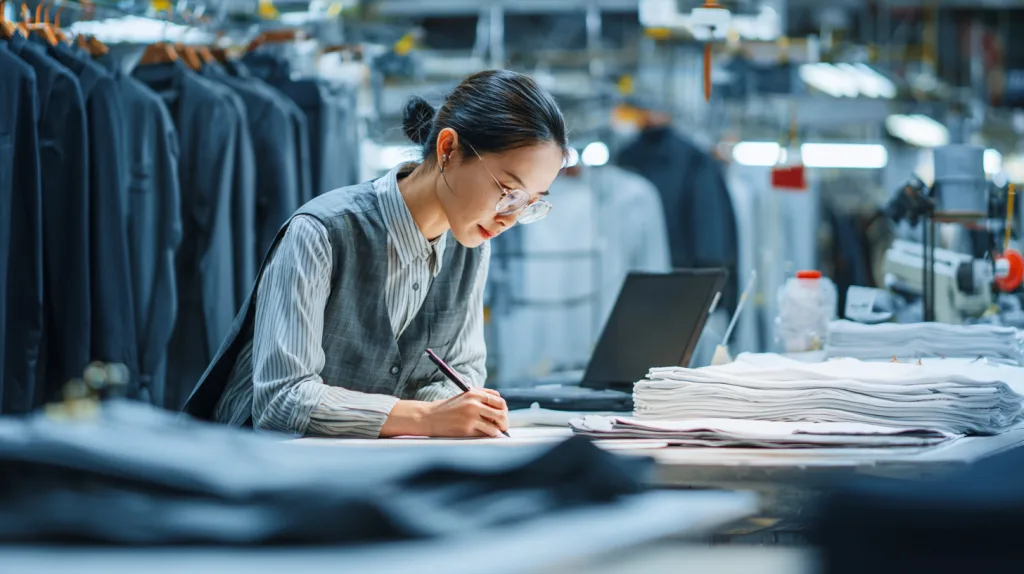
- Ask to see their quality control procedures in action.
- Are there dedicated quality inspectors at multiple stages?
- Is there a final inspection station before goods are packed?
- Request to see defect logs or how they manage rejected products.
Pro tip: Ask how they handle quality issues discovered after shipment.
6. Sampling and Prototyping
- Visit the sampling room or design department if available.
- Ask how long it takes to develop and revise samples.
- Inquire about how many sample revisions are included.
Bonus: A good factory will provide advice on improving construction, cost, or material use.
7. Raw Material Sourcing
- Ask where they source fabrics and trims.
- Do they work with local mills or import high-end materials?
- Can they provide eco-friendly or certified fabrics (OEKO-TEX, GOTS, etc.)?
Red Flag: Vague answers about sourcing or reluctance to show supplier samples.
8. Certifications and Compliance
- Ask to see valid copies of any certifications:
- BSCI, Sedex (ethical labor)
- ISO (quality management)
- OEKO-TEX, GOTS, GRS (material safety/sustainability)
- Confirm if they’ve passed audits from other brands.
- Ask whether they have experience exporting to markets like the EU or USA.
9. Packaging and Shipping Process
- Visit the packing area.
- Ask what packaging options are available (custom polybags, hang tags, boxes).
- Confirm how goods are labeled, stored, and prepared for shipment.
- Ask whether they work with third-party logistics partners or handle shipping in-house.
10. Communication and Client Support
- Meet with your factory point of contact—ideally a production manager or account manager.
- Ask how they handle international clients: Do they use WeChat, email, video calls?
- Clarify response times and preferred working hours.
- Discuss how they manage order tracking and production updates.
Red Flags to Watch Out For
During your visit, stay alert to these warning signs:
- Reluctance to show production areas or avoid answering questions.
- Inconsistencies between what was promised online and what you see on-site.
- Poor cleanliness or safety violations in the work area.
- Workers who appear exhausted, unhappy, or underage.
- Low worker-to-machine ratio (could indicate ghost factories or outsourcing).
- No paper trail or documentation of past orders, processes, or certifications.
Trust your instincts. If something feels off, it usually is.
After the Visit: What to Do Next
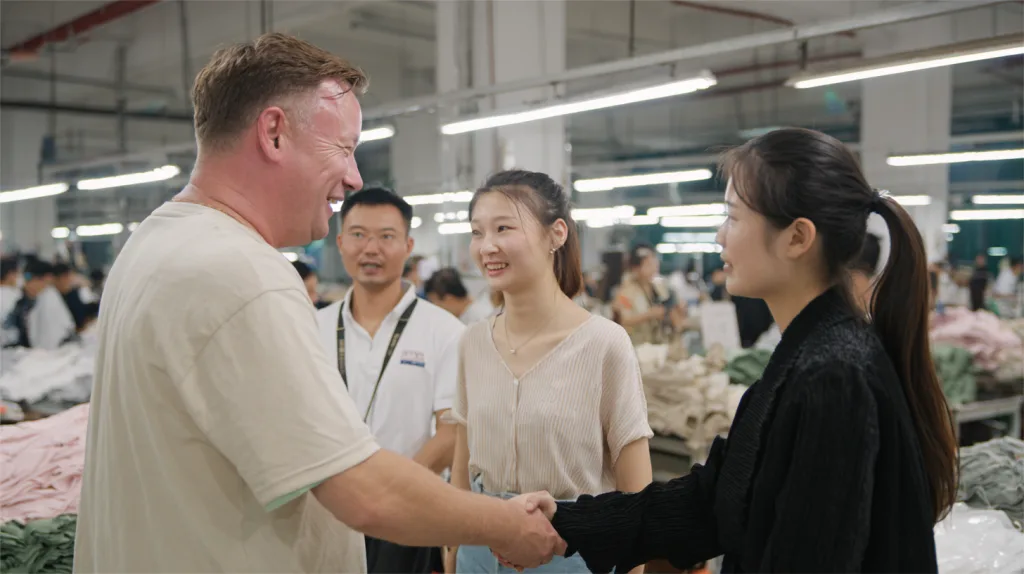
Once your visit is complete, it’s time to analyze your findings and follow up:
- Review photos and notes with your team.
- Ask for a sample quote based on actual product specs.
- Confirm next steps for sampling or trial production.
- Evaluate how promptly and clearly they follow up after the visit.
Pro tip: Visit at least 2–3 factories to compare capabilities, pricing, and professionalism.
Final Thoughts: Building Long-Term Partnerships
Vetting a clothing manufacturer in China through an on-site factory visit helps you separate the reliable partners from risky ones. It’s not just about equipment and samples—it’s about transparency, trust, and shared values.
At Ninghow, we invite our clients to visit our facility in person. We proudly support startups and growing brands with:
- Open-door factory access
- Ethical and certified production
- Flexible minimum orders
- Transparent communication and fast sampling
Whether you’re manufacturing T-shirts, hoodies, shorts, or custom sportswear, Ninghow offers professional support from first sample to final shipment.
