



Understanding UV, Anti-Odor & Antimicrobial Finishes
Modern sportswear relies on advanced finishes to boost performance and comfort. Among these, UV protection, anti-odor, and antimicrobial finishes stand out. With brands demanding higher standards, knowing how these finishes work and when to use them is crucial. This guide covers the chemistry behind antimicrobial sportswear fabric, durability factors, essential standards, compliance risks, and Ninghow’s expertise in quality finishing.
What Is Antimicrobial Sportswear Fabric?
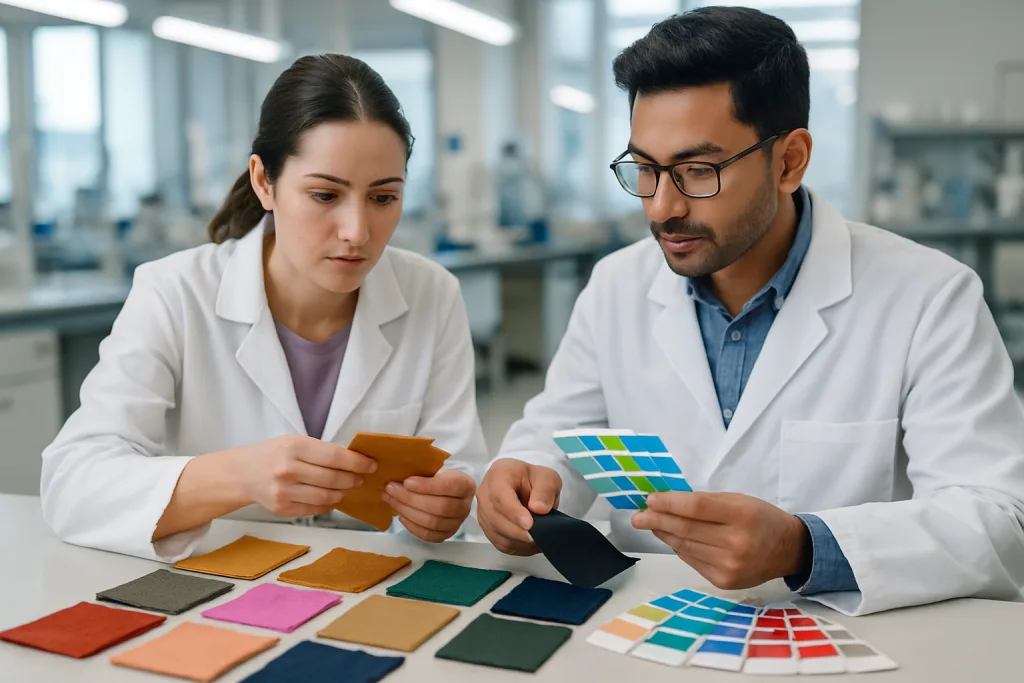
Antimicrobial sportswear fabric is treated to stop the growth of bacteria, fungi, and odors. These finishes help athletes and active users stay fresh. The core idea is simple: less microbe growth means less sweat smell and fewer health risks—making athletic wear safer and more pleasant.
Key Properties
- Inhibits bacteria, mold, and mildew spread
- Controls sweat-related odor
- Supports hygiene in high-intensity activities
Main Applications
- Sports teams and fitness clubs
- Outdoor and travel apparel
- Corporate workwear
- School uniforms
- Military and healthcare garments
Chemistry Behind Performance Finishes
The science of antimicrobial fabrics centers on applying agents that interfere with microbial life cycles. These agents can be silver ions, zinc compounds, quaternary ammonium salts, or natural extracts like chitosan. When treated by finishing lines, these molecules anchor onto fiber surfaces—be it cotton, recycled polyester (rPET), or blended knits.
Methods of Application
- Pad-Dry-Cure: The fabric is padded with antimicrobial solution, dried, and heat-cured for binding.
- Exhaustion: Solution soaks into the fabric and bonds during rinse and heat.
- Spray Printing: Targeted or localized application for zone-specific protection.
Integration with Other Finishes
Many sportswear pieces carry combined finishes: antimicrobial, UV-protective, and moisture-wicking. This synergy is common in fabrics like pique knits, single jersey cotton, and elastane blends for sports polos and T-shirts (usually 160–220 gsm range).
Durability: Durable Finishes vs. Wash-Off Risks
Performance matters most when solutions remain active after repeated washes. Durable antimicrobial finishes bond chemically, lasting for 30–50 laundry cycles or more. Wash-off finishes, on the other hand, lose effectiveness quickly—sometimes after just 5–10 washes.
What Influences Durability?
- Type of Agent: Silver ions and certain polymers offer robust performance; natural extracts tend to fade sooner.
- Bonding Method: Covalent or ionic bonds resist washing-out; physical adsorption does not.
- Base Fabric: Ring-spun and combed yarns, such as 20s or 32s organic cotton or rPET yarn, hold finishes better than coarse fabrics.
- Laundry Chemistry: Harsh detergents, bleach, and high-temperature settings speed up degradation.
Comparative Table: Antimicrobial Agents & Durability
| Agent Type | Durability (Wash Cycles) | Main Properties | Best-Use Scenario |
|---|---|---|---|
| Silver Ion | 40–60 | Broad antimicrobial, odor control, non-toxic | Premium sports, healthcare |
| Zinc Pyrithione | 25–40 | Bacteria/mold resistance, gentle handfeel | Daily wear, uniforms |
| Quaternary Ammonium | 15–30 | Antibacterial and antiviral, rapid action | Promotional apparel, short-term use |
| Chitosan | 5–15 | Biodegradable, eco credentials | Eco collections, short life cycles |
UV Protection in Sportswear
UV protection stops harmful ultraviolet rays from passing through clothing. UPF-rated finishes (Ultraviolet Protection Factor) are tested using standards like ASTM D6603 and AATCC TM183. Fabrics, often polyester or blended knits, gain extra UV resistance from special yarn twists or surface treatments.
Key UV Finish Properties
- UPF 40+ blocks over 97% UV rays
- Color, fabric weight, and weave affect results
- Ideal for outdoor sports, resort wear, kids’ clothing
Anti-Odor Mechanisms: Beyond Microbial Control
Anti-odor finishes target compounds released by bacteria breaking down sweat. Some agents lock these odors chemically; others trap and neutralize them using cyclodextrins or silica particles. Moisture-wicking properties, often achieved with cationic polyester or peach-skin finish on cotton, also help minimize odor by keeping skin dry.
Testing & Compliance: What Brands Must Know
Sourcing compliant, safe antimicrobial sportswear fabric requires careful attention to global standards and risk management. Reliable manufacturers, such as Ninghow, run thorough lab tests and secure certifications.
Essential Standards
- OEKO-TEX STANDARD 100: Checks for harmful substances in fabrics (see OEKO-TEX).
- AATCC 100 & ASTM E2149: Verify antimicrobial performance after washes.
- REACH & CPSIA: Regulate chemical use and child safety (REACH info here).
- Prop 65 (California): Requires clear warning for restricted substances.
Risk & Compliance Factors
- Restricted substances lead to product recalls; always demand certificates from suppliers.
- Wash-off effects may cause uneven protection or false claims; use robust finishes and properly labeled batch codes.
- Global exports face customs queries—OEKO-TEX, REACH, and GOTS certification ease passage.
- Consumer trust comes from clear care labels, informative tags, and robust documentation.
When Should Brands Use These Finishes?
Choosing UV, anti-odor, or antimicrobial finishes depends on end-use, risk level, and branding goals. Apparel for sports, kids, medical, or outdoor programs can benefit greatly. Premium offerings—which command higher prices and longer market cycles—demand durable, certified finishes supported by third-party testing and clear batch records. Fast fashion and promotional runs may favor lighter, lower-cost options.
Signs Your Apparel Needs Antimicrobial Protection
- Frequent, sweaty activities (run clubs, football teams, gym wear)
- Shared-use gear (rental uniforms, school sports)
- Extended wear or travel apparel (pilots, cruise staff, hospitality uniforms)
- Healthcare or clean-room environments
Ninghow’s Advanced Finishing Lines
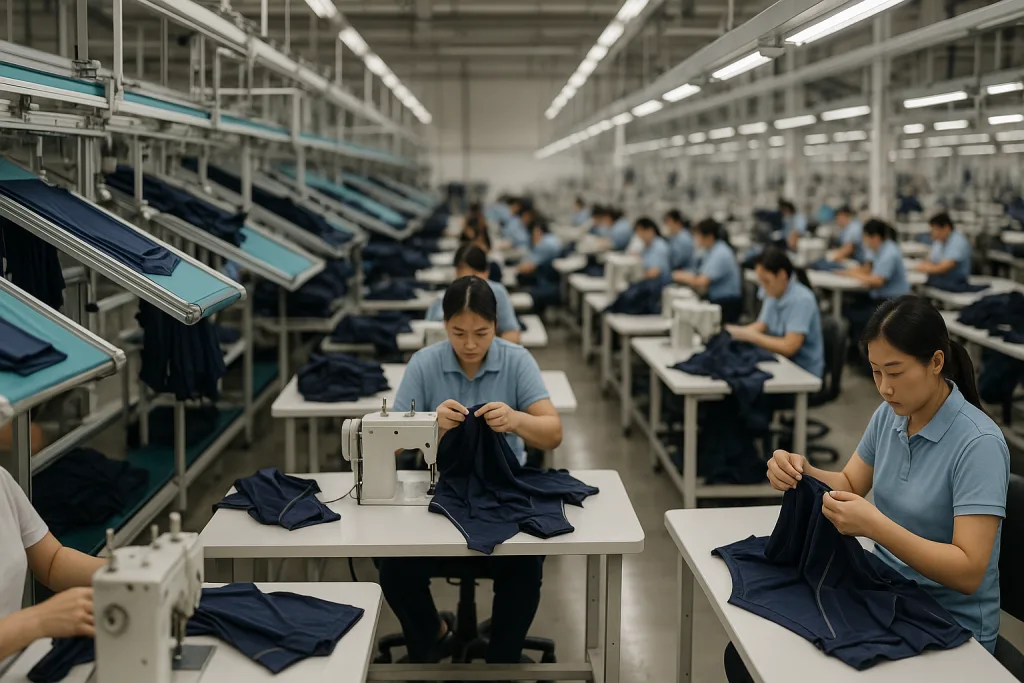
Ninghow sportswear manufactures high-performance apparel using pad-dry-cure and exhaustion finishing lines for consistent, durable results. Batch-to-batch color control, strike-off and lab dip approval, and rigorous AQL (ANSI/ASQ Z1.4) inspection ensure every shipment meets client specs. Fabrics like 24s/32s combed cotton, GOTS organic, and recycled polyester pass bulk color and antimicrobial tests before sewing.
Quality & Craftsmanship Highlights
- Inline and end-line QC: Puckering, skew, stitch tension, and seam strength checked at key control points
- Testing includes ASTM D1683 seam burst, ISO 105 colorfastness, and pilling (ISO 12945)
- Labels show care symbols (ISO 3758), batch numbers, and compliance icons
- Export carton labels follow Incoterms; sample → PP → TOP protocols maximize reliability
Decorating Antimicrobial Sportswear Fabric
Decoration choice matters for finish durability and style. Screen prints (water-based, discharge), DTF/DTG, and embroidery are common; sublimation is best for poly blends. Surface handfeel and wash stability require pre-approved testing. Trims, tags, and accessory inks must meet OEKO-TEX and Prop 65 requirements.
Best Practices for Decoration
- Use smooth, stable surface knits for direct printing—120–210 gsm single jersey or pique
- Pre-shrinking protects against puckering after decoration
- Bartacks or coverstitch reinforce high-stress seams, boosting garment longevity
Packaging, Logistics & Shelf Life
Careful packaging preserves finish efficacy. Polybags feature punched vent holes and informative care labels. Cartons marked with EAN/UPC, batch ID, and compliance symbols support B2B traceability and customs checks. For export, Ninghow offers EXW, FOB, CIF, and DDP; lead times range 30–45 days post sample approval. Moisture barriers and proper folding help retain antimicrobial potency until wear.
Antimicrobial Sportswear Fabric: Key Takeaways
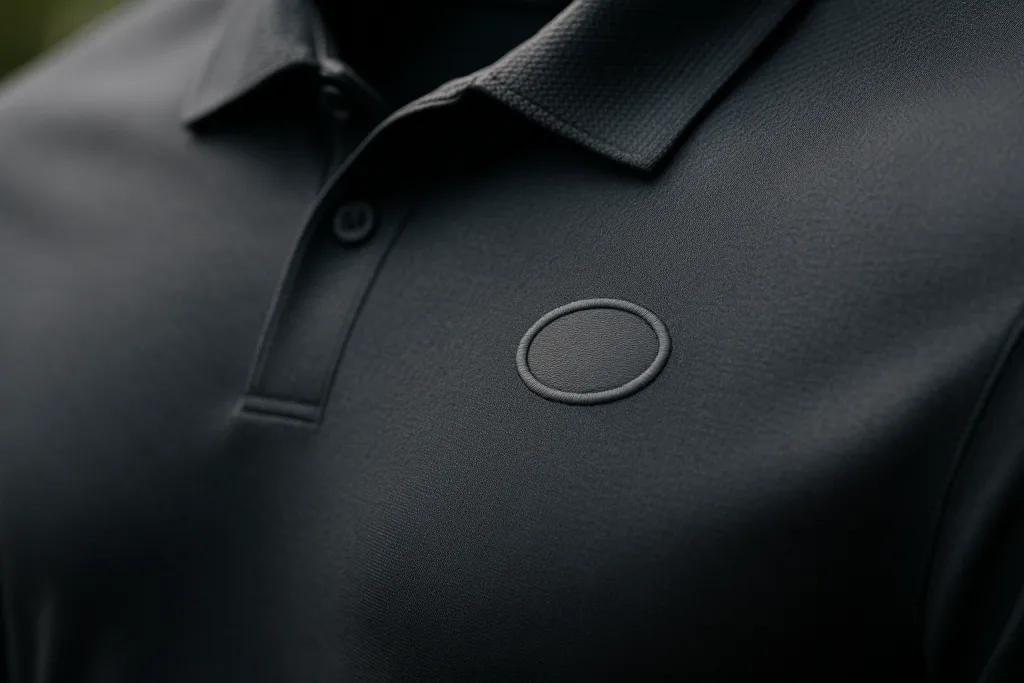
Expert Insight: Smart finishing is not just chemistry. It is a rigorous blend of lab testing, process control, compliance, and customer-centric design. Brands should choose antimicrobial sportswear fabric with proven durability, clear compliance records, and decoration compatibility for best market impact.
Frequently Asked Questions
What are antimicrobial finishes in sportswear fabrics?
Antimicrobial finishes in sportswear fabrics stop bacteria and fungi from growing, reducing odor and health risks for users.
How long do antimicrobial finishes last on garments?
Durable finishes can last through 30–50 laundering cycles; less robust treatments may wash off within 5–10 washes.
Which standards test UV and antimicrobial properties?
UPF and antimicrobial finishes are tested under ASTM D6603, AATCC TM183, AATCC 100, and OEKO-TEX STANDARD 100 guidelines.
Is antimicrobial sportswear fabric safe for sensitive skin?
Yes, if agents comply with OEKO-TEX and REACH; always check for skin safety certificates before ordering.
Can decoration impact antimicrobial finish performance?
Yes; print and embroidery can affect performance, so pre-testing and using compatible methods is recommended.
Does Ninghow offer custom antimicrobial finishing lines?
Ninghow provides tailored pad-dry-cure and exhaustion finishing for consistent, high-quality antimicrobial and UV protection.
